

 Italian
  English
  Russian
  French
  German
  Spanish
  Polish
  Ukrainian
  Turkish
  Portuguese
  Greek
Greek  Arabic
  Korean
  Chinese
  Japanese
  Czech
Czech  10 Passaggi per Superare la Paura del Fallimento – Una Guida Pratica">

Initiate a 90-day micro-experiment: pick a single small project, set three objective metrics (completion rate, time-to-first-result, user feedback), schedule four 90-minute focused blocks per week and accept clear exit criteria so decisions follow data instead of impulse.
The contents includes a one-page plan that maps reality to action: goals, deadlines, predicted setbacks, a post-mortem template and a habit tracker. If feelingthe urge to stall, start a 5-minute micro-task; make sure theres short-term evidence of progress (a commit, a demo, a short note) that resets momentum.
Practice identifying the exact thoughts and traits that block work by keeping a two-column log (evidence vs hypothesis) for two weeks, then change one behavior that draws attention away from rumination–use a 3-breath grounding cue at the heart of each session and a 25/5 focus cadence. Boost chances of completion by adding public milestones and inviting two external reviewers to raise accountability.
Accept setbacks as information, not identity: treat an unfinished deliverable as data for revision, not a verdict on themselves. Combine quick wins with long experiments so confidence and learning grow in parallel. Remember: small, consistent actions compound–achievers make marginal gains routine and measure progress weekly.
Outline
Define a 90-day plan: select three micro-activities per week (60–120 minutes each), record baseline self-rating 1–10 and target a 20% improvement, log completion as pass/fail and qualitative notes to measure results and recognize patterns.
Limit daily major decisions to five and use a decision log to capture rationale; invite a trusted reviewer (father, mentor or peer) for weekly feedback – insecurities tend to bias forecasts, so sometimes use a counterfactual column to motivate more realistic expectations.
Create a monthly learning loop: acquire one concrete skill (6–12 hours of focused practice), run A/B comparisons of task methods, track time-on-task, error rate and emotional cost; identify which activity produces greater measurable gains and make external accountability part of your routine (if in montreal, join two local meetups per month).
Write clear definitions of success for each experiment: numeric targets, quality thresholds and deadlines. Use the log to explain why you select an approach, compare projected vs actual results every two weeks, adjust plans to get better data-driven decisions, and keep one monthly “wild” trial to counter paralysis and test what you ever thought was impossible.
Identify the Specific Fear Triggers in Your Daily Tasks

Record every instance across seven workdays when a decision stalls you for more than 90 seconds: note the task name, exact point of hesitation, who’s involved, immediate action taken and perceived consequence; this raw log turns vague worries into measurable decisions data.
Analyze the log quantitatively: compute frequency per task, median stall time, observed error rate (errors per 100 attempts) and minutes lost per day – rank the top three triggers behind the largest impact. Prioritize the trigger with greater frequency multiplied by severity (frequency × minutes lost = impact score).
Design micro-experiments for each top trigger: choose a similar low-stakes scenario and do a forced 5-minute decision trial; repeat 10 times and record outcomes. Track reduction in stall time, change in error occurrences and subjective confidence after each trial. Aim for a 20–30% reduction in overthinking within three weeks; adjust parameters if no measurable change.
Apply behavioral swaps: when avoidance appears, implement a 2-minute action rule (do one small step immediately) and log results. Solicit feedback from a friend or professional coaches; Montreal-based coaches often recommend role-play and graded exposure inside corporate contexts to boost practical skills. Note what you shed emotionally and what strategies helped you overcome past stalls – list exact phrases that shifted your behavior.
Limit risk calibration: categorize tasks by objective risks and possible benefits, then set an approval threshold (e.g., proceed if projected benefit ≥ risk × 1.5). For scary choices, create a rollback plan to reduce perceived stakes; never ignore the rollback – testing with a safety net lowers resistance and increases confidence.
| Task | Trigger | Immediate behavior | Baseline metric | Goal (3 weeks) |
|---|---|---|---|---|
| Client pitch (corporate) | uncertain pricing decision | delay, ask for more data | stall 180s, 4% error | stall ≤90s, error ≤2% |
| Weekly status email | fear of tone | over-editing | 45min prep, 2 revisions | 15min prep, 0–1 revision |
| Prototype demo | anticipation of public mistake | avoid live demo | 0 live attempts/week | 2 live attempts/week |
After three weeks, compare impact scores and behavioral metrics: keep successful micro-experiments, iterate on those that produced minimal change, and allocate time weekly for creatively rehearsing high-impact scenarios. This method reduces error exposure, clarifies risks, and produces measurable boosts in task performance and confidence.
Define What Failure Would Mean in Concrete Terms
Set three numeric loss thresholds for each initiative: performance threshold (e.g., sales < 60% of target after 90 days), time threshold (MVP milestones missed by month 6), resource threshold (burn rate > 25% of forecast). Use exact values, review dates, and owner names so decisions are data-driven rather than subjective.
Identify the front-line situations that will trigger those thresholds: customer churn, unresolved critical bugs, legal hold or supplier cutoff. For each situation write one sentence: “If X reaches Y by date Z, stop current work and execute contingency.” This converts vague worry into a rule your team can accept.
Assign a second check and a mentor for escalation. For example, in cleveland assign a regional lead who reviews the dashboard every Monday; if problems are found they escalate to product within 48 hours. For overcoming inertia the best approach is a single person with veto authority; they must record the rationale when triggering a pivot. Beginners should rehearse the decision sequence three times before live deployment.
Log behavioral signals that signal avoidance: repeated deadline shifts, meetings canceled, or low-detail status updates. Track how often theyre delaying releases and quantify disappointment by customer survey and revenue delta; a >7-point NPS drop or >15% revenue variance is actionable. When a threshold is hit, accept the documented turn and execute the contingency suite (pause, pivot, refund), then stop additional feature work until post-mortem is complete.
Document outcomes in a single playbook so future teams can use developed limits and stop repeating the same errors. Record what was doing at each checkpoint, why a decision was found necessary, and the metrics behind that judgement; this produces healthier processes and probably faster, clearer responses next time.
Assess Realistic Consequences vs. Perceived Threats

List the three most likely outcomes with probabilities and three measurable impacts: days of delay, direct cost in dollars, and reputational hit on a 0–10 scale; record these figures before you commit to the activity.
Compare those figures to patterns from past failures and routine activities using observational knowledge and basic behavioral metrics (frequency, duration, recovery time). Example: sami logged five prior projects–two had 5–7 day delays and cost 1–3% of budget; theyll usually recover within two sprints, making the perceived threat quantifiably smaller when mapped against familiar patterns.
Create a three-part coping plan that reduces binary thinking and fixed assumptions: 1) action buffer (add 15–30% time contingency), 2) mitigation actions (two concrete fixes ranked by cost and speed), 3) review checkpoint at 48–72 hours. Emphasize letting go of perfection and practice small activities that build competence; adopt ways that strengthens resilience and keep the goal measurable to avoid catastrophizing and negative spirals.
Track outcomes for the whole project over the next 30 days: percent of milestones met, number of mitigation activities executed, and subjective stress rating. If a negative effect reduces progress by more than 20% of the goal, trigger escalation and a short lessons-learned session. Admire recovery patterns in colleagues who handled setbacks well and replicate their behavioral templates to shorten future impact.
Pianificare Piccoli Esperimenti per Testare le Assunzioni
Esegui tre micro-esperimenti timeboxed: 7 giorni ciascuno, 30–60 minuti al giorno, limite di costo $50, target n = 10–20 interazioni utente genuine; dichiara un'ipotesi chiara e una metrica primaria (esempio: tasso di iscrizione via email ≥10% o 3 affermazioni positive registrate).
Scrivi l'ipotesi come "Se io [azione], allora [risultato misurabile] aumenterà di X%." Riserva un controllo (nessun cambiamento) e un trattamento. Utilizza un'allocazione a metà divisa per i partecipanti quando possibile: la metà vede la versione A, la metà vede la B; se non riesci a reclutare persone, considera i giorni feriali come controllo e il fine settimana come trattamento. Tieni traccia degli esiti binari (sì/no) e di un tag qualitativo per interazione per evitare di rimanere bloccati in un'analisi eccessiva.
Registra tre segnali duri e tre segnali morbidi: conversioni, tempo dedicato al compito e due brevi citazioni per sessione. I risultati negativi iniziali sono dati validi: segnalali come apprendimento, non come fallimento. Calcola il semplice incremento: (conversioni di trattamento − conversioni di controllo) / conversioni di controllo. Se l'incremento < 10% e i segnali qualitativi non giustificano ulteriori lavorazioni, interrompi il test e torna a raffinare l'ipotesi invece di lasciare che i dubbi minino i progressi.
Quando parli con mentori o colleghi dei risultati, mostra i conteggi grezzi, il margine di errore (±√(p(1−p)/n)) e una decisione in una sola riga: itera, scala o abbandona. Aspettati una possibilità piuttosto bassa che tutto vada a posto; quella realtà apre opportunità che non avevi previsto. Le piccole vittorie aumentano la fiducia e riducono la ruminazione ansiosa; anche un miglioramento di 15% in un micro-test spesso diventa visibile nello slancio settimanale e aiuta a mantenere la passione e uno scopo connesso – una costante riduzione dei dubbi che aumenta la soddisfazione a lungo termine e i benefici tangibili che ritornano al tuo lavoro.
Stabilisci una rete di sicurezza personale e regole decisionali chiare
Crea una rete di sicurezza a tre livelli prima di qualsiasi scelta significativa: 3 mesi di risparmi liquidi, un piano di ripristino minimo vitale per competenze e impegni, e una regola decisionale scritta che forza il rinvio e la consultazione.
- Cuscino finanziario: tenere 3–6 mesi di spese essenziali in un conto facilmente accessibile (spese mensili × 3–6). Vantaggi: riduce il panico e dà tempo di riflettere. Se non si riesce a ricostruire entro 6 mesi, attivare il piano di roll-back.
- Piano di rollback per competenze e ruoli: document 5 competenze chiave che puoi implementare entro 30 giorni, più un corso o un mentore per ripristinare le capacità entro 90 giorni. Inizia con competenze che producono denaro immediato (consulenza, tutoraggio, freelance).
- Soglie di decisione: imposta trigger numerici–se la perdita proiettata >5% del patrimonio netto o il ritardo >30 giorni, richiedi una pausa di 48 ore e almeno un parere esterno (partner, amico o professionista). Queste regole impediscono mosse impulsive quando il cervello si concentra sugli aspetti negativi.
- Protocollo di consultazione: elenca 2 partner affidabili e un consulente neutrale; quando sei occupato o sotto stress, chiama il primo disponibile. Se il contratto o le informazioni sono in inglese e la comprensione è bassa, chiedi a un amico che parla fluentemente inglese di esaminarli entro 24 ore.
- Pre-mortem checklist (6 ragioni per battute d'arresto):
- Assunzioni errate – scrivere tre scenari alternativi e le loro probabilità.
- Costi sottostimati – aggiungere una voce di contingenza 20% ai budget.
- Skills gap – programmare un corso intensivo di 2 settimane prima dell'impegno.
- Dipendenza da un singolo partner: creare un contatto di backup entro 14 giorni.
- Conflitti di tempistica – il blocco 2 programma ogni settimana delle riserve nel calendario per modifiche urgenti.
- Decisioni emotive – se sopraggiunge il panico, fermati e fai un esercizio di respirazione di due minuti; se ancora agitato, rimanda la decisione di 24–72 ore.
- Self-awareness triggers: segnali di misura dove le scelte diventano compromesse – aumento della frequenza cardiaca, incapacità di articolare pro/contro o pensieri negativi ripetitivi. Quando questi compaiono, applicare la regola delle 48 ore e consultare la tua lista.
- Lista di controllo implementazione (mantenere visibile):
- Fondo di emergenza: importo esatto e localizzazione.
- Inventario delle competenze con timeline per il riposizionamento.
- Regola decisionale con soglie numeriche e contatti nominativi.
- Una missione in una frase per guidare scelte positive sotto pressione.
Misura il risultato dopo ogni decisione: registra l'esito, perché ha funzionato o fallito, e aggiorna l'insieme di regole entro 7 giorni. A volte piccoli cambiamenti nelle regole si sommano a grandi vantaggi; se emergono schemi di essere occupati o impossibilitati ad agire, stringi le soglie. Mantieni questo file accessibile e rivedilo trimestralmente con partner o un amico per mantenere chiarezza e ridurre le reazioni.
 Auto-Monitoraggio e Riflessione per il Cambiamento Comportamentale – Strategie Chiave">
 How to Be Less Emotionally Reactive – Practical Tips">
 7 Things to Say When Someone Gaslights You – Practical Phrases to Stand Your Ground">
 Come e perché uscire con se stessi – Una guida pratica all'amore per se stessi">
 Come Affrontare un Coniuge Negativo – Consigli Pratici per una Relazione Più Sana">
 3 Motivi per cui prendi decisioni terribili (e come smetterla)">
 21 Frasi Romantiche in Inglese per Stupire la Tua Data – Guida Rapida">
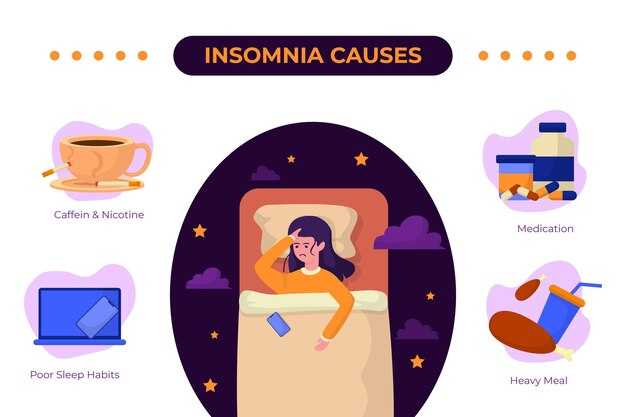 9 Daily Habits Throughout the Day for a Better Night’s Sleep">
 How to Be More Interesting – 10 Practical Ways to Boost Your Charisma">
 Migliori esercizi di respirazione per dormire – Tecniche per un riposo migliore">


