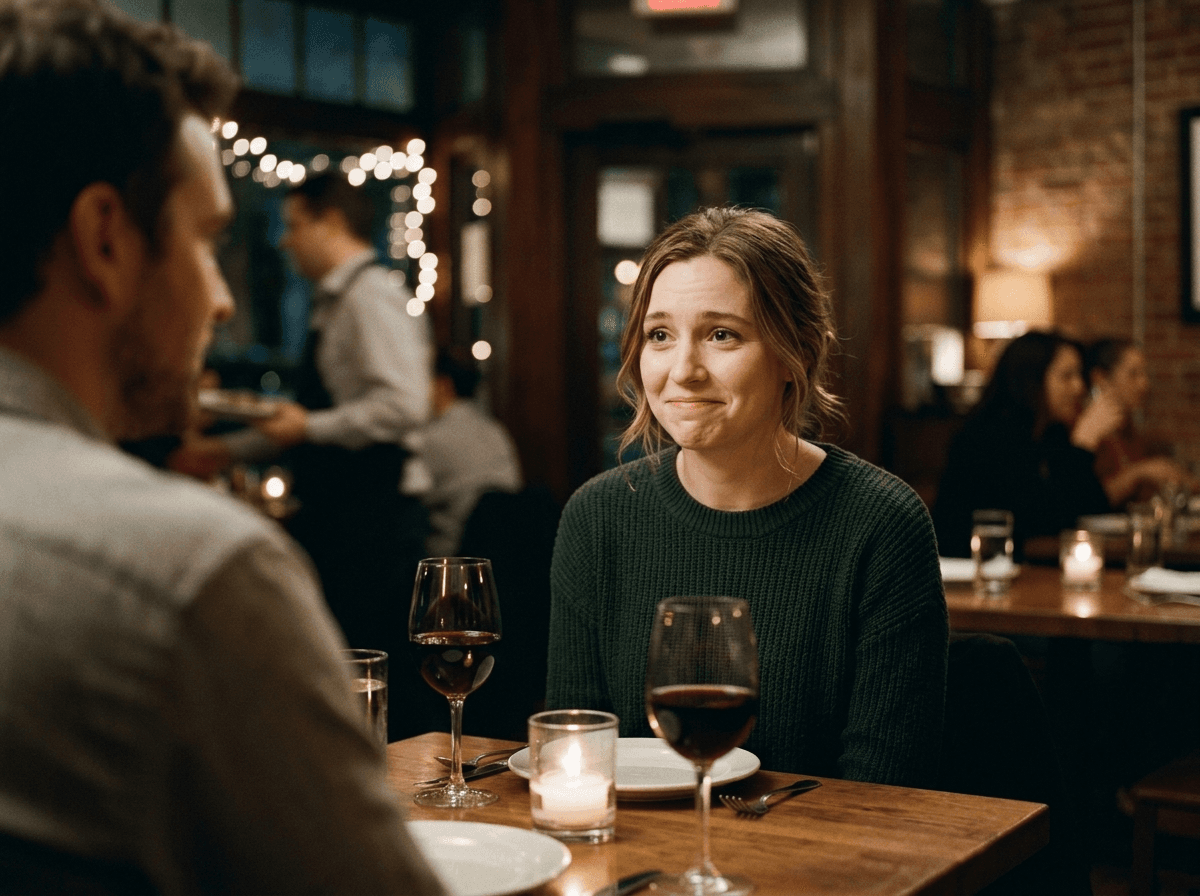
Heartbreak teaches a lesson that feels like wisdom: do not let this happen again. The impulse to close off, to build walls, to decide that love is not worth the cost — all of it arrives in the aftermath of loss with the authority of hard-won experience. For many people, that impulse wins. They stop allowing themselves to be truly vulnerable with another person. They protect themselves so thoroughly that the thing they are protecting against — loneliness, loss, pain — becomes the permanent condition rather than the occasional risk. Choosing to love again after heartbreak is not naive. It is one of the most courageous things a person can do.
Why Heartbreak Makes Closing Off Feel Like the Rational Choice
The mind is very good at drawing lessons from pain. When love has led to suffering, the brain files that experience as a threat and begins scanning for ways to prevent a repeat. Emotional withdrawal feels logical in that context. It feels like learning from experience.
What makes the logic compelling is that it works, in the short term. A person who does not allow themselves to love deeply does not get hurt as deeply. The walls keep the risk out. For a while, that trade-off feels worth making.
Over time, though, the cost becomes apparent. The same walls that keep hurt out also keep connection out. The person who has protected themselves from loving becomes someone who is safe but not fully alive to the possibilities that relationships carry. The mind that chose protection over love first begins to mistake that protection for peace. It is not peace. It is absence.
What It Actually Takes to Choose Love Again
Choosing to love again after real loss requires confronting a fear that is not abstract. The fear is grounded in lived experience. Something hurt you before, badly enough that you remember it. The person asking you to open up cannot guarantee it will not happen again. No one can. The choice to love is always made without a safety net.
That reality is exactly what makes the choice courageous rather than simply optimistic. Loving again is not a decision to ignore what happened before. It is a decision to accept that risk is part of what love requires — and to decide that the possibility of connection is worth carrying that risk anyway.
The courage involved is specific and practical. It means sharing something vulnerable with a new person before you are certain it is safe to do so. It means staying present in a relationship even when anxiety tells you to pull back, as well as tolerating the uncertainty of not knowing how things will go without resolving that uncertainty by shutting down.
None of that happens all at once. The choice to love again is not made once and then settled. It gets made repeatedly, in small moments, as a practice rather than a single decision. Each time you choose presence over protection, you are choosing love. Over time, those choices accumulate into something real.
The Difference Between Protecting Yourself and Closing Off
There is an important distinction between healthy self-protection and the kind of closing off that prevents love from taking root at all.
Healthy self-protection involves discernment. It means taking time before trusting, observing how a person behaves rather than simply accepting what they say, building trust gradually rather than surrendering it all at once. It means knowing your own limits and communicating them. This kind of protection is compatible with love. It actually supports it by creating conditions under which love can develop safely.
Closing off operates differently. It involves refusing to be known, pre-emptively withdrawing before vulnerability becomes necessary, and treating every person as a probable source of future hurt rather than a possible source of genuine connection. The mind that operates this way is not protecting itself wisely. It is preventing itself from having the experience it most needs.
The practical question worth sitting with is not "am I protecting myself?" — some degree of self-protection is healthy and necessary. The better question is "am I protecting myself in a way that still leaves room for love, or am I protecting myself in a way that makes love impossible?" The answer to that question determines whether protection is serving you or limiting you.
Loving Again Does Not Mean Forgetting What Happened
One of the misunderstandings that makes choosing to love again harder than it needs to be is the idea that opening up requires releasing the past entirely. It does not.
You do not have to pretend the previous loss did not happen. You do not have to arrive in a new relationship free of the feelings and memories that heartbreak left behind. Carrying those experiences into a new connection is not a deficiency — it is honesty. The person who chooses to love again after real pain is not the same person who loved first. They carry more. That depth of experience, brought to a relationship with self-awareness rather than projection, can make loving richer rather than more difficult.
What matters is the distinction between carrying the past and being governed by it. Bringing your history to a new relationship — knowing what you have learned, what you need, what you will not accept again — is useful. Treating every new person as if they are the one who hurt you before is not. The first is self-knowledge. The second is a way of remaining in the old relationship while pretending to start a new one.
Compassion for yourself is part of navigating this distinction. The part of you that is frightened of loving again developed that fear for good reasons. It deserves understanding, not contempt. At the same time, that fear does not get to make every decision. Recognising it, naming it, and then choosing to move forward anyway — with full awareness of what that choice involves — is precisely what courage looks like in this context.
What Choosing Love Says About Who You Are
There is something worth naming about the kind of person who chooses to love again after being genuinely hurt. That choice reflects a set of values that are not common.
It reflects a belief that connection matters enough to risk pain for. It reflects a refusal to let one experience, however devastating, determine every experience that follows.
The person who makes that choice is not unaware of the risks. They have felt them. They choose to love anyway, not because the risk has disappeared, but because the alternative — a life managed down to the point where nothing can hurt you — is a smaller life than the one they want to live.
The Love That Comes After Heartbreak
Love chosen after loss tends to carry a quality that first love, in its ease and innocence, cannot quite replicate. It is more deliberate. It comes from a person who knows what they are choosing and has decided it is worth choosing. That deliberateness does not diminish the feeling — it deepens it.
The person who opens their heart again after it has been broken is not starting over. They are starting forward — with everything they have learned, everything they have carried, and everything they have decided, in the end, is still worth reaching toward.
Love that arrives as a choice, made with full knowledge of the cost, is not lesser love. In many ways, it is the highest form of it. The courage it takes to choose love again is the same courage that love, at its best, always calls out of us.