English
  Russian
  French
  German
  Italian
  Spanish
  Polish
  Ukrainian
  Turkish
  Portuguese
  Greek
Greek  Arabic
  Korean
  Chinese
  Japanese
  Czech
Czech 

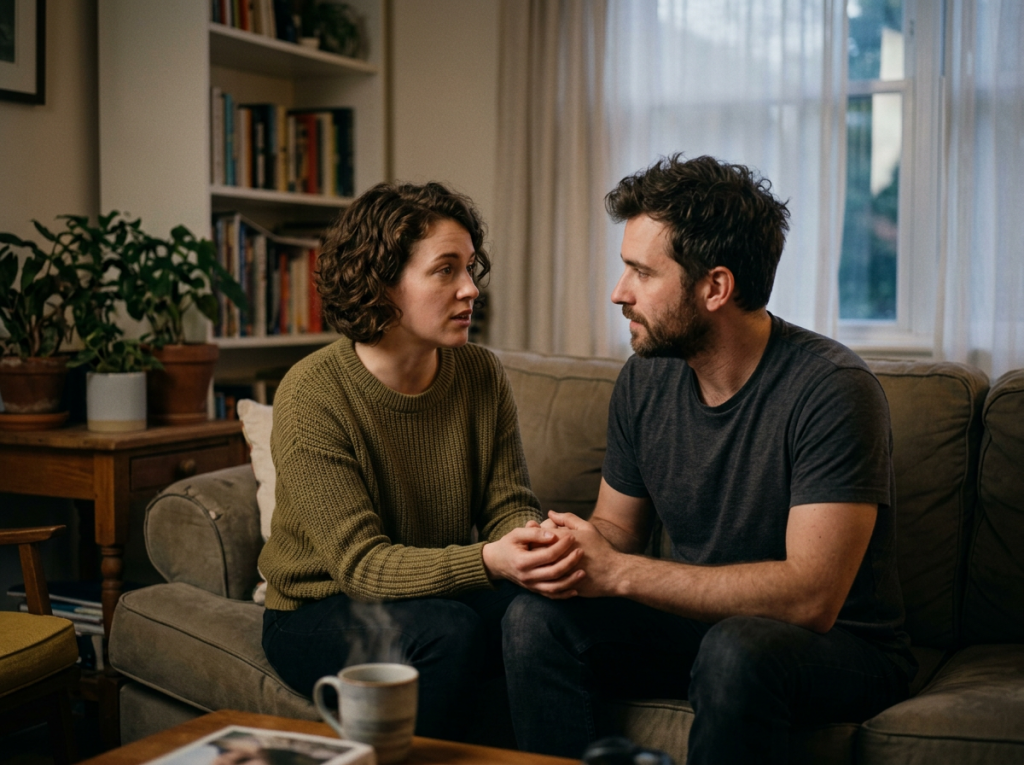
Fights are a natural part of any relationship. Even the healthiest couples experience conflict. What matters most is how you recover from a fight. Emotional hurt, misunderstandings, and disconnection can occur, but with intention and care, couples can navigate these challenges effectively.
Recovering from a fight is not just about making up — it involves reflection, empathy, and communication. How couples handle conflict shapes the resilience of their relationship. Whether the disagreement was big or small, taking steps to reconnect after disconnect ensures that both partners feel heard and valued.
This article explores practical ways to recover from a fight in a relationship, rebuild trust, and come back together stronger. From understanding why fights happen to strategies for reconciling, these steps help couples begin again with clarity and respect.
Why Fights Happen in Relationships
Of course, conflict is inevitable, it is a natural part of any relationships. Things such as differences in values, communication styles, or expectations can trigger fights. Life stress, work pressure, and external challenges often exacerbate tensions, causing arguments that might feel bigger than they really are.
Sometimes, a fight happens because one partner feels unheard or misunderstood. Emotional disconnect can lead to frustration, which may surface as anger or criticism. Other times, unresolved issues from the past resurface during a disagreement.
Understanding why a fight happens helps couples approach reconciliation thoughtfully. Recognizing that conflict is a normal part of relationships allows partners to focus on solutions instead of blame.
The Importance of Taking a Pause After the Fight
Immediately after a fight, emotions often run high. Attempting to resolve conflict in the heat of anger can lead to further hurt or miscommunication. Taking a pause allows both partners to cool down and reflect.
Pausing does not mean ignoring the issue. Instead, it creates space for self-reflection, emotional regulation, and perspective. During this time, you can examine your feelings, identify triggers, and consider what you want to communicate when you reconnect.
A short break after the fight prevents escalation and sets the stage for healthy resolution. Couples who learn to pause before responding often find it easier to come back together constructively.
Reflecting on Your Feelings and Needs
Before attempting to reconnect, it is important to understand your own feelings and needs. What emotions arose during the fight? Were you hurt, frustrated, or anxious? Identifying your emotional responses helps you communicate clearly.
Consider what needs were unmet during the conflict. Did you need support, understanding, or reassurance? By clarifying your feelings and needs, you can express yourself without blame, creating a safer environment for dialogue.
Reflection also allows couples to examine patterns. If similar fights happen repeatedly, recognizing triggers and dynamics can help prevent future conflict. Reflection is the first step in reconnecting after disconnect.
Communicating Effectively After the Fight
Communication is central to recovering from a fight. Once emotions have settled, partners should engage in honest and respectful dialogue.
Use “I” statements to express how you felt and what you need. For example, saying “I felt hurt when…” is more effective than accusing your partner. This approach reduces defensiveness and encourages understanding.
Active listening is equally important. When your partner shares their perspective, focus on understanding rather than preparing a rebuttal. Repeat back what you hear to ensure clarity and demonstrate genuine care.
Effective communication after a fight strengthens trust and makes future conflicts easier to navigate. Couples who prioritize open dialogue are better equipped to begin again after disagreement.
Taking Responsibility and Offering Apologies
Recovering from a fight often involves acknowledging mistakes. Taking responsibility for your role in the conflict fosters mutual respect and accountability.
A sincere apology can make a significant difference in healing. Avoid conditional or insincere statements. Instead, express genuine remorse for the actions or words that caused pain.
Apologies do not erase conflict but help rebuild emotional connection. When both partners take responsibility and offer apologies, it becomes easier to move forward and come back together after a fight.
Strategies to Reconnect After Disconnect
After a fight, couples may experience a sense of disconnect. Reconnecting involves intentional actions that restore emotional closeness and intimacy.
Some strategies include:
- Spending quality time together: Shared activities reinforce connection and remind partners of common interests.
- Physical touch: Simple gestures like holding hands or hugging convey care and reassurance.
- Positive reinforcement: Complimenting or expressing gratitude helps shift focus from conflict to appreciation.
- Shared reflection: Discuss lessons learned from the fight and how to prevent similar issues in the future.
These steps help couples repair emotional bonds and strengthen their relationship after tension.
Knowing When to Seek Help
Some fights may be recurring, intense, or leave lingering emotional damage. When conflicts escalate or become destructive, seeking support from a counselor or therapist is beneficial.
Professional guidance provides tools to navigate conflict, improve communication, and address deeper relationship challenges. Couples can learn to break negative cycles, resolve underlying issues, and maintain emotional health.
Seeking help does not indicate failure; it demonstrates commitment to the relationship and willingness to work together toward growth.
Making Up and Beginning Again
Making up after a fight is about more than saying sorry — it is about consciously choosing to begin again. Couples must commit to moving forward without holding grudges.
Re-establishing trust may require consistent behavior over time. Showing patience, empathy, and reliability reassures both partners that the relationship is safe and supportive.
Starting anew allows couples to learn from mistakes, strengthen communication, and create a healthier foundation. By approaching reconciliation as a shared goal, partners can transform conflict into growth.
Preventing Fights from Escalating in the Future
Recovering from a fight also involves proactive measures to reduce future conflicts.
- Establish clear communication norms: Discuss expectations about how to handle disagreements.
- Recognize triggers: Identify situations, behaviors, or topics that tend to provoke arguments.
- Practice empathy daily: Understanding your partner’s perspective prevents misunderstandings from becoming fights.
- Schedule regular check-ins: Conversations about feelings, needs, and concerns prevent resentment from building.
By implementing these practices, couples can navigate disagreements more effectively and minimize the emotional toll of conflict.
The Role of Emotional Intelligence in Recovery
Emotional intelligence is key to recovering from a fight. Recognizing your own emotions, regulating responses, and understanding your partner’s feelings enhances resolution.
Couples with high emotional intelligence tend to reconnect more quickly and experience less lingering resentment. They can begin again with insight, compassion, and mutual respect, reducing the likelihood of repeated conflicts.
Developing emotional intelligence requires practice, reflection, and openness to feedback. Over time, it strengthens the relationship’s resilience and capacity for healthy conflict resolution.
Conclusion: Healing and Growing After a Fight
Fights are inevitable in relationships, but they do not have to damage the bond between partners. How couples recover from a fight determines the long-term health and intimacy of the relationship.
By pausing after conflict, reflecting on feelings, communicating effectively, and taking responsibility, partners can reconnect after disconnect. Rebuilding emotional closeness, offering sincere apologies, and beginning again strengthens the relationship.
Recovering from a fight is an opportunity for growth, understanding, and emotional resilience. Couples who navigate conflict with care, empathy, and intention can turn disagreements into moments of learning and deeper connection.
Even when fights happen, relationships can thrive when both partners commit to communication, reflection, and mutual support. With these strategies, emotional pain becomes a pathway to stronger bonds and lasting trust.