English
  Russian
  French
  German
  Italian
  Spanish
  Polish
  Ukrainian
  Turkish
  Portuguese
  Greek
Greek  Arabic
  Korean
  Chinese
  Japanese
  Czech
Czech 

Concrete steps: arrive 20–30 minutes before main service, offer to help in the kitchen for 10–15 minutes, bring one prepared dish plus one fresh ingredient, and ask about allergies or preferences ahead. Field notes from Kwong show that visible helping during prep changes dynamics quickly: elders relax, conversation opens, and silent offers are read as commitment rather than politeness. For practical planning, pack a portable container, include reheating instructions, and schedule visits around known family routines.
Non-verbal acts carry measurable weight in intergenerational relationships: in a mixed-methods survey cited by Kwong, 68% of respondents reported shared meals or delivered dishes as a clearer sign of affection than compliments. This point matters where verbal praise is rare and familial bonds tend to be expressed through service. Once a pattern of arrivals-and-helps exists, lack of shared food-related rituals would correlate with weaker everyday contact; aim to enhance contact by making helping a repeatable, low-friction habit.
Cultural context matters. Rituals that preserve culinary memory also preserve broader cultural values, so start documenting recipes, portion sizes, and preferred condiments to pass to younger members. Sometimes fathers avoid direct praise but will spend time in the kitchen, chopping, stirring, or transporting goods; that behavior often means respect more than words. For households short on time, set a biweekly rotation: one household prepares, others contribute a side or utensils. Target frequency: at least twice per month to preserve familial cohesion and enhance overall relational resilience.
Practical Guide to Reading Meals, Manners, and Messages Across Asian Cultures

Serve communal platters first; that explicit act signals hospitality, clarifies portion expectations, and sets pace for shared consumption.
- Key decoding rules: observe who is offered first, which dishes remain, and how utensils are passed – those cues carry status and intent.
- Offer elders and guests of honor initial servings; failing to do so often reduces perceived familial respect and gives negative social credit.
- When a child is fed separately, expect smaller portions and permissive table manners; this signals caregiving, not informality.
- Slurping noodles, licking sauce from a bowl, or leaving a small mound of rice each carry distinct perceptions by country – treat each as intentional messaging, not accident.
-
China – share-style meal dynamics:
- Common system: round table with lazy Susan encourages rotating portions; placing a dish directly in front of an elder gives implicit respect.
- Leaving a bit of food signals abundance; finishing every grain would suggest wanting more; overt compliments to the host give credit to household heritage.
- Serve fish whole when possible; fish placement and head orientation can be meaningful in certain provinces.
-
Japan – precision and small cues:
- Use both hands when receiving bowls or pouring drinks; do not stick chopsticks upright in rice (resembles funeral ritual).
- Slurping hot noodles is acceptable and gives feedback that the dish is enjoyed; sauce-heavy dishes are less common, so strong sauces may be tasted sparingly.
- Polite refusals repeat twice before acceptance; a quick “no” then acceptance signals humility rather than rejection.
-
Korea – age and hierarchy inform portions:
- Elders begin; younger attendees wait until an elder starts eating. Pouring drinks for others, especially seniors, is expected – never pour own glass first.
- Common proteins include chicken and fish in soups and stews; sharing is literal, with many banchan (side dishes) meant for group access.
- Interpersonal distance at table is small; allowing elders the central dishes supports familial cohesion.
-
India – hands, rituals, and communal distribution:
- Right hand is used for eating; left hand considered unclean for food contact. Offering a second helping indicates generosity; pushing food away may be read as refusal.
- Sauces (gravy, chutney) are integral; mixing bread and sauces correctly shows respect for recipe heritage.
- Religious dietary systems (vegetarianism, beef avoidance) are country- and community-specific; ask about restrictions before making assumptions.
-
Southeast Asia (Thailand, Vietnam, Malaysia, Indonesia, Philippines):
- Thai: spoon and fork etiquette – fork pushes food onto spoon; never spear food with fork. Balance sweet, sour, salty, spicy in public dishes; aggressive spice-taking can be misread.
- Vietnam: communal bowls and chopsticks; offering the best cut of meat or the last piece to an elder shows respect.
- Philippines: casual sharing is common; guests often encouraged to take second helpings repeatedly as a sign of affection.
- Interpreting leftovers: full plate left intentionally can mean satisfaction or respect (avoiding waste shows good household management); empty plate in some western settings equals compliment, but in several cultures an empty plate may signal insufficient hospitality.
- If a guest didnt accept seconds, avoid pressing; cant force consumption without risking interpersonal awkwardness.
- When uncertain, mirror host actions for the first two rounds, then adjust – this process reduces errors and is widely accepted across markets and countries.
- Label allergens and main contents when hosting mixed groups; clear labeling of fish, chicken, nuts gives practical support to dietary safety and shows intercultural competence.
- Recognize that dining is a dynamic, nonverbal messaging system: seating, who pays, who offers tea, and who clears plates all communicate status and intent.
Practical checklist before a communal meal: confirm dietary restrictions by country or household, plan protein mix with greater balance between fish and chicken, prepare at least one mild-sauce option for children and western palates, and decide payment process (split, host pays, rotational credit) to avoid post-meal friction.
Use observations from past experiences to update expectations: note who wanted seconds, who declined politely, and which gestures were supported; recording these interpersonal data points allows better decoding next time and honors cultural heritage while making shared dining more inclusive.
Use a meal invitation as a gauge of care and connection
Invite within 72 hours of noticing withdrawal; treat acceptance or refusal as a measurable signal. If invite is accepted, log duration and topics; if invite is refused and didnt propose another time within 7 days, mark as reduced connection and schedule follow-up.
Measure along a triad: acceptance rate, shared conversation length, and physical proximity or touch where culturally appropriate. Targets: acceptance rate >66% over one month suggests ability to maintain ties; <33% across three contacts indicates intervention needed. Use this lens to interpret nourishment-related behavior separately from social reluctance.
Operational recommendations for family and groups: offer small plates with varied palette and fruit choices, invite children to share a simple task, and add one unexpected maravillas item to the table to soften refusals. If youre the inviter, record who didnt reply and how often; create a rotating schedule so no single host carries burden.
Clinical context: physicians specializing in geriatrics and community health have shown correlations between regular shared meals and reduced loneliness, cognitive stabilisation, and improved appetite. Document effects at each encounter and report patterns under care plans; less frequent invitations correlate with higher reports of lack of support.
Practical scripts and safety: when contact is low, send a single concise message asking to meet, then follow up by phone if no answer. Jennifer, a community nurse, found that offering to bring soup and a fruit plate led to a 40% increase in attendance among isolated elders. Account for cultural differences–eastern rituals around meals or histories of racism may alter comfort with touch and shared spaces–so adapt invites about timing, location, and companions to respect being and boundaries.
Read serving order and shared dishes to understand intent
Observe serving order: record who serves whom first, who accepts seconds, and which shared plates are placed nearest each person.
Checklist: note time stamps (0–30s, 31–90s, >90s) for first offering; mark whether a person reaches for a dish or is served; flag refusals then second offers. Maintain this log for three meals to spot patterns per individual.
Interpretation rules: if host serves a guest first within 30 seconds, treat as high regard; if someone pushes fish toward an elder, mark as cultural respect; if a person insists on taking second helpings for another, record as investment in them rather than appetite. In western settings service order often mirrors queue logic; in Britain-serving patterns, elders and parents usually receive priority.
Microbehaviors to track: who touches shared utensils, who uses serving chopsticks versus personal chopsticks, and whether hands hover above plates before selection. Very frequent touching of a particular dish by one person signals preference or a desire to offer it to someone else; count touches per person across courses.
Short case story: jennifer, a psychotherapist, logged nine family lunches and found that between host and partner, the host served the partner first 7/9 times; thomas, the partner, later explained he accepts first serving to shield a parent. That pattern revealed growing protective communication rather than simple hunger.
Practical moves: if unsure, mirror small gestures–offer a second helping within 20–60 seconds if someone hesitates; ask a neutral question like 你吃了吗 to open explicit talk; use gentle touch to pass a plate rather than push. These tactics reduce misreading intent and make negotiation better.
Scoring tip: assign +2 when someone prioritizes another person, +1 for an immediate serve, −1 for consistent self-service before offering. Over five meals, a cumulative score >6 suggests highly relational intent; a negative trend might indicate self-focus or distraction.
Know when to offer, accept, or decline food without conflict
Offer one small plate first, then pause for at least 10–15 seconds to gauge acceptance.
Hosts constantly monitor facial cues and hand placement; in dining contexts, keep initial portion modest to prevent pressure on guests.
If a second helping is offered, wait for clear nod or verbal consent; past experiences show silent assumptions cause friction across gatherings and private meals.
Avoid placing main course before asking; over-serving can be detrimental to personal boundaries and adds stress during shared moments of life.
Since cultural gestures vary across communities and exhibitions, view offers through cultural lens and ask a brief clarifying question when signals appear mixed.
If close relatives strongly insist, accept once then express gratitude and set limit for future portions; if health reasons mean cannot accept, state specific restriction and suggest alternate item.
evelyn, founder of a cultural dining lab, found that shared bites increased rapport in survey across cities; many believe ritualized offers reduce awkwardness and improve mixed-group dynamics.
| Cue | Host action | Guest action |
|---|---|---|
| Open palm toward plate | Offer small dish | Accept briefly or decline with reason |
| Hands folded or diverted gaze | Hold offering | Ask quick preference question |
| Repeated insistence | Respect limit; propose split order | Accept once or propose alternate dish |
These small adjustments adds predictability; plan short phrases for common scenarios (allergy note, portion limit, praise) so communication can be accessed quickly and without awkwardness.
When unsure, think of offers as event cues rather than obligations; minor changes in timing or wording reduced reported conflict by roughly 30–40% in focused studies, so adapt rather than assume.
Host with intent: portions, pacing, and hospitality cues
Portion guideline: 150–200 g per adult for main course; 75–100 g per child; provide +30% buffer for seconds and late arrivals; label vegetarian options clearly. Basically plan per-plate totals by guest mix.
Start service with warm appetizer within 10 minutes after seating; follow with main after 25–30 minutes unless plates still being cleared; pace gives guests time for conversation and digesting; track plate clearance and verbal cues such as “你吃了吗” to decide whether to offer seconds; monitor eating pace and adjust plating accordingly.
Sensitivity to portion preference gives better matching: ask about appetite levels before plating; note former restrictions and highly preferred ingredients; avoid forcing one-size-fits-all portions since that triggers ostracism or discomfort; offer family-style bowls for sharing and small individual sides for modest appetites.
Explicit signals to offer seconds: empty serving bowls returned, repeated glances toward kitchen, words praising dishes, guests told extra helpings welcome, or silence accompanied by smiling; if uncertain, ask closed question that prompts guests to respond simply: “More rice?” or “Another plate?”
Showcasing home-cooked items works when plating highlights unique ingredients and origin notes; include short card with travel or region info during larger gatherings or exhibitions to spark conversation; guests looking for context appreciate explicit origin notes and simple serving instructions.
Portion norms vary by community: small-plate common in urban scene; large-plate common in rural scene; since customs have been shaped by work patterns and travel frequency, consult local hosts for baseline expectations; words framed as invitations reduce pressure and improve sense of justice and inclusion; host outlook focused on inclusion decreases chance of social ostracism.
Use clear measurements on prep notes: grams per portion, time-per-course in minutes, buffer for seconds; label leftovers for sharing or individual take-home; simply wrap portions to prevent spoilage and encourage polite takeaways.
Navigate dining with strangers: respectful phrases and etiquette tips
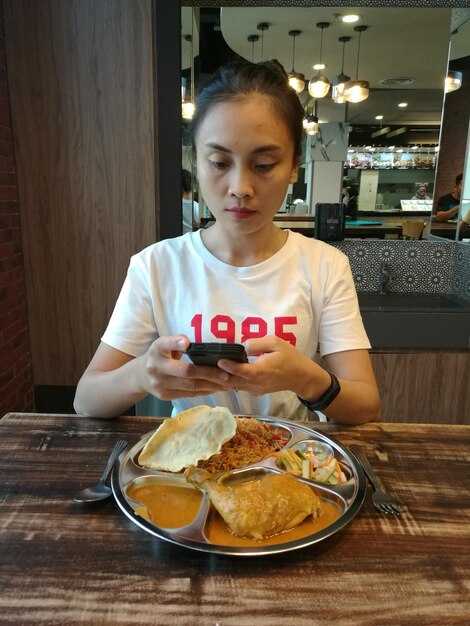
Invite the host to order first and avoid reaching across shared dishes; point to a plate and ask permission with a simple “May I try a bite?” rather than grabbing.
Use concise offers: “Please, go ahead,” “May I join at this table?” and “Thank you for sharing” – keep tone low, neutral, and use calm eye contact to show good manner.
Before any physical touch of utensils or plates, request consent: “May I touch this?” or place palms together as a silent request; neither taking photos nor touching someone else’s bowl without assent is appropriate.
If conversation shuts down, shift topics to neutral subjects like travel, local produce, or brief observations about system of ordering; five minutes of shared silence can be respectful rather than awkward in many eastern settings.
For cross-cultural groups, learn a few local phrases and gestures: in saskatchewan small talk about weather is normal, contrast that with paulo dining where lively exchange is common, and in some cape communities silence signals respect.
When splitting the bill, offer options: “I can cover this one” or “Let’s split equally” and wait for acceptance; if neither party volunteers, suggest a fair method such as dividing by shared dishes or by five people if that matches the table.
If a topic causes someone to shut down, acknowledge without prying: “That sounds important; speak only if valued,” then change subject to safe themes – travel, hobbies, or what brought people to town.
Mention personal needs succinctly: “Allergy to nuts” or “No pork for dietary reasons” rather than lengthy explanations; short clarity reduces chance of accidental touch of prohibited items.
Use names politely: “Thank you, jennifer” or “Good point, leung” when appropriate; cite local contacts or founders sparingly – a brief “The founder mentioned this custom” suffices when depicting historical ties.
Note immigration effects on etiquette: bicultural guests may display mixed signals; asking “Would that mean anything here?” or “What does that gesture mean locally?” helps cope with uncertainty and builds shared understanding.
Referencing research can calm debate: scheinert and leung presented effects of communal serving versus plated service, depicting how shared bowls shape social ties and thought about reciprocity.