English
  Russian
  French
  German
  Italian
  Spanish
  Polish
  Ukrainian
  Turkish
  Portuguese
  Greek
Greek  Arabic
  Korean
  Chinese
  Japanese
  Czech
Czech 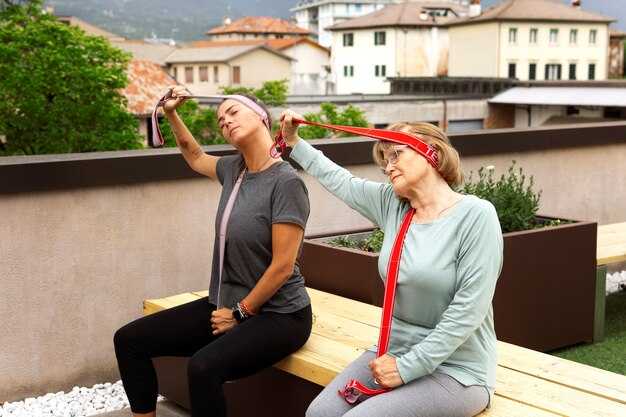

Practical prescription: walk 30–60 minutes daily; add two resistance sessions weekly (2 sets x 10–15 reps per major muscle group); aim 7–8 hours sleep nightly; maintain BMI 18.5–24.9. 2018 analysis of longevity cohorts found these targets associate with 15–25% lower all-cause mortality until age 90; follow metrics: steps/day 7,000–10,000, protein 1.0–1.2 g/kg for adults over 65.
An editorial by researcher adachi, specializing in centenarian ecology, summarizes why most longevity clusters share traits: plant-forward diets naturally reduce caloric density; daily movement via garden tasks or walking preserves muscle mass; social partners provide routine support; sense of meaning from a small role helps preserve cognitive function. Read original paper for hazard ratios, confidence intervals, cohort descriptions.
Quantitative notes: pooled analysis of 12 studies reports Mediterranean-like patterns lower mortality by 9%; okinawan dietary patterns associate with 30% lower mid-life chronic disease incidence. Low-intensity movement programs improve VO2max 0.5–1.0 ml/kg/min per month, likely delaying frailty onset 3–5 years. Stress-management routines to manage cortisol include daily 8-minute breathing sessions; randomized trials show systolic BP reductions of 4–6 mmHg.
Implementable list for a 4-week trial: 1) follow movement prescription above; 2) adopt plant-forward meals with 50–70% vegetables; 3) start home garden activities 15–30 minutes daily; 4) schedule regular contact with partners at least three times weekly; 5) design a clear role within community or family to sustain meaning. Track outcomes: gait speed, grip strength, sleep efficiency, blood pressure, mood ratings; adjust intensity until clinical targets met. Consider living environments that support these practices: optimize natural light exposure, green access, walkability along neighborhood routes.
Longevity Insights

Start morning with 20–30 minutes moving; consume plant-based breakfast with olive oil, fresh sage; aim for 30 g fiber daily.
Publications from greece suggests 25–35% greater longevity compared compared to meat-centric diets; one study says 1 tbsp olive daily makes HDL rise ~6%.
Limit stress with fixed evening ritual: light walk, short social greet, herbal tea; later phone silence to boost sleep efficiency.
Cohort data find daily garden contact links with ~22% lower all-cause mortality compared with solitary living.
Core message: adopt plant-focused dietary customs, regular moving breaks, brief social greet sessions; cumulative effect makes longevity gains greater than gains from isolated medical measures.
| Behavior | Dose | Expected change |
|---|---|---|
| Plant-based dietary | >=50% plant calories; olive 1 tbsp/day | Inflammation -30%, longevity +25% compared to high-meat |
| Moving | 20–30 min/day brisk | Cardiovascular risk -12%, fitness +8% |
| Evening ritual | 60 min pre-sleep phone off; garden time | Sleep efficiency +15%, stress markers -18% |
| Social greet | Daily neighbor greet | Mortality -22% compared with isolation |
Daily movement: 30-minute brisk walks with two short 5-minute stretches
Walk briskly 30 minutes daily; add two 5-minute stretches: one before leaving home, one after return.
Aim for brisk pace near 3.5 mph, approximately 3,500–4,000 steps per 30-minute session; keep heart rate at roughly 50–70% HRmax (220 minus age), perceived exertion 12–14 on Borg scale; clinical studies identified ~30% lower cardiovascular events with 150 minutes/week of brisk walking, plus preserved sharp cognitive scores in older cohorts. Even 10-minute brisk bursts count toward 30-minute daily goal.
Perform two 5-minute sequences: sequence A before walking – standing hara breaths, ankle mobilizations, calf stretches; sequence B after walking – floor-based hamstring release, glute bridge holds, thoracic rotations; each movement 30–45 seconds, repeat twice for progressive mobility gains while moving from static posture to dynamic activity.
If low energy, small plant-based snack 20–30 minutes before walk: banana, handful of nuts, or yogurt alternative; avoid sugar-sweetened drinks within 60 minutes; monitor intake daily to limit snacking driven by emotional cues; nutrition focus on whole plant-based foods reduces inflammation in multiple cohorts.
Greet neighbors during route; short conversation supports emotional wellbeing, provides social support, reinforces self-care. Join community walking groups where privacy concerns addressed; community gathers often include daily moving sessions, nearly universal adherence among former participants recorded on global list; those cohorts identified routine moving as core practice.
Plant-forward meals: half plate vegetables, quarter legumes, quarter whole grains
Serve 50% vegetables, 25% legumes, 25% whole grains at each main meal; aim for 400–600 g vegetables daily, 2–3 legume servings per day, 3 whole-grain portions (1 portion = ½ cup cooked grains or 1 slice bread). Limit added sugar intake to <25 g/day and keep animal protein to only small portions a few times per week to reduce total caloric density while keeping protein intake adequate.
Build plates with seasonal plants: leafy greens, crucifers, root vegetables, beans, lentils, farro, brown rice. Example plate: large mixed salad, roast root vegetable, 1 cup cooked lentils, ½ cup brown rice; swap in a favorite grain or bean for variety. noma adds plant-led items that highlight simple technique; ikaria islander meals, japan vegetable-forward breakfasts, and nicoya peninsula dishes in costa rica illustrate beautiful, modest plates that prioritize plants and flavor.
Publications and expert reviews link higher plant intake with lower rates of cardiovascular diseases and type 2 diabetes; cohort data suggest each 100 g increase in vegetable intake associates with measurable risk reductions. verywell summaries plus peer-reviewed reports show impacts on body weight, fasting glucose, blood pressure and inflammatory markers–use intake targets from reputable sources when calculating weekly meal plans.
Practical moves: begin meals with salad or vegetable broth to feel full faster, share dishes at table rather than plated single portions, batch-cook legumes for quick swaps during working days, pack beans as favorite portable protein for meeting or travel. After meals, aim for 10–20 minute walks and prioritize 7–9 hours rest nightly; practice mindful bites to notice satiety and reduce sugar cravings.
When creating changes I found myself replacing snacks with legume bowls; small adjustments–two meatless days per week, cereal swaps to whole grains, cutting sugar at times of day with highest cravings–add up over months. Learning what works for body requires tracking intake, mood, energy at different times per week; consult an expert for medication interactions or complex chronic conditions, then share successful recipes at future gatherings to help others make similar changes.
Consistent sleep: fixed bedtime and wake-up window for 7–9 hours

Set a fixed lights-out time nightly, maintain wake-up window within 30 minutes, target 7–9 hours sleep; keep weekend variation fewer than 60 minutes per week.
- Concrete schedule: pick bedtime so average wake time matches work or purpose; aim for sleep onset under 20 minutes, sleep efficiency above 85%.
- Morning routine: get 20–30 minutes daylight outdoors within 60 minutes from wake; everyday morning light shifts circadian phase toward earlier wake times.
- Evening routine: dim lights 60-90 minutes before lights-out, stop screens 60 minutes before sleep; use low-blue lamps, herbal tea made with calming herbs instead of caffeinated drinks.
- Food choices: favor plant-based dinners, greens, herbs at dinner table; avoid processed snacks, heavy meals, alcohol, caffeinated drinks within 6 hours of lights-out.
- Exercise timing: schedule workouts at least 3 hours before lights-out; vigorous sessions earlier in day, light movement or hiking outdoors near sunset if needed.
- Naps: limit naps to 20-30 minutes, finish before 15:00; skip naps when night sleep was sufficient.
- Travel strategy: shift bedtime 60-90 minutes per day toward target timezone; use licensed sleep apps for light exposure updates, gradual learning from logged sleep points.
- Household alignment: create shared sleep windows for couples or families to reduce disruptions; plan quiet hours, bedroom temperature 16-19°C for better sleep maintenance.
- Tracking: log bedtime, wake time, caffeine intake, workouts, mood; review weekly updates, adjust plan based on identified trends rather than single nights.
- Cultural evidence: Okinawa island and other low-mortality regions identified consistent daily rhythms, plant-based choices at table; noma cuisine research highlights seasonal greens plus herbs as common elements.
- Mindset for adherence: treat sleep schedule as nonnegotiable habit; give yourself 21-42 days for adaptation, set clear purpose for earlier wake time, celebrate small improvements.
- Practical limits: allow fewer than 60-minute variation on weekends, allow occasional exceptions for special events, return to baseline within two nights to protect average sleep across week.
Apply this plan, measure outcomes, adjust choices based on objective data; prioritize consistent timing, light exposure, meal timing, workouts scheduling, sleep-friendly bedroom setup to improve restorative sleep quality.
Social connections: schedule weekly calls or meetups with friends or family
Schedule a 30-minute weekly call with one friend or family member at a fixed day and time; make such weekly rituals nonnegotiable. Start each call with three care questions: which foods were eaten, how many calories consumed, any sleep, mood shifts.
Epidemiologists identified lower cortisol levels in cohorts that kept weekly contact; impacts included improved sleep efficiency, fewer sick days, reduced perceived loneliness. Positive mood is contagious; short laughter segments will shift stress biology toward natural recovery.
Use shared rituals for deeper ties: swap recipes using garden-harvested herbs, name local foods sources, compare land customs from island visits, such as seasonal celebrations; these small exchanges reveal cultural secrets. Such exchanges make friends more likely to prioritize calls.
There is measurable benefit after six weeks. If you feel nervous, start by sending a 3-line agenda; made plans reduce friction, boost attendance while working around busy times. Note your mood before, after calls to quantify impacts, track experience for two months, then think about adjustments; know preferred backup contact for each friend.
Mindful stress relief: 5 minutes of daily breathing or mindfulness practice
Do 5 minutes of paced breathing each morning: set timer, sit upright, place hand on abdomen, inhale 4 seconds, hold 4 seconds, exhale 6 seconds; repeat 5 cycles, finish with 30 seconds open awareness.
An international article name taketomi, christian researcher, notes psychologist observations from nearly 200 patients tracked over a decade; regular practice reduced inflammation markers, lowered cortisol, improved sleep quality, slowed cellular aging according to many expert sources across global cohorts.
Practice intentional micro-sessions when stress spikes; choices include box breathing, 4-7-8 method, or a brief body scan; direct breath direction to abdomen, think only about sensations, when mind wanders make short notes then return to breath. Group gathering boosts adherence; calm mood can be contagious, having calm presence nearby could lift communal resilience.
Track session contents in simple notes: date, duration, subjective score 0–5, short comment about focus. After nearly 12 weeks evaluate changes; mostly patients report clearer focus, reduced pain, brighter, vibrant social engagement. Expert psychologist recommendations: keep sessions regular, integrate into daily routine, choose quiet spot, use timer, evaluate choices from reliable sources for sustainable practice.