

 Arabic
  English
  Russian
  French
  German
  Italian
  Spanish
  Polish
  Ukrainian
  Turkish
  Portuguese
  Greek
Greek  Korean
  Chinese
  Japanese
  Czech
Czech 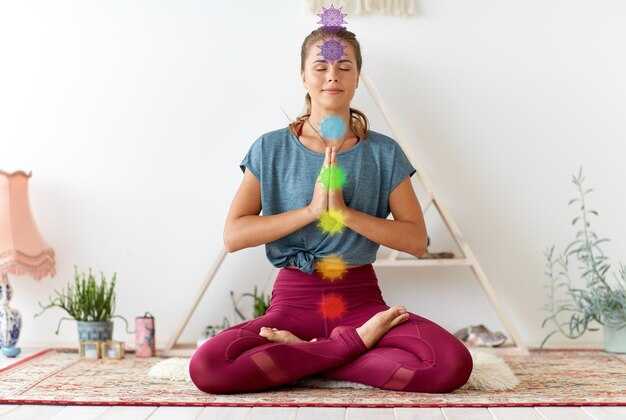 What Are the 7 Chakras and What Do They Mean? Complete Guide">

Memorize the seven chakras’ names, locations and one concrete balancing technique; practice 10–20 minutes daily at home and frequently check breath and posture to speed results. Use a timer, sit with a straight spine, breathe deeply for 4–6 seconds in and 4–6 seconds out, and track sensations in a notebook so you can measure change week to week.
Use this compact reference – names in sanskrit, primary location, color, core function, and one quick practice: Root (Muladhara): base of spine, red, grounding – hold standing squat for 1–2 minutes; Sacral (Svadhisthana): lower abdomen, orange, creativity/receiving – pelvic mobilization for 2–3 minutes; Solar Plexus (Manipura): upper abdomen, yellow, personal power – 5 rounds of kapalabhati or dynamic core holds; Heart (Anahata): sternum, green, relationship/balance – 3 minutes of loving-kindness phrases; Throat (Vishuddha): throat, blue, communication/listening – hum or sing for 2–5 minutes (use music at ~60–80 BPM); Third Eye (Ajna): between brows, indigo, intuition/self-awareness – soft-focus meditation 3–5 minutes; Crown (Sahasrara): top of head, violet/white, connection – 5 minutes silent awareness. Allocate 2–5 minutes per chakra in daily practice, or concentrate longer on one that feels blocked.
Detect imbalance with specific signs: someone with a blocked Root often feels anxious when standing, Sacral issues show as low libido or stiffness, Solar Plexus problems appear as low confidence or digestive complaints, Heart imbalance registers as withdrawal or over-giving, Throat issues show as inhibited expression, Third Eye fatigue causes mental fog, Crown disconnect produces apathy. Notice patterns in sleep, appetite, digestion and emotional reactivity; record when symptoms are first noticed and correlate with life events to increase self-awareness.
Apply simple assessment and repair tools: create a 15–30 minute daily circuit – 5 minutes of breath to center your energy field, 5–10 minutes of targeted movement for spine flexibility, 5–10 minutes of focused listening or chanting for the throat and crown. Use measured sound frequencies if you use music (396–963 Hz range mapped to chakras is common); test what helps you feel calmer and keep that selection. Seek medical information for persistent physical symptoms and consult a licensed practitioner if emotional patterns remain severe.
Practice with a small circle of peers or alone; teach someone one technique you find effective and compare responses after two weeks. Track objective metrics – sleep duration, stress scale 1–10, and ability to receive feedback – to quantify balance improvements. Maintain curiosity, log results, and adjust techniques every 7–14 days based on what you have noticed most deeply in your body and mind.
Root Chakra – Muladhara: Grounding and Safety
Stand barefoot for five minutes each morning to activate Muladhara: place feet hip-width, press heels into the floor, inhale gently through the nostril you favor, exhale while imagining a warm red light at the base of the spine and feel your weight completely supported.
The chakra concept originated in classical Tantric sources; in Sanskrit mula means “root” and adhara means “base” or “support,” so Muladhara points to the origin of physical and emotional stability in the lower body. Many people notice blocks in this area as tight hips, low-energy, anxious thoughts, or a sense of stagnation that keeps practical needs unmet.
- Daily grounding routine (5–10 minutes): stand with a wide stance, bend knees slightly, press through heels, lift the pelvic floor lightly, and repeat a slow cycle of 4-count inhale / 6-count exhale to calm the nervous system.
- Breath cue for stability: alternate calm nostril breathing only if comfortable; otherwise use even bilateral nasal breaths. Counted breathing reduces scattered thoughts and releases tension in the lower spine.
- Movement practice: three sets of 10 slow squats or Malasana-like holds increase blood flow to the root center and help release physical blocks.
- Somatic check-ins: place both hands at the tailbone for one minute and note sensations – temperature, pressure, or numbness indicate areas that need focused work.
- Nutritional and herbal support: warming, grounding foods (root vegetables, protein) and time-tested herbs used as supportive medicine can help when paired with bodywork; consult a clinician for dosing.
- Psychosocial action: address practical disparities in housing, income, or safety; their direct impact on Muladhara manifests as chronic hypervigilance or shutdown, so take concrete steps (budgeting, local resources, community support) to secure basics.
- Energy-release technique: lie on your back, draw knees into the chest for 30–60 seconds, then extend legs and visualize red light moving down from the sacrum to the feet to release stuck energy.
Measure progress: record baseline symptoms (sleep quality, appetite, lower-back tension) and re-check every two weeks. If stagnation persists despite daily practices, consult a therapist or bodyworker who can work with breath, movement, and trauma-informed methods to help you release deeper blocks.
Use this practical approach consistently – small daily steps take root over time and create a wide, supported sense of safety so that much of your energy can move upward rather than remain fixed at the origin of imbalance.
How to spot root chakra blockage in everyday routines?
Ground immediately: stand barefoot for 10 minutes each morning, take 8 slow diaphragmatic breaths, then do three sets of 10 shallow squats – this concrete routine reveals whether youre physically rooted or stuck.
Watch physical signals: persistent lower-back tension, cold feet, digestive irregularity, unexplained fatigue and frequent colds show where energy isn’t flowing. If a problem wasnt present before a life change, note that timeline; sudden onset after a move or job shift often points to root imbalance. An overactive root can appear as stubborn rigidity, while a blocked root feels lethargic and immobilized.
Track behavioral patterns: avoidance of bills, delaying appointments, hoarding objects, or an inability to commit to everyday purposes signals instability. Some people report decision paralysis or repeated safety worries; others swing into hyper-control. Observe whether actions come in anxious bursts or steady waves – the pattern helps identify whether the issue is chronic or situational.
Use short tests and tools: a 30-second single-leg stand, a 3-minute grounding meditation that focuses on pelvic weight, and a daily 3-item gratitude list. The single-leg test assesses balance and root-motor control; the meditation focuses attention downwards and helps you notice tension; gratitude shifts nervous-system bias toward safety and expands tolerance for uncertainty. Record results for two weeks to spot trends.
Apply targeted micro-practices: walk barefoot 10 minutes, place one palm on lower belly and breathe gently for five minutes, perform slow hip-opening movements and three standing squats before breakfast. These actions improve somatic feedback and help energy flow rather than forcing change. If physical patterns persist after consistent practice, consult experienced practitioners – bodyworkers, trauma-informed therapists or somatic movement guides – because manual therapy or focused work often helps where self-practice wasnt enough.
Monitor outcomes with practical metrics: energy levels at 11 a.m., number of postponed tasks per week, and consistency of sleep onset. If most metrics improve within 14 days, continue the routine; if you remain stuck or symptoms shift toward the chest or heart region, expand support and consider guided sessions. Use this simple set of tests as a daily tool for measuring root well-being and restoring healthy flow.
Five-minute grounding practices you can do at your desk
Close your eyes, sit tall with feet flat, and breathe a 4-6-8 cycle for 60 seconds: inhale 4 seconds, hold 6, exhale 8 while keeping the spine aligned; this immediately lowers heart rate and centers attention.
| Exercise | الوقت | How to do it | Immediate effect |
|---|---|---|---|
| Breath Anchor (4-6-8) | 60s | Eyes closed, count quietly, breathe through nose, lengthen exhale. | Calms nervous system, brings depth to awareness. |
| Spine Reset + Micro-stretches | 60s | Sit tall, inhale lift chest, exhale tuck pelvis; 6 slow cycles; roll shoulders once and release. | Restores physical alignment and reduces stiffness. |
| Nadi Balancing (alternate nostril) | 60s | Close right nostril with thumb, inhale left, switch, exhale right; repeat steady rhythm. | Balances left/right energy, felt as clearer breathing and steadier focus. |
| Grounding Touch | 30s | Press palms together at heart, feel pressure, then place hands on desk and press down. | Creates a physical anchor and reduces emotional spinning. |
| Micro Goal + Affirmation | 30s | Choose one specific next step, state it aloud once, breathe in confidence for three slow cycles. | Increases willpower and converts calm into action. |
Apply a simple technique if you cant clear space: timebox five minutes on your phone and follow the table sequence. Use a visible timer as one of the tools; it prevents meta-worry about time and would help you complete the routine without checking the clock.
When you perform the spine reset, consider the alignment cues: sit midway on the chair, knees at 90°, shoulders relaxed, chin slightly tucked. Those small adjustments change how breath flows and make the breath anchor feel deeper, not just theoretical breathing but physically effective.
For nadi balancing, keep cycles even and slow; many have believed this clears subtle channels and you will notice breathing more symmetrical within 30–60 seconds. Dont rush the switches; precision matters more than speed.
Use the grounding touch to translate internal calm into physical sensation: press down through palms, feel contact with the desk, then release–this links emotional steadiness to a physical anchor so anxiety is felt less intensely.
Finish with the micro goal: state an action you can complete in 10–15 minutes. That converts the felt calm into momentum and builds confident follow-through. Repeat this sequence two to three times per workday for cumulative effects on focus and emotional regulation.
Foods and spices that support root stability and digestion
Start your morning by taking 1 teaspoon ghee melted into warm water with ½ teaspoon grated ginger and a pinch of turmeric plus black pepper; this combination grounds the base, stimulates digestive enzymes, supports manipura energy and can enhance morning energy–expect to learn sensitivity to doses within 3–7 days.
Add these spices to daily cooking: ¼–½ teaspoon turmeric with a pinch of black pepper (curcumin uptake increases with fat and piperine), 1 teaspoon roasted cumin and coriander after meals, 1 teaspoon fennel seeds chewed to move trapped gas, and a crushed cardamom pod for breath; the smell at the nose stimulates digestive nerve reflexes and this effect is understood to involve vagal stimulation.
Choose whole foods: 1–2 cups cooked root vegetables (beet, carrot, sweet potato) that grew locally, 20–30 g protein per meal from lentils, fish or poultry, and 25–30 g fiber daily from legumes and whole grains; add 1–3 tablespoons fermented food or 1 cup bone broth to keep intestinal fluid balance–reduced bloating and steadier energy are often felt within a week.
Respect contraindications: speaking with your clinician reduces risk–turmeric in high doses and concentrated garlic can interact with anticoagulants; licorice and large amounts of stimulatory herbs can raise blood pressure or worsen anxiety, so consider avoiding them if you have hypertension or heightened anxiety; rather use culinary doses (¼–½ teaspoon) and learn how your body responds. Traditional families learned combinations by trial and many recipes have an eastern origin and sacred meaning.
Practical micro-routines: chew 1 teaspoon fennel after heavy meals, sip a cumin–coriander–fennel tea (1 teaspoon seeds per cup, steep 10 minutes) before bed to help move stool the next morning, and stir 1 tablespoon ghee into porridge to enhance curcumin absorption. If sexual side effects, nerve tingling or unexpected symptoms are felt, stop and consult; the gut learns patterns quickly and the body often learns to digest more smoothly with consistent small adjustments.
Practical wardrobe and color choices to feel more rooted
Wear a grounded palette: choose deep brown #5B3A29 (60%), brick red #8B2E2E (30%), and charcoal #222222 (10%) as your base ratios. Use matte fabrics only; shiny finishes reflect light away from the body and reduce the sense of weight and contact with the ground.
Pick fabrics that contact the skin: heavyweight cotton, boiled wool, suede and canvas give sensory feedback that helps posture. Select flat or low-heel shoes (0–2 cm) with a broad sole and a textured tread to stabilize ankles and promote a strong foot-to-floor connection during standing poses and everyday movement.
Use accessories as anchors: a leather belt worn across the pelvis acts as a physical metaphor for grounding; a pocket stone such as hematite or red jasper gives a discreet tactile cue when you need it. Jewelry should be matte and weighted rather than dangly; a short, heavy necklace or cuff moves toward containment rather than distraction.
Address color meaning with a simple rule: choose at least one earth tone (brown, ochre, muted terracotta) as your central piece, pair it with a dark neutral for contrast, and add one warm accent to signal vitality. This 3-part system aligns with 5-phase concepts where earth stabilizes the cycle and connects to the human nervous system through predictable visual cues.
For specific outfits: work – charcoal trousers + brown shearling jacket + brick-red scarf; casual – canvas chore coat + deep brown tee + low-sole boots; yoga – heavyweight cotton leggings + loose, earth-toned top to support Tadasana and Warrior poses without fabric slipping. These combinations make you feel physically anchored and visually coherent.
Avoid washed-out corpse-gray and pale, desaturated tones that flatten contrast and make posture less readable; such palettes are likely to reduce feelings of presence. Instead, choose saturation levels that keep facial features and hands defined against clothing.
Texture choices involve touch frequency: wear at least one item per outfit you can touch during the day (pocket edge, cuff, stone) so youre reminded to ground yourself. If youre layering, place heavier textures closest to the body and lighter ones outside to create a felt weight toward the center.
If you need guidance beyond basics, ask a somatic therapist or clothing therapist who understands body-centered work; a professional explains how fabric, cut and color interact with trauma responses and posture. Practical experiments shown to increase grounded feelings include a two-week trial of the 60/30/10 palette and daily contact with a pocket stone.
Respect someones cultural color codes and personal boundaries when suggesting garments. The wardrobe choices listed here treat grounding as holistic and interconnected with movement, touch and visual meaning, supporting a more content, strong and present human experience.
Sacral Chakra – Svadhisthana: Creativity and Pleasure

Start a five-minute pelvic breathing practice each morning to stimulate Svadhisthana: sit upright, inhale for 4 counts into the lower belly, exhale for 6 while consciously releasing tension; track time and immediate mood to build self-awareness.
Add a short routine: three hip circles, 10 pelvic tilts, then five minutes of freewriting to prime creative output – this sequence supports pleasure, sexual energy, and creative function while building momentum for longer practice.
Use a smooth carnelian stone on the lower abdomen for 10 minutes after the breathing set; carnelian is commonly used to enhance creative drive and can help release blocked feeling. Please avoid placing a stone on open skin wounds.
Checking information from reliable sources suggests the sacral chakra’s function links emotion, desire and fluidity; its energetic center sits below the heart and above the pelvis, so focus on lower-abdominal sensations rather than upper-chest imagery.
Respect physical boundaries: ask permission before working with someone else and honor someones pace. If you feel spiritual alone, schedule short group classes or a single session with a teacher instead of isolating practice.
Bring the pelvis a bit to the front while sitting and avoid slouch; avoiding collapsed posture keeps the pelvic floor responsive and improves blood flow to the lower abdomen.
Choose precise words for intention-setting: write a one-line prompt and use a simple mnemonic such as FLOW – Feel, Listen, Open, Work – to recall the sequence quickly. I tell myself the prompt before each set to stay present and track progress.
Allocate consistent, measurable blocks: spend 10 minutes daily for two weeks, record creative tasks completed and mood shifts, then review entries marked “verywell” for high-energy days; adjust the routine based on that information.
How to recognize low sacral energy affecting creativity or libido
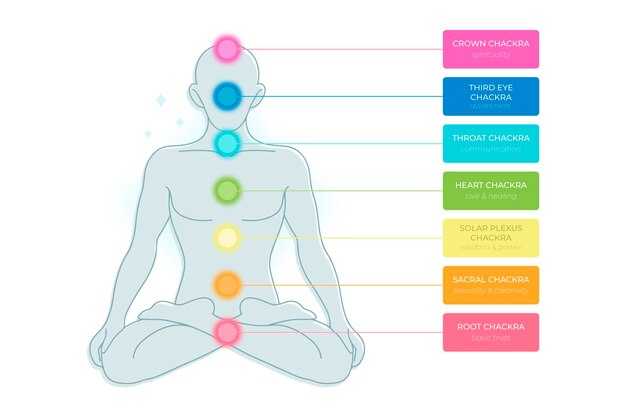
Do a 5‑minute daily hip‑opening exercise focused on pelvic mobility and lower‑belly breath: sit upright, inhale to expand the lower abdomen, exhale while tilting the pelvis forward and back for 10 repetitions, then perform 10 slow hip circles each direction; simply finish with three deep belly breaths to release tension in the nadi that serves the sacral area.
Track concrete signs over four weeks: creative output that drops below a single 30‑minute session per week, prolonged lack of sexual desire, emotional flatness or shallow emotional responses, fewer erotic fantasies than you recall from six months ago, and physical complaints such as lower back tightness or pelvic tension. Use specific words in a two‑column log (creative tasks / sexual desire) to map patterns and notice where your thoughts shift away from pleasure or play.
Use simple metrics and reliable tools for finding change: time spent on creative work (minutes/week), number of intimate interactions initiated, and a standard questionnaire such as the Sexual Desire Inventory for a baseline. If you routinely spend under 30 minutes on creative practice and were reporting low desire for three consecutive weeks, treat that as a particular signal to act rather than ignore it.
Apply targeted practices that address both physiology and psyche: pelvic tilts, guided lower‑abdomen breath for 5–10 minutes, somatic writing that prompts sensual memory using precise sensory words, and fluid movement sequences that open the pelvis. Offer a single short routine to guests or close friends in a workshop to compare responses; group feedback can reveal uncommon patterns you miss yourself.
Combine practical steps with reflective work: schedule two 20‑minute sessions weekly that mix movement, creative play, and journaling to coax inner curiosity and release blocked energy. Respect forms of spirituality that feel reliable for you – whether focused breathwork, nadi‑oriented pranayama, or contemplative practice – and integrate them into a consistent routine to restore body wisdom and practical wellness.
If symptoms persist despite these specific interventions, consult a pelvic health specialist or a licensed therapist experienced with sexuality and somatic methods; professional assessment will help distinguish muscular or medical causes from energetic imbalance and guide precise next steps.
 Love Addiction – Definition, Types, Causes & Treatment Guide">
 Breaking the Cycle – How Burnout & Perfectionism Undermine High Achievement">
 What Are the 5 Neurodivergent Love Languages? Guide & Examples">
 Why Everything Makes Me Sad – Causes & How to Cope">
 How to Make Your Partner Feel Special – 15 Simple Romantic Tips">
 Being Labelled a Highly Sensitive Person – Empowering at First, Then Limiting">
 Why Can’t I Remember My Childhood? Therapist Explains Causes">
 5 Proven Tips to Reconnect When You’re Growing Apart in a Relationship">
 Flying Monkeys & Narcissism – Meaning, Examples & How to Respond">
 Five Healthy Habits to Build in Your 20s and 30s">


