

 Arabic
  English
  Russian
  French
  German
  Italian
  Spanish
  Polish
  Ukrainian
  Turkish
  Portuguese
  Greek
Greek  Korean
  Chinese
  Japanese
  Czech
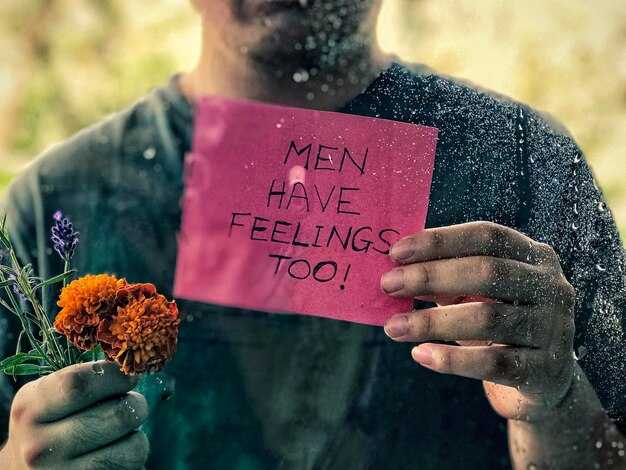
Czech  Toxic Masculinity – Meaning, Origins & Is the Term Useful or Harmful?">

Recommendation: Move from labels to measurable actions: require curricular modules in schools, record and audit incidents tied to masculine norms, and fund academic evaluations of interventions. The phrase doesnt replace concrete rules–measure bias in hiring, violence statistics, and mental-health referrals, then set targets and timelines. Make accountability plain, and encourage men to reflect on how norms shape himself and others without shaming individuals for identities they were raised into.
Origins of the term trace to multiple sources: victorian gender prescriptions, biblical readings that were interpreted to valorize stoicism, and 20th-century clinical work linking rigid ideals to aggression. Early socialization matters–boys first absorb ideas at home and in schools–so prevention requires curriculum changes, teacher training, and parent guidance. Research in academic journals links restrictive norms to higher suicide risk and reduced help-seeking; use those findings to design age-appropriate, measurable programs for adolescents and adult learners.
Assessing usefulness: the term is meant to highlight patterns of behaviour that harm others and limit emotional range, not to condemn all masculine expression. Policy makers shouldnt confuse critique with contempt; label misuse makes the term counterproductive. Practical steps: adopt plain definitions in codes of conduct, teach emotional literacy, monitor outcomes, and collect opinion surveys that track attitude change over time. When professionals focus on specific behaviors–bullying, suppression of vulnerability, and coercive control–interventions become easier to implement and evaluate.
Implementation recommendations: pilot modules in five districts, train 200 teachers per district, and run pre/post assessments on aggression and help-seeking in a six-month window. Encourage adults to model emotionally available responses so a young man can reframe his mind about strength. Keep metrics public, revise interventions based on data, and remember that terms were made to guide change; if a term silences dialogue, adjust the language but preserve the goal of reducing harm.
Practical roadmap for understanding and addressing the concept

Conduct a baseline audit of behaviors, language and policies within four weeks: log incidents where masculinity is tied to domination, male-only norms, physical aggression or exclusion, and note who was affected and how.
-
Measure prevalence with mixed methods.
- Deploy a short validated scale (e.g., CMNI-22) plus 6 bespoke items about workplace/home norms; collect responses anonymously over two weeks.
- Disaggregate results by gender, age and ethnicity to identify clusters where narrow thinking concentrates.
- Track baseline metrics: percent endorsing hostile attitudes, percent reporting fear of being vulnerable, and number of male-only gatherings with exclusionary rules.
-
Gather qualitative evidence.
- Run 60–90 minute focus groups with separate and mixed groups; ensure a facilitator who can hold space for participants to be vulnerable.
- Use concrete prompts: “Describe a time you felt pressured to act in a way that later showed harm” and “Who modeled accepted behavior before you entered this environment?”
- Document quotes and timelines; flag any patterns of hatred, harassment or unfair treatment.
-
Map structural drivers.
- Audit policies for patriarchal language and privileges that reward domination (promotion criteria, rewards for physical bravado, male-only committees).
- Replace gendered terms, remove unnecessary male-only restrictions, and require transparency in selection decisions that previously looked arbitrary or unfair.
-
Intervene with targeted training and practice.
- Offer short skill sessions (90 minutes) on bystander intervention, nonjudgmental feedback and emotional regulation; pair instruction with role-play that avoids shaming.
- Teach alternative models of masculinity that show responsibility, care and accountability rather than domination.
-
Provide scripts and escalation paths.
- Give staff concise language to confront behavior: name the action, state the impact, request change (“When you did X I felt Y; please stop”).
- Set clear escalation: coaching → formal warning → restorative meeting → disciplinary action if aimed at repeated harm.
- Avoid blanket moralizing; call specific actions wrong where they violate safety or dignity, not a person’s identity.
-
Support those affected and those willing to change.
- Provide confidential counseling and peer-support circles so people who felt excluded or harmed can rebuild trust and lives.
- Offer re-training and monitored mentoring for individuals who showed problematic behaviors rather than only punitive responses.
-
Measure outcomes and iterate.
- Set 3- and 12-month targets: e.g., 30% reduction in reported hostile incidents, 50% increase in people reporting they can be vulnerable at work/school.
- Repeat the audit and focus groups; compare the same metrics and record whether interventions changed thinking or only surface behavior.
-
Center leadership and accountability.
- Require visible leader behaviors that model inclusive masculinity and publicly record corrections when leaders are showed to have acted unfairly.
- Publish progress and lessons learned so youve created a track record that others can examine, not a hidden list of names.
-
Address intersectionality and narratives.
- Design interventions that consider ethnicity, class and sexual orientation to avoid treating masculinity as a male-only, single-story issue.
- Challenge narrow narratives in training materials and communications that equate strength only with physical dominance.
Implement these steps with clear owners, time-bound checkpoints and transparent data; confront patterns of domination with structured feedback instead of blame, and monitor whether changes reduce hatred, exclusion and harm while increasing accepted, healthier models of masculinity.
Which specific behaviors are described by “toxic masculinity” in relationships and workplaces?
Set and enforce clear boundaries: name the specific behavior, document dates and witnesses, and save a written transcript of incidents so HR, legal or support services can act quickly.
Toxic behaviors present as patterns, not isolated lapses. In relationships this often shows as controlling finances, purposeful isolation, monitoring communication, sexual coercion, repeated belittling, refusal to acknowledge or show emotion, gaslighting, and threats that mark a partner as dependent or wrong. In workplaces the same pattern appears as public shaming, dominating meetings, interrupting or mansplaining, assigning risky tasks to others, exclusion from opportunities, microaggressions, and threats that create a climate of fear.
Recognize concrete signals and respond: document, ask for witness statements, move to a safer space when escalation is imminent, and use formal complaint channels. If a colleague is doing repeated exclusion–virtually muting someone in meetings or refusing to pass information–that behavior counts as actionable exclusion. If a partner isolates a young adult from family or services, treat isolation as a red flag and contact support.
| Behavior | Relationship example | Workplace example | Recommended action |
|---|---|---|---|
| Control of autonomy | Deciding who a partner can see or where they can work | Blocking promotions or assignments to keep power | Record incidents, request HR review, seek legal advice |
| Emotional policing | Saying “real men don’t cry” and punishing displays of emotion | Ridiculing colleagues who show vulnerability | Offer coaching, require bystander training, use documented counseling referrals |
| Verbal aggression & belittling | Name-calling in private or public, repeated criticism | Public humiliation in meetings, sarcastic comments that mark competence | Keep a dated transcript of comments, escalate to manager or services |
| Exclusion & territorialism | Cutting partner off from friends/family | Cliques that exclude colleagues, virtual muting or ignoring | Document exclusions, request mediation, watch for patterns and repeat offenders |
Use specific measures: teach bystander intervention in teams, give managers a checklist to recognize patterns, and require exit interviews that capture repeated reports. A teacher who notices young students modeling narrow standards of toughness should introduce curricula that let boys learn emotional literacy; early intervention reduces increased risk of later abusive behavior.
Link cultural examples to change: locker-room norms that a footballer accepts as routine often normalize aggression; historical references–Romans and other cultures rewarded stoicism–help explain why the concept persists, but solutions must be modern and evidence-based. Track points of recurrence, mark patterns across departments or relationships, and compare against the same behavioral standard applied to everyone.
If you want faster resolution: collect evidence, seek medical or counseling services for victims, ask for interim protections at work, and consider restraining measures if threats escalate. For those doing harm, require accountability: measurable conduct plans, mandatory counseling, and regular review. That combination reduces the problem more effectively than silence or vague opinion-based feedback.
Where did the phrase originate: key historical and academic moments that shaped its use?
Read three primary sources first: Raewyn Connell’s Masculinities (1995), Mark D. Courtenay’s 2000 article on constructions of masculinity and men’s health, and Michael Kimmel’s Manhood in America (1996); these give you a better sense of what the phrase meant in scholarly practice and youll quickly see how researchers translate concepts into policy and program ideas.
Academic threads began before the specific label appeared. In the 1970s Robert Brannon and other psychologists identified a standard set of male role norms; sociologists then set forth broader theories about power and gender. Connell introduced the concept of hegemonic masculinity in the late 1980s and 1990s to describe a dominant form of manhood that shapes social and societal expectations. Parallel cultural forces–the mythopoetic men’s move in the 1980s and conservative groups that invoked biblical authority–shaped how those ideas were viewed by the public, and womens studies scholars pushed back with alternative frameworks.
From the 1990s into the 2000s researchers produced growing empirical work linking restrictive masculine norms to worse mental and physical health: higher suicide rates, substance misuse, interpersonal violence and lower help-seeking. Courtenay’s theory gave social scientists an explanatory frame, and subsequent quantitative studies tested it with examples across contexts. Those studies showed that trying to police feelings and prioritize dominance over healthy connection produces harm greater than individual moral failure; behavior patterns, not identity, should be considered the target of change.
Public use of the term accelerated in the 2010s after high-profile scandals and the #MeToo surge, but debates persist about precision. Use the label to identify harmful behaviors, not to condemn an entire member group: specify which norms are wrong, cite research, and point to alternatives. Practical steps include teacher training that models emotional literacy, curricula that present multiple masculine scripts, community programs that promote love and accountability, and policy work that targets societal incentives. Given clear definitions and evidence, the phrase moves from slogan to a tool for better outcomes rather than nothing more than an insult.
How do socialization, economic pressures and biology interact to produce harmful male norms?
Prioritize early childhood programs, parental leave and targeted funding for men’s mental health services to interrupt patterns that create and sustain harmful male norms.
Socialization transmits rules about emotions, dominance and sexual behavior through families, schools and media. Boys hear messages that they must hide fear and display toughness; they then model those habits for peers. Research shows that three-quarters of global suicide deaths are male, and men underuse mental-health care, which counts among the most measurable consequences of these learned norms. Messages vary by ethnicity and class, so single programs miss important differences.
- How social learning works: Children hear adults talking, see examples of domination or care, and adapt thinking that links status to aggression. Peer groups amplify risk-taking; if luke, a 19-year-old, grows up where macho talk is rewarded, he will likely replicate those behaviors when adult.
- Economic pressures: Job loss, insecure work and the expectation to head a household push some men toward risky coping: substance use, withdrawal, or violence. Studies link unemployment spikes with higher rates of male suicide and substance problems. For example, local layoffs often show measurable increases in emergency-room visits for alcohol and self-harm among men.
- Biology as context, not destiny: Testosterone and stress-response systems affect aggression and risk-taking but do not determine behavior alone. Biological tendencies get amplified or dampened by what boys are taught and the resources available to them.
These three forces create feedback loops: economic stress amplifies social messages that promote stoicism, and biological responses make those messages harder to resist. The problem itself multiplies when men are pushed away from services because help-seeking feels like weakness. For example, donald, a 45-year-old laid off father, may avoid talking about depression for fear of losing status, making his mental health worse.
Practical, evidence-based steps for intervention:
- Integrate emotion-skills curricula in primary schools aimed at both boys and girls; measure impact by reduced disciplinary incidents and self-reported coping skills after 12 months.
- Expand parental leave policies and workplace mental-health programs so men can practice caregiving roles without financial penalty; track uptake and retention among men in high-risk occupations.
- Direct funding to community programs that reframe strength as responsibility, not domination; fund male peer-support groups and evaluate changes in help-seeking rates.
- Train clinicians to recognize gendered presentations of distress and to offer brief interventions targeted at habits like substance misuse and risky promiscuity that often mask deeper problems.
- Support media campaigns that model alternative masculine scripts and ensure messaging is culturally tailored by ethnicity and region so it is heard as credible.
- Collect routine data on male mental-health outcomes, unemployment and violence to count changes over time and guide policy adjustments; set clear metrics before programs launch.
Implement these actions with a cross-sector approach: education, labor, health and criminal-justice systems must coordinate funding and share outcome data. When communities promote different definitions of masculinity and provide concrete supports, men who are struggling begin talking about pressures rather than acting on them. Simple changes in policy and practice reduce confusion around what men should be, help those needing care find it, and improve lives for boys and adults alike.
How can researchers, HR teams and clinicians measure and document these patterns without bias?
Implement a registered mixed-methods protocol that pairs validated scales (e.g., CMNI-46, MRNI-SF), structured behavioral observation, and anonymized transcripts; set sample targets of at least 300 for factor analysis and 200 for regression models, and aim for test–retest ICC > 0.70 and Cronbach’s alpha > 0.80 for new or adapted measures of masculine norms and related constructs.
Use a standardized observational blueprint: record interactions with timestamped video, perform line-by-line coding, and produce frequency counts for target behaviors (interruptions, threats, displays of physical dominance, expressions of feelings). Double-code a random 20% of sessions, require Cohen’s kappa ≥ 0.75, and resolve disagreements through a second, blinded adjudicator; document hours of rater training (recommend 8–16) and interrater reliabilities in any report.
Create transcript templates that de-identify participants while preserving pragmatic cues: speaker tags, pauses, laughter, sighs and nonverbal notes (e.g., gaze, posture). If youve recorded statements like “I’m unsure” or “he blamed himself,” keep verbatim extracts to show context rather than paraphrase; capture pent feelings and how they were expressed so qualitative codes do not mislabel emotional restraint as pathology.
Run psychometric checks to detect bias: conduct EFA/CFA with multisample comparisons, apply IRT and DIF analyses across gender, race and socioeconomic strata, and report any items showing differential functioning. Include social desirability scales (e.g., SDS-17) and control for them in multivariate models; report effect sizes and variance explained so readers see how much the measures link to outcomes like violent behavior or workplace complaints.
Guard against subjective re-interpretation by operationalizing code definitions on a practical foundation: define confidence vs arrogance with observable criteria (voice volume, interruption frequency, conciliatory language), and flag exaggerated claims separately from reported actions. Train coders to avoid language that suggests the participant shouldnt feel a certain way and to avoid wording that makes people feel blamed for structural pressures.
Reduce selection and confirmation bias through sampling and blinding: use stratified random sampling to ensure representation across identity groups, blind coders to demographic metadata when possible, and recruit a diverse coding team so cultural interpretations do not drive a single narrative. Pre-register hypotheses, upload anonymized templates and codebooks, and keep an auditable trail of coding decisions and transcript revisions.
Report results with concrete artifacts: include example transcript excerpts, template codebooks, counts per code and a reconciliation log for second-coder disputes. Provide appendices with model diagnostics, sensitivity analyses (e.g., excluding extreme cases where behavior appeared clearly violent), and a plain-language summary so HR, clinicians and researchers can see what was measured, how, and why a finding is or isnt considered damaging to someone’s identity or reputation.
What concrete workplace policies, parenting practices and community programs reduce domineering or violent male behaviors?
Mandate written workplace policies that define violence, sexual harassment, and coercive control, require immediate risk assessment, and pair non-negotiable removal from high-risk duties with a stepwise rehabilitation pathway aimed at behavior change.
Set measurable targets: track incident rates per 100 employees, time-to-investigation (target 7 days), completion rates for mandated interventions, and 6- and 12-month recidivism. Use independent third-party reporting systems so a coworker or a footballer in the office feels safe to file a question anonymously and managers can act without conflicts of interest.
Require skill-based trainings: monthly de-escalation drills for security and supervisors, quarterly bystander-intervention sessions for all staff, and role-specific modules for managers on trauma-informed disciplinary interviews. Include behavioral markers to assess skill uptake (observed use of open questions, timeouts, referral to counseling) rather than passive attendance.
Embed changes into HR workflows: make risk indicators (previous complaints, weapon access, threats) trigger automatic protective measures, assign a case manager for each incident, and create return-to-work plans that include counseling, supervisory check-ins, and limits on unsupervised contact with complainants.
Teach concrete parenting practices: use consistent, non-violent consequences, model caring tasks across gendered roles, and schedule weekly emotional-checks where each child names one feeling and one coping action. Replace stereotypically masculine praise for toughness with recognition for perspective-taking and repair once a conflict occurs.
Start consent and boundary education early: by age 5 teach bodily autonomy using age-appropriate language, by puberty require explicit lessons on consent and sexual respect, and use short family role-plays so children understand what “no” feels like and how your response should validate that feeling.
Limit exposure to media that normalizes domination: set household limits on violent games and shows, curate sports-viewing discussions where a footballer’s aggressive act is critiqued for harm and alternative behaviors are proposed, and discuss how media often presents a complicated mix of toughness and vulnerability.
Create community programs that divert risk behaviors: fund cognitive-behavioral groups for men convicted of DOMESTIC or sexual offenses, establish peer-led accountability circles that meet weekly, and offer paid vocational upskilling coupled with mandatory counseling so stable employment reduces stressors linked to violence.
Design sport and mentorship initiatives that model respect: recruit former athletes as mentors, train coaches to teach teamwork and emotional regulation, and run mixed-gender leagues where playing with others challenges stereotypical role assumptions and promotes caring cooperation.
Work with faith and civic leaders to amplify messages of mutual respect rather than misandry; use familiar texts–for example discussions of responsibility in ephesians and moral exhortations in romans–to frame accountability in language congregations accept, while keeping content aimed at concrete behavioral change rather than abstract critique.
Monitor program contents and outcomes: require quarterly reports showing participant attendance, pre/post measures of empathy and aggression, and follow-up interviews with partners or coworkers to confirm behavioral change. Use those data to move funding toward interventions that reduce reoffending and improve safety.
Address backlash transparently: train facilitators to answer the question “Does this mean men are being blamed?” by explaining the focus on behaviors that harm others, not on gender as a whole, and by naming that some reactions come from fear or shame and thats a normal part of the change process.
Use policy language that communicates care and accountability: state that consequences are meant to protect victims and support offenders in change, avoid language that fuels misandry, and create a sense of shared responsibility so virtually everyone working in an organization knows their role in preventing harm.
Challenge programs to include evaluation markers that matter to survivors and to communities: survivor safety scores, partner well-being indices, and family functioning measures. That practical focus helps move critique into action and gives a clear mark of progress rather than abstract debates about roles.
When does labeling a behavior “toxic masculinity” promote change, and when does it hinder constructive dialogue?
Label the behaviour “toxic masculinity” only when you can point to specific actions, documented harm, and clear alternatives; this direct framing motivates repair and accountability. Use evidence: peer-reviewed studies over the past 20 years link restrictive masculine norms to higher rates of interpersonal violence and worse mental-health outcomes, so connect the label to those patterns rather than to vague character attacks.
Labeling promotes change when you identify observable patterns (for example, aggression that is amplified in group settings), explain how they damage relationships and family life, and offer aspirational replacements–show practical ways to act respectfully, express vulnerability, and keep others safe. In classrooms a teacher or community leader can model new scripts; in military culture, veterans and soldiers who speak about alternative norms prove highly influential. Faith communities referencing ephesians or other texts can reframe care and mutual respect as part of moral leadership rather than as rules that excuse arrogance.
Labeling hinders dialogue when people hear a moral condemnation directed at their identity rather than at a behaviour: they shut down, become defensive, or feel publicly shamed. If youre unsure about intent, ask clarifying questions instead of guessing motive; avoid blanket accusations that suggest someone is irredeemable. Public shaming increases risk that vulnerable people who are experiencing mental-health struggles will withdraw rather than seek help, and it can amplify conflict rather than reduce violence.
Use these practical steps: name the specific inappropriate action, cite relevant studies or local incidents that show harm, invite the person to describe why they acted that way, and propose concrete alternatives (phrases, behaviours, supports). Create safe settings for dialogue–private conversations, restorative circles, or mediated meetings–so they can admit mistakes without losing dignity. Monitor outcomes for years: track whether relationships improve, whether complaints fall, and whether people report feeling absolutely safer. If someone is experiencing abuse, prioritize safety and referrals to professional support rather than debate.
 Understanding Behavioral Theory – Key Principles & Uses">
 Should You Give a Cheating Partner a Second Chance? Signs, Steps & Expert Advice">
 Quality Time as a Love Language – Tips to Create Meaningful Moments Together">
 Recent Articles — Latest Posts, News & Insights">
 What Love Is and How to Cultivate It – Practical Tips for Lasting Relationships">
 I Don’t Want to Fall in Love – Loving Without Falling – How to Keep Boundaries & Avoid Heartbreak">
 Extrinsic vs Intrinsic Motivation – What’s the Difference?">
 The Pull of Cuteness – Why It’s Written All Over Your Face">
 9 Tips to Embrace Life’s Good Things | Gratitude & Positivity">
 10 Effective Tips to Keep Your New Year’s Resolutions">


