Arabic
  English
  Russian
  French
  German
  Italian
  Spanish
  Polish
  Ukrainian
  Turkish
  Portuguese
  Greek
Greek  Korean
  Chinese
  Japanese
  Czech
Czech 

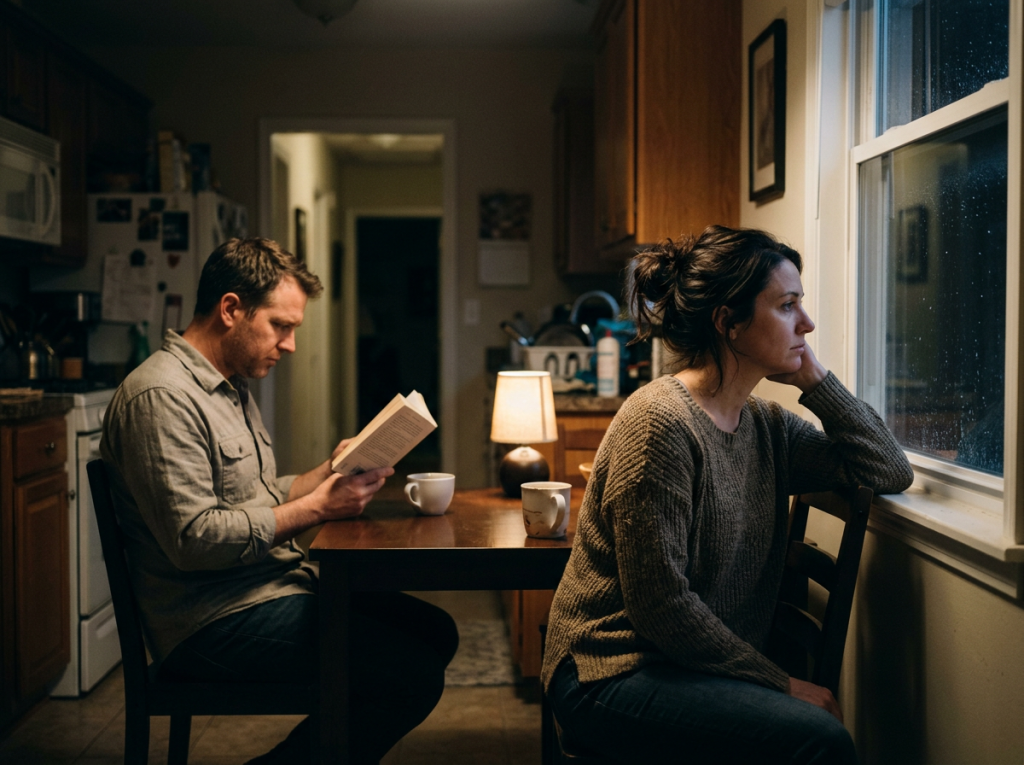
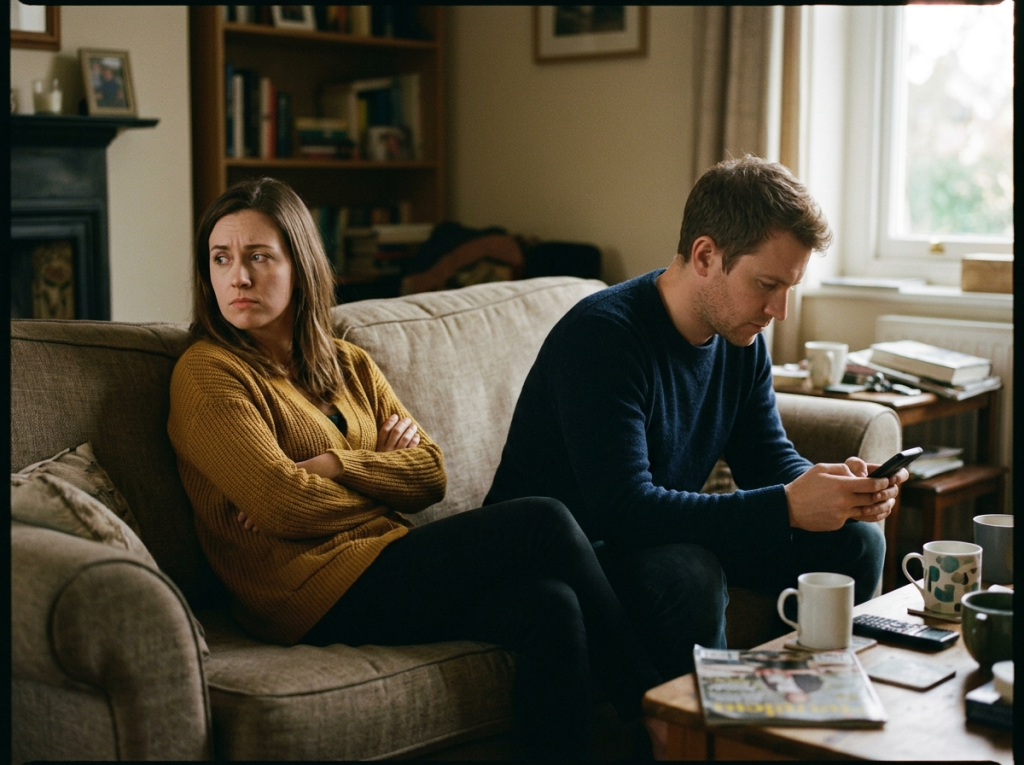
Nitpicking in a relationship is a subtle but damaging behavior that can erode trust, intimacy, and connection. While many couples dismiss minor criticisms as harmless, repeated nitpicking can create emotional distance and resentment.
This article explores the reasons behind constant critisism in relationships, the harmful effects it can have, and practical strategies for both partners to address it constructively. By approaching this issue with awareness and empathy, couples can shift from criticism to collaboration and rebuild emotional safety.
What Is Nitpicking in a Relationship?
Nitpicking in a relationship occurs when a partner focuses excessively on minor flaws, mistakes, or imperfections. Unlike constructive feedback, it often emphasizes criticism rather than problem-solving. It can manifest as constant remarks about habits, appearance, chores, or communication style.
The behavior is often subtle and repetitive, which makes it more harmful over time. While a single comment may seem insignificant, a pattern of nitpicking can make a partner feel undervalued or unappreciated. Emotional reactions such as frustration, anxiety, or withdrawal are common consequences.
Nitpicking is often linked to underlying fear, uncertainty, or stress. Partners may use it as a way to assert control, manage expectations, or cope with their own insecurities. Recognizing these motives is crucial to addressing the behavior without escalating conflict.
Reasons We Nitpick in Relationships
Understanding the root causes of nitpicking can help couples respond with empathy rather than defensiveness. Common reasons include:
Fear of Imperfection
Some partners fear imperfection, both in themselves and in their relationship. This fear can drive them to point out flaws in their partner as a way to manage anxiety or maintain a sense of control.
Unmet Emotional Needs
When emotional needs are unmet, a partner may nitpick as a form of indirect communication. Criticism may reflect frustration, insecurity, or a desire for attention rather than the actual issue being discussed.
Stress and External Pressure
Stress from work, family, or finances can amplify nitpicking behavior. Individuals under pressure may become more critical at home, shifting negative emotions toward their partner.
Shifting Expectations
Relationships evolve over time, and expectations may shift. When partners grow in different directions without addressing these changes, nitpicking can emerge as a coping mechanism to deal with perceived discrepancies.
How Nitpicking Harms a Relationship
Repeated nitpicking can have significant emotional and relational consequences.
المسافة العاطفية
Constant criticism fosters feelings of inadequacy and frustration. Partners may withdraw emotionally to protect themselves, creating distance in the relationship.
Erosion of Intimacy
Nitpicking can reduce trust and intimacy. When one partner feels judged or undervalued, sharing vulnerability becomes difficult, limiting emotional connection.
زيادة الصراع
Frequent nitpicking often escalates minor disagreements into larger conflicts. Arguments may revolve around small issues rather than meaningful problems, perpetuating a cycle of tension.
Negative Patterns
Over time, nitpicking can establish patterns that are hard to break. Both partners may adopt defensive or critical behaviors, reinforcing the cycle and making it difficult to restore harmony.
How to Respond to Nitpicking
Responding to nitpicking effectively requires self-awareness, communication skills, and patience. Here are strategies to address the behavior constructively:
Recognize the Pattern
Identify recurring moments of nitpicking. Understanding the situations, triggers, and topics that lead to criticism can help both partners address the underlying causes.
Stay Calm and Avoid Escalation
Responding with anger or defensiveness often escalates conflicts. Maintaining composure allows for clearer communication and reduces the likelihood of hurtful exchanges.
Communicate Your Feelings
Use “I” statements to express how nitpicking affects you. For example, “I feel undervalued when my efforts aren’t acknowledged” communicates your perspective without blaming.
Address the Root Cause
Work together to identify the reasons behind nitpicking. Discuss unmet needs, stressors, or fears that may be contributing to critical behavior.
وضع الحدود
Setting boundaries is crucial for maintaining respect and preventing negative patterns from becoming entrenched. Discuss what constitutes acceptable feedback and agree on ways to communicate concerns without constant criticism. For instance, you might decide to address issues calmly once a day instead of reacting to every minor annoyance. Boundaries protect emotional well-being and help partners respond thoughtfully rather than react impulsively.
Practice Positive Reinforcement
Positive reinforcement can counteract nitpicking and encourage constructive communication. Highlighting your partner’s efforts, expressing gratitude, and celebrating small achievements shift focus from flaws to strengths. Simple phrases like “I appreciate how you handled that” or gestures such as a thank-you note can reduce the frequency of criticism and foster a more supportive dynamic. Over time, this practice strengthens emotional connection and builds a positive cycle of encouragement.
اطلب الدعم المهني
Couples therapy or counseling can be beneficial if nitpicking persists. A professional can provide tools to improve communication, address underlying issues, and break harmful cycles.
Shifting From Nitpicking to Connection
Breaking the cycle of nitpicking requires intentional effort from both partners. Strategies to shift toward connection include:
- Mindfulness: Pay attention to triggers and choose responses that foster empathy rather than criticism.
- Collaborative Problem-Solving: Focus on solutions rather than blame. Work together to address issues constructively.
- Regular Check-Ins: Schedule time to discuss needs, feelings, and concerns in a calm, supportive environment.
- Shared Goals: Identify shared values and long-term goals to strengthen emotional alignment and reduce critical tendencies.
By shifting focus from imperfections to growth and connection, couples can transform patterns of nitpicking into opportunities for understanding, intimacy, and resilience.
الخاتمة
Nitpicking in a relationship may seem minor, but repeated criticism can erode emotional safety, intimacy, and trust. Understanding why we nitpick — whether due to fear, stress, shifting expectations, or unmet needs — is key to addressing the behavior constructively.
Responding effectively involves recognizing patterns, communicating feelings, setting boundaries, and practicing positive reinforcement. In some cases, professional support may be necessary to break entrenched cycles.
By replacing nitpicking with empathy, collaboration, and appreciation, couples can foster a healthier, more connected relationship. The effort to address nitpicking not only strengthens bonds but also creates a foundation of respect, understanding, and enduring love.