

 Arabic
  English
  Russian
  French
  German
  Italian
  Spanish
  Polish
  Ukrainian
  Turkish
  Portuguese
  Greek
Greek  Korean
  Chinese
  Japanese
  Czech
Czech  Happy Crying – Why Does It Happen and What It Means">

Recommendation: Treat tears during elation as a predictable neurochemical response; document the precise triggers before deciding on any clinical step. This reaction involves measurable shifts in hormones that often include oxytocin released during close social rituals.
Multiple studies show tear contents differ from basal tears; authors find higher levels of prolactin, adrenocorticotropic markers, emotional peptides. One analysis suggests oxytocin correlates with subjective closeness while cortisol drops; examples include graduations, reunions, acute relief after strict exams, moving music. In each case theres a clear social trigger that helps distinguish reward signaling from distress.
Clinical guidance offers four practical actions to normalize the experience: 1) Label the context to aid emotion regulation; 2) Breathe slowly to modulate autonomic tone; 3) If you feel overwhelmed seek social contact; 4) Track frequency over weeks to detect patterns. If tears occur much more often than expected theres reason to consult a clinician; an acute cluster may be a sign of mood shift rather than a pure reward response. Authors who study affective signaling note that for some people another marker is reduced interest in play or social novelty; the clinician knows context-sensitive assessment outperforms strict threshold models, so share observations with trusted contacts to let them offer perspective.
Understanding the Mechanisms Behind Crying in Daily Life
Use 4-4-6 breathing as a self-soothing tool to reduce tear release within two minutes: inhale 4 seconds, hold 4 seconds, exhale 6 seconds; repeat three cycles while placing a cool cloth over the eyes to lower nerve firing.
- Lacrimal physiology: basal tears lubricate the surface of the eyes; reflex tears respond to irritants; emotional tears contain higher concentrations of proteins such as prolactin, leucine enkephalin, which studies actually detect in samples.
- Neural pathway mechanics: limbic activation during a strong emotional event triggers parasympathetic outflow; that output makes tear ducts open, redirects resources away from vigilance toward restoration.
- Social signaling: tears act as a visible sign of vulnerability; observers across countries report greater willingness to help when a person cries, though certain societies treat tears as a moral weakness rather than a cue for support.
- Individual variability: baseline tear volume differs between persons; hormonal status, sleep quality, recent stressors, medications and other factors change potential for crying; frequency is primarily biological plus learned response; many individuals report women cry more often.
- Breathe to reduce acute flow; slow paced breathing lowers heart rate within minutes.
- Blink deliberately for 30 seconds to clear irritants; if irritation persists, rinse eyes with cool water to reduce reflex tearing.
- Name the trigger aloud; labeling an event lowers intensity, helps cognitive control over emotional reactivity.
- Use self-soothing behaviors such as a warm compress, cup of tea or a weighted cover; these make autonomic arousal come down faster.
- Seek a caring listener who responds warmly; sharing release often reduces isolation and speeds recovery.
- Track patterns in a short diary: note time, trigger, whether you slept well prior, any medications; if tears occur without clear trigger or ever persist for days with low mood, report symptoms to a clinician for assessment of potential vulnerability to depression.
Practical sign that requires attention: tears that impair work, last beyond a normal recovery period, or coincide with suicidal thoughts require immediate evaluation. Allowing release is a good short-term coping strategy; offering a right, nonjudgmental response fosters repair after distress.
Observe how release happens during supportive interactions; use the recommendations above to reduce intensity, increase recovery, protect functioning while preserving the social benefits of signaling distress.
Identify crying triggers in everyday moments
Keep a one-week trigger log: note time, setting, device state, tension level, preceding thought, social connection, tear intensity.
- Social milestones: graduations, farewells, reunions often contain speeches, music, unexpected personal photos. Action: arrive 10 minutes early, practice two slow exhales before key moments, sit near an exit for privacy if needed.
- Multimedia stimuli: short videos, photo reels, playlists commonly activate empathic response through personal cues. Action: preview montage, set volume low, position view so you can look away quickly.
- Physiological load: sleep loss, hunger, high tension lower top-down control within the brain, making tears more likely. Action: hydrate, eat a 150–300 kcal snack 30 minutes prior, schedule a 20-minute nap when possible.
- Interpersonal cues: prolonged eye contact, a specific saying or private memory trigger dimorphous tears when joy mixes with loss. Action: label the emotion aloud, use a tactile anchor (press thumb to index finger) to reduce escalation.
- Device interruptions: sudden notifications, unexpected video calls spike arousal within seconds. Action: enable do not disturb for planned events, set phone face down, disable visual banners.
Assessment protocol: rate each episode 1–10 for intensity, record preceding thought, respiratory pattern, minutes to baseline, note whether tears were empathic or dimorphous, log whether relief follows; authors who design templates for verywell use similar fields, a sample page is available here that should contain context, action taken, outcome.
- Label: name the feeling within 15 seconds; dont suppress, dont perform.
- Regulate: four-count inhale, six-count exhale for 60 seconds, focus on a tactile anchor or a neutral object in the room.
- Review: at day end, code episodes by category, identify top three recurring cues, design one practical test for each cue (avoidance if safety requires, graded exposure if manageable).
Hard-to-predict triggers cluster around ritualized moments, society expectations alter appraisal; compare event notes, prioritize cues that recur above others. Notice when tearing happens within first five minutes after a stimulus, share patterns with an empathic friend or clinician, use results to create a good, person-specific coping plan that fits daily life.
Distinguish emotional cues from physical signals
Use a 3-step rapid assessment: 1) measure trigger latency (seconds from stimulus to tears), 2) record somatic signs (eye irritation, nasal discharge, burning), 3) evaluate context (memorials vs surprise). If tears begin within 0–5 seconds of wind, smoke or rubbing and eyes show redness or gritty sensation, classify as physical; if onset is 10–90 seconds after a memory or social cue with raised heart rate (>8–10 bpm) and short, rapid breaths, classify as affective.
For objective comparison, ensure a 60-second baseline of heart rate and respiration before stimulus, then log: time-to-tear, blink-rate change, warmth around eyes, speech pattern, and visible facial muscle contraction around the orbicularis oculi. General signs that include lacrimal gland activation without irritation point toward emotions; signs that contain burning or itching point back to ocular causes. A simple table in clinical notes will show patterns; several articles above report similar timelines for tears in funerals versus non-grief situations.
If diagnosis is hard, apply quick tests: saline eye drops to remove irritants, remove contact lenses, count blinks for 30 seconds, check for allergy history or recent medication changes. If symptoms persist after physical fixes, the person will more likely be experiencing emotional tears – nervous arousal or relief during a happy moment are common examples. Use these steps to reduce mislabeling, improve understanding of patient reports, and assess impact on daily lives; refer for ophthalmology or mental health when teariness is chronic, severe, or affects function.
Quick steps to calm yourself after a tearful moment
Take five diaphragmatic breaths immediately: inhale 4 seconds, hold 4 seconds, exhale 6–8 seconds; repeat five cycles to slow heart rate. This lowers physiological arousal rapidly; just focus on long exhales until pulse steadies.
Use 5‑4‑3‑2‑1 sensory grounding to shift attention: name five visible items, four you can touch, three sounds, two scents, one taste or imagined flavour; then scan the body to notice where tension concentrates.
Splash cool water on the face or apply a damp cloth to the neck for 30–60 seconds; step outside for two minutes of fresh air if available. Choose personalised coping cues that match your routine: a single word, a tactile object, or a short walk.
Allow brief cryings when they occur; studies and theories were mixed but many reported oxytocin releases after intense events such as weddings, grief, relief or reunion. Understand that strong expressions are human, often emotional but not pathological; theyre a measurable release that helps return regulation.
Label negative self-talk with a single sentence, then replace it with a fact‑based alternative; know who to contact for immediate support. If symptoms persist, consult local services in your country for short‑term guidance.
If you must resume tasks, schedule a 10‑minute break afterward to recalibrate; include a two‑minute breathing reset every hour. Choose one or two strategies that feel good, practise them routinely; use simple tools andor a trusted contact to stabilise mood even during busy periods.
| Step | Action | Duration | لماذا |
|---|---|---|---|
| Breath | Diaphragmatic cycles | 5 cycles | Reduces arousal |
| Ground | 5‑4‑3‑2‑1 | 1–2 minutes | Shifts focus |
| Cold | Face splash | 30–60 s | Activates calming reflex |
| Plan | 10‑min break afterward | 10 minutes | Recalibrates tasks |
Ways to support someone who’s crying in public

Offer a seat nearby to support them; ask “Is it okay if I sit with you?”, let them control proximity.
Provide tissues, a bottle of water, a jacket to protect from cold; hand items discreetly without commenting on appearance.
If they prefer not to be seen, create a visual screen with your body, request suspension of recording, suggest disabling social media tag profiles for immediate privacy.
Name a single feeling briefly to reduce escalation in the brain; short phrases such as “You look overwhelmed” acknowledge emotions, affect the emotional process more than interrogative questions.
Offer practical assistance: select one contact to message about coming logistics, arrange transport, postpone obligations; after consent discuss options related to recent loss, funerals or paperwork.
Respect boundaries, check before any touch, do not rush them to be done; say “I’ll be here” to show continued presence before you leave the scene.
Additionally consult reputable articles for cultural norms; remember each human reacts differently, some are likely more affected by public exposure, offer positive reinforcement, avoid judgment.
Red flags that crying may mask deeper concerns
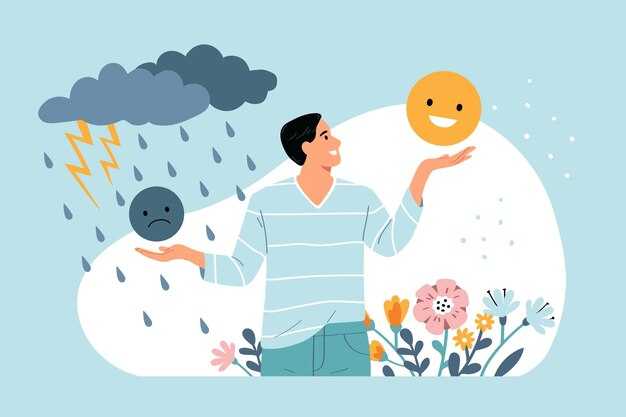
Immediate recommendation: anyone with recurrent tear episodes causing reduced work, self-care should make an appointment with primary care within 14 days, request mental-health screening including PHQ-9, GAD-7, bring a one-week mood, sleep, appetite log, list of medications so the clinician can determine the right referral.
Red flags include: sudden social withdrawal with negative self-talk; new substance use escalation; suicidal ideation; severe sleep disruption; persistent tearfulness despite problem resolution; rapid loss of pleasure in previously valued activities; marked decline in concentration or tasks where safety is affected.
Objective markers to record: frequency per day, duration per episode, presence of clear triggers, physical symptoms such as palpitations or visual changes, medications recently changed, recent moves where they moved between countries resulting in loss of support; clinicians will use these data to clarify cause.
Research context: longitudinal studies show tearful episodes frequently co-occur with mood disorders, however clinical theories propose the nature of tears as bonding signals in certain social contexts; finding consistent biomarkers remains hard, therefore assessment must remain personalised to the symptom profile.
Clinical interview should contain past psychiatric history, family history of mood disorders, substance use, trauma exposure; use structured tools, collateral information from anyone they lived with where consent exists; be mindful of cultural norms that alter expression.
Immediate red flag actions: active suicidal plans, uncontrolled self-harm behavior, new psychotic symptoms require emergency response; call crisis services, arrange same-day psychiatric evaluation, involve support persons together to secure a safe environment, remove access to lethal means.
Wellness follow-up: schedule weekly check-ins for four weeks, consider brief evidence-based psychotherapy referral, perform medication review where indicated, deploy social supports to strengthen bonding; certain interventions show faster symptom reduction when personalised treatment plans are implemented.
Clinician note: avoid assuming tears are purely emotional release; listen for negative cognitions, ask specific questions rather than vague probes, record findings here in the chart for continuity; prior treatment responses heard from the patient guide next steps.
 The Youth Mental Health Crisis – Causes, Impacts, and Practical Solutions">
 25 “We’ll Get Along If” Answers You Can Use on Hinge to Break the Ice and Boost Your Matches">
 What Are the Big Five Personality Traits? A Comprehensive Guide to the OCEAN Model">
 Foods That Help You Sleep – Sleep-Boosting Foods for Better Rest">
 Main Character Energy – The Ultimate Guide to Being the Protagonist of Your Life">
 10 Signs of a Creative Person – Recognize and Grow Your Creativity">
 6 Ways to Improve Your Quality of Life – Practical Tips for Everyday Well-Being">
 What Do Dreams About Cheating Really Mean? A Quick Interpretation">
 Valentine’s Day Self-Love – 10 Ways to Treat Yourself">
 How Self-Reflection Benefits Your Mental Health – Techniques and Practical Tips">


