Arabic
  English
  Russian
  French
  German
  Italian
  Spanish
  Polish
  Ukrainian
  Turkish
  Portuguese
  Greek
Greek  Korean
  Chinese
  Japanese
  Czech
Czech 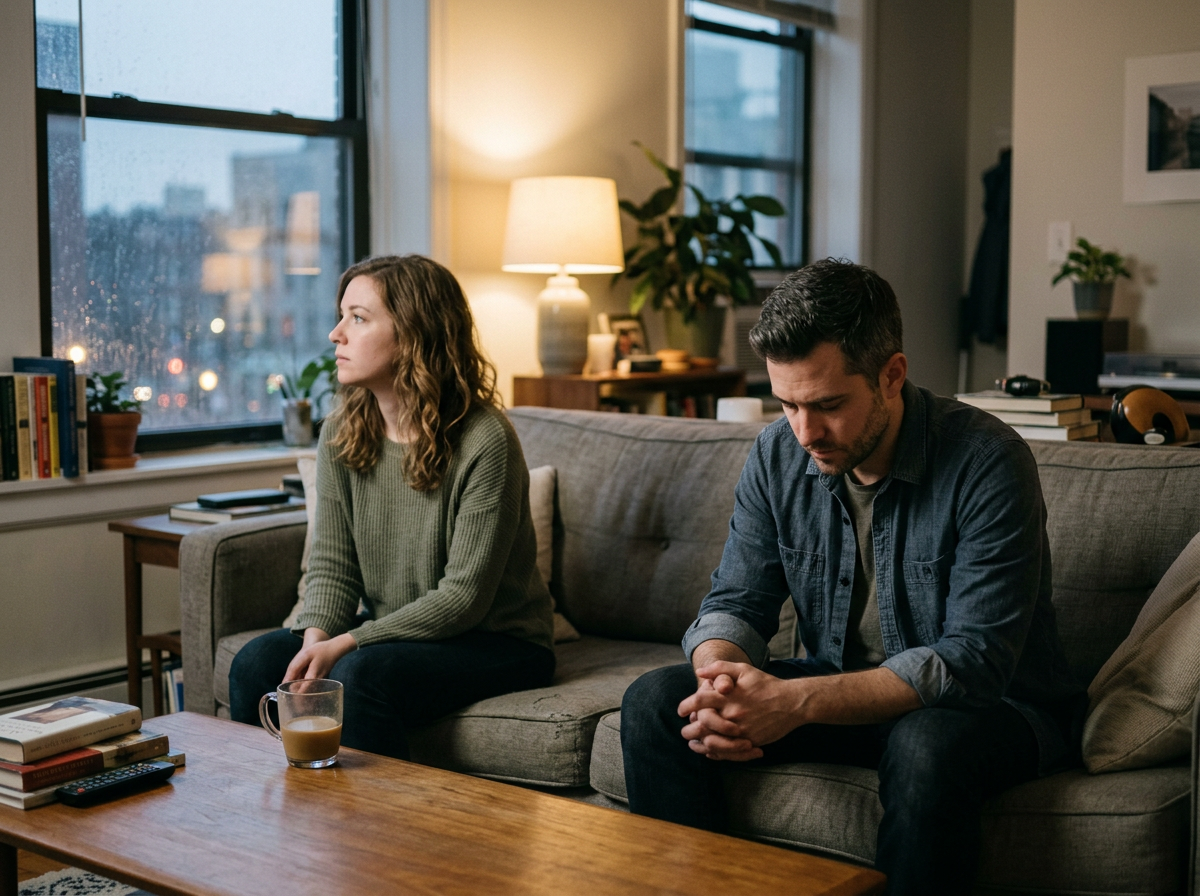

Falling out of love is an experience many people face, yet few discuss openly. It is a gradual process that can leave partners questioning their relationship, their feelings, and the future. Understanding why falling out of love happens and what to do when it does can help couples navigate these difficult emotions and make informed decisions. Relationships evolve over time, and recognizing the signs of disconnection is essential for emotional health and personal growth.
Understanding the Common Phenomenon
Falling out of love is more common than people realize. It does not happen overnight; instead, it often unfolds slowly as the emotional connection between partners diminishes. Love is dynamic and requires consistent effort, communication, and mutual understanding. When these elements weaken, feelings of detachment, indifference, or frustration can replace the enthusiasm and affection that once defined the relationship.
Many factors contribute to falling out of love, including changes in personal goals, values, or life circumstances. Couples may experience a lack of shared priorities, unresolved conflicts, or diminished emotional intimacy. While some relationships fade naturally over time, others may suffer from neglect or unmet emotional needs. Recognizing these shifts early can help partners address the problem before it becomes irreversible.
Common Reasons for Falling Out of Love
There are several common reasons couples experience falling out of love. One major factor is a lack of emotional connection. When partners stop sharing their feelings, thoughts, or experiences, the bond that once created closeness begins to weaken. Emotional intimacy requires vulnerability, empathy, and trust—without these, a relationship can feel empty or distant.
Another reason is the presence of unresolved conflicts. When disagreements accumulate without resolution, resentment can build, gradually replacing affection with frustration. Over time, repeated arguments or passive-aggressive behavior can make one or both partners feel unheard or undervalued.
Changes in individual priorities or life goals can also contribute to falling out of love. As people grow, they may develop new interests, ambitions, or perspectives that no longer align with their partner. When couples fail to adapt to these changes together, the relationship may lose its sense of purpose or direction.
Physical or sexual intimacy is another critical element. A decline in affection, touch, or sexual engagement can signal emotional distance. While love is not solely physical, these interactions reinforce closeness and connection. A lack of intimacy may amplify feelings of disconnection and accelerate the process of falling out of love.
Recognizing the Signs
Recognizing the signs of falling out of love is essential for taking proactive steps. Common indicators include reduced enthusiasm for spending time together, less communication, and diminished interest in each other’s lives. When conversations become superficial or obligatory, it may signal a waning emotional bond.
Other signs include a decline in physical affection, avoidance of intimacy, and a sense of disconnection during shared activities. Partners may feel more irritation than appreciation, or they may stop prioritizing the relationship altogether. Understanding these signs allows couples to address the underlying issues before the situation escalates.
What to Do When Falling Out of Love
When falling out of love happens, it is important to respond thoughtfully rather than react impulsively. Here are some steps couples can take to manage this challenging situation:
1. Reflect on Your Feelings
The first step is honest self-reflection. Consider why your feelings have changed and whether they are temporary or long-term. Journaling or speaking with a trusted friend or therapist can help clarify emotions. Reflection allows individuals to understand whether the disconnection is due to external stressors, communication breakdowns, or deeper incompatibilities.
2. Communicate Openly with Your Partner
Once you understand your feelings, it is crucial to discuss them with your partner. Open communication creates an opportunity to share concerns, listen without judgment, and explore potential solutions together. Couples should focus on expressing emotions rather than placing blame. Honest conversations can foster empathy, understanding, and a sense of shared responsibility for the relationship.
3. إعادة بناء الألفة العاطفية
Falling out of love often involves a loss of emotional connection. To rebuild intimacy, couples can prioritize quality time, active listening, and shared experiences. Engaging in activities that promote closeness, such as date nights, hobbies, or meaningful conversations, can help reignite feelings of affection. Small gestures of care and attention often have a significant impact.
4. اطلب الدعم المهني
Sometimes, couples may struggle to navigate falling out of love on their own. Therapy or couples counseling provides a safe space to explore emotions, improve communication, and identify patterns that contribute to disconnection. A trained professional can offer strategies to rebuild trust, deepen emotional connection, and address unresolved issues.
5. Evaluate the Future of the Relationship
In some cases, falling out of love may indicate that the relationship has run its course. After honest reflection and attempts to reconnect, couples may need to evaluate whether staying together aligns with their emotional well-being and long-term goals. Ending a relationship is never easy, but recognizing when love has faded allows both partners to prioritize their personal growth and happiness.
How to Support Yourself During This Process
Falling out of love can be emotionally taxing, even when both partners handle it respectfully. Supporting yourself through this process is essential:
- Practice self-care: Engage in activities that bring joy, relaxation, and fulfillment. Prioritize physical, emotional, and mental health.
- Maintain social support: Friends and family can offer perspective, encouragement, and companionship during challenging times.
- Set boundaries: Protect your emotional energy by setting limits on conflict or discussions that exacerbate stress.
- Allow yourself to grieve: Acknowledge feelings of sadness, loss, or disappointment. Processing emotions is necessary for healing and clarity.
Can Falling Back in Love Happen?
In some relationships, falling out of love may not be permanent. With effort, couples can rebuild connection, rediscover shared goals, and reignite affection. This requires patience, mutual commitment, and open communication. Both partners must actively participate in restoring emotional intimacy and addressing underlying issues.
However, it is important to distinguish between temporary disconnection and irreversible emotional distance. Falling back in love is more likely when both partners are willing to work together, acknowledge mistakes, and invest in the relationship’s growth.
الخاتمة
Falling out of love is a complex and often painful experience that affects many relationships. Understanding why it happens, recognizing the signs, and knowing what to do can help partners navigate this challenging stage with clarity and compassion. Whether couples choose to rebuild their bond or part ways, approaching the situation with honesty, reflection, and respect ensures emotional well-being for both individuals. Love is dynamic, and maintaining a healthy, fulfilling relationship requires attention, effort, and understanding.