

 Arabic
  English
  Russian
  French
  German
  Italian
  Spanish
  Polish
  Ukrainian
  Turkish
  Portuguese
  Greek
Greek  Korean
  Chinese
  Japanese
  Czech
Czech  5 Reasons Emotions Are Important – Why Your Feelings Matter">

Track and label three emotions each day–write the trigger, rate intensity 1–10, and note your immediate action within five minutes; this practice makes you readily identify masked reactions and improves decision clarity by reducing impulsive responses. Stick to the routine for two weeks and compare choices made in week one versus week three to measure change.
Use evidence-based framing: scherer describes how appraisal processes generate expressive signals, while kihlstrom outlines how unconscious affect operates through implicit memory; ellsworth and other scholars map how an emotional schema organizes attention and judgment. In addition, recent work by esteves highlights how subtle facial cues influence recognition speed, which generates faster social calibration when you name emotions aloud.
Practical recommendations: pause for 30 seconds before responding, label the feeling, and state one concrete need or boundary; repeated use of this micro-skill builds an empathic response style and reduces reactive escalation. Track outcomes quantitatively–rate conflict intensity before and after the pause on a 0–5 scale–and adjust the pause to three minutes for high-stakes conversations.
Apply these five functional benefits: clearer decisions (emotions inform priorities), better memory encoding (affect tags salient events), improved relationships (expressive signaling supports trust), personal regulation (naming diminishes arousal), and faster learning (emotional feedback refines your operating plans). Combine daily labeling with weekly reflection and a simple action plan; that addition turns momentary feeling into practical data you can use tomorrow.
Five concrete roles emotions play in everyday choices
Start a 48-hour emotion log: record the feeling, intensity (0–10), trigger and the choice you made; if intensity reads relatively high (7+), delay non-urgent decisions 24 hours to prevent survival-driven shortcuts–LeDoux describes how basic fast pathways and the amygdala produce immediate action signals, so wait for slower cognition before committing; this habit creates a stable buffer against impulsive mistakes and identifies a critical threshold for personal regulation.
Use emotions as social signals: before replying to someone, ask which message your tone or expression sends and whether you prefer intimacy or influence; name the feeling aloud to increase clarity (expand your emotional vocabulary to at least eight specific labels) and choose symbolization–words, gestures, micro-behaviors–that match your goal; Tiedens’ work shows that expressed anger shifts perceived power, so select expression consciously when you want cooperation rather than dominance.
Let feelings guide resource rules rather than momentary urges: track how mood affects spending and set concrete countermeasures (one-minute breathing, list three costs, apply a 24-hour rule for purchases above a set amount); use pre-committed budgets and implementation intentions (if I feel X, then I will do Y) for helping control impulsive buys and achieve greater financial stability.
Turn emotion into learning signals: write a one-sentence lesson after each emotionally charged decision to tag memory and clarify the path from feeling to outcome; emerging studies (Domitrovich on social-emotional learning, Moore on regulation training) link explicit labeling and reflection to better choices later–use this practice twice weekly to grow adaptive responses and remodel basic neural structures that support better habits.
Map patterns to shape stable preferences: audit monthly which emotions repeatedly drive the same choices, then run short experiments (two-week alternatives) to test different responses; when you see greater consistency between desired goals and emotional triggers, strengthen those paths with habit cues, social anchors, and accountability–this preserves intimacy in relationships, refines the roles emotions play, and converts fleeting signals into reliable decision-making tools.
Use fear to prioritize immediate dangers: quick checklist for action
Act immediately: identify the single most imminent threat and execute one clear response within 10–15 seconds (move to cover, call for help, block entry, or drop and protect); label the action verbally to stabilize attention.
Fear signals originate fast and mobilize behavior; the amygdala flags sensory cues while orbitofrontal and prefrontal regions refine value and action. Use that timing: rapid orienting identifies cues, then brief prefrontal checks assess options. Fear does not necessarily equal accurate danger, though–apply a short verification step before committing to sustained avoidance.
| Step | What to do | لماذا | Timeframe |
|---|---|---|---|
| 1 – Spot key cues | Scan for objective cues (fire, smoke, broken glass, aggressive approach); name the cue verbally. | Verbal labeling reduces ambiguity and gives the prefrontal cortex immediate input for assessment. | 0–5 seconds |
| 2 – Rate immediate risk | Assign a 0–3 risk score (0 safe → 3 imminent harm) and state it aloud to a teammate or yourself. | Quick quantification creates a shared signal and limits catastrophic escalation created by unchecked fear. | 5–12 seconds |
| 3 – Pick one action | Choose one concrete action (leave, hide, yell, engage) and start it; avoid multi-step plans that slow response. | Focused action uses the brain’s action-selection circuits and reduces paralysis from competing options. | 12–20 seconds |
| 4 – Use a safety script | Say a short script: “Move to X, call Y, stay Z” and access contacts or exits immediately. | Scripts transform fear into procedural memory, improving speed of execution under stress. | 20–60 seconds |
| 5 – Reassess & transition | Once immediate action is taken, reassess: downgrade/upgrades risk score, give brief verbal update, then plan next steps. | Transition from survival action to recovery prevents freeze states and limits avoidance patterns linked to later depression. | After initial action |
Apply simple cognitive tools rooted in conceptualization research: russell and barrett proposed that labeling and context shape emotion emergence, and clore explained affect-as-information–use those insights to convert raw alarm into usable data. Case work and studying by naqvi and others show that directing attention and making a short verbal record improves decision quality and later memory for adaptive choices.
Keep two practical rules: give priority to observable, high-probability hazards (smoke, forced entry, imminent fall) and do not escalate to long-term avoidance unless repeated evidence supports it. If fear responses persist, impair daily function, or lead to withdrawal and signs of depression, access a clinician for assessment and a structured transition from reactive coping to planned exposure and reappraisal.
Leverage emotional tagging to improve memory retention for study or training
Assign each key concept a single, specific emotional tag plus a sensory cue and test recall at 24 hours, 7 days, and 30 days to measure improvement; aim for a 10–30% boost in free-recall and a 15% boost in application tasks versus neutral encoding.
Use a precise procedure: pick a concept, choose one emotion (valence and intensity rated 1–10), attach a sensory tag (image, brief sound, gesture or smell), and write a one-sentence emotional summary that links the concept to personal relevance. Use retrieval practice with that tag twice in the first 48 hours, then spaced reviews at 7 and 21 days. These steps correlate with stronger consolidation through amygdala–hippocampus interaction.
Design examples: for a pharmacology thesis section, pair a drug mechanism with a short angry facial expression clip; for vocabulary flashcards, pair the word with the scent of citrus or an image of fruit; for safety courses in a southeast field site, record a 5-second audio cue that reproduces local ambient sound. Keep tags simple so the learner remains willing to use them for many items.
Measure precisely: record correct recall out of 20 items at each interval, compute percent retained, then compare tagged vs. untagged blocks. Expect significantly higher retention when emotional intensity is moderate (3–6 on your scale); very high stress can deactivate prefrontal retrieval pathways and reduce performance.
Train an empathic observer strategy for complex or challenging material: ask learners to describe how a character in a case felt, then transmit that feeling via a label on the note (e.g., “relief: 4/10”). Observers who encode material from an empathic angle remember situational details and expressions better, and transfer knowledge to application tasks faster.
Use simple analytics: log tag type, intensity, and retention; mark items that remain hard and reassign a different emotion after two failed spaced recalls. When a concept feels married to a single ineffective tag, replace it–switch visual to auditory or negative to positive–then re-test.
Adopt small rituals that improve retention: 90-second focused breathing before review lowers cortisol and prevents stress from being transmitted to the memory trace; a short appreciation note after a study block strengthens consolidation. This article supplies templates for tag labels and test sheets you can copy into courses or study planners.
نصيحة: keep tags special and limited–no more than 2 tag types per session–so cues remain discriminable, scalable across modules, and easy to apply during exams or fieldwork.
Apply empathy to de-escalate conflicts and rebuild trust in relationships

Name the other person’s feeling aloud and ask one clarifying question within 60 seconds to lower arousal and stop escalation.
Use reflective labels: say “It sounds like you’re frustrated” rather than arguing facts; labels reduce defensiveness, give the other person a chance to correct you, and help you handle the moment without matching intensity. Research and clinical protocols recommend a 2–3 sentence reflection, one validation line, and one offer to problem-solve as a compact sequence for managing heated exchanges.
Neuroscience explains why this works: labeling emotions links verbal networks to limbic systems, decreasing amygdala activation and increasing regulatory activity in prefrontal cortices. An international study reported measurable drops in physiological arousal when partners used verbal validation; aggregated data in that study showed roughly a 10–20% reduction in markers of stress. Lerner and dewall have published complementary work on emotion labeling and rejection, and dawkins framed empathic responses in evolutionary terms – together these advances clarify the significance of naming feelings.
Practice concrete scripts daily. Try three lines: 1) label the feeling, 2) mirror the behavior you observed, 3) offer one concrete repair step (e.g., “I can listen for five minutes” or “Let’s pause and agree on next steps”). Use the word “because” once to state intent, not to excuse. Keep each script under 30 seconds so internal escalation stays manageable.
Developing emotion vocabulary matters: create a short list of 12 labels you and your partner agree on (for every common trigger) and place them where you both see them. Ubiquitous cues – a note on the fridge, a shared message template – lower friction for applying empathy under stress. Meditation practice for 10 minutes daily further reduces baseline amygdala reactivity and improves the brain’s ability to recruit cortical control during conflict, increasing long-term trust and happiness metrics in relationship surveys.
Use data to guide repair: log three conflict episodes per month, note what label you used, how you handled escalation, and whether trust improved on a 1–5 scale. This simple tracking makes the significance of empathy clear and helps explain patterns without blaming. Repeat lightweight reviews quarterly and iterate scripts as you see progress in reconciliation and rebuilding.
Turn pride and curiosity into repeatable routines for sustained motivation
Set a 15-minute daily routine: 5 minutes of a pride ritual, 7 minutes of a curiosity exercise, 3 minutes of concrete planning and logging; track completion and emotional responses each day.
Pride ritual (5 minutes): list three specific achievements (no generalities), read one aloud facing a photo or index card, then mark a visible tick. Use Kleck’s findings about social displays and Ramachandran’s notes on mirror responses to faces to create a short social cue–share one win with a teammate or self-recorded clip to strengthen the connection between achievement and motivation. Limit praise rewards that require extra resources; small public displays change normative feedback faster than private notes.
Curiosity exercise (7 minutes): pick one narrow informational question tied to current work, generate a single quick hypothesis, run a 24–72 hour micro-test or read one short article, and record what schema you updated. Silvia’s research on curiosity shows that posing a clear question increases exploratory behavior; Scherer’s work on affective appraisal helps explain why curiosity feels excited rather than anxious when framed as low-risk discovery. Emphasize causal probes (one variable, one measure) to sharpen decision-making and prevent scatter.
Planning & logging (3 minutes): convert insights into three actionable next steps, estimate time and capacity for each, and flag one potential barrier (fear, resource shortfall, tendency to procrastinate). Use a simple metric: percent completion this week and a binary “did I test hypothesis?” column. Continual short logs build a data series you can analyze to see causal links between routines and performance.
Protect the routine: avoid rewarding small wins with drinking or large comforts that reduce overall capacity; when you feel anxious or fear about a task, apply affective labeling and split the step into a 2-minute micro-action to reduce avoidance. Teach yourself to reappraise setbacks as informational feedback, not identity failures.
Measure changes over 3–8 weeks using two indicators: days completed per week and mean self-reported excitement versus anxiousness. If excitement does not rise by week four, tighten the curiosity probe (narrower question) or increase social displays (faces, short peer feedback) since normative cues drive sustained pride. Use these routines to convert fleeting affective responses into repeatable habits that inform future decision-making and expand your motivational capacity.
Read fairness and shame signals to navigate moral and workplace decisions

Stop and verify fairness and shame cues before you act: observe, pause, and test claims with a short checklist to reduce harm and preserve agreement across teams.
- Observe micro- and macro-signals. Watch facial microexpressions (dimberg’s work links them to rapid emotional responses), gross motor shifts, gaze aversion and self-touching; these frequently reveal avoidance-related feelings such as shame or guardedness.
- Time your response. Wait 24–72 hours for non-urgent personnel judgments and collect reactions across several interactions to avoid decisions based on a single, emotionally charged moment.
- Ask targeted questions. Use two neutral prompts: “What happened from your view?” and “What would resolve this for you?” These clarify whether perceived unfairness is procedural (primary concern for many) or distributive, and whether the party is signaling shame or strategic withdrawal.
- Gather low-cost data. Request brief written statements, timestamped messages, or witness notes. Combine with optional continuous metrics (meeting recordings, anonymized surveys) where policy allows.
- Use simple physiological checks when relevant. When consent and policy permit, heart rate or skin-conductance stimulations in controlled studies show neurobiological correlates of moral conflict (examples cited in behavioral sciences and clinical literature, including lesion reports like naqvi).
Implement a five-step verification workflow:
- Document the incident and immediate signals (facial, posture, voice).
- Solicit two independent accounts within 48 hours.
- Compare verbal content with nonverbal cues; flag mismatches for follow-up.
- Apply a calibrated remedy: apology script, mediated discussion, or formal review depending on severity.
- Record outcome and schedule a long follow-up to detect recurrence.
Recognize patterns backed by research: Cambridge labs and independent groups in san francisco report that shame often produces rapid gaze downward and avoidance-related behaviors, while perceived unfairness drives persistent complaint patterns and negotiation-seeking. Neurobiological studies link anterior insula activation (naqvi-style lesion data) and amygdala responses to moral salience, showing a continuous interaction between affect and decision-making.
- Signal checklist for managers: steady eye contact + open palms = likely openness to repair; repeated downward gaze + withdrawal = probable shame; abrupt loud tone + rapid gestures = anger, not fairness.
- Decision thresholds: minor incident = documented coaching; repeated pattern or gross violations = formal HR action after independent review.
- Bias control: require at least two corroborating signals (verbal, nonverbal, or witness) before escalating; this reduces false positives from stress or cultural differences.
Apply these steps when trust is the primary factor in a team, because small misreads create long-term costs. Use concrete metrics, train reviewers on dimberg-style microexpression recognition, and keep records to support agreement across stakeholders. These measures convert fleeting emotional cues into actionable, fair outcomes and address the core problem that ambiguous signals introduce into moral and workplace choices.
Simple steps to detect when emotions are biasing your judgement
Label the feeling in one word within 90 seconds and rate its intensity on a 0–10 scale; write both down before you decide.
Measure observable bodily signals: note heart-rate change, shallow breathing, clenched jaw or sweating. If you detect considerable physiological shifts (for many people a >10 bpm rise or sudden shallow breaths), treat your judgement as likely emotion-driven.
List three objective facts that support the decision and three reasons that would change it; if you generate many feelings but few facts, bias is present. Don’t just trust your first impression–force evidence-based counterpoints.
Check for projection: ask whether you projected past storybooks or personal narratives onto the situation. Children often project characters onto others; adults do the same. Use individuation: separate attributes tied to the specific person from stereotypes about groups.
Ask two individuals from different circles for their read; if their assessments remain consistent with your own, emotion influence is smaller. If their views differ and align with your mood, suspect projection or motivated reasoning.
Probe motivation explicitly: name what you gain or lose if the judgement stands. If the motivation is reputation-dependent or loss-avoidant, mark the judgement as potentially biased and revisit with a neutral checklist.
Delay decisions by a concrete window: 90 minutes for small choices, 48 hours for large commitments. Track whether your verdict changes after cooling; if opinions flip, the initial judgement was likely dependent on transient emotion.
Run a simple A/B test: present the same information with neutral framing and with emotional framing; if choices flip, the response is driven by affect. Hertenstein research and other work show nonverbal cues can shift perception, so include observable cues when you replicate the test.
Keep a decision log for 30 entries tagging mood, context and outcome; large patterns will emerge showing which cogn biases format your choices. If outcomes correlate with mood, create a rule that triggers extra review when your mood score crosses a threshold.
Prefer measured data over purely hypothesized explanations: offer alternative hypotheses, weigh them equally, and consult public datasets or notes labeled by-nc if you need external benchmarks. Use these steps consistently to reduce projected feelings and improve clear judgement.
Practical techniques to translate feelings into better mental habits
Label the sensation within 15 seconds and choose one concrete action: 60 seconds of paced breathing, a 2-minute walk, or three written lines describing the feeling.
-
Labeling + scale arousal. Ask “What am I feeling?” and rate arousal 1–10. Labeling separates the sensation from reactive behavior; the habit cycle consists of cue, label, action, review. Use a small notebook entry with date, label, rating, action – 30 seconds to record, 2 minutes total.
-
Cognitive reappraisal protocol. Spend 5 minutes listing two alternative interpretations for one recurring negative thought. Keep each reinterpretation to one sentence. This cognitive exercise shifts appraisals and reduces reactive actions; perform it three times per week as an intervention.
-
Micro-meditation. Practice a 3-minute focused-breathing block three times daily. Use a 4-6-8 breath pattern for first 60 seconds, then observe bodily sensations for 120 seconds. Short sessions lower arousal and improve attention to sensations that inform meaningful choices.
-
Behavioral activation checklist. When mood drops, pick one small achievable action (make a call, tidy one shelf, step outside). Schedule it within 10 minutes. Repeated small actions create momentum and retrain the brain to associate feeling cues with constructive behavior rather than avoidance.
-
Imitative mirroring and facial feedback. Use 60 seconds of gentle mirroring in a mirror or with a trusted partner: soften the jaw, lift corners of the mouth, relax brows. Hertenstein reviewed touch and nonverbal studies linking expressive feedback to lowered arousal; humphrey noted the social significance of expressions in shaping responses. Apply mirroring when you notice you feel angry to reduce escalation.
-
Short exposure to the trigger. For avoidant reactions, expose yourself for 90–120 seconds while using a regulated breathing pattern. That brief, repeated exposure with regulated breathing reduces avoidance as a dominant factor in future responses.
-
Structured weekly review. Reserve 15 minutes weekly to review entries: frequency of labels, common triggers, actions taken, and whether outcomes improved. Track one metric (mood baseline, reactivity count) and aim for a 10% improvement over four weeks.
Use a simple worksheet that records: emotion label, arousal rating, chosen action, and immediate outcome. Interventions based on this data let you detect patterns in how physical sensations and social dynamics influenced decisions. Train your team or partner to offer brief feedback on your expressions and choices; external feedback accelerates habit change.
- When you feel swept up, pause and name the feeling.
- Rate arousal and pick one micro-action from your checklist.
- Apply a 3-minute regulation technique (breath, movement, or mirror).
- Log the result and schedule a short follow-up within 24 hours if the feeling persists.
Design interventions that link feeling to action and review their effect after four iterations. Keep instructions concrete, limit each step to under three minutes, and prioritize repetition: consistent micro-practices change cognitive scripts and reduce reflexive, imitative reactions to others’ expressions. These steps convert transient sensations into meaningful, measurable mental habits.
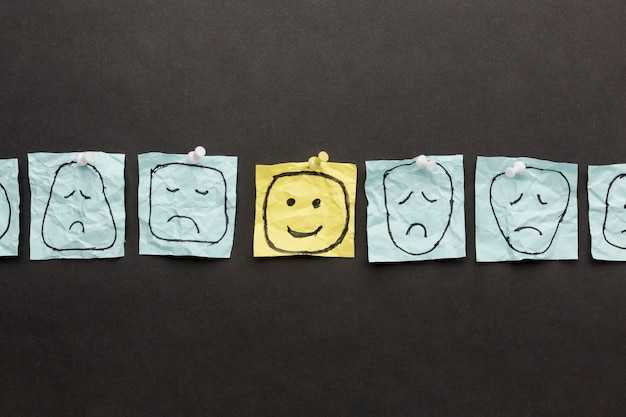 The 6 Basic Emotions – How They Influence Human Behavior">
 Relationship Paranoia – What It Is, Signs & How to Cope Effectively">
 Healthdirect — Free Australian Health Advice You Can Trust">
 How to Navigate Your Own Privilege – Practical Steps to Awareness & Responsible Allyship">
 5 Signs You’re a Perfectionist — How to Find Balance">
 Avoidant Attachment Triggers – Causes, Signs & Healthy Self-Regulation Tips">
 Polyamory vs Polygamy – What’s the Difference?">
 Emotional Exhaustion – How to Recover & Refuel When Drained">
 Tired After Work? Real Reasons & How to Fix It">
 How to Say No to People – Assertive Phrases & Tips">


