Chinese
  English
  Russian
  French
  German
  Italian
  Spanish
  Polish
  Ukrainian
  Turkish
  Portuguese
  Greek
Greek  Arabic
  Korean
  Japanese
  Czech
Czech 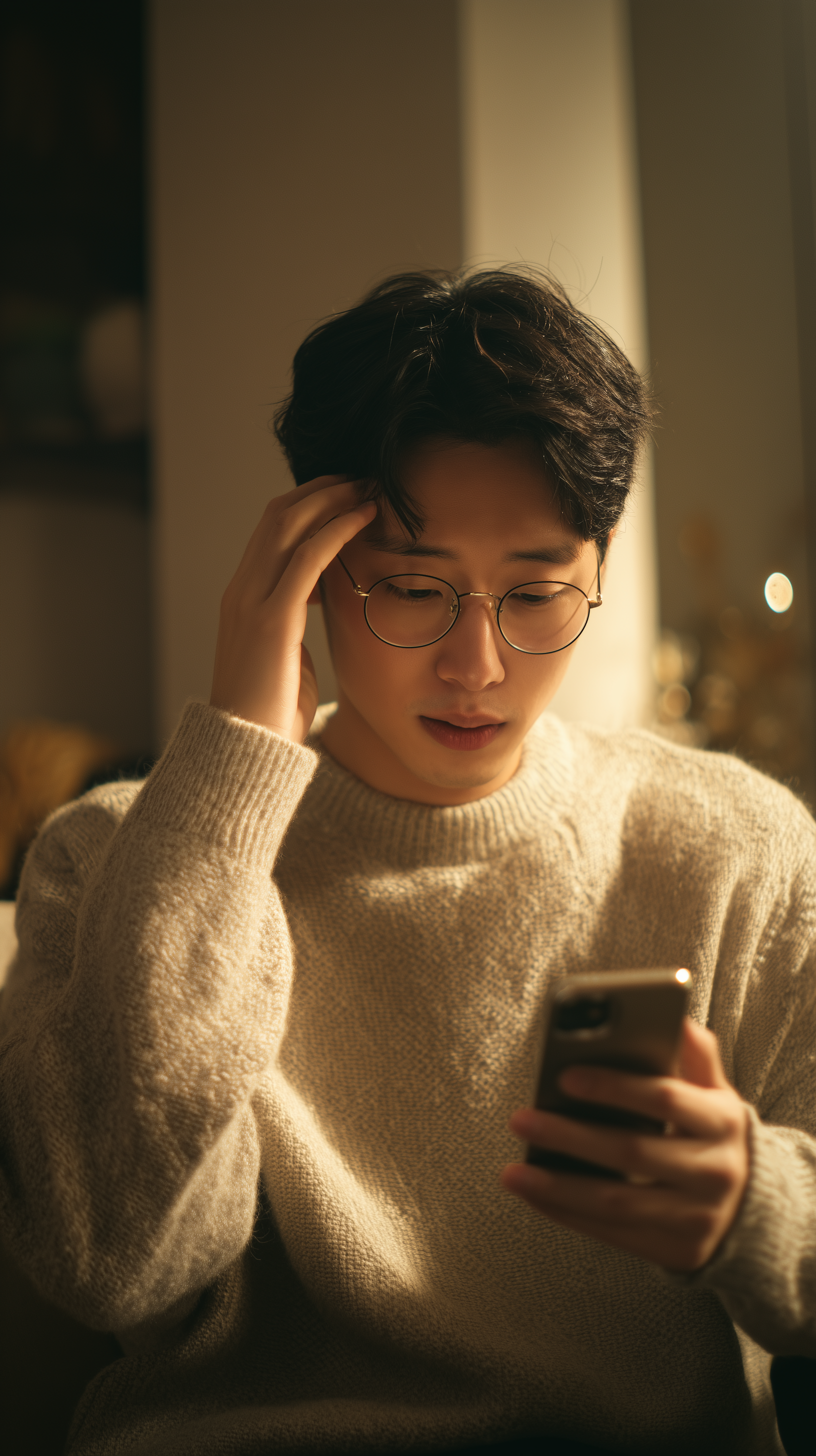

Dating apps have become one of the most common ways people meet today. What started as a convenient alternative to traditional dating has evolved into a daily habit for millions. With endless profiles, constant notifications, and algorithm-driven matches, dating app use now shapes not only how people connect, but also how they feel about themselves and others. Understanding the emotional effects of dating apps is essential for anyone navigating modern dating with awareness and balance.
While these platforms promise connection, excitement, and possibility, they also introduce new emotional challenges. Many users report increased anxiety, emotional fatigue, and doubts about their self esteem. The experience can feel empowering at first, yet draining over time, especially when matches fail to turn into meaningful relationships.
How Dating Apps Changed Modern Dating
Dating apps have transformed dating into something faster, more accessible, and more visual. Instead of meeting through shared communities or social circles, people now evaluate potential partners through short bios and photos. This surface-level approach changes expectations and behaviors in subtle but powerful ways.
Dating becomes less about gradual discovery and more about instant impressions. The apps encourage quick decisions, which can reduce patience and emotional investment. Over time, users may begin to treat dating like a numbers game rather than a human connection, which can affect emotional well being.
The Emotional Rollercoaster Of Swiping
Using dating apps often creates a cycle of anticipation, excitement, and disappointment. Each match can feel like a small emotional reward, while silence or rejection can trigger self doubt. This repeated pattern has a measurable emotional impact, especially for people who use apps daily.
Many users experience anxiety while waiting for replies or comparing themselves to others. When matches disappear or conversations fade, feelings of loneliness can intensify. Over time, the emotional highs and lows may contribute to stress and emotional exhaustion.
Validation And Self Worth In App-Based Dating
One of the strongest emotional effects of dating apps is their influence on validation. Likes and matches can feel like confirmation of attractiveness or value, while a lack of responses may feel personal. This external validation can slowly replace internal confidence.
For some users, self esteem becomes closely tied to app performance. When matches are frequent, confidence rises. When they slow down, insecurity follows. This pattern can be especially harmful for mental health, as it places emotional stability in the hands of algorithms and strangers.
Dating App Use And Mental Health
Research increasingly links dating app use with changes in mental health. While not everyone is affected in the same way, patterns of anxiety and depression are commonly reported among heavy users. Constant comparison, rejection, and uncertainty can wear down emotional resilience.
Mental health challenges may also emerge from the pressure to always be available and responsive. Notifications pull attention back to the apps repeatedly, making it difficult to disconnect emotionally. For some, this constant engagement leads to burnout and a feeling of being overwhelmed.
Loneliness In A World Full Of Matches
Paradoxically, dating apps can increase loneliness even as they offer access to more people. Having many matches does not always translate into meaningful connection. Conversations may remain shallow, short lived, or transactional.
When interactions fail to progress beyond the app, users may feel more isolated than before. This form of loneliness is often deeper because it comes with the sense that connection should be easy, yet remains out of reach.
Anxiety, Depression, And Emotional Fatigue
Anxiety is a common emotional response linked to dating apps. Users may worry about being judged, ghosted, or replaced. The constant possibility of rejection keeps many people emotionally on edge.
Depression can develop when repeated disappointments accumulate. When dating efforts feel unsuccessful, people may question their worth or lose hope. The process is exhausting for those who invest time and emotional energy without seeing results, especially when dating becomes repetitive and discouraging.
The Impact Of Algorithms On Emotional Experience
Algorithms play a central role in shaping emotional responses on dating apps. By prioritizing certain profiles, they influence who gets attention and who feels invisible. This can distort perceptions of desirability and fairness.
When users do not understand how apps make these decisions, frustration and stress increase. The lack of transparency can make rejection feel personal, even when it is driven by technical factors rather than human choice.
Gratification Versus Genuine Connection
Dating apps are designed to offer quick gratification. Swiping, matching, and messaging deliver instant rewards that keep users engaged. However, this focus on speed can undermine deeper emotional connection.
Over time, users may struggle to stay present in real interactions, always aware that another option is just one swipe away. This mindset can affect dating behavior, commitment, and emotional availability.
Finding Balance And Dating Well In The App Era
Despite their challenges, dating apps are not inherently harmful. The key lies in how they are used. Setting boundaries around time spent on apps can protect emotional health and reduce stress.
Approaching dating with intention rather than obligation also helps. Taking breaks when emotional fatigue appears, focusing on meaningful conversations, and remembering that app outcomes do not define personal value can improve overall well being.
Final Thoughts On Emotional Effects Of Dating Apps
The emotional effects of dating apps are complex and deeply personal. For some, apps open doors to connection and growth. For others, they bring anxiety, loneliness, and emotional strain. Awareness is the most important tool users have.
By understanding how dating apps influence emotions and mental health, individuals can make more conscious choices. Dating does not have to feel overwhelming or depleting. With mindful use, it is possible to navigate apps in a way that supports emotional balance and healthier relationships.