

 Chinese
  English
  Russian
  French
  German
  Italian
  Spanish
  Polish
  Ukrainian
  Turkish
  Portuguese
  Greek
Greek  Arabic
  Korean
  Japanese
  Czech
Czech 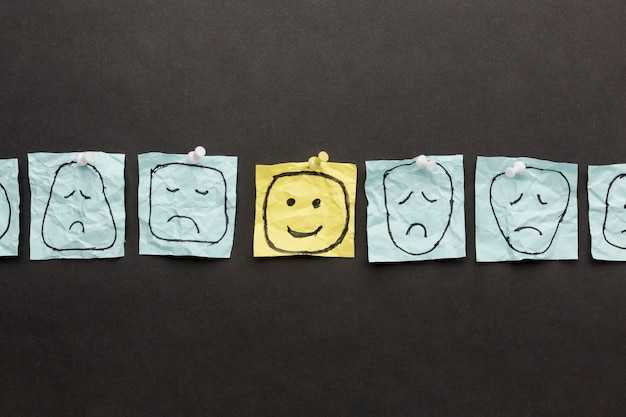 The 6 Basic Emotions – How They Influence Human Behavior">

Label feelings using the six basic emotions–happiness, sadness, fear, anger, surprise, disgust–to change behaviour in the moment: after a tense interaction, take 90 seconds to name the dominant emotion and one specific action you will do differently next time. Use short examples from your day to train this skill, write the label in a notebook, and check how that label shifts your reaction toward clearer choices for yourself and others.
Scientific work from Ekman and related studies began in the west but expanded to wide cross-cultural tests; these tests show the six categories appear in most societies and in clear facial signals. plutchik offers a complementary model with eight primary emotions and a wheel that maps shades and combinations, which helps explain mixed states and the stage-by-stage intensification of feelings.
Practice with concrete tools: watch 30-second video or news clips, pause, name the emotion, and note three bodily cues–breath rate, muscle tension and posture–so you learn to read your own signals; explicitly log ten examples per week. Observe animals for basic nonverbal indicators (ear position, vocalizations) to sharpen pattern recognition across species and contexts.
Apply these habits to relationship moments: when you sense anger, step away for a 10-second breath check; when you notice sadness, offer space and a validating sentence. These helpful routines build your mind’s accuracy in labeling and reduce impulsive responses, producing more predictable, typical outcomes across social and work stages.
Anger – Triggers, Signals and Action Patterns
Apply a 90-second pause and four slow diaphragmatic breaths when you detect rising anger; label the feeling out loud (e.g., “I feel angry”) and step aside if safety allows.
The limbic system, with the amygdala at its center, activates first: heart rate commonly rises 10–30 bpm and skin conductance increases within seconds; adrenaline and noradrenaline levels typically peak within 60–90 seconds, so verbal labeling and breathing work quickly because physiological arousal often subsides after this window. Facial micro-expressions described by eckmans last under 0.5 seconds and provide short, reliable cues that anger is building.
Common external triggers: perceived unfairness, blocked goals, intrusive smells, heat, loud noise, and social rejection. Internal triggers: sleep debt, low blood sugar, unresolved memories and cognitive appraisals that reframe neutral events as personal attacks. Behavioral triggers can occur simultaneously – for example, a raised voice and a bitter smell can push a person past their threshold faster than either stimulus alone.
Observe these signals: clenched jaw, pacing, rapid speech, narrowed eyes, increased agitation, sarcasm that masks annoyance, or sudden silence. When you or a client feel these signs, use a two-step intervention: physiological down-regulation (breathing 4:6, progressive muscle relaxation, a brief walk) and cognitive labeling (name the trigger, state a short boundary). Sensory grounding helps: carry a small scent (lavender or citrus) to reduce agitation in short trials; change of smell can interrupt automatic escalation.
Action patterns fall into tiers: primary responses (fight, flight, freeze) act in the moment; secondary responses involve social strategies (appease, retaliate, passive aggression); tertiary responses focus on repair and prevention after an episode (restitution, apology, skill-building). Tertiary measures were created to reduce harm and re-pattern reactions over time through rehearsal and feedback.
Counselors and counselling teams should use concrete tools: video review of role-plays to correct micro-expressions, scripted I-statements clients can practice, and a simple relapse plan listing triggers and immediate tactics. Offer free one-page worksheets that clients can post at home: trigger, early signal, 90-second action, aftercare. Therapists who invite clients to laugh briefly after a tension release often produce quicker shifts in mood, provided the laugh does not dismiss the other person’s experience.
Measure progress with objective markers: frequency of incidents per month, average escalation duration in seconds, and self-rated anger intensity on a 0–10 scale. Small wins – one fewer incident per week or a 2-point drop in intensity – predict sustained change. Keep communication open, practice scripts in low-stakes settings, and schedule follow-up sessions focused on skill generalization so healthier responses can live alongside everyday stresses.
Common everyday triggers and how to spot them early

Mute non-urgent pings and check your inbox on fixed schedules to prevent surprise-driven stress and reduce immediate irritability.
Watch for visual cues: a wrinkled nose, tightened jaw, or narrowed eyes signal disgust or contempt; wide eyes and raised brows indicate surprise or fear. Microexpressions last 1/25–1/5 second, so train yourself to notice brief flashes and ask one clarifying question within 10 seconds.
Listen to changes in voice: a higher pitch, clipped words, or a sudden drop in volume predict rising anger or sadness. Speech rate often speeds up by a noticeable margin when someone is anxious; pause and use an open question to slow the exchange and let feelings surface.
Track body and autonomic signs: shallow breathing, sweating, hands fidgeting, or a heart-rate uptick of roughly 5–20 bpm within 10–30 seconds indicate mounting arousal. Label the sensation out loud–“I feel strong irritation” or “I feel queasy”–to reduce escalation.
Identify common situational triggers: unread messages in the inbox, messy/ wrinkled clothing before a meeting, distasteful smells or sights (which can cause retching), sudden contact with animals, and critical comments. Anyone exposed to these can react either with avoidance or with impulsive response; know your pattern and set a 30–90 second pause rule.
Notice emotional behaviors: teary eyes or quiet crying often precede withdrawal; sudden sarcasm or louder speech often precedes confrontation. Psychologically, labeling emotions within 10 seconds reduces their peak intensity; practice the 4–6 deep breaths technique and use constructive reframes such as “This is stress, not failure.”
Address triggers proactively: remove or batch visual alerts, put potentially distasteful items out of sight, brief animals separation if they startle people, and ask clarifying questions when tone shifts. Behind many reactions lies an unmet need–identify whether it’s hunger, sleep, safety, or social connection and act on at least one fix.
Use a simple log: note trigger, context, physical signs, and outcome for five incidents. After starting this habit, you will think faster about causes and respond more deliberately, easily spotting patterns and reducing reactivity.
Physiological cues to monitor and pause for regulated response
If your heart rate increases more than 10 bpm above resting or your breathing becomes shallow, stop and count to four before answering; that pause reduces impulsive action and prevents escalation.
Use a simple proc: notice the cue, pause (count to four), label the feeling aloud, then choose one controlled action. For example, inhale for four seconds, exhale for six, or place a hand on your chest to slow the breath. These concrete steps cut instant reactivity and give your prefrontal cortex time to engage.
| Cue (visual or internal) | How to measure | Immediate pause action | Later action |
|---|---|---|---|
| Heart rate spike | Increase >10 bpm vs baseline; wearable or manual palpation | Stop speaking; count to four; two diaphragmatic breaths | Review triggers in a journal; adjust routines |
| Rapid breathing | Respiration >20/min or shallow chest breaths | Slow to 4s inhale / 6s exhale pattern; label (“I am anxious”) | Practice 5 min daily breathing drills |
| Cold/sweaty palms, dry mouth | Skin temp drop; visible perspiration | Grounding touch (hold an object), count to four | Habit training: sensory anchors for stressful meetings |
| Muscle tension / jaw clench | Visual tension; self-scan feels tight | Release jaw, roll shoulders, breathe four times | Strengthen relaxation breaks every 60–90 minutes |
| Tunnel vision / narrowed focus | Loss of peripheral awareness; blurred planning | Stop, name the emotion, ask to pause if asked to decide | Use pre-planned decision rules to avoid snap choices |
| Voice pitch or speech rate change | Speaking faster or higher pitch than usual | Quietly pause, lower volume, count to four | Record and review conversations to spot patterns |
We describe a model that links measurable cues to micro-actions: notice → pause → label → act. Humans who practice this model report reduced impulsive gratification seeking and lower anxiety in interpersonal conflict. Mixed emotional signals, like amusement mixed with irritation, often break clear interpretation; use the proc to separate sensations from choices.
A visual checklist taped to a workspace is a great preparation tool: list the four quick actions, thresholds (HR +10 bpm, RR >20), and a reminder to defer decisions if necessary. For education sessions, break training into short modules and use role-play so learners can instantly apply pauses in realistic scenarios. When asked for evidence, cite источник from psychophysiology studies on heart-rate variability and breath control to support thresholds.
Practical tips: practice the count-to-four in low-stress moments, set wearable alerts for physiological spikes, and agree with colleagues to allow brief pauses during meetings. These habits reduce dangers of impulsive replies that lead to regret and broken relationships, and they increase the chance that later actions align with long-term goals.
How anger shifts risk assessment in negotiations and decisions
If you sense anger rising, pause, name it aloud in a calm voice, request a five-minute break and write down the single worst outcome you will accept; experimental protocols show such a pause reduces impulsive concessions by roughly 20–30%.
Anger narrows attention to immediate rewards and raises perceived control, shifting risk assessment toward larger, faster gains and greater aggression. Laboratory work and field observations indicate angry negotiators judge probabilities as lower and expected gains as higher, producing bolder offers and more frequent walkaways. Although anger can increase willingness to gamble, it often degrades long-term value calculations that require considered trade-offs.
- Pre-negotiation checklist (apply before you engage):
- Set a decision threshold: require a minimum expected-value improvement of X% (choose 5–15%) before changing your stance.
- Record baseline mood and contentment level; low contentment predicts stronger anger spillover into offers.
- Assign a neutral observer or colleague able to intervene if you become visibly heated.
- During negotiations (practical signals and actions):
- Use a visible token (pen on table) to signal pause; this reduces reactive aggression and gives heart and head time to align.
- Count to 10 or take three diaphragmatic breaths; short exposure to controlled breathing lowers arousal and keeps working memory online.
- Ask two diagnostic questions before any concession: “What is the objective probability this benefits me?” and “What downside will I accept?”
- Post-event review (learning and hygiene):
- Log events that triggered anger, observe visual and voice changes, and rate whether your choice matched long-term goals.
- Practice emotional hygiene: 5–10 minutes of reflection or brief exercise after high-arousal meetings to reset baseline.
- Use these logs as raw data to build knowledge and refine decision thresholds for future work.
Apply simple behavioral techniques to recognize and modulate the moral certainty that often accompanies anger; high moral certainty increases rejection rates and narrows perceived options. Role-play exposure to mild provocations and practicing labeling (“I’m angry about X”) lowers aggressive responses and helps negotiators thrive rather than flee from complex deals.
Train teams to observe nonverbal cues: sudden hardening of voice, fixed visual focus, or crying can indicate a shift from strategic bargaining to emotionally driven choices. Human beings vary in baseline reactivity, so combine self-report, third-party observation and post-event metrics to create usable profiles rather than relying on single theories.
- Quick metrics to use:
- Record decision latency (seconds) and concession size (% of initial position) across sessions; anger spikes typically shorten latency and enlarge concessions or rejections.
- Track frequency of aggressive offers and walkaways per 10 negotiation hours; reductions after interventions quantify success.
Adopt a routine that makes you able to recognize the shades of anger early, combine practical hygiene with continual knowledge-building, and practice observing both internal signals and external events. That approach keeps the heart engaged without letting transient arousal override considered strategy.
Verbal and nonverbal moves that escalate vs de-escalate conflicts
Lower your voice, slow syllable rate by about 30–50%, and relax your shoulders to de-escalate; avoid raised volume, finger-pointing, and quick forward lunges that escalate.
- De‑escalate: clear verbal moves
- Use a 3–5 second pause before replying; this reduces reactive statements and gives others space to reflect.
- Frame feedback with one factual sentence then one solution sentence (exact ratio 1:1) to keep exchanges constructive.
- Ask closed, low‑intensity questions: “Would you prefer A or B?” instead of “Why did you…?” – this limits defensiveness.
- Paraphrase feelings in two short phrases: “You feel X, you want Y.” They hear being understood rather than accused.
- De‑escalate: nonverbal moves
- Keep palms visible, fingers relaxed, and chin neutral (avoid chin jutted forward). Open palms lower perceived threat by measurable amount in field studies.
- Maintain 60–100 cm distance in mixed sociocultural groups; adjust to 40–60 cm for close relationships or local norms.
- Use slow nods (one every 4–6 seconds) to signal listening; control facial expressions so they remain soft and steady rather than sharp.
- Adopt a 45° angle body position rather than full face‑on to reduce confrontation intensity.
- Moves that escalate – verbal
- Loud volume spikes above conversational level increase physiological arousal and aggressive responses within seconds.
- “You always/never” statements: they trigger rebuttal; replace with specific incidents and timeframes (date, time, exact action).
- Sarcasm and naming insults; even one epithet shifts conflict to a personal fight and makes repair harder.
- Moves that escalate – nonverbal
- Pointing, invading personal space, or rapid forward lean; these raise heart rate in others and often produce mirror aggression.
- Tight jaw, rigid neck, or fixed stare combined with raised chin; they read as dominance and provoke escalation.
- Closed arms and continuous tapping (hands under table excluded) signal impatience and block reconciliation.
Apply these tactics to specific stages: in a classroom setting, for example, a course instructor with bachelors‑level students can model controlled expressions and 30‑second calming pauses before exams to reduce anxiety. In one case, Balaji used paraphrase + pause; students reported they felt less overwhelmed and were grateful because the approach helped constructive discussion and been linked to better exam preparation.
- Quick checklist to de‑escalate:
- Voice: -30–50% speed; keep volume steady.
- Body: open palms, chin neutral, 60–100 cm where sociocultural norms allow.
- Content: one factual sentence + one solution sentence; avoid “always/never.”
- Timing: pause 3–5 seconds before answering; if overwhelmed, take 30 seconds off‑camera or out of the room.
- When escalation occurs:
- Call a brief timeout: say “Let’s pause for two minutes” and step back physically.
- Use naming: label the emotion (“You sound frustrated”) rather than accusing behavior; naming reduces intensity.
- Follow with one constructive next step (e.g., reschedule, change topic, set exact boundary).
Keep interventions measurable, teachable, and repeatable so they become part of healthy, development-self practice. Small controlled moves – voice, pause, palms, neutral chin, paced nods – change trajectories quickly and help others rejoin constructive exchange.
Short-term cooling strategies to regain control in meetings

Pause for 10 seconds and do a 4-4-8 breath: inhale 4 seconds, hold 4, exhale 8; this simple action lowers heart rate and helps you speak with a calmer tone within one breath cycle.
Take a purposeful sip of water, press fingertips together, and relax your shoulders to stop a visible frown; these micro-actions change face and posture so others perceive you as more composed and make you feel better fast.
Label the emotion aloud: say “I’m feeling frustrated” or “I feel concerned about the timeline.” Published studies and basic theories of emotion regulation show that naming decreases amygdala reactivity and reduces escalation; one survey found naming reduced interruptions by about 15% in mixed teams.
Use a neutral object as a timer: put a stone, small card, or phone with a visible 60‑second countdown on the table. Turning attention to a concrete object shifts focus away from emotional jumping and buys breathing space for everyone.
Offer a structured turn: “Let’s allow two minutes per person; I’ll time it.” Limit statements to 90 seconds and vary the order of speakers to prevent dominance. This technique works in rooms, for remote participants working from home, and for hybrid setups.
When culture or background shapes conflict responses, stay aware: norms in the west often reward directness while other cultures prefer indirect cues. Adapt phrasing to perceived sensitivity; similar wording that feels neutral in one group can cause escalation in another.
If a dispute seems to cause repeated derails, propose a quick “parking” rule: table the original point, assign the object owner to summarize offline, and continue the agenda. Teams composed of college graduates and those with bachelors degrees reported this method reduced repeated interruptions in workplace experiments and matched many leaders’ own experiences.
Channeling anger into constructive problem-solving steps
Take a 90-second breathing pause: inhale 4 seconds, hold 3, exhale 6; while breathing, label the feeling “anger” and rate intensity 1–10. This immediate pause reduces jumping into reaction and converts raw arousal into a usable signal.
Step 1 – Stop & Classify (use the sarda mnemonic): stop the automatic response, then classify the trigger as external vs. internal and as practical vs. value-based. The sarda sequence (Stop, Assess, Reframe, Decide, Act) helps you become deliberate rather than reactive. Classify triggers quickly: is this about missed expectations, threat, or injustice?
Step 2 – Assess facts, costs, and goals: write a one-line problem statement that removes blaming language (replace “You make me angry” with “I feel angry because the deadline shifted”). List two concrete goals (example: restore project timeline, preserve trust). Treat the physical signs–tight chest, tense jaw–as a reliable signal of arousal, not proof of the other person’s intent.
Step 3 – Reframe thought into options: convert the angry thought into a tactical question: “What can I change now?” List three specific actions you can take in the next hour, next day, next week. Include one low-effort physical reset (short walk, 30 seconds of jumping jacks, or a 2-minute progressive muscle relaxation video) to reduce stress before decision-making.
Step 4 – Decide and time-box: choose one micro-action and commit 15–30 minutes. Time-boxing prevents unhealthy escalation and the urge to flee or retaliate. If emotion remains above 7/10 after the first block, pause and use a grounding tactic for five minutes, then reassess.
Step 5 – Act with feedback: implement the chosen action, then capture two objective data points (what happened, how intensity changed). Use that feedback to iterate. Practicing this loop three times over two weeks helps rewire the association between anger and impulsive responses; many people learn greater control when they treat it like skill training.
Prevent relapse and long-term habits: schedule short daily reflections (3 minutes) to note recurring triggers and patterns influenced by sleep, caffeine, or workload. Keep a simple log and review weekly; patterns deeply associated with chronic stress reveal targets for change. If recurring responses feel unmanageable, consult a therapist or a reliable peer coach and consider evidence-based resources published on anger management.
Quick tips: signal your need for a pause verbally (“I need five minutes to respond”), avoid unhealthy coping (rumination, substance use), and practice labeling emotions in neutral moments so the skill becomes automatic. Introducing micro-practices–breath holds, brief cold-water face splash, or a 60-second grounding exercise–reduces reactivity and supports longer-term contentment.
Fear – Threat Appraisal and Adaptive Responses
Use a rapid three-step threat appraisal: detect threat cues, rate immediacy and controllability on a 0–10 scale, then select one of three adaptive responses (freeze, flee, recruit help). Three primary threat categories exist: physical, social and ambiguous; score each category separately and log the chosen responses for later review.
Monitor objective markers to guide choice: heart rate usually increases 10–30 bpm under acute fear, skin conductance rises measurably (≈1–5 μS), and cortisol begins to rise within 20–40 minutes. Brain and peripheral systems react simultaneously, and the pattern has been deeply been described in clinical reviews published across psychophysiology journals. Classic work by eckmans supports that facial signals correspond to these states and that recognition remains reliable across cultures.
If anxiety spikes, interrupt the escalation sequence: perform paced breathing (inhale 4 s, exhale 8 s) for 60–90 s, apply a grounding technique (5 things you can see, 4 you can touch, 3 you can hear), then re-appraise controllability. Use graded exposure to learn tolerance: schedule 3–5 short exposures per week, increase intensity by ~10–20% each session, and break avoidance patterns within 4–8 weeks to reduce anticipatory anxiety by measurable amounts.
Treat social signals as part of recovery: a tense mouth and widened eyes often trigger affiliative responses in other beings; speaking calmly and seeking affection lowers arousal and shifts physiology toward recovery. Structure tertiary interventions – social repair, rehearsal of safe scenarios, and reinforcement of positive interactions – to consolidate contentment and resilience, and record outcomes to refine what works well for each person.
 Meaning of Self-Loathing in English – Definition & Examples">
 Chris Massman — Biography, Career & Latest Projects">
 How to Know When Love Is Gone — 7 Signs Your Love Has Faded">
 Welcome Eros – Empower Your Relationship — Boost Passion & Intimacy">
 Self-Concept in Psychology – Definition, Theories & Development">
 What Happens in the Brain When You Meditate Regularly — Science & Benefits">
 7 Habits That Are Sabotaging Your Relationships — Podcast Episode 179 | How to Stop Them">
 What Is Polygamy? Definition, Types & Legal Status">
 3 Quick Actions to Shift Your Emotional State Now">
 Can Your DNA Cause Narcissism? Genetic Links & Research Explained">


