

 Chinese
  English
  Russian
  French
  German
  Italian
  Spanish
  Polish
  Ukrainian
  Turkish
  Portuguese
  Greek
Greek  Arabic
  Korean
  Japanese
  Czech
Czech  Excessive Sleepiness – Definition, Symptoms, Traits, Causes, and Treatment – A Comprehensive Guide">

Marked daytime drowsiness appears when nocturnal sleep is frequently interrupted, while naps provide little relief; about nine percent of adults report persistent impairment. Patients say they feel tired early in the day, have poor concentration, impaired memory, reduced reaction time; they face higher accident risk at work or during driving.
Common causes include obstructive sleep apnea with repeated airway collapse, narcolepsy often with cataplexy linked to hypocretin loss and dopamine pathway alterations, sedating medications such as opiates or certain antidepressants, plus biological insults to brain tissues after stroke or traumatic injury. Anxiety disorders frequently coexist; symptoms that last more than a month require focused evaluation.
Use structured screening: Epworth Sleepiness Scale above 10 suggests clinically relevant daytime impairment; MSLT confirms pathological sleep propensity; overnight polysomnography detects apneas. healthline lists sedative culprits to review; patients experiencing unexplained daytime lapses should have medication reconciliation as part of initial workup where prescribing clinicians can adjust regimens.
Start targeted interventions immediately: optimize sleep hygiene and lifestyle factors; schedule fixed sleep times, limit caffeine after mid afternoon, introduce morning bright light exposure, add timed exercise. For refractory cases consider wake-promoting agents such as modafinil or stimulant therapy; sodium oxybate remains the choice for severe cataplexy. Monitor blood pressure, screen for misuse risk when stimulants are started; once daytime alertness improves plan gradual tapering under specialist supervision, making follow-up visits at four to twelve weeks mandatory.
Excessive Sleepiness: Definition, Symptoms, Traits, Causes, and Treatment – Depression and Excessive Sleepiness
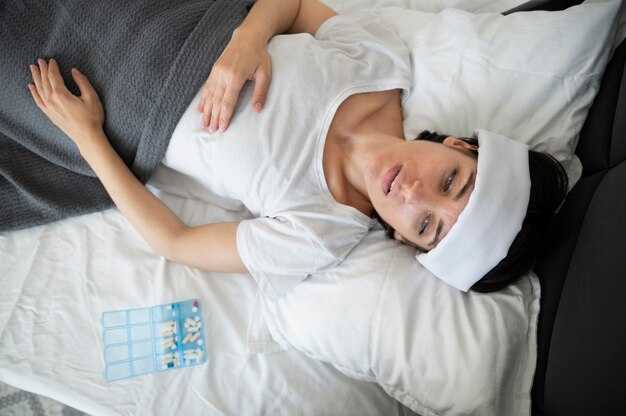
If experiencing persistent daytime drowsiness while reporting depressive mood, arrange clinical evaluation within 7–14 days; request primary care mood screening, ECG focused on heart rhythm, basic metabolic panel, TSH testing, B12; vitamin D assays, plus referral for overnight polysomnography when symptoms appear suddenly or brief sleep attacks are reported. Before starting medication, obtain written advice about side effects, privacy protections for mental health records, and high-quality evidence summaries related to combined psychotherapy options.
Diagnostic approach should target three domains: mood features, sleep pattern changes, daily function. Use structured tools to find objective signs; examples: PHQ-9 for depressive features, Epworth Sleepiness Scale for daytime impairment, actigraphy for sleep timing. Labs and imaging help diagnose secondary contributors such as hypothyroidism, anemia, metabolic disturbance, cardiac conditions affecting sleep; report any unexplained weight loss, memory loss, chest pain, or focal neurologic trouble. If neuroimaging is performed, discuss findings that may show loss of gray matter or changes in brain tissues linked with chronic depressive illness; dont omit consideration of medication side effects that cause hypersomnia while evaluating sources of symptoms.
Management plan must be specific, measurable, and reviewed regularly. Start with behavioral elements: establish a regular sleep schedule, timed light exposure on waking, gradual move back into valued activities, activity pacing for reduced fatigue. For pharmacologic options, discuss risks when patient cant tolerate stimulants or when antidepressant selection doesnt improve daytime impairment; monitor heart rate, blood pressure, weight, sleep attacks, plus any physical side effects. Consider referral for CBT focused on sleep; assess need for additional specialty care if secondary sleep disorders are suspected.
Clinical communication should include family when permitted by privacy preferences; provide clear details about tests ordered, expected turnaround time, follow-up intervals, and reputable sources for patient education. When life functioning is markedly affected, prioritize coordinated care along psychiatry, sleep medicine, primary care teams; set short-term goals, realistic daily targets, and plan for reassessment of symptoms in 4–8 weeks. Keep documentation of findings, tests, management steps; list additional reading sources from peer-reviewed journals for patients seeking more details on topics affecting mood-related daytime impairment.
Core facets and practical considerations
Use the Epworth Sleepiness scale to quantify daytime sleepiness: aim for a score under 10, repeat measurement every 30 days and bring scores to appointments for accurate tracking.
Keep a regular sleep diary that logs bedtimes, wake times, naps, dreaming frequency and any moments when you are unable to stay awake; those entries are telling to doctors and improve the clinician’s ability to diagnose problems.
If theyll report strong, sudden sleep attacks or cataplexy, contact a regional sleep center immediately; most centers run multiple sleep latency tests and nocturnal polysomnography to confirm narcolepsy or related syndrome.
Avoid sedating antihistamines and certain OTC sleep aids because their cumulative effect increases tiredness and can invalidate diagnostic testing; doctors may prescribe wake‑promoting medications or recommend devices such as CPAP when obstructive events coexist.
Anyone experiencing significant impairment during work, driving or caregiving should find medical help within days, know their rights at work, and discuss reasonable adjustments with employers so each safety risk is addressed and life disruption is minimized.
Definition: Distinguishing Sleepiness from Fatigue
If you fall asleep during passive activities such as sitting in class or reading and feel an irresistible need to nap, contact a sleep provider for testing because that pattern indicates true sleepiness rather than simple tiredness.
- Core clinical distinction
- Sleepiness: tendency to doze off, microsleeps, naps usually restore alertness; most cases are caused by disorders such as obstructive sleep apnea (snoring, stop breathe events), narcolepsy, or idiopathic hypersomnia.
- Fatigue: persistent lack of energy, heavy limbs, or mental exhaustion without involuntary sleep episodes; exercising may worsen perception of effort rather than produce sleep.
- Objective tests and thresholds
- Epworth Sleepiness Scale – scores ≥10 suggest clinically relevant sleepiness; use for screening but not definitive.
- Multiple Sleep Latency Test (MSLT) – mean sleep latency <8 minutes and presence of SOREMPs supports narcolepsy diagnosis.
- Polysomnography and actigraphy provide accurate details on sleep architecture and sleep quality.
- Common causes to evaluate
- Sleepiness often caused by: untreated sleep apnea (snoring, gasping, stop breathe), narcolepsy, idiopathic hypersomnia, sedating medications, or sleep restriction.
- Fatigue often caused by: mood disorders, chronic medical illness, anemia, deconditioning, or medication side effects (including some SSRIs that alter serotonin reuptake).
- Medication and management considerations
- Review all medications; many prescription and OTC agents cause drowsiness. Ask your provider to list sedating meds and potential substitutes.
- Stimulant medications (modafinil, methylphenidate) can reduce pathological sleepiness but carry risks – cardiovascular effects and dependence; discuss alternatives and monitoring with a clinician.
- Caffeine from the store or energy products can be a short-term substitute but is not the best long-term strategy and may mask underlying disorder.
- Practical steps and safety
- Keep a sleep diary with bed/wake times, naps, and events that happen during sleep to share with your provider.
- If you feel sleepy while driving, stop and nap or arrange alternate transport – sleepiness greatly increases crash risk and is harder to manage than fatigue alone.
- For students: daytime dozing in school is a red flag; most academic decline from sleep problems is reversible after accurate diagnosis and targeted treatment.
- When to seek evaluation
- See a sleep specialist when involuntary sleep episodes occur every day, when daytime function is impaired, or when standard measures (sleep extension, better sleep quality) do not help.
- Provide detailed symptom timelines and medication lists; small details can change diagnosis from fatigue to a sleep disorder such as narcolepsy or idiopathic hypersomnia.
This article lists clear markers to distinguish the two states: sleepiness leads to dozing and objective test abnormalities, fatigue produces a heavy, effortful feeling without sleep episodes. For an accurate plan you need testing, medication review, and a provider-directed treatment strategy tailored to the specific cause.
Daytime Symptoms to Monitor: Drowsiness, Microsleeps, and Concentration Lapses
If drowsiness forces drifting, nodding, or microsleeps while driving or during hazardous activities, stop immediately, pull over, and contact emergency services or your doctor within 24 hours.
Microsleeps are brief involuntary sleep episodes lasting 1–15 seconds; more than 3–5 identifiable episodes per day or any episode during driving/work is actionable. Track frequency, duration, and context (time of day, recent naps, caffeine use). Falling asleep mid-sentence or missing steps when walking indicates impaired alertness and elevated risk for falls and injury.
Keep a 14-day log yourself: record naps, bedtime, awakenings, caffeine/alcohol intake, medications, and alertness scores for routine tasks. A study of hundreds of shift workers showed clear association between >6 hours nightly sleep and degraded concentration and performance; once patterns show decline, theyll order objective testing (overnight polysomnography and Multiple Sleep Latency Test) to distinguish disorders such as narcolepsy or obstructive sleep apnea.
Review current drugs and medications with your clinician: many common prescriptions and OTC drugs contribute to daytime impairment. Stimulants and wake-promoting agents (modafinil, methylphenidate) work to restore alertness, but other classes – notably dopamine agonists used in Parkinson disease – are related to sudden sleep episodes. Alcohol and recreational drugs also increase microsleep risk; dosage, timing, and drug interactions commonly amplify impairment. Never change taking or stop a prescribed drug without consulting doctors.
Immediate safety steps for anyone with frequent lapses: avoid driving and heavy machinery until cleared; schedule early evaluation with a sleep specialist; consider a CPAP appliance if apnea is suspected; prioritize regular sleep opportunity (consistent bed and wake times) and avoid late-night exercising that can fragment sleep. Beware of informal tips on Pinterest–verify interventions with clinicians. If you cant maintain alertness during study, work, or daily activities, you need assessment – early diagnosis and intended treatment improve daytime performance and reduce risk.
Sleepiness Traits: Timing, Triggers, and Individual Risk Profiles
Recommendation: Seek clinical assessment when sleepy episodes occur three or more times per week, naps last longer than 20 minutes, or inability to remain alert causes work, driving, or safety difficulty.
Timing observations: Peaks often happen mid-afternoon; early-morning tired feeling suggests fragmented nocturnal sleep; difficulty falling asleep at bedtime shows circadian delay. Rapid transitions from alert to sleepy within 30–60 minutes after a meal or during monotonous tasks point to homeostatic pressure; persistent morning grogginess for longer than two hours may indicate medication effects or a sleep disorder; brief hypnic jerk episodes at sleep onset are a common sign rather than a severe condition.
Common triggers: Sedatives, alcohol drinking, certain OTC products, stimulant withdrawal, weight gain, unmanaged anxiety, irregular nap schedules. Daytime mental fatigue often results from accumulated sleep pressure in brain tissues; caffeine use late in the day can mask symptoms while worsening sleep later. Prescription wake-promoting agents such as provigil may be prescribeD for select cases; accurate dosage decisions require specialist review; avoid combining stimulants with sedatives without supervision.
Assessment and risk profiling: Use objective techniques for an accurate picture – actigraphy for weekly patterns, MSLT for daytime sleep propensity, polysomnography for nocturnal architecture. Evaluate comorbid mental disorder, metabolic contributors linked to weight, substance use history, workplace safety risks. Anyone with progressive decline in function, worsening concentration, or new anxiety should receive prioritized evaluation; they may need tailored behavioral strategies plus medical review.
| 特点 | How it shows | Recommended action |
|---|---|---|
| Timing | Mid-afternoon dips; prolonged morning tiredness; naps longer than 20 minutes | Track time of day for two weeks; use sleep diary; consider circadian assessment |
| Triggers | Drinking alcohol, sedatives, irregular sleep, heavy meals, stimulant withdrawal | Reduce evening drinking; stop sedatives under supervision; regularize bedtimes |
| Risk profile | Obesity, anxiety, shift work, medication effects, chronic mental fatigue | Screen for sleep disorder; weight management; targeted behavioral techniques; specialist referral if symptoms persist |
Root Causes: Medical Conditions, Mental Health, and Lifestyle Factors
If daytime sleepiness limits your performance, see a registered andor licensed provider promptly; bring a 2‑week sleep log, medication list, weight history, notes on naps, caffeine use, bedroom routines.
- Obstructive sleep apnea (OSA): affects roughly 9–38% of adults, higher in persons with BMI >30. Common sign: loud snoring, witnessed apneas, interrupted breathing. Diagnose with overnight polysomnography or home sleep apnea test. Positive airway pressure often reduces daytime symptoms; weight loss, positional therapy, dental devices remain options.
- Narcolepsy: prevalence ~0.02–0.05%. Hallmarks: excessive daytime sleep episodes, cataplexy in some. Use overnight study plus multiple sleep latency test to confirm. Stimulants such as modafinil, methylphenidate used under careful supervision from sleep medicine expertise.
- Kleine‑Levin syndrome: rare, estimated 1–5 per million. Presents with recurrent hypersomnolence episodes, cognitive changes, hyperphagia. Refer early to neurology or sleep specialist for diagnosis details; treat episodic flares with targeted measures.
- Restless legs syndrome / periodic limb movement disorder: prevalence ~5–10%. Symptom: uncomfortable sensation in legs at rest, urge to move, sleep fragmentation. Check ferritin, renal function. Dopaminergic agents or gabapentin considered by a registered provider.
- Medical causes: hypothyroidism, anemia, chronic pain, COPD, heart failure, nocturia, gastroesophageal reflux can cause interrupted sleep or daytime impairment. Basic labs: TSH, CBC, metabolic panel. Treat underlying disease to improve alertness.
- Medications, substances: sedating antidepressants, opioids, antihistamines, certain antipsychotics increase sleepiness. Stimulants, caffeine, nicotine disrupt sleep architecture when taken late. If youre taking sedating drugs, review dose timing with prescriber; taper only under supervision.
- 心理健康: major depression, bipolar disorder present with hypersomnia in subsets. Psychiatric assessment, mood charting, targeted therapy often required. Treat comorbid psychiatric illness to reduce daytime impairment.
Lifestyle contributors
- Irregular sleep schedule, shift work, prolonged screen exposure in the bedroom. Remove devices that show advertising or bright content; set a dark, cool sleeping environment.
- Naps: limit to 10–20 minutes early afternoon for short restorative benefit. Longer naps frequently cause sleep inertia, worsen nighttime sleep.
- Exercising regularly reduces daytime sleep drive when performed earlier in the day; avoid vigorous activity within 90 minutes of bedtime.
- Alcohol shortens sleep latency but produces fragmented sleep later; avoid within 4–6 hours before bedtime.
- Assessment checklist for your visit: sleep log, list of stimulants and sedatives, weight trend, daytime performance issues, episodes where sleep is interrupted, family history of sleep disorders.
- Objective tests to discuss with provider: polysomnography, multiple sleep latency test, actigraphy, ferritin, thyroid studies, overnight oximetry depending on presentation.
- Safety steps to take yourself right away: avoid driving when drowsy, schedule naps strategically, reduce late caffeine, secure a medical evaluation within weeks if symptoms persist or worsen.
Risks tied to untreated causes include motor vehicle crashes, workplace incidents, poorer cognitive performance, cardiovascular morbidity. Seek expertise from sleep medicine, psychiatry, primary care; stay informed about different options before consenting to interventions. Share positive response data from treatments with your provider to refine therapy along the care pathway.
Management Pathway: Evaluation, Sleep Hygiene, and Care Options
Seek sleep clinic evaluation within 2 weeks if daytime episodes occur suddenly, cause difficulty remaining awake, produce hallucinations, trigger brief loss of muscle control or falls, or result in injuries.
Initial evaluation: structured history focused on sleep-wake rhythm, timing of naps, nocturnal duration, recent schedule change, current medications, drinking habits, substance exposure, mood features such as depressive symptoms; use Epworth scale for quantification; obtain collateral feedback from bed partner or caregivers; record occupational risks going to work that requires vigilance.
Objective testing: overnight polysomnography with respiratory channels, oximetry, EEG; follow with Multiple Sleep Latency Test when obstructive events treated or when narcolepsy suspected; mean sleep latency ≤8 minutes suggests pathological daytime propensity; two or more sleep-onset REM periods support narcolepsy-spectrum diagnosis; when results are ambiguous, apply 7–14 day actigraphy plus 2-week sleep diary; store diary data for clinic review.
Urgent indicators that require immediate action: sudden sleep attacks while driving, recurrent hallucinations interfering with function, injuries from unprovoked falls, worsening depressive symptoms that limit daily tasks; restrict driving and heavy machinery access until clinic assessment clarifies diagnosis.
Sleep hygiene prescription: fixed wake time with target sleep opportunity of 7–9 hours for most adults; set bedtime early when phase advance desired; advance bedtime by 15–30 minutes every 3 nights when circadian delay present; limit naps to 20 minutes between 13:00–15:00; avoid drinking caffeine after 14:00; avoid drinking alcohol within 4 hours of bedtime; finish vigorous exercising at least 3 hours before sleep; maximize bright light exposure early in the day when phase advance needed; practice 5 minutes of paced breathing at bedtime to reduce hyperarousal; optimize bedroom temperature, darkness, noise control for consolidated sleep.
Nonpharmacologic care options: cognitive behavioral approaches tailored to sleep-wake disorders, targeted psychotherapy when depressive features present, vocational adjustments for shift workers, physical therapy for injury recovery; use behavior change techniques with scheduled follow-up to track response.
Pharmacologic care options depend on final diagnosis: obstructive sleep apnea requires CPAP with adherence monitoring; residual daytime impairment after apnea correction may respond to wake-promoting agents such as modafinil or armodafinil; consider stimulants like methylphenidate for refractory cases; sodium oxybate indicated for significant REM-related phenomena such as cataplexy or severe sleep-onset REM symptoms; start low, titrate every 1–2 weeks while monitoring blood pressure, mood, hallucinations, attack frequency; store controlled medications securely in locked container; consult pharmacy for dispensing limits.
Evidence, follow-up, safety: peer-reviewed trials support combined use of wake-promoting agents plus behavioral interventions to improve daytime function; collect baseline objective measures when possible, then obtain patient feedback on how treatments are going at 4, 8, 12-week intervals; though many improve with basic measures, some require different pharmacologic classes or multidisciplinary care; if symptoms persist longer than 3 months despite optimized treatments, re-evaluate to diagnose alternative causes, review medication interactions, screen for medical comorbidities.
Practical rules: if it remains difficult to maintain alertness while driving, suspend driving privileges until clinic re-evaluation; document function, near-misses, frequency of attacks, presence of hallucinations at each visit; store treatment plans and medication logs in the medical record; this article supplies clinic-ready protocols and checklists for implementation; involve pulmonology, neurology, psychiatry when complex presentations require specialist input to diagnose and to refine treatments so patients do well.
 11 Signs You Might Be an Overachiever – Are You One?">
 ADHD Symptoms in Young Girls – A Comprehensive List and Early Signs">
 The Princess Treatment vs Bare Minimum Debate – What TikTok Still Isn’t Getting About User Expectations">
 How to Overcome Your Fear of Rejection and Abandonment – Podcast Episode 293">
 5 Signs of Emotional Baggage in a Relationship – How to Heal">
 Fearful-Avoidant Triggers – Why Do I Feel Triggered by Both Closeness and Distance?">
 What Is Empathy? Definition, Examples, and Its Impact">
 7 Reasons You Might Let People Mistreat You (And How to Set Boundaries)">
 Dating Someone with Anxiety – What to Expect and How to Support">
 10 Signs You Might Be Settling in Your Relationship – How to Find Real Love">


