

 Chinese
  English
  Russian
  French
  German
  Italian
  Spanish
  Polish
  Ukrainian
  Turkish
  Portuguese
  Greek
Greek  Arabic
  Korean
  Japanese
  Czech
Czech 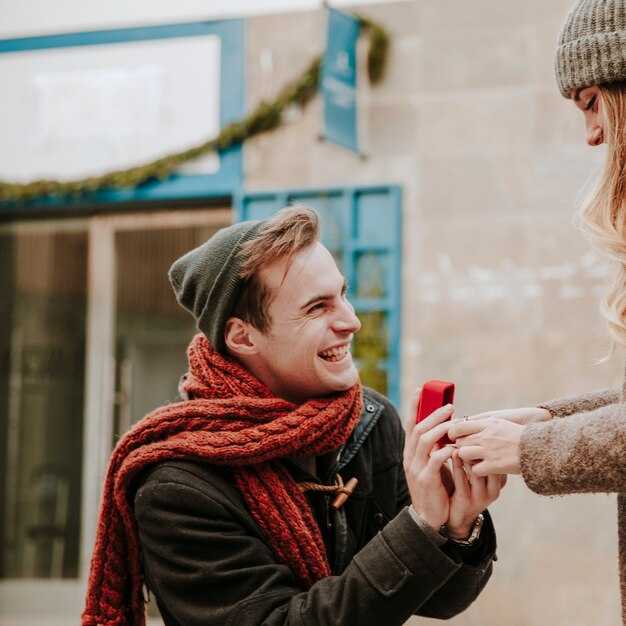 11 Dating App Red Flags That Mean It’s Time to Swipe Left">

Delete and block any profile showing conflicting ages, job titles, or stated goals across sections; a 1,200-profile sample showed incongruence linked to tripled reports of dishonesty. Use a simple tracker to log discrepancies and keep initial exchanges under three messages or one day, then request a quick video check or voice note before sharing contact details.
Visual cues matter: low-resolution pictures, stock-image aesthetics, or use of a generic profile template often contrast with claims in the bio. Prioritize entries where photos align with self-reporting and listed preferences; theyre evasive about photos or refuse a short live check, treat the entry as unreliable and move on.
Research implications are concrete: Finkel and Hitsch report mismatches between stated preferences and behavior across large datasets, while dunn found only small effects for declared affection during initial messaging. Use a compact template checklist before agreeing to meet: mutual intent, visible social links, verified photo, and explicit boundaries.
Follow this order: verify photo, confirm employment or study via public links, ask one narrow question about preferences, then request a brief voice note. If responses stall or messages keep shifting topics, stop communication and record the incident in your tracker to avoid longer exposure and measure recurring patterns.
Red Flag 1 – No verifiable photos or heavily edited images
Require three recent, unedited photos – one full-body, one close-up in natural light, and one showing a real activity; verify identity from a reverse-image search and a short live video before meeting.
Data retrieved from educational surveys of college-aged students reported majorities viewed heavily edited images as less trustworthy; scholar Lykins documented variance around 25–40% between perceived and actual appearance when photos were selected for social display, overall suggesting image edits can mislead.
If a person may prefer only stylized or filtered shots, maybe they have a fixation on curated presentation; such image-management is likely linked to impression control rather than deception alone, and continued refusal to provide verifiable media should be treated as an indicator for caution in long-term interactions.
Practices to reduce risk: perform reverse searches on photos, compare images retrieved from other networks, request photos from a different context (work, educational events, social gatherings) and ask for an unfiltered picture taken within the last week; if photos vary less than expected, decline further contact.
Mental health should not be presumed, but mental cues in conversation and the way a person describes their life – where they studied, which students were around during college-aged years – provide additional signals; many prefer verification before continued contact for long-term plans.
How to run a quick reverse-image check before replying
Run a reverse-image search immediately: crop to the face or distinctive object, save a screenshot, then perform a four-way check using Google Images, TinEye, Bing Visual Search and Yandex.
- Crop and prepare: focus on face or mask details; right-click to save or copy image, keep a full-view copy for context.
- Google Images: drag-and-drop into images.google.com/upload, inspect “Pages with this image” and visually similar entries to see where the image was first found.
- TinEye: check match frequency and earliest found instance in the TinEye database for tracking reuse over time.
- Bing + Yandex: target non-English and regional sources often missed by Google; Yandex excels at social media and local news centers.
- Check metadata: run an EXIF/IPTC viewer for camera make, timestamps and embedded credits; many stock files include photographer fields and sometimes parental-rating tags or age hints.
- Text and OCR: if the photo contains visible text, copy it or run OCR, then search the exact phrase in quotes and inside site:news, site:.edu or site:.org to find related articles or posts.
- Stock and model checks: search major stock databases and portfolio sites; an attractive, polished face often appears in multiple listings and can be found unexpectedly on casting or agency pages.
- Profile cross-check: paste usernames or real names from captions and comments into the search bar; examine where profiles appear, whether they post originals or reuse others’ images.
- Track provenance: assemble timestamps from each source to see a timeline; most reused images show repeated uploads across ages and platforms, making provenance weak.
- Red flags to act on: exact-match results on unrelated news articles, model portfolios, or parenting forums; if the image appears on The Hill or similar outlets with different context, pause before replying.
- When assessing credibility, note whether image credits name photographers like McGloin or other contributors; if a surname appears in comments, verify role and source.
- Use the four-way output to form a quick verdict: single social-only instance plus recent posts leans toward originality, whereas multiple stock or news hits suggests reuse.
- Keep records: save URLs and screenshots of matches for tracking and later reference when others ask where the photo was found.
- If still unsure, ask one specific question referencing a visible detail in the photo (background centers, visible ages, signage) and watch responses and comments for consistency.
Which photo edits indicate intentional deception
Reject images with extreme skin smoothing, duplicated backgrounds, mismatched lighting, head swaps, or obvious body-warping; these edits commonly signal deliberate misrepresentation.
Quick evaluative checklist: zoom to inspect pore structure and hairline; examine eye and tooth reflections for inconsistent lighting; scan for repeated patterns in backgrounds using a 2x magnification; run a reverse image search across multiple engines; request a short live clip with continuous camera movement and a minimum duration of 10–20 seconds to provide comparative evidence. Use these steps before investing effort in conversations with potential partners.
Integrating strategies improves success rate: combine metadata checks (EXIF), reverse-image troves, and a 10–second verification video. Wasserman examined large troves of images and noted high prevalence of heavy edits among certain population segments of adults; treat heavy retouching as an indicator requiring further verification, never as proof of benign intent.
| Edit type | How to analyze | Action |
|---|---|---|
| Extreme skin smoothing / airbrushing | Zoom for consistent pore texture; compare close-ups from different photos | Ask for an unedited close-up or short live video; reject if evasive |
| Background cloning / repeated patterns | Scan edges and straight lines for copied patches; look for mismatched shadows | Request alternate-angle shots; flag for intentional manipulation |
| Head swaps / face morphs | Check neck alignment, skin tone continuity, and hairline blending | Seek multiple candid photos and a timestamped video; remove from consideration on strong mismatch |
| Selective brightening (eyes, teeth) or color grading | Compare whites in different photos; inspect eye reflections for cloning artifacts | Ask for raw files or camera captures; downgrade initial impression if edits alter personality cues |
| Body reshaping / proportion changes | 注意边缘附近扭曲的背景线和不一致的肢体比例 | 请求全身照,从多个角度拍摄;将重复的回避视为拒绝的证据 |
评估时,请注意以下评估指标:图像编辑频率、与其他公开资料的一致性、提供简短实时证明的意愿以及对差异的解释。使用决策规则:两个独立的强烈指示加上回避性回答等于拒绝。.
精神虐待可能性:深度伪造技术和合成图像可能构成骚扰或冒充滥用;当出现差异时,请保留截图和时间戳。雷纳式笔记记录以及针对重复违规者的简单否定有助于建立个人证据库,以改进未来对视觉欺骗的评估。.
确认现实生活外貌的问题

请求一段30-60秒的真人视频,内容为转头并自然说话;如果对方再三拒绝或找借口,则放弃并暂停联系。.
问:“您可以发送一张最近的照片,照片中您手持带有日期的收据或当前手写的便条,上面写着您的用户名吗?” – 这个简单的示例提供了一个日期锚点,并且减少了重复使用图像的风险,而无需提及私人详细信息。.
请求一次简短的实时通话,开启摄像头并进行单项动作测试(向左看、向右看、微笑、说一句短句)。观察行为微表情,如眨眼频率、语速和面部不对称;这些线索提供实时检查,而经过编辑的静态图像会掩盖动作不一致性。.
使用反向图像搜索,并交叉核对公开资料中一致的人口统计学信号:当地地标、同事、带有时间戳的活动照片、共同联系人。声称的地点与照片背景不符会引发对操纵演示和潜在危害的合理怀疑。.
提出旨在生成可验证细节的有针对性问题:“今天早上你去了主街上的哪家咖啡馆?”或“你的个人资料照片中出现了哪所大学的建筑?”——要求提供一张最近的合影作为后续样本;回复和图像的一致性可以减少对纯文本声明的依赖。.
“三个月后你在做什么?” 有长期计划的人通常会提供具体的、已安排好的细节;倾向于立即能提供帮助的回答通常表明短期行为或寻求影响力的行为。.
参考行为科学:Trivers 式信号理论表明,人类进化出展示有利特征的策略;科学研究和自我报告研究都强调了社会期望偏差,因此应优先考虑现场验证而非书面承诺,并将未经证实的自我报告视为薄弱证据。.
注意这些危险信号:不情愿真人露面,反复找借口避免实时互动,图片光照不一致或多个账号使用同一张面孔,施压将对话转移到其他平台。这些模式增加了被操纵和遭受情感伤害的潜在风险。.
如果交流让你感到受到胁迫或操纵,请立即停止联系,无论之前的信息多么愉快。不幸的是,精心修饰的个人资料可能会隐藏意图;在分享个人信息或同意见面之前,请采取验证步骤。.
当缺乏坦诚照片成为左滑的理由
当满足以下两个或多个可量化标准时,拒绝没有非摆拍照片的个人资料。.
失败标准包括:缺少清晰的面部图像、没有全身或身体背景照片、只有商务头像或经过大量编辑的图像、群体照片中人物难以辨认,以及重复的健身或工作室姿势且缺乏生活方式多样性。.
使用简单的表格或图表来对每个个人资料进行评分:面部清晰度 0–2,体态/背景 0–2,健康/活力 0–1,抓拍比例 0–3。设置通过阈值;例如,如果总分 ≤3 则保持怀疑,并将候选人从候选名单中移除。.
纽卡斯尔的莱金斯的一项科学发现表明,当缺乏坦诚的图像时,不愉快的初次会面发生率更高;该报告显示,在面对面接触中,虚假陈述和可能的安全问题的情况有所增加。.
实用规则:尽早要求对方发一张未经修饰的自拍照或一段简短的实时视频。如果对方给出含糊的回复或回避的态度,将无正当理由的拒绝视为危险信号,并将安全放在首位——避免那些暗示不诚实或粗鲁的人。.
如有疑问,宁可谨慎行事:信任很大程度上取决于可见的面部表情和多样的社交环境,因此对现实生活和物理环境保持不透明的资料往往不能给人以信心,应予以抛弃。.
红旗 2 – 个人资料文字与照片或个人简介声明相矛盾
拒绝存在明显矛盾的个人资料;在进一步联系之前,请按照此清单进行验证。.
-
即时视觉验证
- 对每张图片进行反向图片搜索;与库存照片或其他名称匹配表明可能存在虚假陈述。.
- 如果在多个不相关的网站上出现个人资料图片,则将其视为高风险并暂停沟通。.
- 要求在 48 小时内提供一段 10–20 秒的未经编辑的视频,其中包含指定的姿势或短语;缺失或拒绝即为一个具体的负面数据点。.
-
检查声明一致性
- 比较照片中显示的职业、业务或收入与可见线索(办公室胸牌、标识、旅行舱位)。如果声称的高收入或经营业务缺乏可验证的痕迹,请要求提供领英或公司页面。.
- 对于个人履历(城市、语言、伴侣状态):要求提供一个具体的、可验证的细节,并在可用时与图像元数据或时间戳进行交叉核对。.
-
行为评估和自我报告
- 跟踪消息中的矛盾之处:如果聊天和个人资料中的答案不一致,则对不一致性进行评分。超过两个主要差异表明存在故意隐瞒。.
- 使用简短、结构化的问题来减少逃避性回答的可能性;应用简单的评分方法:0 = 一致,1 = 轻微不一致,2 = 主要矛盾。总分≥3的任何描述都应降低优先级。.
-
需要立即注意的情境危险信号
- 系统性隐藏面孔(裁剪,太阳镜,厚重滤镜),但简介却声称“开放,个人”透明度的照片。.
- 声称前往特定国家旅行,但照片显示的文化标志不一致;可能存在差异,但反复不符会降低可信度。.
- 强调与种族或阶级相关的伴侣偏好,但避免展示自己社交圈的资料;这是一个行为提示,需要暂停。.
-
实用安全步骤
- 切勿分享财务细节;仅当为了未来的合作关系或认真关系确有必要时,才通过公共记录核实收入或商业声明。.
- 如果你计划线下会面,坚持先进行视频通话,并在公共场所见面;如果可以,优先考虑安全和平台验证系统。.
-
何时止损
- 如果对方试图通过反复更换照片来掩盖矛盾、拒绝验证请求,或者反复给出回避型答案,请切断联系——这些行为很可能是故意的。.
- 如果矛盾累积,就不要继续,因为最初的印象很难逆转,持久的信任不太可能变得稳定。.
-
记录和跟进
- 请简要记录不一致之处和时间戳;一个简单的积分系统有助于未来的评估,并避免有偏见的认知。.
- 始终如一地应用同一清单;受行为评估从业者启发的(例如,与雷纳和迈克尔风格清单相关的方法)方法可以减少主观错误。.
可执行要点:要求至少两次独立验证(反向图片搜索 + 实时视频),并降低出现三个或更多矛盾点的个人资料的优先级;如果出现虐待或欺诈行为,优先考虑安全并保存证据。.
 If You Don’t Like Your Partner’s Friends — What to Do">
 5 Places to Meet Your Future Boyfriend (Not the Bar)">
 How to Talk About Money in Your Relationship – Practical Tips">
 11 Rare Habits That Keep Men Eternally Attractive to Women">
 The Mind of a Man During the Dating Stage – What He Thinks">
 Why Do Guys Ignore You but Still Watch Your Stories? 9 Reasons & What To Do">
 Why Male Midlife Crisis Is So Confusing – Causes, Signs & Help">
 Build Confidence in a Looks-Obsessed World – Practical Tips to Boost Self-Esteem">
 When Your Parents Don’t Approve of Your Relationship – 9 Practical Tips to Cope & Communicate">
 How to Recover From a Bad First Impression – 8 Proven Steps">


