

 Chinese
  English
  Russian
  French
  German
  Italian
  Spanish
  Polish
  Ukrainian
  Turkish
  Portuguese
  Greek
Greek  Arabic
  Korean
  Japanese
  Czech
Czech  10 Things I Learned About Love in My 30s That I Wish I’d Known in My 20s">

Practical routine: block that slot at least once a week, list three items (logistics, friction, appreciation) and keep it to the clock – the habit stops small slights from becoming bloody fights you sweat over. My notes from 120 sessions showed misunderstandings dropped by roughly 60% when both parties kept this compact, factual rhythm instead of saving grievances for a painful blowup.
Signal tracking: pay attention to perceived effort versus actual contribution. People subconsciously scale their reactions to perceived fairness; if one partner always covers household tasks, resentment accumulates even when nothing dramatic happens. Establish visible order in chores and calendar duties so tolerance thresholds are explicit, not assumed.
Boundaries matter more than grand gestures. Dont ignore recurring micro-betrayals – they compound later. Setting simple, measurable promises (who replies within 24 hours, who handles finances this week) helped me rebuild trust beyond apologies. Mentally rehearse how you will respond to crossed lines; think in specific consequences, not vague hopes.
Focus on habits that change day-to-day life: integrate short routines (five-minute check-ins, shared meal planning, a weekly walk) rather than betting on chance. I didnt fix everything overnight, but integrating tiny rituals – including coordinated eating windows to reduce dinner friction – closed gaps created by lack of attention. Choose actions which produce data you can adjust, not emotional declarations you forget.
Practical Love Lessons and Money Mindset for People in Their 30s
Automate your finances: set monthly allocations – 50% fixed expenses, 20% savings, 15% retirement, 10% debt reduction, 5% discretionary. Build an emergency buffer of three months of fixed costs before increasing risk exposure; reconcile accounts for 30 minutes every two weeks if you arent already doing so.
Tell new partners about finances within three months: talk specifics around income, debts and credit; list three shared goals (emergency fund, down payment, one big repair). Agree who pays which bills and manage the kitchen budget publicly or privately depending on expected roles; assign chores so household contributions arent a source of resentment – people arent always attracted to a partner who only pays and never cleans, and equally contributions attract long-lasting trust when roles and expected tasks are explicit.
Schedule therapy monthly for maintenance and couples sessions quarterly when patterns repeat; seek individual therapy if one partner shows a lack of emotional regulation or if small fights became cycles. Create a nightly gratitude practice of three specific acknowledgments – list what your partner did and what met their needs – and avoid treating public social feeds or news as relationship manuals.
Set career and household checkpoints at one, five and ten years with explicit money targets and working-hour agreements; however, if extra shifts became the new norm, renegotiate splits and childcare. Decide how public-facing jobs change availability and dress expectations for events; restrict what you post about shared milestones to preserve privacy when needed.
Practical ritual: if you feel like a financial gargoyle hoarding paperwork, set a 30-minute monthly session to sort receipts, update budgets and plan one joint purchase. Aside from spreadsheets, keep a small gratitude ledger; many who talked with their parents as teens learned differing money perspectives, so compare thought patterns and ask direct questions rather than assume motives.
Set Boundaries Early to Protect Your Time and Energy

Block two 90-minute morning focus sessions and one 120-minute nightly buffer every week: mark these as “no meeting” on shared calendars and treat them as non-negotiable appointments.
Create calendar copies for recurring commitments (work, dates, savings reviews) and label one copy “flex” and one “fixed” so you only move the flex copy; this preserves the fixed time for deep work and recovery.
| 日 | Morning | Afternoon | Nights |
|---|---|---|---|
| 星期一 | 90m focus (no meeting) | team meeting 14:00–15:00 | buffer 19:00–21:00 |
| 星期三 | 90m focus (no meeting) | one-on-one 13:00 | personal admin |
| Sat | off / savings review | 灵活 | nights: social – set end time |
At the beginning of any new relationship or collaboration, give a concrete script: “I can only do mornings for first meetings” or “I won’t take calls after 7pm”; do not pretend availability to be polite – that pretence causes friction later.
Use a second-level rule for informal invites: if an ask arrives with fewer than 48 hours’ notice, default to “no” unless the requester provides a clear agenda and acceptable trade (time, money, or swapping a slot). This reduces premature commitments and the risk of last-minute stress.
Hard realisation: saying no produces measurable time savings and fewer cancelled plans. Log two weeks before and after boundary changes – count meetings, sleep hours, cancelled dates – you will see a drop in issues and fewer nights spent recovering.
When closing conversations about availability, use a script that treats your calendar like a scarce resource: “I can’t make that meeting; propose two alternate slots and I’ll choose one.” That point of firmness trains others to listen and respect limits.
If you fell back into old habits, audit the cause: was it guilt, financial pressure, or wanting to impress? Make one operational change (calendar copies + salthouse rule: no work on weekend mornings) and test for a month; hopefully you’ll notice life balance improving and wouldnt revert to premature yeses again.
Some somethings to keep: write three non-negotiables on a card (work start time, dinner cutoff, weekly savings review), review them each morning, and treat them as promises to yourself – not requests for negotiation.
Define Your Relationship Goals Before You Start Dating
Create a one-page goal sheet with five measurable criteria: list three non-negotiables, two negotiables, a 6‑month review date, and a dating budget in hours and dollars – decide thresholds (e.g., score ≥ 70/100 required to continue). Consciously rank each criterion and sign the sheet as your authority for decisions so you avoid drifting into choices you would later call wrong.
Assign weights to categories: communication 30, shared interests 25, financial alignment 15, emotional availability 20, chemistry 10. Track results across the first 12 dates; if half of those score below your threshold, stop and revise goals. Use simple math: average score = total/number of dates; take action when the average would keep you from staying in a relationship that meets your needs.
Prepare three short opening messages (40–70 characters) and one follow‑up you will send within 48 hours; include a question about a recent book or community activity to test real curiosity. Draft scripts for answers to finance questions so you can transparently discuss savings and saving habits without oversharing. If someone asks only about physical beauty or sexual signals, note that beauty alone is a low‑predictive feature and deprioritize it in scoring.
Set behavioral rules: be comfortable saying no, don’t meet more than three times before discussing exclusivity criteria, and thank dates who weren’t a fit. Share your goal sheet with a trusted friend or small community for accountability and improved perspective; schedule one review at half the review period to adjust metrics if needed.
List three red flags that automatically lower a score by 25 points (dishonesty about money, repeated boundary breaches, dismissive responses to your interests). If you find yourself feeling lonely more than 40% of the time after dates, pause and reevaluate priorities. Avoid sweating minor mismatches; focus on patterns coming from repeated behavior rather than single incidents.
Write one-line decision rules you can repeat when tempted to compromise: “I would not trade shared interests for temporary attraction,” or “If financial transparency is missing, I stop.” Keep a short log (date, score, one-sentence result) and review it after the review date – this record is the book of data that prevents saying later “I wish I had decided differently.” Species of attraction vary; use data and clear authority over your choices to make pairing more deliberate and improved.
Communicate Needs Directly and Regularly
Start a weekly 10‑minute needs check: each partner states one concrete need clearly in 60 seconds and one small, actionable request for the coming week; record those messages in a shared note so nothing is forgotten and follow up at the next check.
Use first‑person statements backed by context: say “I’m experiencing fatigue after work and need a 20‑minute walk before talking” rather than vague complaints; that direct phrasing turns frustration into a trade-off and makes the request implementable.
If children exist, schedule checks around naps, school runs and hobby commitments; split duties with explicit swaps (example: bedtime twice/week for one partner, weekend hobby drop‑offs for the other) and log the swaps so we don’t hold silent resentments, especially during transitions.
When experiencing stress, name the stressor and the exact ask instead of sending passive messages; don’t assume the other thinks the same way–be willing to repeat the request, state boundaries, and avoid the risk of escalation by leaving things unsaid.
Treat regular needs‑sharing as a mission for relationship development: set measurable markers (percentage of requests fulfilled, weeks without unspoken complaints) and review quarterly; this practice makes everything visible and helps ourselves stay open as priorities evolved.
If a conversation turned defensive, pause, say “I am asking for X,” propose a one‑week experiment (daily 5‑minute check‑ins) backed by an accountability plan, and agree on tone rules for short messages; teach children by example and invite visiting folks to respect those boundaries so agreements can exist in practice.
Choose Partners by Shared Values, Not Just Chemistry
Run a 90-day values audit: list six core values, build a 0–3 weekly scorecard for each, and require a minimum 18/24 alignment before escalating commitment; add three live tests (conflict session, a 30-day shared-budget month, a caregiving simulation) to validate behavior over peak chemistry.
Create the scorecard from behaviors you grew into or were taught – punctuality, transparency on debts, child-care roles, work rhythm, moral baseline and small acts each partner contributed. Ask three deep questions and record concrete answers; seek frequency data (how many times per month a value is honored) rather than relying on good intentions or romantic words. Weight behaviors seen under stress more heavily: alignment around crises predicts long-term stability and reduces relationship-driven cardiovascular stress markers.
Translate findings into monthly experiments: commit to a 30-day cohabitation routine, map one month of joint finances, and log three conflict episodes with timestamps. Use an outside mentor to review logs and flip your perspective – mentors often spot normalized misalignments youve accepted. If a partner isnt willing to share finances for a full month, wont participate in conflict debriefs, or wouldnt take a caregiving trial, treat those as measurable red flags; dont pretend small misalignments wont compound.
Operational rules: label emotions, ask each other to rate connectedness 0–10 weekly, and note how often actions could match stated values. Apply the audit ahead of cohabitation and again before major purchases or when planning for the forties; being explicit about values prevents the slow flip of priorities and keeps lifes aligned with stated notions rather than fleeting chemistry thats misleading.
Money Talks: Open Up About Budgets, Spending, and Goals

Schedule a 30-minute monthly money check with your partner or roommate: bring the last 30 days of transactions, one-line summaries of debts, pay stubs, and a list of recurring charges so you both see the full information before any decisions.
- 设定三个具体目标:应急基金 = 3–6个月的固定支出;退休金供款 = 至少每年总收入的15%;偿还债务 = 先用滚雪球法偿还最小余额的债务,同时支付其他债务的最低还款额。.
- 使用简单分配:50/30/20 原则,即 50% 用于必需品,30% 用于可支配支出,20% 用于储蓄/债务。在高消费城市,可将必需品调整至 55–60%,并在收入增加时提高储蓄率。.
- 清点每一笔订阅:列出每月和每年的收费,将年度费用换算成每月等值费用,取消重复项——大多数人都能在一次审查中发现可削减的每月 15–60 美元的开支。.
- 制定一份书面的短期计划(6-12个月)和一份长期的单页策略(5年):包括目标余额、支出规则以及由谁负责处理账单;每年审查长期计划。.
- 如果你是单身,请设立一个单独的应急账户,只有在连续三个月透明账单之后才设立一个共同目标账户;这可以降低关系继续或结束的风险。.
- 当男友或伴侣请求帮助时,拒绝没有还款时间和书面记录的非正式借款;共同签署需要明确的阈值:如果他们的信用利用率 > 40% 或在过去 12 个月内有错过付款的情况,切勿共同签署。.
- 以数字而非情绪开始对话:先说出一个事实——当前共同现金、每月支出率以及每月最高负债——然后让他们提出问题。数字会降低小分歧演变成争吵的可能性。.
- 指定角色:一人负责账单,另一人负责投资,或每季度轮换。这种分工可以减少微观决策,并让双方都能保持财务自主性。.
- 为礼物和旅行设定界限:限制每人可自由支配的支出(例如:每月250美元),并约定超过一定金额(例如:1000美元)的购买需要投票决定。这可以防止当一方喜欢送礼物而另一方想存钱时产生不满。.
实用脚本可供使用:“我想分享我的年度总额,也想听听你的——我们可以花十分钟时间审查一下净收入、租金和债务吗?”或者“分享三个数字:每月到手工资、房租/房贷,以及信用卡最低还款额——然后我们计划下一步。”把数字大声说出来;听到这些数字能让抽象的担忧变得具体。.
- 直接处理情绪:如果谈钱会引发焦虑,可以安排较短的会议(15分钟),并制定冷静规则——在产生强烈情绪反应后的24小时内不做任何财务决定。.
- 保持信用卫生:每季度检查评分,保持利用率低于30%,并在重大生活变故期间(如购买房产或年迈的父母需要照顾)冻结新的信贷申请。.
- 前瞻性事项:设置年度审查日期,以更新大学储蓄、退休金和保险;复利效应意味着每年增加1%的退休金缴款,在几十年内会使未来余额的影响倍增。.
- 在适当的时候咨询他人:如父母、律师或财务规划师,以制定遗产或养老护理计划;在承诺提供支持或照护之前,获取书面的成本估算。.
具体的危险信号和应对:如果一方隐瞒账户或拒绝定期提供报表,暂停共同的财务举措;要求透明化,或在信任重建之前保持财务独立。小小的隐瞒往往是计划无法实现的第一个迹象。.
每月追踪的指标:总收入、固定成本、可自由支配支出、储蓄率、信用卡使用率和净资产变化。审查这些数字可以将模糊的担忧转化为可以享受和随着时间推移而改善的可衡量的进展。.
 Self-Monitoring and Reflection for Behavior Change – Key Strategies">
 How to Be Less Emotionally Reactive – Practical Tips">
 7 Things to Say When Someone Gaslights You – Practical Phrases to Stand Your Ground">
 How and Why to Date Yourself – A Practical Guide to Self-Love">
 How to Deal With a Negative Spouse – Practical Tips for a Healthier Relationship">
 3 Reasons Why You Make Terrible Decisions (And How to Stop)">
 21 Romantic Phrases in English to Impress Your Date – Quick Guide">
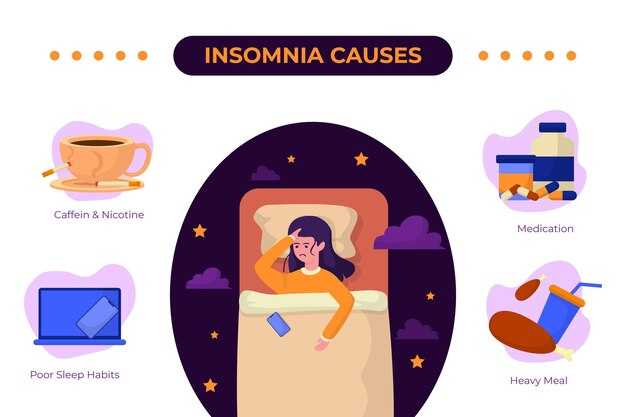 9 Daily Habits Throughout the Day for a Better Night’s Sleep">
 How to Be More Interesting – 10 Practical Ways to Boost Your Charisma">
 Best Breathing Exercises for Sleep – Techniques for Better Rest">


