

 Chinese
  English
  Russian
  French
  German
  Italian
  Spanish
  Polish
  Ukrainian
  Turkish
  Portuguese
  Greek
Greek  Arabic
  Korean
  Japanese
  Czech
Czech 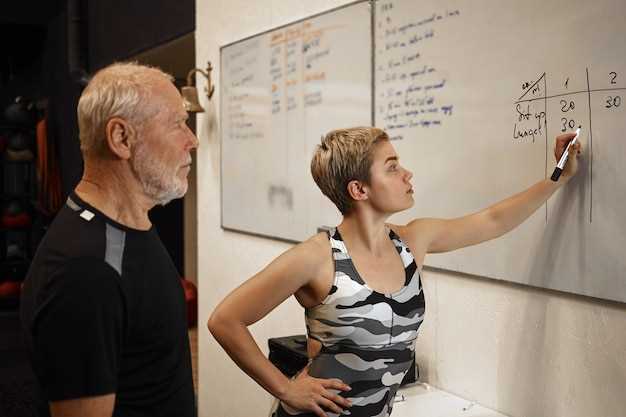 10 Steps to Conflict Resolution | Practical Guide">

Schedule a 30-minute structured meeting within 48 hours: require each participant to come prepared with exactly three factual points and one desired outcome, assign a neutral facilitator, limit speaking turns to two minutes, and record a single agreement with a named owner and deadline. Knowing roles and deadlines reduces ambiguity and prevents escalation in the workplace.
Adopt ten discrete actions with measurable targets: set a 2-week review cadence, measure progress weekly against three indicators (repeat incidents, time to agreement, adherence to action owners), and run formal reviews at 30 and 90 days. Pair each participant with a support person for check-ins, require written confirmation of any commitments, and insist that any new proposals include how they promote collaboration. These controls will definitely lower recurrence and increase accountability.
When disagreements arise, map multiple root causes (role overlap, workload, incentive mismatch, personalities), ask each side what outcome they will accept, clarify the message that will be communicated to the team, and coach managers to think in terms of system fixes rather than blame. Shift attitudes to become solution-focused by using neutral language, documenting options, and scheduling further evaluations. Provide escalation paths, mediation resources, and explicit timelines so follow-up is predictable and measurable.
10 Steps to Conflict Resolution – Practical Guide: Design Collaborative Spaces
Assign modular zones with quantities: 1 quiet booth per 5 people, 1 collaboration table (120×240 cm) per 8 members, and a public presentation area sized for 25% of usual meeting attendance; this layout reduces confusion and helps teams become calm within 3–7 minutes of entering the room.
Specify acoustic targets: quiet booths at 35–40 dB, group tables allowed up to 55 dB, and public forum up to 65 dB; use soft surfaces and 60 mm ceiling baffles to hit these numbers and promote clear speech without raising stress.
Mandate communication rules: share an agenda exactly 24 hours early, designate someone as timekeeper and facilitator, limit individual speaking turns to 2 minutes, and require that each person summarize the previous speaker’s thoughts before adding new ones.
Provide tangible resources: one 65″ screen per 12 people, 2 USB-C chargers per seat, paper sticky pads, and a networked collaborative whiteboard; digital sign-in should mark who used which resource and log meeting outcomes for follow-up.
Institute quick de-escalation activities: a 10-minute breathing and posture exercise after any heated exchange, a 5-step pause protocol (stop, breathe, ask, reframe, continue), and a neutral “time-out” room available within 10 minutes when someone needs space to calm down.
Track measurable goals: run a quarterly survey to improve psychological safety scores by at least 15% over six months, record incidence of raised voices per meeting, and log resolution times to make future design changes possible and data-driven.
Create visual cues to promote role clarity: color-code zones (blue = quiet, green = collaboration, yellow = activities), post a 3-item etiquette card at every table, and display a public scoreboard of meeting norms adherence to encourage good behavior.
Adopt facilitation templates: start meetings with a 90-second facts-only brief, use a 5-minute “perspective map” when disagreements appear, and require confirmation of agreed actions in a shared document so these decisions are traceable.
Train members with short drills: four 60-minute workshops per year–active listening, structured feedback, mediation techniques, and scenario practice–to reduce misinterpretation of thoughts and lower stress during tense moments.
Plan for scalability: when occupancy doubles, add one soft-seating cluster per additional 10 people, one extra quiet booth per 15, and a floating mediator role; these measures make it possible to maintain peace and keep productivity great as teams grow.
Step 1: Diagnose the Conflict Source
Conduct a 15-minute private interview with each participant, recording exact timestamps, relevant emails and task-log entries; rate each item 1–5 across four cause categories (process, role, resource, values) to separate facts from confusion and emotions and to flag what has been claimed versus what can be verified.
Appoint a neutral facilitator; in small business teams or family groups use an external third-party when power differential exceeds two reporting levels because internal leaders can enforce positions unintentionally. The facilitator should gather witness lists, require a signed confidentiality acknowledgment, and limit questions to observable actions to reduce bias, fostering impartial intake.
Classify root causes into three buckets: systemic (process/tool), role clarity (who owns what on projects) and interpersonal (communication style, unmet expectations). For each bucket document three concrete fixes with a named owner, a deadline and acceptance in writing; owners confirm their commitment and they follow a 5-day check-in cadence. If a single report lacks corroboration, it shouldnt trigger corrective measures without at least two independent data points, and include analysis of impact on collaboration.
Track outcomes: measure recurrence rate weekly for eight weeks and run a 5-question pulse to assess perceived fairness and ability to achieve team objectives; set targets (improve perceived fairness by 25%, cut repeat incidents by 50% in three months). Implement 45-minute decision-rule trainings to help managers apply standards and prevent them, publish a one-page checklist and a short value statement so teams can follow new norms and improve performance.
What facts and incidents to document first
Record date, time and precise location immediately; list everyone involved and state each person’s role and the source of the report (email, digital log, witness).
Write a concise, one- to two-sentence summary that clearly describes what happened, who spoke or remained calm, observable attitudes and just the objective behaviours with no interpretation.
List chronological points the record involves: exact timestamps, actions, who took the next turn, and any steps already executed; in addition, note measures aimed at fostering repair and helping those affected.
Log requests and commitments: record who is asking for follow-up, who will finish assigned tasks, designated leaders, the main objectives, and any personal impact or changes to morale that might affect subsequent decisions.
Preserve digital evidence intact: export email threads with headers and metadata, save screenshots, and keep a single rowse of referenced messages; record file names, storage path and access history to maintain a clear chain of custody.
| Field | What to capture | 示例 |
|---|---|---|
| Date & Time | Exact timestamp, timezone, duration | 2025-09-30 14:12 UTC, 7 minutes |
| People involved | Full names, roles, contact, who witnessed | J. Smith (manager), L. Gomez (staff), 2 witnesses |
| Source & Evidence | Origin of claim (email, chat, meeting note, digital log), file name, storage location | Email thread: subj. “Project delay” – saved as /evidence/eml/123.eml |
| 摘要 | Concise factual description (1–2 lines) stating who did what and when | “At 09:05 A removed access to repo; B asked why; A declined to speak further.” |
| Observed behaviour | Actions, language used, tone, visible emotions, calm vs agitated | “Raised voice twice, remained calm after mediation, neutral tone by leader” |
| Immediate actions | Who intervened, steps taken, who will finish tasks, who is asking for follow-up | “IT restored access; A to finish checklist by Friday; B requested written apology” |
| 影响 | Work effects, personal notes, absenteeism, morale indicators | “Two missed deadlines, increased sick days, team morale dip noted in weekly survey” |
| Next records | Assigned leaders, deadlines, next review date, who should speak at review | “Leader: L. Gomez; review 2025-10-07; J. Smith to speak for operations” |
How to distinguish positions from underlying needs

Require each participant to give a 90-second position statement, then spend 4 minutes probing needs with two fixed questions: “What outcome are you asking for?” and “What need will that outcome meet?” Use a neutral facilitator and a visible timer so everyone knows how much time is taken.
Use this concise script during workshops: 1) position (one sentence), 2) feeling (one phrase), 3) need (one sentence), 4) concrete preference or proposal. Mark each turn with bullet points on a shared board so points are transparent and easy to review.
寻找揭示需求的信号短语:“我感觉……因为……”、“我需要……”、“这是关于……”。如果有人以指责或要求来回答,请以中立的方式重述他们的立场,并询问该要求是否与安全、认可、控制或可预测性有关——大多数工作场所的投诉都与这四个类别有关。.
在将职位与需求对应时,使用一个两栏注释:左栏=职位的确切措辞;右栏=推断的需求加上证据(具体例子和情绪)。示例:“停止分配额外班次”→需求:工作量公平、可预测性;证据:两周内五个额外班次、压力增加。这种格式有助于公司和员工了解要求的内容和原因。.
通过提出一个封闭式校验问题来测试你的推论:“解决 X 会满足这个需求吗?” 如果是,提出一个具体的实验方案(日期、职责、测量)。 如果不是,询问该需求是否不可协商,或者是否有替代方案可以帮助解决 – 列出至少三个选项并按可行性排序。.
明确处理情绪:允许表达 60–90 秒,然后大声标记情绪(“我听到了对日程安排的 frustratie”),然后回到需求。这样做可以防止升级,并为协作创造一个积极的空间,而不是一堆抱怨。.
分配角色:主持人负责掌控时间和调整框架;记录员负责记录立场和需求;各方确认记录。在公司实践中,计划每个问题用时30-45分钟;有些问题可以在一次会议中解决,有些问题需要后续跟进。跟踪已达成一致的实验是否已进行,以及将要审查哪些数据。.
使用中立的语言,避免盘问个人。 专注于可观察的事实(“日期、计数、电子邮件”)和具体的行为,而不是评判。 这将有助于团队区分人们正在做的事情和他们实际需要的事情,并使未来的对话更加简洁,并减少摩擦。.
总结一下,列出 3 个可衡量的后续步骤,分配负责人,并设置 2 周的审查。包含简短、集中的练习环节的研讨会肯定会增加将立场转化为实际需求和可行解决方案的机会。.
需要绘制哪些直接和间接利益相关者?
首先列出直接利益相关者:注明角色、大致人数以及其影响力的主要来源,以便快速确定会议和研讨会的优先级。.
- 直接利益相关者
- 直接团队(3–8人):那些做工作的人——让他们参与每日站会、倾听会议和短期研讨会。.
- 直属经理(1):决策权,安排一个30–60分钟的会议,以了解期望和所需内容。.
- 项目所有者/发起人 (1):提供预算和范围;他们是任何关于范围或优先级的争议的升级点。.
- 最终用户/客户(10–100+):通过调查和目标讨论组收集问题陈述、使用数据和解决方案想法。.
- 供应商/供货商(1–5):外部制约的来源;记录合同限制以及谁可以更改这些限制。.
- 间接利益相关者
- 人力资源:政策和人员风险——当人员、行为或社会问题倾向于显现时介入。.
- 法律/合规:当决策未经审核可能造成监管风险时,进行审核。.
- 财务:对成本和预测的影响;它们常常被忽略,直到预算受到影响。.
- 其他部门(运营、销售、支持):边界重叠,可能造成下游纠纷。.
- 社区或外部合作伙伴:影响时间线的社会声誉和外部要求。.
使用以下步骤来客观地识别和评估利益相关者:
- 姓名 | 角色 | 兴趣(1–5) | 影响力(1–5) | 来源(预算、政策、专业知识) | 联系方式.
- 对兴趣与影响力进行评分,并将具有高影响力和低兴趣的人员标记为需要主动参与的对象。.
- 安排会议:经理/赞助人 30–60 分钟,需共同解决问题的团队开展 45–90 分钟的研讨会。.
- 举办两次简短的研讨会,以实现跨职能协作并找出组织结构图中未显示的隐藏利益相关者。.
- 记录所有争议记录和提出的解决方案;分配负责人并在证据记录后标记已完成的操作。.
Practical tips:
- 最佳实践:为保证会议效率,每次讨论的参与者应仅限于直接相关人员,外加一名观察员。.
- 先专注于倾听;使用提问提示:“这造成了什么问题?”,“我们还应该和谁谈谈?”
- 不要以为只有爱说话的人才重要——沉默的利益相关者往往掌握着非正式权力,或可能是未来冲突的根源。.
- 在 24 小时内分享会议记录,并列出接下来需要的数据,以便后续跟进时提出明确的要求。.
- 如果你不确定如何确定优先级,可以将潜在影响映射到收入或安全性,并上报给影响力最高的经理。.
- 将社交渠道和非正式网络纳入考量,将其作为潜在的间接利益相关者;他们的反馈可以揭示正式报告中未提及的根本原因。.
哪些即时风险需要稳定化

优先处理并稳定对生命构成威胁的情况:无法控制的动脉出血(直接按压,严重肢体出血在3分钟内使用止血带),气道受阻(抬下巴/托下颌,吸痰,清除异物),呼吸衰竭(使用复苏面罩或球囊面罩辅助通气,如果呼吸……) <8>30次/分钟),怀疑脊柱损伤(在线固定,避免移动头部),癫痫发作(保护免受撞击,不要约束),以及意识丧失(如果气道通畅,置于复原卧位)。.
在发生暴力行为或出现武器时,应将未涉及人员疏散至安全区域,立即通知紧急服务部门,记录可见的伤情,并在训练有素的急救人员到达之前避免再次介入;除非您具备相应资质,否则请勿尝试解除武装。.
需要立即稳定治疗的急性心理健康风险:有计划和手段的迫在眉睫的自杀意图(移除作案手段,不要让当事人独处,安排紧急精神评估),对自身/他人构成威胁的急性精神病(简短的言语缓和,保持安全距离,安排一名冷静的应对者)以及严重的恐慌或分离状态(引导技巧,简短的呼吸练习,持续观察直至专业帮助)。.
需要稳定处理的环境危害:活跃火灾、气体泄漏、结构坍塌、有害化学物质暴露——疏散区域,安全情况下进行通风,呼叫专业紧急服务,并使用标准净化协议处理污染物。.
稳定现场的操作措施:指派一名协调员负责分流并与响应者沟通;建立简短的指挥列表(医疗、安全警戒线、文档记录、联络);将资源用于阻止持续性伤害,而不是进行冗长的调查取证;每 5-10 分钟重新评估一次,如果生命体征或行为没有改善则升级。.
你不应忽视次要风险,因为无人处理的轻微伤害、有拍照围观者的手机或博客和浏览器的社交媒体帖子都可能加剧紧张局势;为相关人员创建一个没有摄像头的安全私密空间,大多数人会对此表示感谢,无论他们是否公开表达;帮助他们感到被倾听,以保留真正解决问题和确定适当的进一步援助来源的机会。.
使用可用资源:当地紧急医疗服务、处理紧迫暴力事件的警察、处理自杀或精神病发作的危机热线以及指定的组织联络人;准备一份简短的清单,以便思考谁在进行医疗护理、谁在记录以及谁在联系其他机构,从而避免活动重叠,并使员工更好地培养处理类似事件的信心。.
尽早处理个人物品和文件:确保证据安全,经同意后拍摄伤势照片,记录证人姓名和陈述,并建立开放的沟通,以保持积极性和安全性,同时安排进一步评估;有时,将一个人转移到更安静的房间比进行身体干预更能减少事态升级。.
Source: 世界卫生组织 – 心理急救:现场工作者指南
 How to Make Him Fall in Love – 15 Proven Tips That Always Work">
 9 Millennials on Why They Never Plan to Get Married — Real Reasons">
 12 Major Questions the Strongest Couples Ask Each Other to Get Even Closer">
 20 Healthy Boundaries in Relationships — How to Build Them (Tips)">
 Narcissist Test – Is My Partner a Narcissist? 12 Signs & Quick Quiz">
 How We Used the Aftermath of a Fight to Repair Our Relationship – Practical Steps to Rebuild & Heal">
 Emotional Intelligence in Parenting – How to Create Loving, Supportive Families">
 13 Female Qualities Men Find Irresistible — What Men Really Want">
 Guide for Couples Transitioning to Parenthood | Practical Tips & Support">
 Control Issues in Relationships – Signs, Impact and How to Heal">


