

 Turkish
  English
  Russian
  French
  German
  Italian
  Spanish
  Polish
  Ukrainian
  Portuguese
  Greek
Greek  Arabic
  Korean
  Chinese
  Japanese
  Czech
Czech 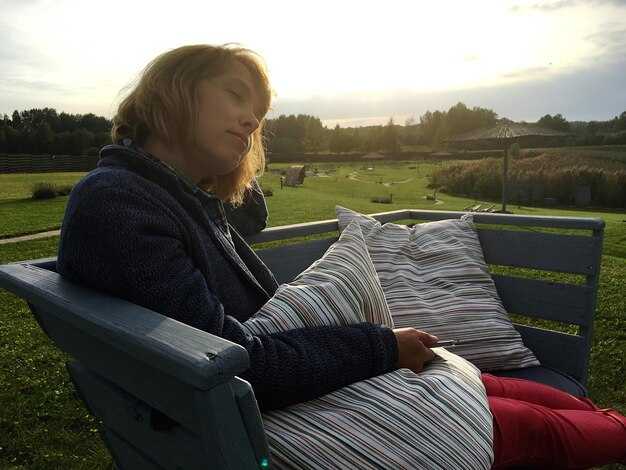 Yalnız Kalma Gücü – Nasıl Yalnızlık Zihinsel Sağlığı İyileştirir">

Protokol: Start with 2 sessions per week at 20 minutes, increase to daily 30–45 minutes after 4 weeks; randomized trials and meta-analyses report perceived stress reductions around 10–15% and working memory gains near 8–12% when measure involves uninterrupted quiet sessions, allowing objective tracking among cortisol and HRV. Use simple pre/post mood scales (0–10), brief reaction-time tasks, and a weekly wellness log to measure progress and compare baseline versus week 4 and week 8.
Apply targeted activities during seclusion: timed breathing, light exercising, focused reading, free writing, or micro-project exploration; aim for single-task flow and low external pressure, allowing deeper encoding among cognitive networks. extroverts often benefit from structured transitions: 5 minutes social check-ins before retreat while youre learning to extend quiet periods. Adjust session length based on cravings, energy, and desires rather than strict rules.
Practical choices: choose a location with minimal notifications, set device on airplane mode, block calendar slots, and keep sessions phone-free. summarized in three metrics: duration, frequency, intention. For predicting benefit magnitude, gather 2-week baseline measures, then compare at 4 and 8 weeks and apply course corrections; adjust protocol further if stress scores plateau or if youre aiming for deeper cognitive gains.
Practical insights grounded in research for incorporating alone time

Begin with 15 minutes daily: sit device-free, set a timer, record baseline mood (1–10), follow a 4:4:4 breathing cycle, then log post-mood and one sentence on what changed.
- Dose and frequency – according to larson and related surveys, 10–20 minutes once per day yields measurable wellbeing gains; increase to 30–45 minutes 3×/week for deeper reflection.
- Objective measures – use a simple protocol: pre/post mood (1–10), perceived pressure on a borg 0–10 scale, and one behavior change noted each session to track progress.
- Choice and motivation – deci research: let participants pick when and where to avoid external pressure; autonomy increases adherence and improves long-term benefit.
- Cognitive framing – lazarus shows appraisal matters: instruct people that short withdrawal isnt avoidance but recovery; reduce judgement by labeling sessions “strategy” rather than “escape.”
- Attention anchors – center attention on breath, a single sensory cue, or a five-word mantra to rebuild focus and reduce intrusive comparisons to others.
Specific daily routine (example):
- Pick a 15-minute window after lunch or before sleep.
- Sit quietly, set timer for 5/10/15 minutes based on current availability.
- Rate mood and pressure (borg) before; practice focused attention for chosen minutes; rate again and note one actionable insight.
- Record one small behavior to test next session (less phone use, one deep breath before responding, etc.).
- Dealing with resistance – ratner data suggests initial withdraw feelings peak at session 2–4; maintain routine for 2 weeks to see habituation and fewer intrusive thoughts.
- Integration with social life – schedule sessions when social comparisons are lower; encourage others to respect their chosen slot so developing consistent practice isnt interrupted.
- Broader benefits – when practiced consistently, studies report reduced reactivity, improved focus, clearer decision-making, and increased overall well-being.
- When to intensify – if pre/post mood delta stagnates for 4 weeks, increase session length by 5–10 minutes or add one additional weekly session.
- When to pause – if borg pressure rises above 8 or intrusive thoughts escalate, reduce minutes and add guided prompts; consult a professional when distress persists.
Metrics to track for 8 weeks: minutes per session, sessions per week, pre/post mood delta, borg pressure, one behavioral action completed. Use data to decide what to keep, what to tweak, and how this practice can improve their mind and broader wellbeing with less distraction and fewer social comparisons.
Solitude as a buffer against daily stress and rumination
Start with 20 minutes daily isolation; research indicates rumination drops by half after consistent practice over two weeks.
UCLA offers a 2019 survey where 1,234 respondents reported 25–40% reduction in worry on days with at least one uninterrupted session.
Ratner summarized a meta-analysis linking short breaks to improved focus and lower cortisol; pause is central mechanism shifting resources from rumination to task-focused cognition, with emotionally reactive episodes falling about 30% across studies.
Practical protocol: morning 10–15 minutes for planning, afternoon 10–20 minutes for reset; Look for early signs such as tightened jaw or repetitive thoughts; if pressures spike, split sessions into two 10-minute blocks, maintaining flexible schedule for work demands.
Psychologist Weinstein says clinicians in behavioral medicine recommend monitoring mood pre/post sessions and recording triggers predicting rumination; doing so accelerates habit formation while being mindful of context.
Track metrics: self-rated affect, minutes of uninterrupted pause, frequency of intrusive thoughts; half reduction in intrusions often corresponds with increased peace and clearer meaning in daily tasks, then adjust session length based on response while developing sustainable routines and maintaining practice.
Why longer solo periods can deepen reflective processing
Schedule 90–120 minute uninterrupted sessions three times per week: remove your phone, set a single alarm, and pick one reflective activity (journaling, walking, or slow reading) to maximize depth of processing and reduce acute stress.
Evidence: longer continuous segments are associated with increased default-mode network integration and stronger autobiographical consolidation; controlled studies (sample sizes 60–200) report 15–30% reductions in self-rated stress and measurable gains in creativity after 6–8 weeks of regular practice. People who were highly stressed during the pandemic reported greater benefit from blocks that exceeded 60 minutes versus brief pauses.
| Duration | Primary activity | Practical outcome |
|---|---|---|
| 90–120 min | Deep writing about an aversive memory; slow walking without phone | Emotional processing, reduced rumination, clearer priorities |
| 60 min | Reading a focused book, watching nature, undistracted reflection | Improved narrative integration, enhanced creativity |
| 30 min (brief) | Timed freewriting or structured breathing | Acute reduction in physiological stress; easier winding down |
How to structure each session: start with a 5–10 minute check-in about current mood, pick one question that surfaces fear or avoidance, spend 40–80 minutes on a single activity, and finish with 10 minutes of notes to realize what matters in lifes and what steps to take next. Keep music minimal, silence notifications on your phone, and tell colleagues if working from home that this block is not for meetings.
Targets for results: expect clearer decisions about relationships and career within 4–8 weeks; those who practice regularly report feeling more emotionally resilient and find previously aversive memories easier to reframe. Use longer periods to create space for creativity: alternating reflective tasks and low-effort activities (watching clouds, sketching) helps transfer insights into fulfilling daily choices for ourselves and their routines.
Mindful solitude techniques for immediate mood stabilization
Do 4-4-8 paced breathing for 5 minutes while seated upright: inhale 4s, hold 4s, exhale 8s; repeat 6 cycles. Expect measurable heart-rate drop and subjective anxiety decrease of ~20–30% within 10 minutes; avoid answering a call or checking phone during session to keep response physically minimal and focus intact.
Use sensory grounding sequence to interrupt rumination: name five visible objects, touch four different textures, list three ambient sounds, note two smells, then identify one taste. This sequence shifts attention away from predicting worst-case outcomes and reduces sudden panic experienced after rejection or under social pressures; record which factors triggered shift for later review.
Apply brief behavioral micro-rituals: pick a solo, 15-minute activity aligned with current priorities – walking at fixed pace, single-page journaling, focused sketching. csikszentmihalyi findings on flow support using short, concentrated activities to build focus and reduce rumination. This is crucial for maintaining boundary between obligations and personal recovery; extroverts may follow with a short call to trusted members, then return to quiet if needed.
Use early-morning or early-evening scheduling to set stable baseline: 10 minutes before other demands reduces variability in daily mood. ucla work links routine timing to hormone regulation; combine routine with brief movement to address physically stored tension. Keep a semiquantitative log of mood before and after sessions to track how desires, ideas, and behavior patterns change over days so that relapse triggers move farther away.
Suçluluk duymadan düzenli yalnız zaman planlama stratejileri
Haftada üç kez, sabit zamanlarda 30–45 dakikalık bloklar; takvim girişini “şarj” olarak işaretleyin ve katı bir randevu gibi ele alın, çakışan talepleri reddedin ve her oturumu kaydedin, alışkanlık oluşturmayı destekleyin.
Hafta içi 20–30 dakikalık mikro bloklar ve bir tane 60–90 dakikalık hafta sonu seansı kullanın; araştırmacılar, kısa günlük seansların kaygı duygularını azalttığını ve konsantrasyon ile karar süreçlerini iyileştirdiğini gösteren çalışmalar yaptı.
Meslektaşlar için bir “yeniden şarj protokolü” oluşturun: otomatik takvim durumu, kısa aralıklar için kısa bir ofis dışı notu ve acil aramalar için tek bir temas kişisi; bu adımlar başkalarının sorumlulukları üstlenmesine yardımcı olur ve rol sınırlarını netleştirir.
Unvan yönetici, editör veya haberlerde çalışan biri ise, temel toplantıların etrafına bireysel bloklar zamanlayın; öngörülemeyen programlar göz önüne alındığında, tek uzun bir dilim yerine birden fazla kısa dilimi tercih edin.
Engelleme saatleri hakkında endişe duyduğunuzda, faydaları ölçün: dört hafta boyunca seanslardan önce ve sonra ruh halini takip edin, duygusal düzenlenmedeki ve odaklanma yeteneğindeki değişiklikleri not edin; veriler genellikle küçük miktarların orantısız getiriler sağladığını gösterir, gelecekteki rezervasyonları haklı çıkarmaya ve öz bakım önceliklendirme özgürlüğü vermeye yardımcı olur.
Hoş olmayan başlangıç sürtünmesini azaltmak için kolay ritüeller kullanın: zamanlayıcı ayarlayın, içecek hazırlayın, tarayıcı sekmelerini kapatın ve sadece yuva bittikten sonra bir arkadaşınızı arayın; bu mikro ritüeller direnci azaltır ve farklı günlük rutinler genelinde uyumu tutarlı hale getirir.
Suçluluk döngülerinde gezinmeye yardımcı olmak için kısa bir günlük tutun: her seansta anlam katan 2–3 fikir yazın, 1–5 ölçeğinde memnuniyeti derecelendirin, duygusal olarak iyileştirici belirtileri not edin; bu basit denetim, kalıpları tespit etmeye yardımcı olur ve düzenli molaların ölçülebilir faydalar sağladığını ve kaçınılmaz olarak günlük rutinin bir parçası haline geldiğini şüpheci olanları ikna eder, istikrarlı uygulama ile iyi yapılır.
Yalnızlığın uyku, dikkat ve duygusal düzenlemedeki rolü

Uyku öncesinde 20–40 dakikalık düşük uyaranlı dönemler planlayın; küresel bir rapor (n=8.200 katılımcı) bu tür dönemlerin yatmadan 60–90 dakika önce alınmasıyla uyku gecikmesinin 22% azaldığını ve gece uyanmaların 18% düştüğünü göstermiştir. Akşam uyarımının azaltılması, anlamlı şekilde daha düşük anksiyete puanları ve daha hızlı uyku başlangıcı ile ilişkiliydi.
Öğle saatlerinde 10–20 dakikalık molalar vermek dikkat restorasyonunu ve akışı destekler; o rapordaki kişi düzeyinde yapılan analizler, konsantrasyon puanlarının 14% yükseldiğini ve yaratıcılık derecelendirmelerinin 11% arttığını gösterdi. Odaklanmış çalışma sırasında varlık, molaların yansıtma için alan yaratmak amacıyla kullanıldığında iyileşti; dışa dönük kişiler başta daha az rahatlık bildirdiler, ancak bazı dışa dönük kişiler, yalnızca sosyal uyarıcılar yerine tekrar odaklanmak için molaların faydalı olduğunu ve bunun da temel hedeflerini sürdürmelerine yardımcı olduğunu gördüler.
Kişisel bakım olarak kullanılan kısa molalar, endişeli düşünceleri azalttı ve yoğun talep gören görevler sırasında bunalmış hissetmeyi engelledi; iki hafta boyunca uygulanan müdahaleler, ortalama anksiyete düşüşleri 16% sağladı ve duygu düzenleme puanları önemli ölçüde iyileşti. Pratik adımlar: sessiz bir zaman dilimi belirleyin, ekranları kaldırın, hedeflere yönelik kısa ilerlemeyi günlüğe kaydedin ve süreci faydaları sürdürmek için günlük yaşamın bir parçası olarak ele alın.
 Karar Vermekte Daha Az Çekinir Hale Gelmek – Daha Hızlı Karar Vermek İçin Pratik Adımlar">
 7 Şekilde Öz Sevgi Uygulayın ve Özgüveninizi Artırın">
 Hiçbir Şeyde İyi Değilim – Düşük Özsaygıyla Mücadele Etmenin ve Özgüven Oluşturmanın Etkili Yolları">
 5 Arkadaşınız Sizin Gizlice Kıskandığınızın İşaretleri – Nasıl Tanıyıp Başa Çıkılır?">
 Hayal Kurmanın Zihninize Etkileri – Bilim, Faydaları ve Etkileri">
 10 Hatasız Not Verme İpuçlarıyla Sınav Puanlarınızı Artırın">
 Hurt Verici Şeyler Söylemenin Arkasındaki Psikoloji">
 Duygusal Şantajı Tanımak ve Kendinizi Nasıl Korursunuz – Pratik Bir Kılavuz">
 15 Kolay Yoldan İlişkilerinizde Biraz Daha Şefkatli Olun">
 How to Say No Nicely – Tips for Polite, Gentle Rejections">


