

 Turkish
  English
  Russian
  French
  German
  Italian
  Spanish
  Polish
  Ukrainian
  Portuguese
  Greek
Greek  Arabic
  Korean
  Chinese
  Japanese
  Czech
Czech 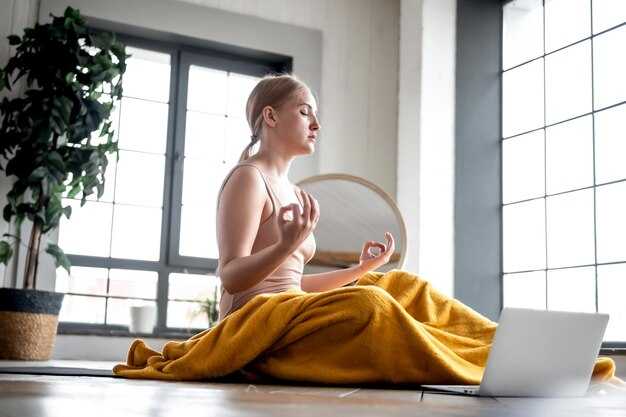 Reduce Stress and Anxiety Through Movement and Mindfulness">

Protocol involves 10 minutes of brisk walking at 100–120 steps per minute; target heart rate 50–70% of maximum (approx 110–140 bpm for most adults). science-backed trials report aerobic sessions at this intensity reduce cortisol by roughly 15–25% within two weeks; lower cortisol correlates with fewer episodes of acute worry. Implement a 5-4-3-2-1 grounding check before bed; the 60–90 second sequence helps shift attention, speeding sleep onset by measurable minutes in controlled studies.
Dietary factors influence hormones; cut coffee to under 200 mg daily, aim for fewer than three servings of ultra-processed foods weekly; these shifts blunt post-meal cortisol spikes, improve sleep efficiency by 8–12% in several trials. Reduce evening blue-light exposure; keep smartphone notifications off for 90 minutes before lights-out to protect circadian signals, preserve melatonin secretion.
Short focused practices with breath-awareness or body-scan type exercises offer immediate regulation; a meta-analysis by zoccola et al. classified practice type across topics such as interoceptive awareness, paced breathing, grounding techniques; summary below highlights effect sizes, session lengths, study populations. Start with two 5-minute sessions daily, expand to 15 minutes total within three weeks; tracking mood, sleep metrics, step counts provides objective feedback relevant to daily life.
Weekly plan: week 1 – three 10-minute brisk walks; week 2 – add two 5-minute breath-awareness sessions; week 3 – halve coffee intake while replacing ultra-processed snacks with whole foods; use a sleep tracker to confirm fully restorative 7–8 hours, adjust timing based on morning alertness. Use a simple checklist app to log sessions, mute work notifications during practice times, review results after 21 days to refine frequency based on measured outcomes.
Movement and Mindfulness Strategies for Stress and Anxiety Disorders

Begin with a 5-minute paced-breathing protocol: inhale 4 seconds, hold 4 seconds, exhale 6 seconds; repeat for 5 minutes twice daily. This routine simply lowers physiological arousal within minutes; most people feel calmer after one session. Use longer sessions on days with increasing triggers.
Integrate physical exercise into a weekly plan: 30 minutes brisk walking five times weekly; two resistance sessions per week, 20–30 minutes each, improves sleep quality, mood regulation. For nature exposure try a 45-minute route through Ku-ring-gai botanic garden twice weekly; spending time near blue water or sky views shows measurable mood gains after events.
Use a concise list of presence practices: 1) 10-minute body scan before bed; 2) 3-minute grounding breath during transitions; 3) 5-minute mindful walking after meals. Access mindfulness-based audio from award-winning apps; pick guided tracks that match session length.
Discuss supplements with a clinician: magnesium 200–400 mg nightly may shorten sleep latency; medicine review must check interactions with prescriptions. Healthline says some trials report modest benefit; monitor response from baseline over four weeks before dose changes.
When acute episodes occur, apply 20–30 seconds of focused breathing followed by slow movement for 3–5 minutes; inhale for 4 seconds, exhale 6 seconds, focus on letting tension release. Track triggers that cause prolonged arousal; having regular brief practices throughout the day makes recovery more likely, producing better coping during high-demand events.
Quick 5-Minute Movement Routines to Reduce Acute Stress

Do this five-minute cycle immediately: 60s diaphragmatic breathing at 6 breaths per minute, 60s slow shoulder rolls with gentle reach, 60s rhythmic stepping on the spot at 90 steps/min, 60s progressive muscle releases from feet to neck, 60s slow walk with deliberate heel-to-toe contact.
Perform 2–3 sessions per workday; spending five minutes before high-pressure tasks lowers physiological arousal. Autonomic nervous systems shift toward parasympathetic dominance within minutes; this works via increased heart rate variability, reduced breathing rate, rapid reduction in muscle tension, measurable drops in subjective agitation during short, stressful episodes.
Schedule short micro-practices regularly: three sessions daily over 14 days produces measurable improvements in baseline tension levels, improved sleep onset latency, better focus during meetings. One useful thing: set a repeating timer for 5 minutes to build habit without decision fatigue.
Variations for different contexts: seated version with ankle pumps and upper-body stretches for deskbound hours; standing version with rhythmic punches at low intensity for quick energy reset; outdoor version in ku-ring-gai gardens before work to combine sensory exposure with activity, which improves mood levels more than indoor pacing alone.
Combine physical micro-routines with clinical care where relevant; mind-body practices and meditations complement psychotherapy, helps consolidation of coping skills. Partner practice with a friend boosts adherence, provides social regulation, produces an excellent short-term drop in perceived tension. Small, repeatable actions released throughout the day have outsized impact on healthy functioning over weeks.
Breathwork Techniques to Lower Physiological Arousal
Practice diaphragmatic breath using a 4-1-8 cycle: inhale 4 seconds, hold 1 second, exhale 8 seconds; repeat for 6 minutes per hour when elevated physiological arousal is noticed.
Alternate: box breathing – inhale 4 seconds, hold 4 seconds, exhale 4 seconds, rest 4 seconds; complete five cycles twice daily or during acute activation.
Science-backed studies show slow paced breathing near six breaths per minute can increase heart rate variability by roughly 10–25% within ten minutes, indicating improved vagal tone across autonomic systems, greater physiological resilience to triggers.
Begin each session seated or lying, place one hand on the abdomen to monitor diaphragmatic movement, observe shifting feelings without judgment; use a timer set for at least six minutes, repeat every hour during prolonged activation to help deal with sudden spikes while avoiding harm.
Consider reviewing primary science literature before making longer sessions; consult reputable resources such as verywell for stepwise guidance, review clinical trial reports for protocol specifics; many studies report minimal adverse events when techniques are learned gradually.
When possible practice in gardens near flowing water to anchor attention; use simple digital timers, breath cues, scented items for grounding, creative micro-habits such as tapping the chest on exhale to signal rest.
Mindfulness Practices You Can Do Anywhere Without a Formal Session
Do a 60-second paced breath cycle: inhale 4 seconds, hold 2 seconds, exhale 6 seconds, repeat six times; this short practice has been shown in studies to have been linked with increased heart-rate variability, producing calming effects, clearer focus.
Use the 5-4-3-2-1 sensory list to stop runaway thoughts: name five things you see, four you can touch, three you hear, two you smell, one you taste; this simple sequence helps interrupt spirals of difficult feelings.
Perform a 90-second micro body scan: gently soften jaw, drop shoulders, widen chest, move attention down through abdomen, hips, thighs, knees, calves, feet; short tense-release cycles at each site offer restorative release, lessen chronic muscle holding.
Take a 60-second motion break when possible: march in place, lift knees gently, swing arms slowly, then shake wrists, roll shoulders; this brief activity increases circulation, offers a calming reset for concentration.
Observe botanic details near you for one minute: note leaf veins, petal edges, scent strength; views of greenery can be breathtaking, provide sensory balance, support healthy mood regulation.
Set phone profiles with short reminders for micro-pauses, such as three daily alerts labeled “pause”; when done regularly, repeating brief pauses builds healthy routines, increased resilience as shown in several studies.
Invite friends to a shared two-minute practice by text or call; social contact helps regulate feelings, offers gentle accountability, creates restorative rhythm useful for young adults.
Keep a compact list of practice topics for work sessions: breath, sensory scan, posture reset; use a 25-5 micro-cycle for long tasks – work 25 minutes, pause 5 minutes with focused breathing or gentle stretching – this scheduling has been done in studios, classrooms, offices while producing clearer attention profiles.
Low-Impact Exercises to Build Resilience and Lower Worry
Begin with 15–20 minutes of low-impact walking or tai chi at RPE 3–5, five days per week; track perceived worry before session using a 0–10 scale for measurable change.
- Stationary bike: 20–30 minutes at 40–60% max heart rate (use 220 − age for estimate); RPM 60–80; aim for 3 sessions per week to improve aerobic capacity and mood-related markers.
- Tai chi: 10–20 minute routines focusing on slow weight shifts; cue: breathe 4 seconds inhale, purse-lips mouth exhale for 6 seconds; sessions in community studios show better adherence.
- Pilates mat work: 2–3 sets of 8–12 controlled repetitions for core stability; low joint impact minimizes injury risk for those with osteoarthritis.
- Chair-based mobility: 12–15 minutes morning routine for older adults; use a stable chair with hand support when balance is limited; perceived relief reported within 2–4 weeks.
- Swimming or water aerobics: 30 minutes twice weekly; buoyancy reduces joint pressure; recommended for people with higher body weight or chronic joint pain.
- Week 1–2: 15 minutes per session; focus on comfortable pace, breath control, daily practice diary noting worry levels and sleep quality.
- Week 3–4: increase to 20–25 minutes per session; add one balance drill per session; track resting heart rate to monitor improved cardiovascular response.
- Week 5–6: introduce interval blocks of 2–3 minutes slightly higher effort followed by 3–4 minutes easy; aim for regular sessions on at least five days per week.
Practical measurements: record resting heart rate, sleep duration, worry score, perceived exertion; target a 5% drop in resting heart rate and a 1–2 point decrease in worry score within six weeks.
- Science notes: meta-analyses link regular low-impact activity to lower physiological arousal and better mood regulation; minimizing high-impact loading reduces injury incidence.
- Kişilik uyumu: içe dönük bireyler yalnız yürüyüşleri veya evde yapılan uygulamaları tercih edebilir; dışa dönük bireyler sosyal dikkat dağıtıcıları azaltmak için küçük grup stüdyo derslerinden faydalanabilir.
- Beslenme ve iyileşme: yeterli D ve B12 vitaminlerini sağlayın; seanslardan önce hidrasyonu sağlayın; yeni kuvvet çalışmalarından sonra kas iyileşmesi için 48 saat izin verin.
- Erişilebilirlik: uygun ayakkabı, rahat kıyafetler seçin; havlu, su şişesi, gerekirse bilek desteği getirin, seansları kolaylaştırmak için.
- Güvenlik: Kardiyovasküler risk varsa başlamadan önce bir sağlık uzmanına danışın; göğüs basıncı, baş dönmesi veya keskin ağrı oluşursa durun; semptomlar devam ederse acil bakım arayın.
Davranışsal ipuçları: uygulamayı sabitlemek için kısa, kasıtlı ipuçları kullanın; zihni meşgul eden şeyleri dışsallaştırmak için tetikleyiciler ve gelecekteki görevler hakkında endişe günlükleri tutun ve yüksek baskılı günlerde sağlıklı bir dikkat dağıtıcı olarak aktivite kullanarak zorlu anlar için direnç geliştirin.
Uyku ve Genel Ruh Hali Desteğli Seyahat Kullanımı
Pratik olarak, uykuya dalıştan 20–30 dakika önce restoratif yoga yapın, diyafram nefesi alın; rastgele kontrollü çalışmalar, dört hafta sonra 15–25% daha kısa uyku gecikmesi, meta analizlere göre 3–7% uyku verimliliği kazanımları bildirmektedir, bilimsel araştırmalar yavaş ekshalasyonda artan vagal tonu olduğunu göstermektedir.
Basit gece süreci: beş dakika diyafram nefes egzersizi, on dakika sırtüstü restoratif pozlar yavaşça uygulanır, oturum başına bir kez beş dakikalık MBCT tarzı vücut taraması; daha büyük birikimli fayda için haftada 45 dakikaya uzatılabilir.
Eğer tıbbi geçmiş varsa, yeni rutinlere başlamadan önce klinik değerlendirme alın; komorbid ağrı, ilaç etkileri, uyku apnesi mevcutken uykusuzluk sadece fiziksel aktivite ile çözülmez, kişisel sınırlarınız dahilinde hız ayarlamasını yapın.
Akşam ekran maruziyetini azaltarak, reklam uyaranlarını sınırlayarak, şehir gürültüsü devam ettiğinde kulak tıkaçları veya beyaz gürültü kullanarak sessiz bir uyku alanı oluşturun; tutarlı loş ışık rutinleri oluşturmak sirkadiyen fazını daha erken kaydırır, aktivite döngüsünü kronotipinize göre ayarlamak etkinliği artırır.
Akşamın erken saatlerinde görevle ilgili düşünceleri boşaltmak için 10 dakika günlük tutmayı düşünün, gecelik zaman aralığınız sınırlı olduğu için girişleri üç uygulanabilir öğeye odaklayın; hareketlilik sınırlarına uygun uygulamalar seçin, otonom değişimleri değerlendirmek için kalp atış hızı değişkenliğini izleyin, süreci iyileştirmek için objektif geri bildirim kullanın.
Kanıtlar, 6-12 haftalık birleşik hafif hareket, restoratif teknikler, MBCT türetilmiş uygulamalar sonrasında 0.3–0.5 SD civarında ruh hali iyileşmelerinin olası olduğunu göstermektedir; bir kez uyku günlüğü veya giyilebilir veriler aracılığıyla sonuçları takip ettiğinizde, sürdürülebilir kalıplar ortaya çıkana kadar sıklığı, yoğunluğu ve zamanlamayı yineleyin.





 Duygusal Olarak Tükenen Arkadaşlar ile Başa Çıkmak – Sınırlar Koyun ve Enerjinizi Koruyun">
 10 Essential Lessons We Can All Learn from Psychology">
 25 Conversation Starters to Get and Keep Someone’s Attention">
 Varoluşsal Bir Krizi Aşmanın Yolları – Pratik Adımlar">
 How to Develop Mutual Respect in a Relationship – 7 Practical Tips">


