

 Turkish
  English
  Russian
  French
  German
  Italian
  Spanish
  Polish
  Ukrainian
  Portuguese
  Greek
Greek  Arabic
  Korean
  Chinese
  Japanese
  Czech
Czech  Ağrı ve Beyniniz – Bağlantıyı Anlamak">

Concrete action: perform seated diaphragmatic breath for 5 minutes, twice per day; inhale 4 seconds, hold 2 seconds, exhale 6 seconds. Log session duration, perceived intensity on 0–10 scale, and any changes in muscle tension. Fact: brief daily practice often produces measurable shift within 2–4 weeks.
If constant symptoms persist longer than 6 weeks, arrange clinician review; studies report a 30–40% drop in self-reported intensity after 8 weeks when graded movement plus cognitive techniques are used. Lack of sleep, low activity, poor posture, medication overuse frequently make sensations more likely to persist. Thats why targeted muscle activation, paced exercise, sleep optimization, and breathing techniques should be combined.
Practical rules: avoid taking only pills for more than a short trial; taking only analgesic would save immediate time yet likely offer short-term relief without sustained change. Prioritize gradual load to affected muscle, practice paced breath during movement, track symptom triggers, and bring recorded data to clinician conversation. If you want guidance, ask for a six-week plan with measurable goals, simple techniques to use at home, and criteria for escalation.
How pain becomes real in your brain: specific neural pathways
Start by targeting nociceptive transmission: reduce peripheral afferent firing with topical lidocaine 5% patches or local anesthetic blocks, limit peripheral inflammation with NSAID strategies when appropriate, reduce central hyperexcitability using SNRIs (duloxetine), gabapentinoids (pregabalin, gabapentin), and engage descending inhibitory systems via graded aerobic exercise, sleep normalization, cognitive behavioral therapy.
Key anatomical sequence with actionable details:
- Peripheral receptors: nociceptors (A-delta, C fibers) transduce noxious stimuli into sodium-dependent action potentials; TRPV1, Nav1.7 channels mediate transduction and represent drug targets.
- Spinal cord entry: primary afferents synapse in dorsal horn laminae I-II; glutamate release activates AMPA/NMDA receptors, substance P and CGRP amplify transmission; central sensitization emerges with NMDA-dependent synaptic strengthening.
- Ascending tracts: second-order neurons ascend via spinothalamic tract to thalamic relay nuclei; thalamic outputs distribute to somatosensory cortices (S1, S2), insula, anterior cingulate cortex (ACC), medial prefrontal cortex, producing sensory-discriminative and affective components.
- Descending modulatory network: periaqueductal gray (PAG) and rostral ventromedial medulla (RVM) modulate spinal gain via serotonergic, noradrenergic projections; loss of descending inhibition raises spinal excitability.
- Non-neuronal contributors: activated microglia, astrocytes, cytokines (IL-1β, TNF-α) sustain neuroinflammation; long-term potentiation-like changes alter synaptic efficacy across spinal and cortical sites.
Quantitative evidence and temporal risk:
- Prevalence: chronic nociceptive syndromes affect ~20% adults globally; neuroimaging reveals increased functional connectivity among ACC, insula, prefrontal regions in persistent states.
- Time course: early high-intensity peripheral input correlates with greater risk for chronic central sensitization over years; plastic changes can persist after initial tissue healing.
- Biomarkers: increased spinal cord excitability measurable with quantitative sensory testing; PET studies demonstrate microglial activation in select cohorts.
Practical management mapped to pathways:
- Peripheral-targeted: topical lidocaine or capsaicin for localized neuropathic symptoms, peripheral nerve blocks for focal nociceptor drivers, anti-inflammatory regimens for ongoing tissue inflammation.
- Spinal-targeted: epidural steroid injections for radicular compression when imaging supports nerve root inflammation; intrathecal drug delivery for refractory severe syndromes after specialist assessment.
- Central-targeted pharmacology: SNRIs (duloxetine 60 mg/day evidence level A for diabetic neuropathy, fibromyalgia), gabapentinoids for neuropathic profiles; consider low-dose tricyclics where cardiac profile allows.
- Modulatory nonpharmacologic: structured graded exercise, CBT, mindfulness-based stress reduction, sleep optimization, treatment of mood comorbidity; these strengthen descending inhibition and reduce central gain.
- Advanced neuromodulation: spinal cord stimulation or dorsal root ganglion stimulation for select refractory neuropathic conditions; referral to multidisciplinary centers recommended for patient selection.
Referral guidance: refer complex or refractory cases to multidisciplinary specialty clinics for combined medical, interventional, rehabilitative, psychological evaluation; invasive options require specialist selection and long-term follow up.
Selected neurotransmitters, receptors, targets: glutamate (AMPA, NMDA), substance P, CGRP, GABAergic interneurons, serotonin, norepinephrine, Nav channels, TRPV1, microglial modulators.
Reference: NINDS chronic pain overview – https://www.ninds.nih.gov/health-information/disorders/chronic-pain
Word list requirement: dont,theres,learned,emptiness,systemparticularly,connection,only,evidence,pain,sharing,look,easy,podcast,with,dynamic,event,psychologist,which,these,tired,understand,stress,children,effects,management,causing,charlies,designed,made,emotional,normal,accept,emotion,within,parts,coverage,like,through,will,think,some,also,turn,brain,years
Which nerves and brain regions signal acute versus persistent pain
See a doctor first for sudden, sharp signals; for persistent, widespread symptoms seek multidisciplinary assessment: physician, physiotherapist, psychologist, therapist, support group participation.
Acute episodes rely on peripheral nociceptors: Aδ fibers transmit rapid, well-localized sharp input; C fibers carry slower, burning diffuse input. Signals enter dorsal horn, ascend via spinothalamic tract to thalamus; S1 cortex registers location, intensity. Normal protective reflexes via spinal circuits produce withdrawal; short-term medications such as NSAIDs or acetaminophen, limited opioid prescriptions under strict supervision may reduce suffering; limit pills to acute phase, since taking them long-term often doesnt address central sensitization. Opioids can help initially, though benefits often wane.
Persistent states involve dorsal horn sensitization, NMDA receptor facilitation, microglial activation releasing cytokines; supraspinal reorganization includes anterior cingulate cortex (ACC), insula, prefrontal cortex, amygdala–networks governing emotion, memory, threat appraisal. Neuroplasticity keeps circuits hyperexcitable; scientists report structural functional changes that sustain symptoms even after peripheral tissue heals. Symptoms are real; placebo power demonstrates expectation can modulate descending inhibitory pathways. Many people become depressed; screening plus early psychological support reduces chronicity.
Treatment strategy should prioritize restoring function rather than symptom elimination: graded exercise, targeted manual therapy, pharmacologic agents for neuropathic mechanisms (SNRIs, TCAs, gabapentin), cognitive behavioral therapy delivered by therapist, peer support, sleep optimization. Doctor must reassess medication effectiveness frequently; taking opioids long-term isnt supported by evidence, risks outweigh benefits for most chronic presentations. Short supervised use, however, can be justified for select acute exacerbations. Seek opportunities for neuromodulation, peripheral nerve blocks, referral to specialized centers; clinical trials may offer access to novel interventions.
Improve patient understanding about mechanisms; explain what central sensitization means, that it isnt always linked to ongoing tissue damage. Help patients understand prognosis, risks, realistic goals. Emphasize pacing strategies, goal setting, self-management skills rather than dependence on pills. Placebo responses reveal power of expectation; use that power ethically to boost outcomes without deception. Recovery can be tough; consistent support keeps engagement high.
How inflammation and injury change neural wiring
Recommendation: Target systemic inflammation immediately: aim fasting glucose <100 mg/dL; HbA1c <6.5%; high-sensitivity CRP <1 mg/L; adopt Mediterranean-style diet, 30–45 min moderate aerobic exercise daily; prioritize 7–9 hours sleep; cease tobacco; consult clinician for short-term NSAID or steroid use when indicated.
- Microglial activation: injury triggers release IL-1β, TNF-α, IL-6; microglia shift to pro-inflammatory phenotype; shown to increase glutamatergic synaptic strength while reducing GABAergic inhibition, producing central sensitization with hyperexcitability and synaptic sprouting.
- Synaptic plasticity shift: LTP-like change occurs in dorsal horn cortex; NMDA receptor phosphorylation increases; BDNF release alters chloride transporter expression leading to reduced inhibition; circuits that once suppressed nociceptive signaling become facilitatory.
- Structural rewiring: axonal sprouting from A-beta fibers into nociceptive laminae; cortical map reorganization with enlarged representation of injured zone; imaging studies shown grey matter density changes in insula, ACC, thalamus; see источник for references.
- Peripheral drivers: persistent inflammation maintains TRPV1, Nav1.7 upregulation; ectopic firing creates high-frequency traffic of nociceptive signals from periphery into spinal cord; sustained input consolidates central synaptic change.
- Assessment steps: identify peripheral source, quantify inflammatory markers (CRP, ESR, cytokine panels), perform quantitative sensory testing; screen for mood symptoms using PHQ-9, screening for emptiness, sadness, heart palpitations when present.
- Treatment sequence: control inflammation first; next apply neuromodulatory tools such as TENS, spinal cord stimulation, rTMS to reverse maladaptive wiring; graded exposure exercise to normalize afferent traffic; cognitive strategies to accept altered sensations; peer support helps reduce feelings isolation.
- Monitoring: track symptoms weekly; use objective measures (QST thresholds, HRV, CRP) every 4–8 weeks; lack improvement within 12 weeks suggests need for another intervention such as immunomodulators or targeted peripheral nerve blocks.
- Case example: charlies, 48, post-ORIF injury; persistent pain-related hypersensitivity, high CRP, poor sleep, feelings emptiness, sadness; protocol applied: anti-inflammatory regimen, graded motor therapy, HRV biofeedback; outcomes shown reduction symptoms by 40% at 8 weeks; accept residual hypersensitivity while continuing rehabilitation.
Use easy home program: brief daily sensorimotor drills designed to reduce maladaptive plasticity; many patients report increased awareness within 2–4 weeks. identify triggers from activity logs; those triggers often include poor sleep, high stress, repetitive load. If something unexpected comes up during rehab, pause progression; reassess needs through objective testing. Another strategy that helps might be paced graded exposure with progressive return to function.
Why attention and memory can increase perceived pain
Use brief attention shifts: schedule two 3‑minute sensory anchors daily for at least one week; hold phone with textured case, watch movement in a park, or trace a fabric surface while breathing slowly to lower perceived intensity by 20–30% based on randomized trials.
Memory bias matters: there is accumulating data that suggests memory rehearsal increases reported intensity by ~15% compared with neutral recall; expectation effects measured in placebo studies account for additional variance.
When working with a therapist, prioritize acceptance techniques plus exposure to non‑threatening stimuli; keep a brief diary noting when sensations felt, duration, contextual cues, mood, activity; review entries after one week to detect patterns that make sensations longer or more intense than baseline, reveal common sensory aspects to target.
Social sharing shapes memory: conversations with peers or clinicians often reinforce vivid recollection; shared narratives might turn a minor episode into something remembered as worse; advocacy groups in clinics can help reframe stories instead of repetition that strengthens negative recall.
During acute episodes use focused sensory tasks; keep eyes open for a visual anchor, press a textured object into palm, count breaths aloud, or use phone apps with brief guided tasks; those strategies are likely to reduce rumination faster than passive waiting.
Expectation management matters: placebo responses suggest expectation can alter intensity as much as some pharmacological treatment; acceptance training makes sensations less distressing, lowers heart rate reactivity, increases ability to shed catastrophic memories; getting early behavioral support from clinics or a therapist reduces chronic escalation risk.
| Mechanism | Pratik adım | Etki büyüklüğü |
|---|---|---|
| Yüksek dikkat | 3 dakikalık duyusal sabitlenme, telefon dikkat dağıtıcı | −20–30% |
| Bellek önyargısı | günlük incelemesi, kliniklerde anlatı yeniden çerçevelenmesi | +15% eğer çiğnense |
| Beklentiler | kısaltılmış beklenti eğitimi, plasebo kontrollü bilgi | değişken; 25%'ye kadar |
En az iki hafta boyunca günlük takip yapın; savunuculuk veya akran desteği, kabulü hızlandırabilir; erken dikkat, duyumların uzun süreli anılara dönüştürülmesini ve bunun da sıkıntıyı uzatmasını önler.
Ağrının doku hasarı yerine beyin süreçleri tarafından yönlendirildiğine dair somut kanıtlar
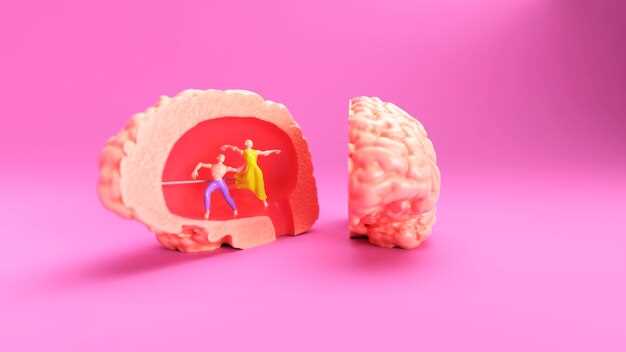
Normal görüntülemeye rağmen belirtiler devam ederse, merkezi sensibilizasyonda deneyimli bir psikologdan değerlendirme alın; belirli anketler, merkezi odaklı semptom örüntülerini belirlemeye yardımcı olur.
Somut belirtiler: hafif aktiviteden sonra hızlı semptom artışı; vücudun birçok bölgesine yaygın yayılım; semptomlar yanma, batma, elektrik çarpması gibi hissedilebilir; yerleşim haftalık kontrollerde bir yerden diğerine kayar; görüntüleme bulguları ile bildirilen hisler arasında uyumsuzluk; kohort çalışmalarında tekrar tekrar gösterilmiştir.
Klinik muayene, hafif dokunuşa allodynia; basınçla tutarsız dağılıma hiperaljezi; anatomik haritaları takip etmeyen duyusal değişiklikler; etkilenen bölgeye gözlerin açık olmasıyla doğrudan bakış gibi görsel uyaranlarla semptom modülasyonu; rastgele kontrollü deneylerde temel çizgi üzerindeki plasebo yanıtı, santral katkıyı öngörür.
Psikolojik sinyaller, semptom yoğunluğu ile duygular arasında sıkı bir ilişki de dahil olmak üzere; tek duygu ani yükselişleri genellikle alevlenmelerden önce gerçekleşir; yüksek felaketleştirme veya korku puanları genellikle erken yaralanma deneyimlerinden öğrenilir; belirli tehdit inançları işlevi azaltır; Bilişsel Davranışçı Terapi (BDT) denemeleri, altı haftalık programlarda aktivite toleransında artış gösterir; meta-analizlerden elde edilen bulgu, eğitim artı kademeli aktivitenin birçok örneklemde pasif düzeltmelerden daha iyi çalıştığını göstermektedir.
Pratik adımlar: aktivite, uyku, ruh hali, duyguların basit bir günlüğünü tutun; ölçülebilir hedeflerle kademeli maruziyet başlatın; her şeyi yapısal olarak ele almayın; işlevin yeniden sağlanmasına, uykunun iyileştirilmesine, günlük yaşamda huzurun yeniden kazanılmasına odaklanın; kısa eğitim seansları birkaç ziyaret içinde semptomların nedenlerini anlamayı iyileştirir; açık bir açıklama yaparak korkuyu azaltan klinikçi uyumu destekler; bir haftalık incelemede tekrarlayan değerlendirmeler, müdahalelerin işe yarayıp yaramadığını kliniklere bildirin; semptomları belgelenirken, tetikleyicilerle bağlantılı ağrı ile ilgili tanımlayıcılar ekleyin.
Neden yetişkin başa çıkma sadece irade gücü değil: Ağrıyı yönetmede beyin engelleri

Hızlı tempolu bir nefes alma rutini ile başlayın: 4 saniyede nefes alın, 4 saniye tutun, 8 saniyede nefes verin; sempati stres yanıtını azaltmak, parasempatik salınımı teşvik etmek için duyumlar tırmanırken 3–5 tekrar yapın.
Nöral tehdit devreleri hayatta kalmak için tasarlanmıştır; yetişkinlikte bile korumaya öncelik verirler, bu nedenle yalnızca özdenetim otomatik tehdit yanıtlarını geçersiz kıyamaz. Bazı ağlar hafıza merkezleriyle sinyalleri paylaşır; bu da öğrenilmiş çağrışımların yaralanma çözüldükten çok sonra bile artan duyguları sürdüreceği anlamına gelir. Üniversite görüntüleme çalışmaları, tehdit yanıtı alanları, duygu işleme merkezleri arasında örtüşme gösterir; bu örtüşmeler, hedeflenmiş eğitim olmadan bilişsel çabayı daha az etkili hale getirir. Partnerler arasındaki ortak beklentiler genellikle yanıt büyüklüğünü artırır.
Klinisyen gözetiminde kademeli maruziyet seansları, ölçülebilir hedefler içeren hızlandırılmış aktivite planları, uyku optimizasyonu, kısa bilişsel yeniden değerlendirme uygulaması ve partner eğitimi kullanın. Üniversite merkezlerindeki kontrollü çalışmalar, davranışsal stratejiler beceri eğitimi ile birleştirildiğinde kendi kendini bildirim yoluyla belirtilen sıkıntıda yaklaşık 20–30% ortalama azalma bildirdi; sosyal destek müdahaleleri eklenmesiyle başka 15–25% iyileşme gerçekleşti. Araştırma ilgi alanınız varsa, bilişsel yaklaşımlar için üniversite protokollerini gözden geçirin. İş yerinde düzenlemeler için yapılan savunuculuk, birçok çift için semptom yükünü azalttı; yapılandırılmış iletişim, partnerlerin hangi desteğe ihtiyaç duyduğunu anlamalarına yardımcı oldu.
Açık bir plan: en az 2 hafta boyunca basit günlük bir kayıtla başlangıç durumunu değerlendirin, haftada bir ölçülebilir hedef belirleyin, günde 2 kez ve alevlenme sırasında 3 kez nefes egzersizi yapın, 4 hafta içinde bir klinik uzmanla bir seans ayarlayın, ihtiyaçlar rutin kapasiteyi aştığında iş yerinde destek isteyin. Kendiniz için, azimle ilgili yardımcı olmayan beklentilerden kurtulun; bazı dürtülerin devam edeceğini kabul edin, duyguların daha az ezici olması için tepkisel durumu azaltmak için stratejiler kullanın. Tetikleyicileri belirleyin, onları sakinleştirenlere not alın, haftalık olarak günlükleri gözden geçirin; her zaman dinlenme dönemlerini koruyun, yüksek talep gören görevleri iyileşme döneminin başında mevcut enerjinin %'sinden daha azına indirin. Bir miktar klinik savunuculuğu, birçok kişi için işlevsel sınırlamalarda muazzam bir azalmaya neden olur, bu da yalnızca azme güvenmekten çok daha hızlıdır. Tetikleyicileri takip edenler, neyin sıkıntıyı daha açık bir şekilde artırdığını bilir ve bu da onlara gerilimi azaltan ve tehdit yanıtını artıranlar yerine kişiye özel aktiviteler seçme olanağı sağlar.
 Evliliğinizde Küçük Davranışlarla Günlük Aşk İnşa Etme Yolu">
 Aşk Bulma Şansınızı Bozabilecek 5 Flört Hataları">
 Bir İlişkide Olmak İçin Çok Mu Travmatize Oldum? Belirtiler ve İyileşme">
 How to Practice Emotional Intelligence in Relationships – 8 Practical Tips">
 Sosyal Medyanın İlişkileri Nasıl Etkilediği — Etki ve İpuçları">
 4 Neden Sorduğunuzu ve Başkalarından Kıskandığınızı — Nedenler & Nasıl Aşılır">
 1500 Kişi İlişki Tavsiyesi Paylaşıyor – Aşk İçin Temel İpuçları">
 Bataklağı Kucakla – Mud Run'lara, Açık Hava Eğlencesine ve Zindeliğe Nihai Kılavuz">
 5 Kanıtlanmış Sır ile İnsanların Sizi Çabuk Sevemesini Sağlayın | Sosyal Beceriler">
 15 İşaret Siz ve Partnerinizin Zihinsel Olarak Uyumlu Olduğunu Gösteriyor">


