Turkish
  English
  Russian
  French
  German
  Italian
  Spanish
  Polish
  Ukrainian
  Portuguese
  Greek
Greek  Arabic
  Korean
  Chinese
  Japanese
  Czech
Czech 

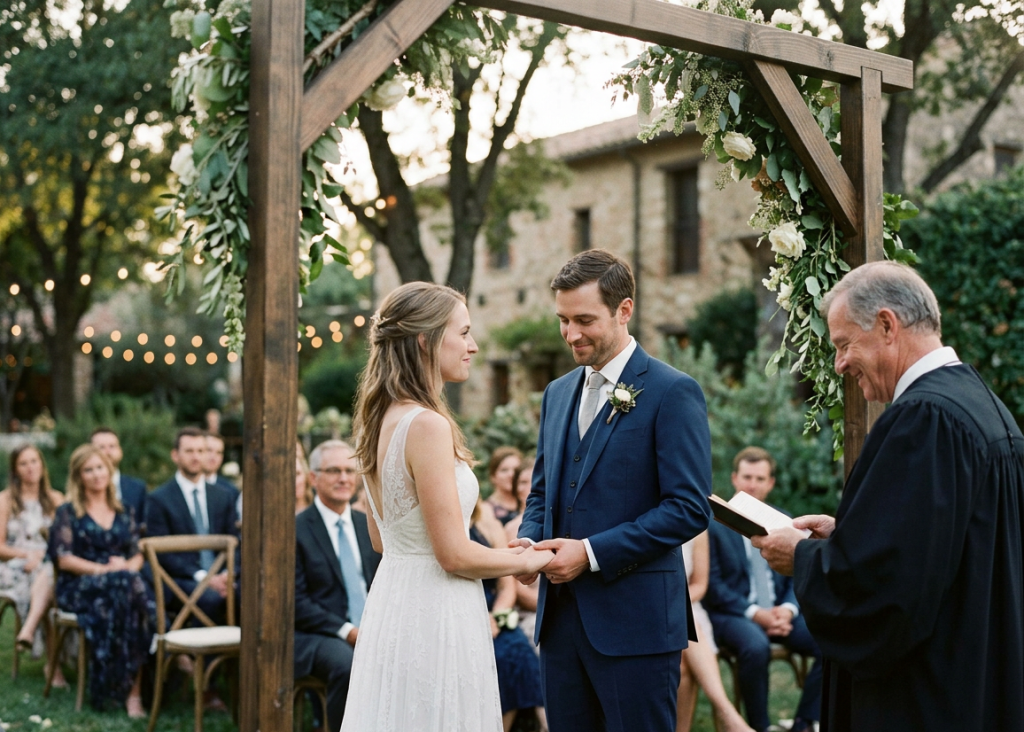
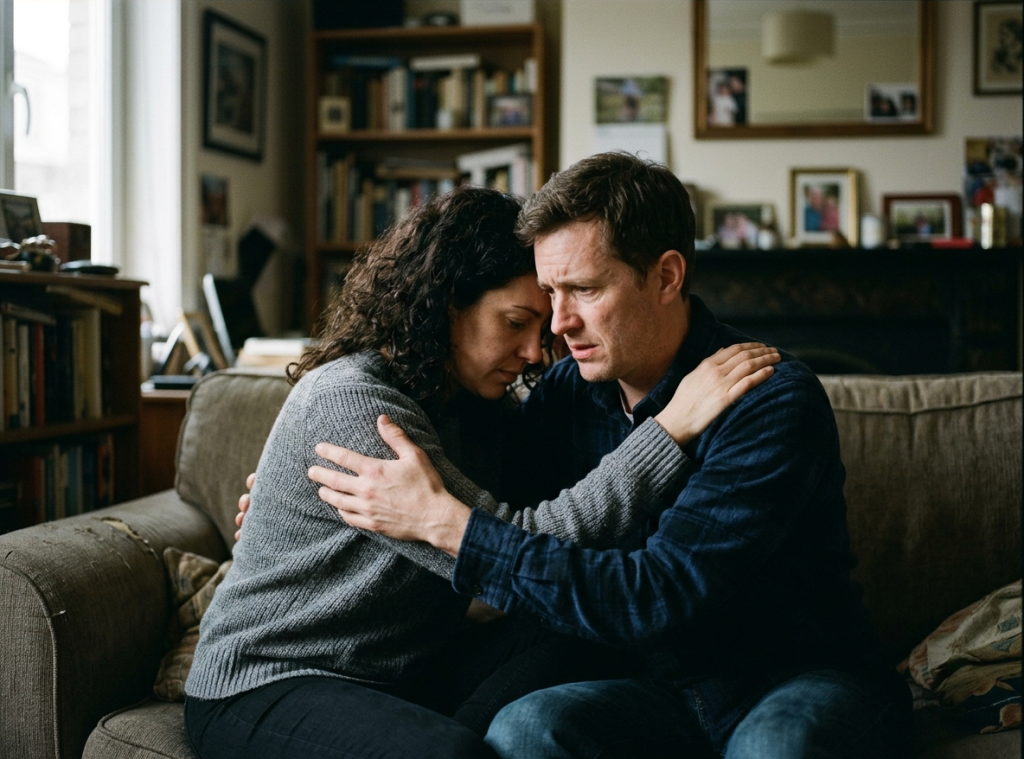
Marriage is often described as a lifelong commitment, yet it is also a major life transition that can trigger intense emotions. Many people experience marriage anxiety — feelings of worry, fear, or doubt about getting married. This anxiety can appear before the wedding, during planning, or even after the marriage begins.
Marriage anxiety is common, and it does not always mean the relationship is unstable. People feel anxious for various reasons, including fear of commitment, concerns about responsibilities, or past experiences. Physical symptoms such as increased heart rate, sleeplessness, or digestive issues can also accompany these emotions. Therefore, understanding why marriage anxiety occurs and learning strategies to manage it is essential.
In this article, we explore the causes of marriage anxiety, its impact, and practical ways to overcome it.
Why People Experience Marriage Anxiety
Marriage anxiety often stems from multiple sources. Recognizing the underlying causes is the first step toward managing it.
One primary factor is fear of commitment. Making a lifelong commitment can feel overwhelming, especially for individuals who value independence or have experienced previous relationship challenges. Consequently, the weight of such a significant decision can lead to feelings of uncertainty.
Another factor is concern about responsibilities. Marriage introduces new financial, emotional, and practical obligations. Worries about managing these responsibilities can intensify anxiety about getting married.
Past experiences also play a role. Observing failed marriages or experiencing personal relationship trauma can create doubts. People may worry that they will repeat negative patterns or make the wrong choice.
Finally, major life transitions naturally trigger stress. Weddings involve planning, social obligations, and family dynamics. These pressures can exacerbate existing anxiety, making individuals feel emotionally exhausted.
Common Symptoms of Marriage Anxiety
Recognizing the signs of marriage anxiety helps individuals take action before it affects the relationship.
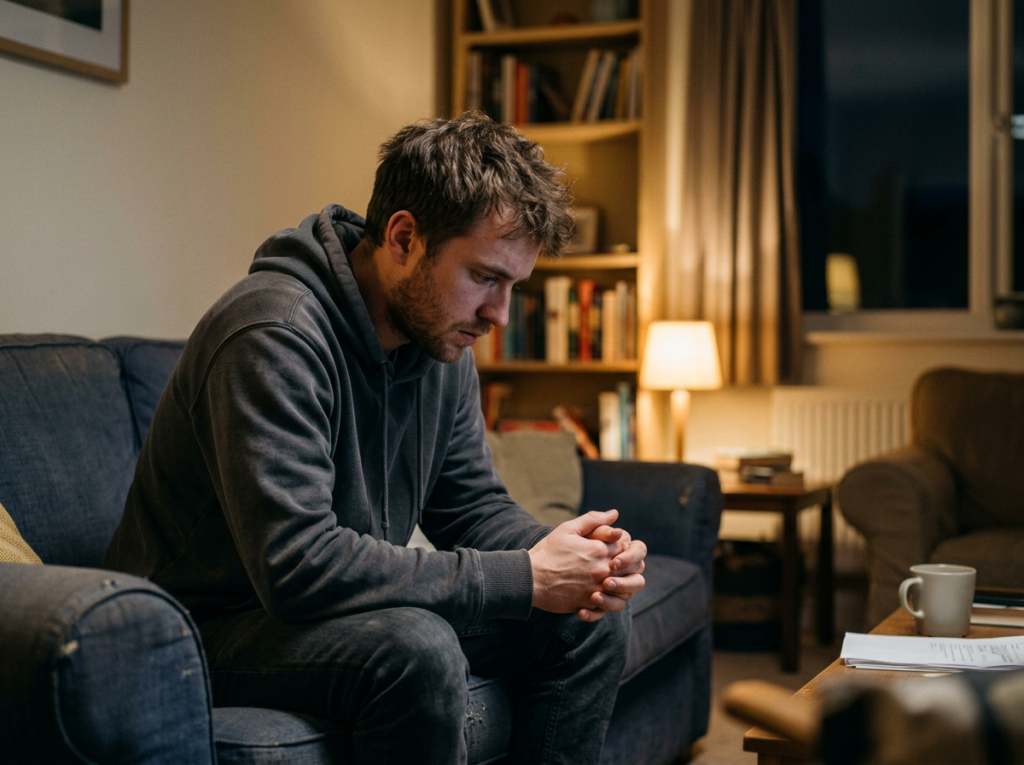
Emotional symptoms include persistent worry, fear of making mistakes, or feeling overwhelmed by the commitment. Individuals may experience doubts about compatibility, readiness, or long-term happiness.
Physical symptoms can accompany emotional distress. Rapid heartbeat, muscle tension, digestive discomfort, and disrupted sleep are common among people experiencing anxiety about getting married.
Behavioral changes may also appear. Some people withdraw from wedding planning, avoid conversations about marriage, or experience difficulty making decisions. Feeling exhausted or irritable often reflects the mental load of anxiety.
Identifying these signs allows individuals to address marriage anxiety proactively, rather than letting it undermine their relationship.
The Role of Fear and Doubts in Marriage Anxiety
Fear is a natural response to significant life changes. Feeling anxious about getting married does not imply weakness—it signals awareness of the responsibilities and consequences involved.
Common fears include fear of losing freedom, fear of failure, and fear of disappointing family or partners. Doubts about compatibility or long-term happiness also contribute to anxiety.
Understanding that these fears are normal helps individuals approach them constructively. Ignoring or suppressing worry often increases stress, while acknowledging concerns creates space for dialogue and problem-solving.
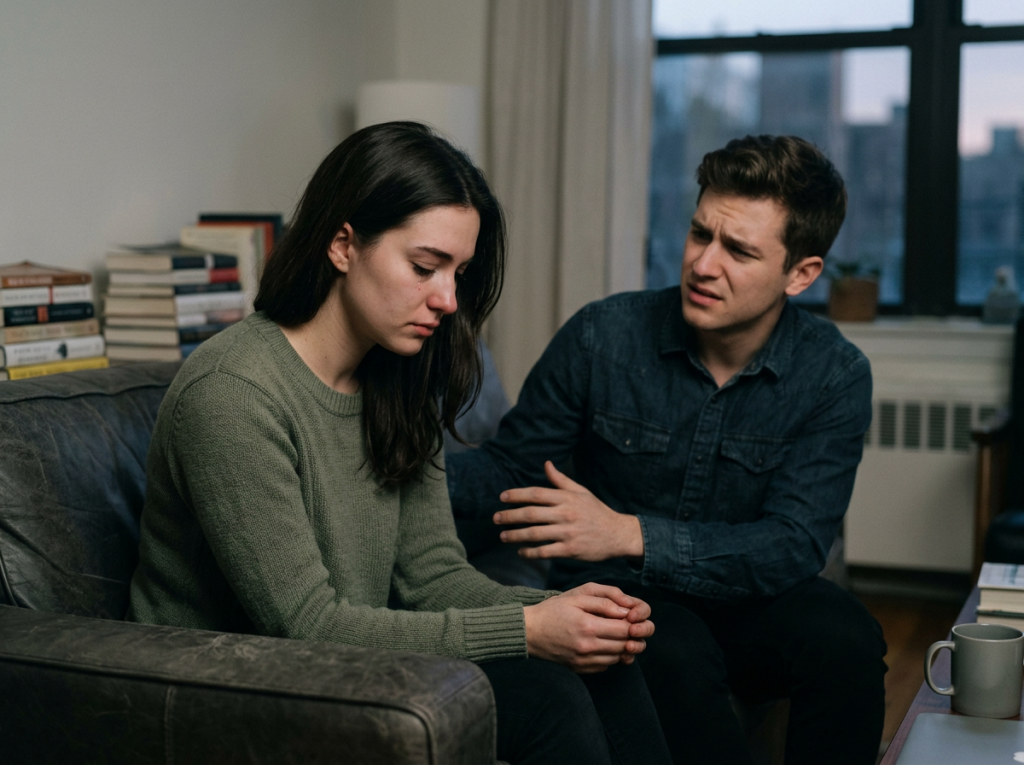
Couples can benefit from discussing these fears openly. Sharing doubts reduces isolation and helps partners support each other through the anxiety.
How Marriage Anxiety Affects Relationships
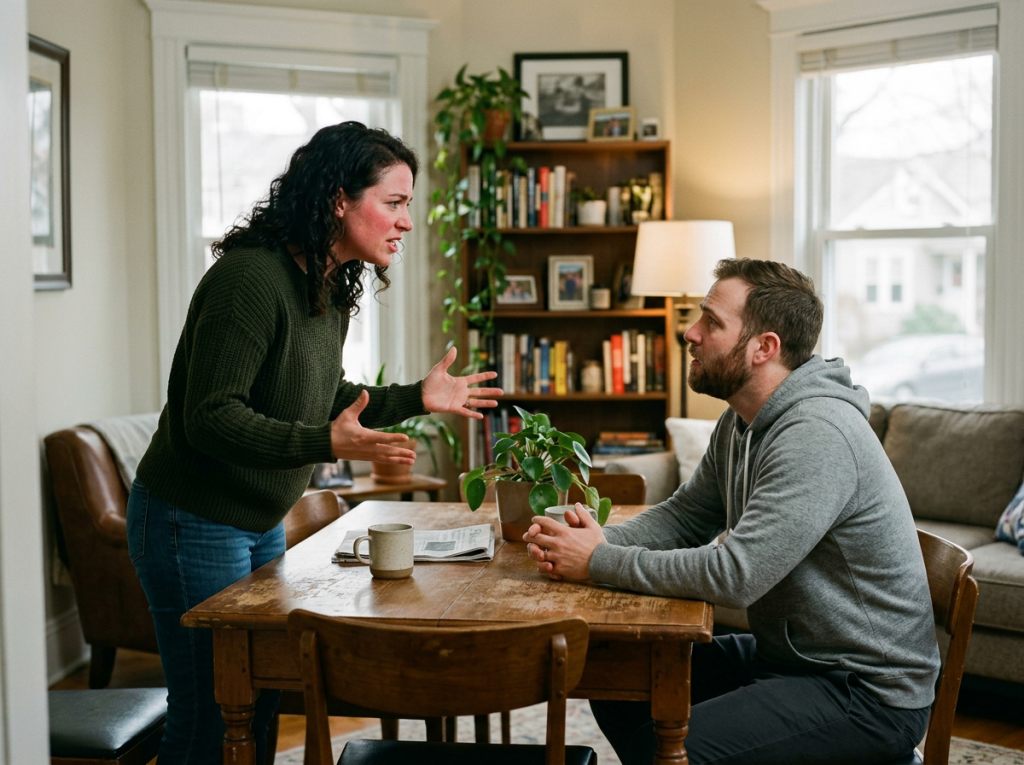
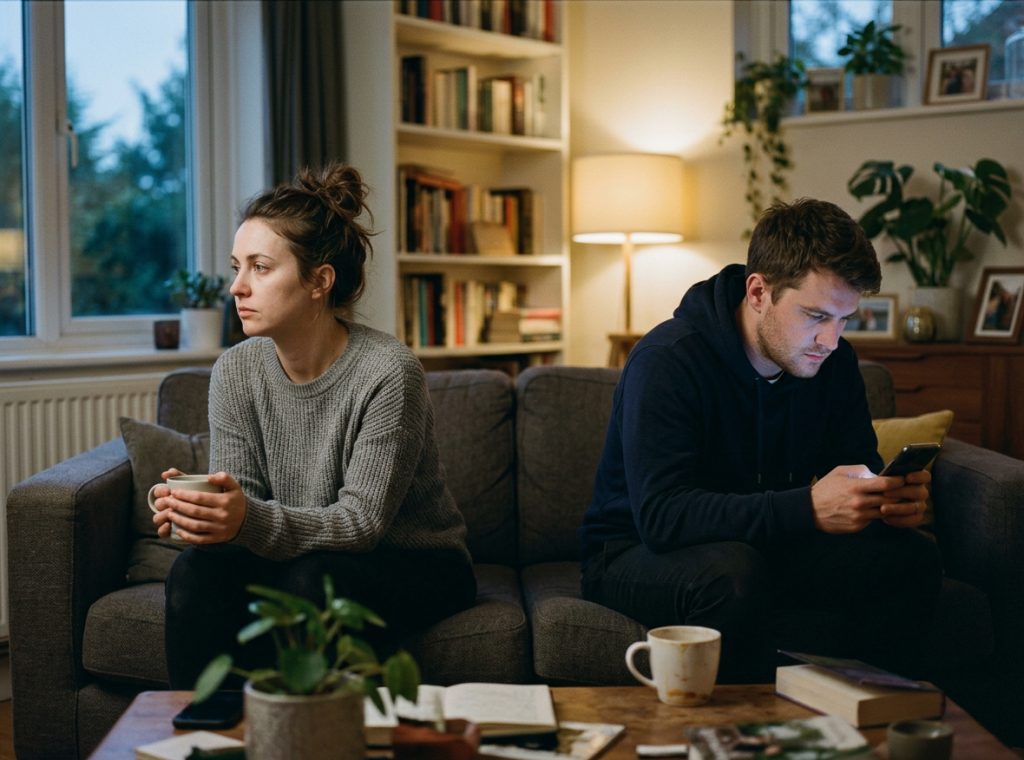
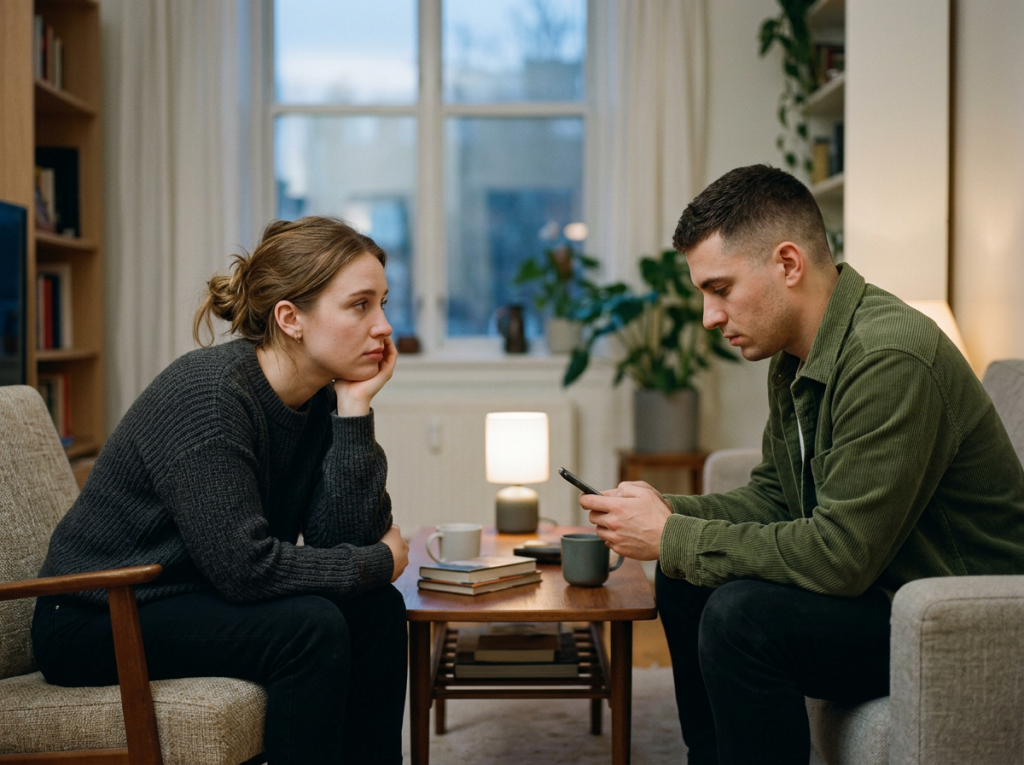
Marriage anxiety can impact the relationship in multiple ways. Persistent worry may lead to tension, misunderstandings, or conflict. Individuals may appear distant, indecisive, or emotionally unavailable.
Stress from wedding planning or anticipation of commitment can also reduce intimacy and communication. Anxiety can make minor disagreements feel more significant, creating a cycle of worry and emotional strain.
However, marriage anxiety is not inherently negative. Addressed appropriately, it can foster self-reflection and growth. Couples who communicate about their concerns often build stronger, more resilient relationships.
Strategies to Overcome Marriage Anxiety
Overcoming marriage anxiety requires intentional effort. Multiple strategies can reduce worry and help individuals feel more confident about their decision.
1. Open Communication with Your Partner
Discussing fears and doubts with your partner is essential. Honest conversations help clarify expectations and identify areas of concern. Couples who communicate effectively can address potential issues before they escalate.
2. Set Realistic Expectations
Weddings and marriages often carry cultural or social pressure. Setting realistic expectations reduces stress. Focus on what is important for the relationship rather than external validation.
3. Focus on the Present
Many people worry about future problems or hypothetical scenarios. Practicing mindfulness and staying present helps reduce excessive anxiety. Focusing on the current strengths of the relationship can reinforce confidence.
4. Profesyonel Destek Arayın
Therapists or counselors can provide guidance for individuals struggling with marriage anxiety. Professional support offers tools for managing worry, addressing fear, and improving communication within the relationship.
5. Self-Care and Stress Management
Physical activity, relaxation techniques, and hobbies can alleviate anxiety. Caring for your mental and physical health strengthens resilience, making it easier to cope with the stress of getting married.
6. Break Down the Process
Weddings and transitions can feel overwhelming. Breaking tasks into manageable steps reduces anxiety. Planning gradually allows individuals to focus on one aspect at a time rather than the entire commitment.
Addressing Fear of Commitment
Fear of commitment is a common source of marriage anxiety. Understanding the root of this fear is crucial.
Some individuals fear losing autonomy or independence. Others may worry about making a permanent decision that could have negative consequences. Reflecting on personal values and discussing boundaries with a partner can help mitigate these fears.
Reframing commitment as a partnership rather than a limitation often reduces anxiety. Recognizing that marriage allows for shared growth and support rather than restriction can create a positive perspective.
Coping with Physical Symptoms of Marriage Anxiety
Marriage anxiety can manifest physically, including tension, headaches, digestive issues, and insomnia. Addressing these symptoms improves both mental and physical well-being.
Exercise, yoga, and meditation reduce stress hormones and enhance relaxation. Deep breathing techniques can calm acute anxiety episodes.
Adequate sleep and nutrition also play a role. A healthy lifestyle reduces the impact of anxiety on the body, making it easier to cope with emotional challenges.
If physical symptoms persist, consulting a medical professional may be necessary. Persistent anxiety can sometimes require specialized care or therapy.
Preparing Mentally and Emotionally for Marriage
Mental and emotional preparation strengthens resilience against marriage anxiety.
Reflecting on personal goals, relationship values, and expectations helps individuals clarify their readiness, while self-reflection, and conversations with trusted friends or mentors can provide insight.
Building confidence in decision-making reduces doubts. Focusing on the qualities that make the relationship strong fosters optimism and reassurance.
Preparing together as a couple enhances the sense of teamwork. Planning, discussing finances, and aligning life goals can reduce uncertainty and anxiety before marriage.
When Marriage Anxiety Is a Sign to Pause
While anxiety is normal, excessive worry may indicate deeper concerns. Persistent doubts, overwhelming fear, or hesitation to commit could signal the need for further reflection.
Pausing to explore these feelings is not a failure. It allows individuals to assess readiness and ensure the relationship is based on mutual trust and shared goals. Seeking counseling or guidance can provide clarity and support in decision-making.
Conclusion: Navigating and Overcoming Marriage Anxiety
Overall, marriage anxiety is a common and natural response to a major life transition. Feeling anxious about getting married does not indicate a problem with the relationship itself. Instead, it reflects the seriousness of lifelong commitment and the responsibilities it entails.
Understanding the causes of marriage anxiety — fear of commitment, stress from planning, past experiences, and personal doubts — helps individuals approach it constructively. Recognizing both emotional and physical symptoms allows for proactive management.
Overcoming marriage anxiety involves communication, self-care, realistic expectations, and sometimes profesyonel destek. Addressing fear of commitment, managing physical symptoms, and preparing mentally and emotionally create confidence and resilience.
Marriage is both a partnership and a shared journey. When individuals and couples address anxiety thoughtfully, they can navigate the transition successfully. By acknowledging fears, seeking support, and focusing on strengths, marriage becomes not only manageable but fulfilling and rewarding.
Marriage anxiety, when understood and managed, can ultimately lead to stronger relationships, deeper connection, and a more meaningful commitment.