Turkish
  English
  Russian
  French
  German
  Italian
  Spanish
  Polish
  Ukrainian
  Portuguese
  Greek
Greek  Arabic
  Korean
  Chinese
  Japanese
  Czech
Czech 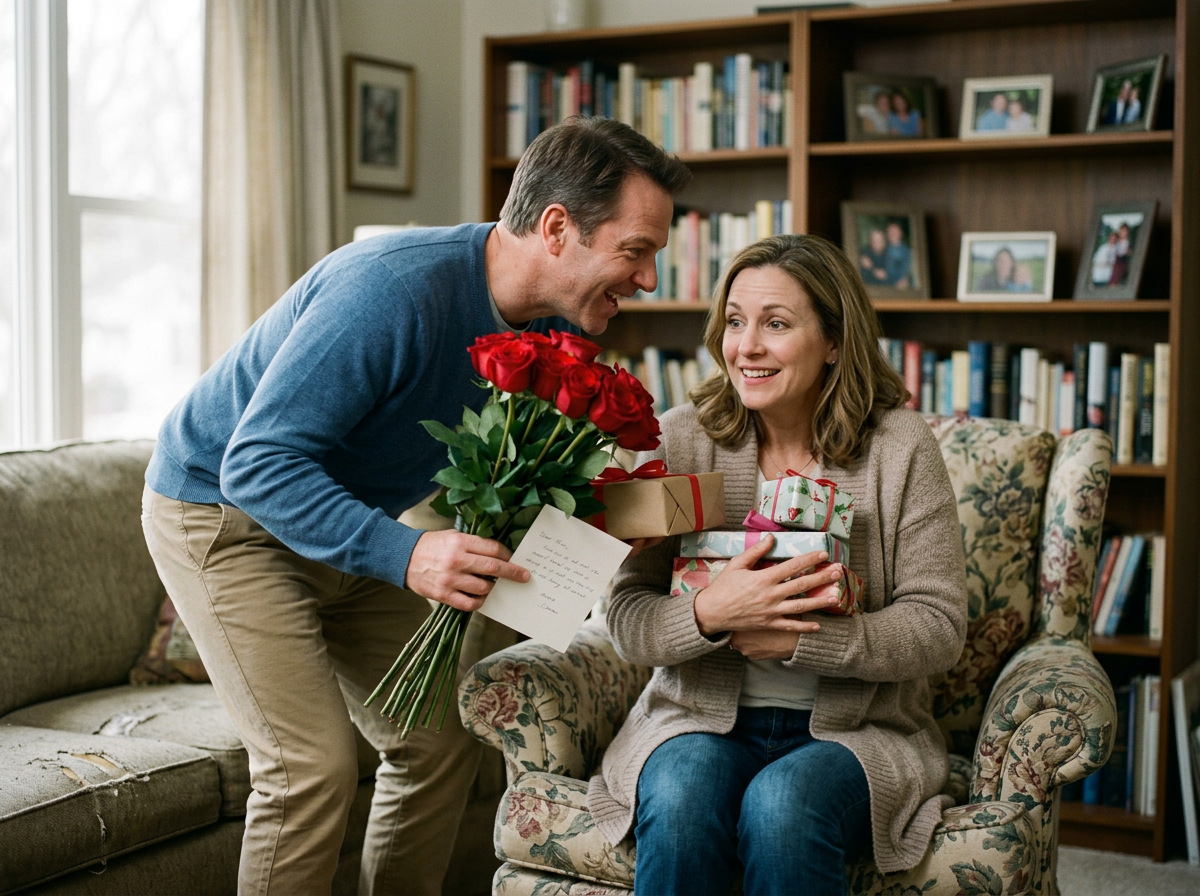

Love bombing in marriage might sound like a romantic concept, but in many relationships it signals deeper problems. What seems at first like excessive affection, lavish gifts, or constant attention may actually mask manipulation. In a healthy marriage, expressions of love grow naturally over time. In contrast, love bombing is characterized by patterns that confuse, control, or avoid real emotional work.
Understanding what love bombing is and recognizing real-life examples can help couples protect their emotional well-being. This article explains how love bombing shows up in marriage, why it can be harmful, and how couples can address or prevent it to build a more authentic, trusting relationship.
What Is Love Bombing in Marriage?
Love bombing is a form of emotional manipulation in which one partner overwhelms the other with intense affection, attention, or gifts. The behavior often happens after conflict or during times of stress, but it persists beyond normal romantic gestures. Unlike genuine love, its purpose is to distract from issues rather than resolve them.
In the context of marriage, love bombing may start after a disagreement or when one partner feels insecure about the status of the relationship. Instead of engaging in honest communication, the spouse uses exaggerated loving behaviors to soothe tension without making meaningful changes. This can blur the line between emotional support and control.
Real Examples of Love Bombing in Marriage
Gifts as Apology Substitutes
One common example comes from a case where a husband repeatedly use gifts to smooth over recurring trust issues instead of addressing the underlying behavior. After minor broken promises or defensive reactions, he would arrange spa days, bring jewelry, or chocolates in an attempt to erase the pain and restore affection. Over time, these grand gestures can replace real accountability, leaving the wife unsure whether he truly understood her emotional hurt.
Grand Gestures After Conflict
Another typical scenario involves turning a serious conflict into a superficially pleasant experience. A spouse might book an elaborate weekend getaway or plan an expensive dinner right after a fight. While this may feel romantic at first, it functions as a distraction that allows the underlying conflict to remain unresolved.
Excessive Affection Used to Avoid Hard Conversations
Love bombing can also show up in the form of over-the-top affection intended to sidestep difficult conversations. Instead of discussing feelings of neglect, misunderstanding, or emotional distance, one partner might offer constant compliments or emotional praise. This may create a short-lived emotional high but does nothing to strengthen the relationship’s foundation.
Repeated Promises Without Change
Some spouses use love bombing after failing to change harmful behavior. They promise they will do better, offer romantic reassurance, or make elaborate statements about their commitment, but they do not follow through. This pattern leads to confusion and frustration, as the repeated cycle of promises and superficial affection hides the need for real change.
Why Love Bombing Is Harmful
Creates Dependency Instead of Partnership
One key problem with love bombing in marriage is that it emphasizes emotional dependency rather than a balanced partnership. When a spouse provides constant attention or affection to mask issues, the other may feel temporarily comforted but not truly supported or understood. Over time, this dynamic can make one partner overly reliant on these gestures rather than true emotional connection.
Avoids Accountability and Growth
Love bombing often replaces accountability with superficial devotion. A partner who constantly showers affection after conflict may be avoiding the hard work of addressing deeper problems. This prevents growth and resolution, allowing issues to fester beneath the surface.
Confusion Between Genuine Love and Manipulation
A major risk of love bombing is the emotional confusion it creates. When excessive affection is used as a substitute for direct communication, the receiving partner may struggle to discern genuine love from manipulation. They might wonder whether their spouse truly cares or is simply trying to avoid conflict.
This confusion can erode trust. When partners are unsure of motives behind affectionate gestures, even positive actions begin to feel uncertain. Real love should create emotional safety, not ambiguity.
Prevents Real Emotional Healing
Love bombing keeps emotional distance hidden behind dazzling displays of affection. Instead of resolving conflict or addressing emotional needs, partners may fall into a cycle of temporary distraction. This pattern delays healing from underlying issues and prevents both spouses from developing better conflict-resolution skills.
Possible Emotional Abuse
While not all love bombing is intentional abuse, the pattern often overlaps with emotionally harmful behaviors. Continuous control over emotional space, even through affection, can lead to psychological stress or resentment. In its extreme form, love bombing is recognized as part of broader dynamics of manipulation and control within relationships.
Differentiating Love Bombing From Healthy Affection
It is important to distinguish between love bombing and healthy expressions of love. Genuine affection in marriage grows naturally and is balanced with accountability. Partners show love but also respect boundaries, communicate openly, and work through conflict with honesty.
Healthy romantic gestures are not used to avoid difficult conversations or mask unmet needs. True love includes both positive experiences and shared challenges, navigated through mutual understanding and effort.
Recognizing the Cycle of Love Bombing
Emotional Highs Followed by Withdrawal
One recognizable pattern of love bombing is emotional highs followed by emotional withdrawal. After a conflict or perceived slight, the love-bombing spouse may offer intense affection or gifts. Once the situation shifts, the intensity may drop, leaving the other partner feeling emotionally adrift.
Affection Used as Repair Substitute
In cases where one spouse struggles to repair trust, love bombing becomes a substitute for genuine reconciliation. Rather than apologizing sincerely and taking responsibility, the partner may use grand gestures or romance to “make up” for hurt. This reinforces the idea that love is performance rather than mutual support.
Escalation After Emotional Distance
When emotional distance grows within the marriage, love bombing may increase as a tactic to close the gap. Instead of engaging with the emotional pain directly, one partner uses affection to smooth over the rough edges. This can create a loop where real communication is bypassed in favor of distraction.
How Couples Can Respond to Love Bombing
Awareness and Acknowledgment
The first step is recognizing the pattern. Partners should ask themselves whether affectionate gestures are paired with genuine effort to address deeper issues. True love bombing is not just acts of affection; it’s an attempt to avoid the harder work of building trust and resolving conflict.
Açık İletişim
Couples should discuss patterns of behavior openly. Express how certain gestures make you feel and whether they help resolve underlying issues. Honest dialogue can reveal whether actions align with intentions.
Establishing Boundaries
Setting boundaries around gifts, attention, and expectations helps partners manage love bombing behaviors. Clear limits encourage healthier forms of expression that support emotional safety rather than emotional dependency.
Profesyonel Destek Arayın
In some cases, couples benefit from professional guidance. Marriage counseling or therapy provides a safe space to explore emotional patterns, including love bombing dynamics. A trained therapist can help partners develop healthier communication and attachment strategies.
İyileşme ve İlerleme
Breaking the cycle of love bombing in marriage requires sustained effort and self-reflection. Partners should work on rebuilding trust through actions that align with words. Consistency over time matters more than grand gestures.
Rebuilding connection also involves addressing underlying emotional wounds, strengthening communication, and creating shared goals. By focusing on long-term growth rather than short-term reassurance, couples can cultivate deeper intimacy and mutual respect.
Sonuç
Love bombing in marriage may appear as unconditional affection, gifts, or attention, but its underlying effects can be harmful. When used to avoid accountability, mask unresolved issues, or manipulate emotional response, love bombing undermines trust and intimacy.
Recognizing real examples, such as excessive gifts after conflict or grand gestures that replace sincere apologies, is essential for identifying unhealthy patterns. Distinguishing between genuine love and manipulation allows couples to address deeper emotional needs and restore balance.
Ultimately, a healthy marriage thrives on consistent care, open communication, respect for boundaries, and emotional honesty. By understanding the risks of love bombing in marriage and taking proactive steps to address it, partners can build a relationship grounded in trust, authenticity, and lasting connection.