

 Turkish
  English
  Russian
  French
  German
  Italian
  Spanish
  Polish
  Ukrainian
  Portuguese
  Greek
Greek  Arabic
  Korean
  Chinese
  Japanese
  Czech
Czech  50 Flört Başlangıcı - Anlamlı Bağlantılar Kurmayı Kolaylaştırın">

Seç one light topic to open, one reflective topic to deepen, one playful topic to close; aim to cover those three within 20 minutes so conversation moves from surface details to what truly matters. Use a 60/40 listening ratio: listen 60% of the time, speak 40%. That balance helps both people feel received and reduces pressure while revealing genuine feelings and priorities.
When someone seems reserved, name observable signals then ask a thoughtful follow-up that invites specificity: mention a challenge they recently experienced, ask which challenges they see among peers, or probe which aspirations they’ve pursued in the past year. Concrete prompts that reference recent events produce more revealing answers than abstract queries; others tend to respond with anecdotes when questions tie to real moments.
Set a clear goal for each interaction: build trust, assess compatibility, or strengthen friendship. Aim to hit five distinct topics across an exchange – hobbies, values, ambitions, setbacks, and close relationships – so both parties gain a rounded sense of the other. Avoid rapid-fire lists; pause, reflect, then ask whatre current priorities. Small, thoughtful moves create lasting connections and increase the chance that both people leave feeling understood and eager to meet again.
Section: Practical Starters to Kickkick Meaningful Connections
Ask a two-part question: name one hobby you spend most time on and where that interest began; follow with a short example from your own life to signal reciprocity.
Quick tips: After their reply, offer a 15–30 second reflection on why that hobby lasts for you, then continue with a follow-up that probes whether they plan to invest more time or try a new related activity.
Turn ordinary topics into a mini game: pick three unexpected things (best meal, worst habit, favorite genre) and alternate answers – this keeps dialogue lively and especially helps both of you stay curious and know youre engaged.
When you have ten minutes left on a date, ask one question about partnership values: where do they feel most supported, do they believe in shared responsibilities, and how would kids factor into that plan; these yield meaningful signals fast.
Use some prompts that go deeper: Which friendships shaped your dreams? What do you miss and what would you spend more time doing if you could? These questions create richer conversations about friendships, long-term goals and the kind of life you both want here and now.
Openers That Feel Personal and Not Pushy
Lead with a specific observation tied to a visible hobby or item: “I saw your pottery photo – which piece took the most time to finish?” This will lower mental load and make replies come closer to natural.
- “You mentioned piano – which piece are you practicing right now?” – Best when profile shows real practice; narrow asks reduce risk and increase reply rate.
- “That film quote in your bio stuck with me – which scene do you rewind most?” – film invites short anecdotes and moments that matter.
- “If one book reshaped your goals, which book would that be?” – book, goal and aspirations land at an emotional yet concrete level.
- “I havent tried rock climbing; what challenge surprised you most on your first climb?” – havent and challenges prompt storytelling while keeping pressure low.
- “You list cooking among your hobbies – what things do you make when time is tight?” – mentions hobbies, things and time so replies stay practical and easy.
- “Not a cheesy pickup line: which song calms you after a long day of social isolation?” – cheesy, pickup, social and isolation give a playful but sincere tone.
- “Would you rather spend a weekend becoming fluent in a new skill or chasing small creative projects?” – would, becoming and creative reveal aspirations without prying.
- “Which little moments this month felt deeply meaningful to you?” – deeply and moments encourage reflection while avoiding heavy pressure.
- “What is the best way someone could help you when you need support?” – best and need show empathy and signal genuine interest.
- “Do you keep a book list or a film watchlist that you return to?” – keeping connects to habits and natural follow-up ideas for a low-key date.
Ask what they’re looking to get out of an easy first exchange; small game-style prompts work when those cues are playful and spark curiosity, while not pressuring anyone.
- Ask one narrow question at a time to reduce mental effort and shorten reply time.
- Avoid pickup-style lines that sound rehearsed; reference specific visual cues instead.
- Offer low-risk invites to share – questions about hobbies, single moments or a recent challenge perform best.
- Match tone to their profile: playful when they are playful, reflective when they mention aspirations or deeper interests.
- Make your goal explicit: learn one clear thing about them while keeping the exchange under three messages before proposing a casual date.
Icebreakers Based on Shared Interests
Ask which genre they pick most when choosing entertainment and mention a recent favorite to create a deeper exchange; if they reference kids’ media, bring a specific title that will reveal parenting style and time priorities.
Use concise prompts: “Tell me the last thing you learned from a hobby” (reveals habits); “What do you love to do at night that helps you unwind?” (shows routines); “Have you ever shared an embarrassing, or even the dirtiest, joke with someone you trust?” (tests humor boundaries); “If you could pick one skill to create stronger friendships or a partnership, which would you choose?” These questions help keep pace and let you know what they value.
If you’re looking to move deeper, use lighter topics before serious ones and give them time to answer; if they havent responded to a question, switch to a low-stakes topic. Bring small shared activities – a playlist exchange or one-song challenge – to create momentum without pressure.
When discussing kids or partnership responsibilities, reference hhsgov resources on family routines and screen time; combining that guidance with personal anecdotes creates the perfect opener that keeps the exchange useful and grounded.
Playful Questions to Lighten the Mood
Ask one playful, specific question in the first five minutes of a date to help them feel relaxed and prompt a short, memorable story.
whatre you most likely to order on a first date? – quick reveal of taste and comfort level. If our meeting were a film, which genre would best describe it and why? – pinpoints humor versus drama. Tell me one unexpected thing you learned while on a travel trip. – surfaces curiosity and a concrete anecdote. Heres a small flirtatious dare: whisper two words you wish someone would say to you.
Focus on feelings and timing: ask about feelings when a topic lands, then follow two factual follow-ups (where, when) instead of broad questions. A single playful prompt will reveal preferences and could lead to lasting moments; use a shared playlist as an источник of follow-ups and to reconnect later.
Examples of short follow-ups that deepen a bond without pressure: “what made that the best part?”, “who were you with?”, “whatre three common things that still make you laugh?” Keep tone light, thats the point – small, specific prompts reduce awkward silences and invite creative replies.
Track patterns across a year: note which playful questions spark the most genuine smiles and which answers hint at close friendships or values. Remember to circle back to unexpected details the other person mentioned; revisiting one small anecdote will strengthen rapport and the natural connection between you.
Thought-Provoking Questions for Deeper Insight

Ask three targeted, reflective questions within the first 20 minutes: one about values, one about resilience, and one about future aspirations – this early triage helps you know quickly whether long-term goals align.
Examples to use and why they work: “What choice changed your life and why?” (reveals thought patterns and pivotal stories); “When have you felt most proud of getting through something hard?” (shows resilience, not just achievements); “Which two values do you need others to share?” (maps shared priorities); “What’s an embarrassing lesson that helped you improve?” (tests humility without prying); “If you could keep one friendship from any genre of your life, which and why?” (exposes relational style); “What’s a goal you’ve left unfinished and what stopped you?” (indicates follow-through); “Which book or movie shaped your outlook early on?” (quick proxy for emotional taste); “How has a difficult period affected your mental health and recovery?” (use sparingly and reference hhsgov resources if needed); “What small routine helps you stay grounded day-to-day?” (practical insight); “What’s a cheesy dream you still want to pursue?” (light valve that reveals longings).
Teslimat kuralları: Bir soru sorun, zamanın –80'inde dinleyin, ardından söyledikleri şeyden bir şeyler referans veren 15–30 saniyelik bir yansıma ile yanıtlayın; bu, dikkat ettiğinizin en açık sinyalidir. Sorgulamaktan kaçının; bir cevap çok özel görünüyorsa, diğerlerinin gönüllü olmasını sağlayın. Konular hassas olduğunda tarafsız kalın ve takip sorularını basit tutun - güveni oluşturmak için baskı yaratmadan derinleştirmek için yalnızca bir "bu size nasıl yardımcı oldu?" yeterlidir.
Cevapları veri noktaları olarak kullanın: paylaşılan özlemleri, tipik başa çıkma hikayelerini, tercih edilen boş zaman türünü ve yaygın sosyal hedefleri kataloglayın. Çoğu insan değerlerini doğrudan beyan etmekten ziyade anekdotlar aracılığıyla ortaya çıkarır, bu nedenle anlamlı hikayeleri işaretleyin, onların büyümesine yardımcı olan kalıpları not edin ve o yansımayı, uzun vadeli hedef uyumunuzun ve arkadaşlık potansiyelinizin eşleşip eşleşmediğine karar vermek için kullanın.
Durumsal Başlangıçlar Gerçek Hayatta Buluşmalarda
Erken bir küçük paylaşımlı tabak sipariş ederek açlıkla ilgili rahatsızlıklardan kaçının ve tarihlerde samimiyetle ne kadar rahat olduğunuzu test edin, açlık hissediyorsanız paylaşılan bir tatlı ile.
Eğer bir film gösteriliyorsa, çekildikten sonra düşündükleri sahneyi sorun ve bunu hissettikleri şekilde açıklamalarını isteyin; doğal bir etkileşim yaratmak için onlara aynı etkiyi yaratan bir kitap bahsetmektir.
Açık hava planı hazırlarken, beklenmedik gecikmeleri karşılamak için hafif bir battaniye ve bir cep kitabı yanınıza alın; insanların çoğu hazırlıklı olmanızdan hoşlanırlar ve bu, çok fazla gösteriş yerine düşünceli olduğunuzu gösterir.
Yakınlarda çocuklarla bir park buluşmasında, daha uzun süren yakın arkadaşlıklar istediklerini mi yoksa aile ve sosyal çevreleri ayrı tutmayı mı tercih ettiklerini sorun – bu, değer verdikleri şeyleri ve grup zamanını ne ölçüde kutladıklarını ortaya çıkarır.
İpucu: Eğer gergin hissediyorsan, yavaşça nefes al ve zaman veya menü hakkında küçük gözlemsel yorumlar kullan; bazen kısa yorumlar baskıyı azaltır, diğer zamanlarda sessizlik faydalıdır - sürekli sohbet etmeye çalışma, her zaman hızını randevuna uyarlamaya özen göster.
Kısa bir düşünceyle sonlandırın: Düşünmek ve fark ettiğiniz en iyi şeyleri değerlendirmek için bir dakikaya ihtiyacınız olduğunu söyleyin ve sizi bağ kurmaya yönlendiren beklenmedik bir detayı açıklayın; dürüstlüğünüzü ve abartıdan kaçınmanızı takdir edecekler.
 Self-Monitoring and Reflection for Behavior Change – Key Strategies">
 Daha Az Duygusal Tepkili Olmanın Yolları – Pratik İpuçları">
 7 Things to Say When Someone Gaslights You – Practical Phrases to Stand Your Ground">
 Kendini Nasıl ve Neden Tanımalısın – Özsevgiye Pratik Bir Rehber">
 How to Deal With a Negative Spouse – Practical Tips for a Healthier Relationship">
 3 Neden Karşılıklı Şöyle Berbat Kararlar Verirsiniz (Ve Nasıl Durdurursunuz)">
 Tarihinizi Etkilemek İçin 21 Romantik İngilizce İfade - Hızlı Kılavuz">
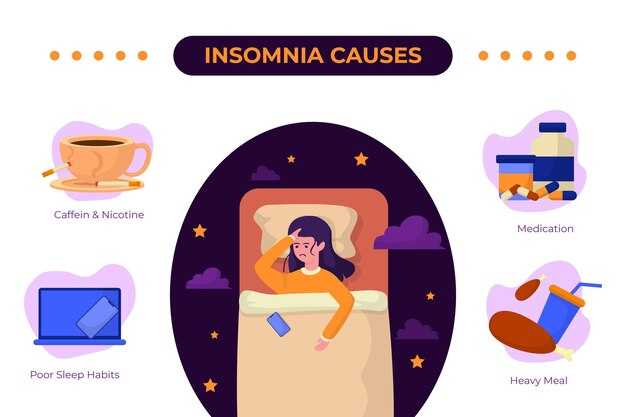 9 Günlük Alışkanlık Uyku Kalitenizi Artırmak İçin">
 How to Be More Interesting – 10 Practical Ways to Boost Your Charisma">
 Uyku İçin En İyi Nefes Egzersizleri – Daha İyi Dinlenme İçin Teknikler">


