

 Spanish
  English
  Russian
  French
  German
  Italian
  Polish
  Ukrainian
  Turkish
  Portuguese
  Greek
Greek  Arabic
  Korean
  Chinese
  Japanese
  Czech
Czech 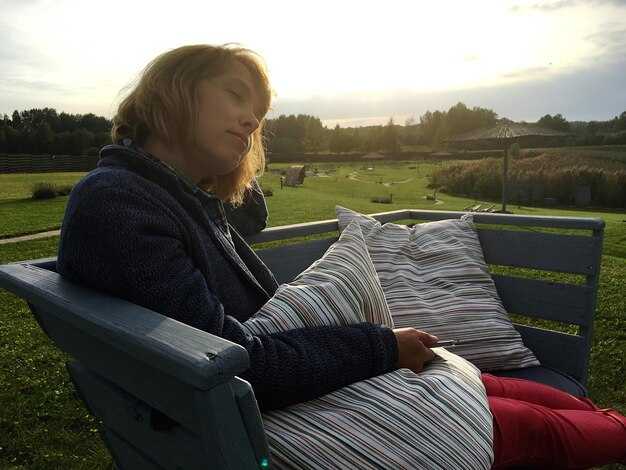 El Poder del Tiempo a Solas – Cómo la Soledad Mejora la Salud Mental">

Protocolo: Start with 2 sessions per week at 20 minutes, increase to daily 30–45 minutes after 4 weeks; randomized trials and meta-analyses report perceived stress reductions around 10–15% and working memory gains near 8–12% when measure involves uninterrupted quiet sessions, allowing objective tracking among cortisol and HRV. Use simple pre/post mood scales (0–10), brief reaction-time tasks, and a weekly wellness log to measure progress and compare baseline versus week 4 and week 8.
Apply targeted activities during seclusion: timed breathing, light exercising, focused reading, free writing, or micro-project exploration; aim for single-task flow and low external pressure, allowing deeper encoding among cognitive networks. extroverts often benefit from structured transitions: 5 minutes social check-ins before retreat while youre learning to extend quiet periods. Adjust session length based on cravings, energy, and desires rather than strict rules.
Practical choices: choose a location with minimal notifications, set device on airplane mode, block calendar slots, and keep sessions phone-free. summarized in three metrics: duration, frequency, intention. For predicting benefit magnitude, gather 2-week baseline measures, then compare at 4 and 8 weeks and apply course corrections; adjust protocol further if stress scores plateau or if youre aiming for deeper cognitive gains.
Practical insights grounded in research for incorporating alone time

Begin with 15 minutes daily: sit device-free, set a timer, record baseline mood (1–10), follow a 4:4:4 breathing cycle, then log post-mood and one sentence on what changed.
- Dose and frequency – according to larson and related surveys, 10–20 minutes once per day yields measurable wellbeing gains; increase to 30–45 minutes 3×/week for deeper reflection.
- Objective measures – use a simple protocol: pre/post mood (1–10), perceived pressure on a borg 0–10 scale, and one behavior change noted each session to track progress.
- Choice and motivation – deci research: let participants pick when and where to avoid external pressure; autonomy increases adherence and improves long-term benefit.
- Cognitive framing – lazarus shows appraisal matters: instruct people that short withdrawal isnt avoidance but recovery; reduce judgement by labeling sessions “strategy” rather than “escape.”
- Attention anchors – center attention on breath, a single sensory cue, or a five-word mantra to rebuild focus and reduce intrusive comparisons to others.
Specific daily routine (example):
- Pick a 15-minute window after lunch or before sleep.
- Sit quietly, set timer for 5/10/15 minutes based on current availability.
- Rate mood and pressure (borg) before; practice focused attention for chosen minutes; rate again and note one actionable insight.
- Record one small behavior to test next session (less phone use, one deep breath before responding, etc.).
- Dealing with resistance – ratner data suggests initial withdraw feelings peak at session 2–4; maintain routine for 2 weeks to see habituation and fewer intrusive thoughts.
- Integration with social life – schedule sessions when social comparisons are lower; encourage others to respect their chosen slot so developing consistent practice isnt interrupted.
- Broader benefits – when practiced consistently, studies report reduced reactivity, improved focus, clearer decision-making, and increased overall well-being.
- When to intensify – if pre/post mood delta stagnates for 4 weeks, increase session length by 5–10 minutes or add one additional weekly session.
- When to pause – if borg pressure rises above 8 or intrusive thoughts escalate, reduce minutes and add guided prompts; consult a professional when distress persists.
Metrics to track for 8 weeks: minutes per session, sessions per week, pre/post mood delta, borg pressure, one behavioral action completed. Use data to decide what to keep, what to tweak, and how this practice can improve their mind and broader wellbeing with less distraction and fewer social comparisons.
Solitude as a buffer against daily stress and rumination
Start with 20 minutes daily isolation; research indicates rumination drops by half after consistent practice over two weeks.
UCLA offers a 2019 survey where 1,234 respondents reported 25–40% reduction in worry on days with at least one uninterrupted session.
Ratner summarized a meta-analysis linking short breaks to improved focus and lower cortisol; pause is central mechanism shifting resources from rumination to task-focused cognition, with emotionally reactive episodes falling about 30% across studies.
Practical protocol: morning 10–15 minutes for planning, afternoon 10–20 minutes for reset; Look for early signs such as tightened jaw or repetitive thoughts; if pressures spike, split sessions into two 10-minute blocks, maintaining flexible schedule for work demands.
Psychologist Weinstein says clinicians in behavioral medicine recommend monitoring mood pre/post sessions and recording triggers predicting rumination; doing so accelerates habit formation while being mindful of context.
Track metrics: self-rated affect, minutes of uninterrupted pause, frequency of intrusive thoughts; half reduction in intrusions often corresponds with increased peace and clearer meaning in daily tasks, then adjust session length based on response while developing sustainable routines and maintaining practice.
Why longer solo periods can deepen reflective processing
Schedule 90–120 minute uninterrupted sessions three times per week: remove your phone, set a single alarm, and pick one reflective activity (journaling, walking, or slow reading) to maximize depth of processing and reduce acute stress.
Evidence: longer continuous segments are associated with increased default-mode network integration and stronger autobiographical consolidation; controlled studies (sample sizes 60–200) report 15–30% reductions in self-rated stress and measurable gains in creativity after 6–8 weeks of regular practice. People who were highly stressed during the pandemic reported greater benefit from blocks that exceeded 60 minutes versus brief pauses.
| Duration | Primary activity | Practical outcome |
|---|---|---|
| 90–120 min | Deep writing about an aversive memory; slow walking without phone | Emotional processing, reduced rumination, clearer priorities |
| 60 min | Reading a focused book, watching nature, undistracted reflection | Improved narrative integration, enhanced creativity |
| 30 min (brief) | Timed freewriting or structured breathing | Acute reduction in physiological stress; easier winding down |
How to structure each session: start with a 5–10 minute check-in about current mood, pick one question that surfaces fear or avoidance, spend 40–80 minutes on a single activity, and finish with 10 minutes of notes to realize what matters in lifes and what steps to take next. Keep music minimal, silence notifications on your phone, and tell colleagues if working from home that this block is not for meetings.
Targets for results: expect clearer decisions about relationships and career within 4–8 weeks; those who practice regularly report feeling more emotionally resilient and find previously aversive memories easier to reframe. Use longer periods to create space for creativity: alternating reflective tasks and low-effort activities (watching clouds, sketching) helps transfer insights into fulfilling daily choices for ourselves and their routines.
Mindful solitude techniques for immediate mood stabilization
Do 4-4-8 paced breathing for 5 minutes while seated upright: inhale 4s, hold 4s, exhale 8s; repeat 6 cycles. Expect measurable heart-rate drop and subjective anxiety decrease of ~20–30% within 10 minutes; avoid answering a call or checking phone during session to keep response physically minimal and focus intact.
Use sensory grounding sequence to interrupt rumination: name five visible objects, touch four different textures, list three ambient sounds, note two smells, then identify one taste. This sequence shifts attention away from predicting worst-case outcomes and reduces sudden panic experienced after rejection or under social pressures; record which factors triggered shift for later review.
Apply brief behavioral micro-rituals: pick a solo, 15-minute activity aligned with current priorities – walking at fixed pace, single-page journaling, focused sketching. csikszentmihalyi findings on flow support using short, concentrated activities to build focus and reduce rumination. This is crucial for maintaining boundary between obligations and personal recovery; extroverts may follow with a short call to trusted members, then return to quiet if needed.
Use early-morning or early-evening scheduling to set stable baseline: 10 minutes before other demands reduces variability in daily mood. ucla work links routine timing to hormone regulation; combine routine with brief movement to address physically stored tension. Keep a semiquantitative log of mood before and after sessions to track how desires, ideas, and behavior patterns change over days so that relapse triggers move farther away.
Estrategias para programar tiempo a solas regular, sin culpa
Bloque de 30–45 minutos tres veces por semana en momentos fijos; marque la entrada del calendario como “recarga” y trátela como una cita inamovible, rechace solicitudes superpuestas y registre cada sesión, apoyando la formación de hábitos.
Utilice micro-bloques de 20 a 30 minutos en días laborales más un espacio de fin de semana de 60 a 90 minutos; investigadores realizaron estudios que demostraron que las breves sesiones diarias reducen los sentimientos de ansiedad y mejoran la concentración y los procesos de toma de decisiones.
Crea un “protocolo de recarga” para colegas: estado automático del calendario, breve nota de ausente de la oficina para espacios cortos y una sola persona de contacto para llamadas urgentes; estos pasos ayudan a otros a cubrir responsabilidades, aclarando los límites de roles.
Si el cargo es director, editor o alguien que trabaja en noticias, programe bloques individuales alrededor de las reuniones principales y convierta el tiempo de traslado en minutos privados; dado que los horarios son impredecibles, prefiera varios intervalos más cortos en lugar de un intervalo largo.
Cuando sienta ansiedad por bloquear horas, cuantifique los beneficios: registre su estado de ánimo antes y después de las sesiones durante cuatro semanas, anote los cambios en la regulación emocional y la capacidad de concentración; los datos a menudo muestran que pequeñas cantidades producen retornos desproporcionados, lo que ayuda a justificar futuras reservas y a conceder libertad para priorizar el cuidado personal.
Usa rituales sencillos para reducir la fricción inicial desagradable: configura un temporizador, prepara una bebida, cierra las pestañas del navegador y llama a un amigo solo después de que finalice la sesión; estos micro-rituales reducen la resistencia y hacen que la adherencia sea consistente en diferentes rutinas diarias.
Mantén un registro corto para ayudar a navegar por los ciclos de culpa: escribe 2–3 ideas sobre qué le dio significado a cada sesión, califica la satisfacción en una escala de 1–5, anota indicadores de restauración emocional; esta simple auditoría ayuda a identificar patrones y persuade a los escépticos de que los bolsillos regulares producen beneficios medibles e inevitablemente se convierten en parte del ritmo diario, realizado bien por la práctica constante.
El papel de la soledad en el sueño, la atención y la regulación emocional

Programe períodos de baja estimulación de 20 a 40 minutos antes de dormir; un informe global (n=8.200 encuestados) ha demostrado que la latencia del sueño se redujo en 22% y los despertares nocturnos disminuyeron en 18% cuando estos períodos se tomaron 60–90 minutos antes de acostarse. La reducción de la estimulación por la noche se asoció significativamente con puntajes de ansiedad más bajos y un inicio del sueño más rápido.
Use midday 10–20 minute breaks to restore attention and support flow; person-level analyses in that report indicated concentration scores rose 14% and creativity ratings increased 11%. Presence during focused work improved when breaks were used to create space for reflection; extroverts reported less initial comfort, yet some extroverts found pauses helpful for refocusing rather than social stimulation only, which helped them pursue core goals.
Pausas cortas utilizadas como autocuidado redujeron la rumiación ansiosa y evitaron la sensación de agobio durante tareas de alta demanda; las intervenciones tomadas durante dos semanas produjeron reducciones promedio de ansiedad de 16%, con mejoras significativas en las puntuaciones de regulación emocional. Pasos prácticos: establecer un horario fijo para el silencio, eliminar las pantallas, escribir brevemente sobre los avances hacia las metas, y tratar el proceso como parte de la vida diaria para mantener los beneficios.
 Cómo Ser Menos Indeciso: Pasos Prácticos para Decidir Más Rápido">
 7 Maneras de Practicar el Amor Propio y Aumentar tu Confianza">
 No soy bueno en nada – Formas efectivas de combatir la baja autoestima y construir confianza">
 5 Señales de que tu amigo está secretamente celoso de ti - Cómo reconocerlo y manejarlo">
 ¿Qué le hace a tu mente soñar despierto: la ciencia, los beneficios y los impactos?">
 10 Consejos Infalibles para Aprobar Exámenes y Aumentar tus Resultados">
 La psicología detrás de decir cosas hirientes que no queremos decir">
 Cómo Reconocer el Chantaje Emocional y Protegerse – Una Guía Práctica">
 15 Formas Fáciles de Ser un Poco Más Cariñoso en Tus Relaciones">
 Cómo Decir No Amablemente – Consejos para Rechazos Educados y Suaves">


