Spanish
  English
  Russian
  French
  German
  Italian
  Polish
  Ukrainian
  Turkish
  Portuguese
  Greek
Greek  Arabic
  Korean
  Chinese
  Japanese
  Czech
Czech 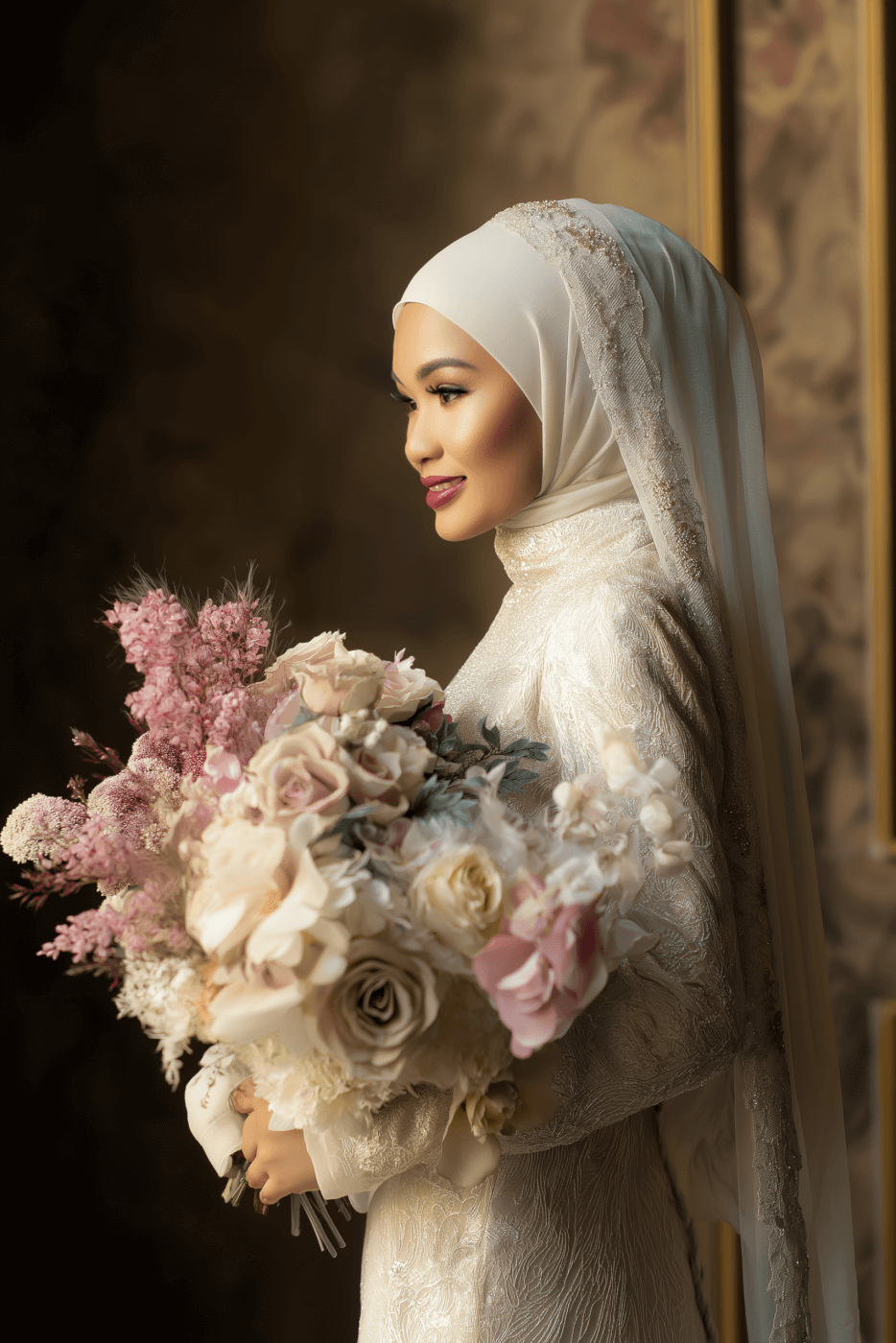

Muslim wedding traditions form a rich and meaningful tapestry shaped by the Islamic faith, cultural values, and centuries of heritage. A Muslim wedding blends religious rituals, family customs, and joyful celebrations that bring communities together. These traditions create a marriage framework rooted in commitment, trust, and spirituality. While each region follows its own cultural nuances, the foundation of a Muslim wedding remains deeply connected to the teachings of the Islamic faith.
A modern couple preparing for a Muslim wedding often navigates a long list of customs, ceremonies, and symbolic rituals. The wedding itself is not just a celebration; it is a sacred marriage contract that reflects responsibility, respect, and shared vows between partners. Whether you participate as a family member, a friend, or attend a Muslim wedding for the first time as a guest, understanding these traditions helps you appreciate the depth of this meaningful journey.
This comprehensive guide explores every major aspect of a Muslim wedding, from the nikah ceremony to wedding feasts, attire, rituals, and the emotional moments of rukhsati. It also highlights cultural differences across regions, the spiritual significance of prayer in marriage, and the evolving role of Islamic values in modern relationships.
Origins And Cultural Significance Of Muslim Marriage Traditions
Marriage in the Islamic faith is regarded as a sacred, lifelong partnership that brings two individuals together under shared values. Muslim marriage is not solely a social contract; it carries deep religious meaning. Islamic teachings encourage marriage as a path to companionship, emotional well-being, and moral growth.
Muslim wedding traditions vary widely across countries, yet core elements remain consistent. Whether a couple lives in South Asia, the Middle East, North Africa, or Europe, the foundation of the Muslim wedding ceremony remains rooted in Islamic teachings. Many families incorporate regional rituals, music, henna events, and local customs into wedding celebrations, giving each Muslim wedding its own personality.
The traditions associated with Muslim marriage also emphasize community support. Family members help with wedding planning, offer advice, and engage in rituals that symbolize unity. These customs remind everyone that marriage is not an isolated relationship but part of a broader community fabric.
Pre-Wedding Preparations And Family Involvement
Engagement Agreements And Family Introductions
Before the official Muslim wedding ceremony, families traditionally meet to discuss intentions and compatibility. This step is common in many cultures and helps ensure both families understand expectations. While modern couples often meet through dating apps or social settings, the concept of dating in many Muslim communities still respects cultural boundaries. Engagement gatherings help families get acquainted and begin discussing the wedding.
Some families also exchange small gifts or prayers during this phase. Although this moment is not part of the religious contract, it establishes the tone for respectful interaction between families.
Mahr: The Symbolic Marriage Gift
One of the essential components of Muslim wedding customs is the mahr. This required marriage gift is offered by the groom to the bride as part of the nikah ceremony. The mahr may include jewelry, money, or something meaningful to the couple. It cannot be symbolic only; it must hold real value. Its purpose is to honor the bride’s rights and offer her security in the marriage.
Khutbah And Spiritual Preparation
Many Muslim families choose to include a khutbah or a short religious talk before the nikah. This sermon highlights the importance of marriage in Islam, encourages kindness between spouses, and serves as a reminder of the moral responsibilities within a family. The khutbah gives the couple an opportunity to reflect on the spiritual foundation of their relationship.
The Importance Of Attire In A Muslim Wedding
Muslim wedding attire varies across regions, yet elegance, modesty, and cultural identity shape the overall style. Brides may wear traditional gowns with embroidery, beadwork, or regional patterns. Some wear colorful dresses with gold details, while others prefer a simple gown in white or pastel shades.
Grooms may wear a suit, sherwani, thobe, or other traditional clothing depending on their heritage. The attire represents beauty, tradition, and respect for the wedding rituals that will take place.
Because the wedding can be long, many couples prepare multiple outfits: one for pre-wedding events, one for the nikah ceremony, and another for wedding celebrations such as the walima. The choice of Muslim wedding attire showcases cultural identity while aligning with Islamic values of modesty and grace.
The Nikah Ceremony: Heart Of A Muslim Wedding
What Makes The Nikah Sacred
The nikah is the core of every Muslim wedding. This ceremony formalizes the marriage contract and establishes the commitment between the couple. It is considered a highly spiritual moment marked by vows, prayer, and acceptance.
During the nikah ceremony, the officiant — often an imam or scholar — recites Quranic verses about marriage. The couple verbally agrees to the marriage offer and acceptance, known as ijab and qabul. These vows reflect the free will and mutual consent required for a valid Muslim marriage.
Role Of Witnesses And Family
Every Muslim wedding ceremony requires at least two adult witnesses. Their presence ensures that the marriage is transparent, ethical, and valid under Islamic law. Family members often gather around during this moment, celebrating the couple with smiles, prayers, and blessings.
Signing The Marriage Contract
The nikah contract includes the mahr amount and the couple’s rights. Signing the contract turns the verbal vows into a formal marriage approved by religion and recognized culturally in Muslim wedding traditions.
Rituals And Symbolic Acts In The Ceremony
Muslim weddings incorporate rituals that express joy, gratitude, and cultural heritage. Although Islamic teachings provide the foundation, many communities blend faith and culture to create unique celebrations.
Recitation And Prayer
Prayer plays a central role. Some families recite a dua asking for harmony, prosperity, and understanding in the marriage. The officiant may offer additional religious blessings, reinforcing the significance of the union.
Exchanging Vows With Meaning
While the standard Islamic vows are brief, many couples express personal commitments that reflect their values. These vows may emphasize love, respect, compromise, and spiritual companionship. Over the past decade, more couples have chosen to personalize parts of the wedding ceremony as long as core Islamic rules are respected.
Cultural Rituals Across Regions
In South Asia, the groom may arrive with music and dancing, while in the Middle East, families celebrate with traditional songs. In North Africa, families incorporate unique attire and artistic rituals passed down through generations. Each region enriches the Muslim wedding with its distinct cultural beauty.
Henna Night: A Celebration Of Art And Joy
Henna, also known as mehndi, is one of the most beloved pre-wedding events. This celebration brings together women from both families to adorn the bride’s hands with beautiful, symbolic designs. Henna represents joy, blessings, and cultural identity.
For many Muslim communities, this night includes music, dances, and laughter. Henna events continue to be a cherished tradition where relatives exchange stories, give advice, and create joyful memories before the wedding ceremony begins.
Rukhsati: The Emotional Farewell
Rukhsati marks the bride’s symbolic departure from her family home. This moment carries deep emotions, as it represents the beginning of her new life with her spouse. Though solemn, it is also a moment filled with blessings, support, and encouragement.
Families often emphasize that the bride is not leaving them permanently; instead, she is expanding her family. The sentiment behind rukhsati reflects love, hope, and unity.
Wedding Feasts And Celebrations After The Nikah
The Significance Of The Walima
Walima is a special wedding feast hosted after the nikah. This event celebrates the marriage publicly and brings together friends, family, neighbors, and guests. The walima is considered a sunnah and represents gratitude and joy.
Walima menus vary widely based on region. Some families serve traditional dishes, while others choose modern dining options. The purpose remains the same: to share happiness and mark the beginning of the couple’s married life.
Music, Gatherings, And Cultural Festivities
Wedding celebrations may include traditional music, dances, or cultural performances. While some Muslim families prefer quieter gatherings, others host large events with vibrant decorations and entertainment. As long as the wedding celebrations align with Islamic values, families freely incorporate their cultural heritage.
Regional Variations In Muslim Wedding Customs
Muslim wedding customs differ significantly across geographical regions while staying connected to the Islamic foundation. Examples include:
South Asian Traditions
Las parejas pueden celebrar múltiples eventos previos a la boda, incluyendo sangeet, dholki y noches de henna. Los atuendos son coloridos y las ceremonias cuentan con elaborados rituales.
Tradiciones de Oriente Medio
Las bodas pueden incluir procesiones zaffeh, estilos de túnica únicos y reuniones familiares centradas en la hospitalidad y la tradición.
Tradiciones Africanas y del Norte de África
Las ceremonias pueden destacar danzas simbólicas, patrones artísticos en la vestimenta y bendiciones regionales que enfatizan la unidad y el patrimonio.
Bodas Musulmanas Occidentales
Las parejas musulmanas que viven en Europa o Norteamérica a menudo combinan rituales islámicos con gustos modernos. Pueden organizar reuniones más pequeñas o incluir influencias multiculturales.
Estas variaciones reflejan la belleza de la diversidad dentro de la comunidad musulmana global.
Invitados y etiqueta cuando asiste a una boda musulmana
Alguien que se prepare para asistir a una boda musulmana agradecerá comprender la etiqueta adecuada. La modestia en el vestuario es respetuosa, incluso si no eres musulmán. Los invitados a menudo se quitan los zapatos antes de entrar en ciertas áreas, dependiendo de las prácticas culturales.
La puntualidad es apreciada, especialmente para la ceremonia de nikah. Los rituales de boda pueden comenzar antes que los eventos sociales, por lo que llegar a tiempo asegura que seas testigo de la parte más sagrada del matrimonio.
Los invitados suelen saludar a las familias con buenos deseos y pueden llevar regalos. Gestos sencillos como compartir bendiciones o felicitar a la pareja reflejan amabilidad y respeto.
Influencias Modernas en Bodas Musulmanas
Cambiando Estilos Y Tendencias Globales
En la última década, la vestimenta para bodas musulmanas ha evolucionado significativamente. Las novias incorporan tendencias globales de la moda al tiempo que mantienen la modestia. Los novios experimentan con trajes modernos, estilos tradicionales de thobe o atuendos de fusión.
La planificación de bodas también ha cambiado gracias a las herramientas digitales, las redes sociales y los proveedores internacionales. Las parejas se inspiran en culturas globales al tiempo que se mantienen conectadas con su identidad.
Adaptándose a las Expectativas Modernas del Matrimonio
Los/Las parejas de hoy en día a menudo discuten expectativas abiertamente antes de la boda. Temas como la planificación financiera, las responsabilidades domésticas y las metas a largo plazo reflejan los valores del matrimonio moderno. Estas conversaciones crean transparencia y preparan a las parejas para las responsabilidades compartidas.
El papel de la fe a lo largo del viaje matrimonial
La fe no se limita al nikah o rituales de boda — continúa guiando a la pareja a lo largo de su matrimonio. Muchas familias animan a los cónyuges a apoyarse mutuamente espiritualmente a través de la oración, la compasión y el aprendizaje compartido.
Los valores islámicos desempeñan un papel clave en la superación de desafíos, la celebración de logros y el fomento de la conexión emocional. El equilibrio entre la fe y el crecimiento personal da forma a una base sólida para el matrimonio.
Pensamientos Finales: Una Celebración Del Patrimonio, El Amor Y El Compromiso
Las tradiciones de bodas musulmanas crean un hermoso y significativo viaje construido sobre la fe, los valores y la comunidad. Cada celebración destaca el compromiso espiritual, la identidad cultural y la profunda conexión emocional entre los compañeros. Desde las ceremonias de henna hasta el nikah, desde los votos sinceros hasta las vibrantes fiestas nupciales, cada elemento honra la sagrada unión del matrimonio.
Ya sea que asistas a una boda musulmana por primera vez, ayudes con la planificación de la boda o te prepares para tu propia ceremonia, comprender estas tradiciones enriquece la experiencia. Una boda musulmana es más que un evento social; es una celebración del respeto, el amor, la armonía y el vínculo de por vida entre dos personas.