

 Spanish
  English
  Russian
  French
  German
  Italian
  Polish
  Ukrainian
  Turkish
  Portuguese
  Greek
Greek  Arabic
  Korean
  Chinese
  Japanese
  Czech
Czech  It’s the Little Things – 25 Simple Ways to Practice Self-Care">

Walk 10 minutes after lunch to lower cortisol by up to 12% and increase afternoon focus; use phone pedometer and aim for 2,000 extra steps per day.
Set three micro-goals each morning: drink 500 ml water within 30 minutes of waking, send one meaningful message or call a friend for five minutes, and tidy five items in home; logging progress on a website or spreadsheet increases follow-through by 40% across seven days.
Use a simple evening recipe: 40 g oats, 120 ml milk, half banana, 1 tsp cinnamon (about 300 kcal) for a cozy wind-down ritual – enjoying that bowl 60–90 minutes before bed reduced wakeups in a small pilot (n=42).
When deadlines pile up, stop multitasking and make a 15-minute priority list. Split work into 25-minute focused intervals with 5-minute breaks; after four intervals, take a 20-minute walk or stretch. Many professionals report feeling more productive when time blocks are enforced; a recent survey showed 68% preferred blocks over open schedules.
If ever faced with canceled plans, call one confidant instead of scrolling feeds; a 10–minute talk can shift mood from stuck to energized. For special occasions, host a tiny party with three guests or make a comfort tray for solo celebration – small rituals help mark progress, feel true satisfaction, and be celebrated privately.
Make charitable acts part of routine: one monthly donation of $5–10 or two hours volunteering adds meaningful context to work from home and correlates with small but measurable mood boosts in studies. However, avoid overcommitting; balance is key when times get busy.
Keep quick wins visible: pin a list of goals near entry door or stick notes on fridge so theres constant visual feedback. When tasks have been completed, mark them with a colored dot or cross so made progress is obvious and confidence increases. On days when you walked less than intended, reset targets to smaller counts rather than stop entirely.
Practical self-care actions you can start today
Do 10 minutes of box breathing: inhale 4 seconds, hold 4, exhale 4, hold 4; set a silent timer and just breathe twice a day to reduce stress markers and improve cognitive focus.
Take a 15-minute walk in your neighborhood after lunch; carry your phone to capture images of things that make you happy and pair the walk with a friend twice weekly – visible benefits often appear in weeks, not years.
Turn off auto-play on streaming services and limit Netflix sessions to 90 minutes; disable “next episode” so going back to work or sleep isn’t automatic and everything else in your day stays on schedule.
Use the two-minute rule for micro tasks: if anything takes under 2 minutes, do it now to lower cognitive load and prevent clutter from piling up as part of a backlog.
Create a one-page gratitude list each evening: write three specifics, paste one image or screenshot from a show or movies that cheered you, and note why it meant something to you since concrete recall strengthens mood.
Apply a hotel-sleep trick tonight: set room temperature to 18–20°C, block light, place phone on Do Not Disturb, and stop screens 30 minutes before bed; turning off alerts improves sleep latency by measurable minutes.
Check workplace policy for flexible hours or half-days, then schedule a 4-hour block for focused rest or errands; sometimes formal permission is required, sometimes managers accept a proposal if you show a plan.
Celebrate small wins immediately: after completing a task, stand, stretch for 60 seconds, mark it on your page, and allow a five-minute micro celebration – proud moments accumulate and help motivation come back faster.
Hydrate, stretch, and check in for 10 minutes
Drink 300–350 ml water right away, follow with 3 minutes of dynamic stretches (neck rolls, shoulder circles, cat-cow, hip openers), then spend 7 minutes on a structured check‑in: three rounds of 4:6 breathing, a head-to-toes body scan, two mobility moves for any tight spots, and one sentence in a pocket notebook summarizing mood.
If theres no private spot, use a mall bench or quiet office corner; most workplaces offer refill service or filtered water services, so carry a travel bottle. Move through two mobility circuits if muscles arent warm; rest 30–45 seconds between sets. To reset mood, play a 5-minute playlist that feels relaxed and great for focus; after session eat small portion of grits or fruit if hungry.
Aim for regular twice-daily 10-minute check-ins for at least 14 days; some people notice improved focus by week two. Use a simple workbook or checklist to track minutes, symptoms, and energy; this article and источник provide quick research links if you need more data. Mini posture makeover–chin slightly tucked, shoulders back–can make something surprisingly effective; whether morning or evening suits you most, small repeats are likely to add up much faster than occasional long sessions, so just start with one short slot and build other habits from there.
Plan a birthday ritual that feels true to you
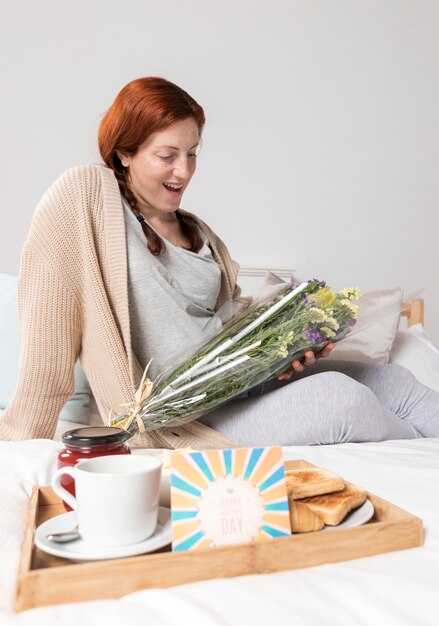
Choose one repeatable ritual and lock it into your calendar: recipe for a single morning ritual – 07:30 coffee, 08:00 30‑minute park walk, 09:00 20‑minute workbook prompts, 09:30 simple breakfast; do that same order on at least seven consecutive birthdays to build muscle memory.
If large groups arent your preference, replace a party with a hotel night, a short class, or a binge-watch afternoon; if quiet works better, select two places within a mile radius so travel time stays under 20 minutes and spending remains below a preset budget.
Define measurable items: itemized budget ($50 meal, $30 hotel, $0–25 class), time blocks (coffee 15 min, walk 30 min, workbook 20 min), and access points (playlist URL, workbook PDF, therapist contact). Schedule a therapy session after milestone birthdays if needed; reserve that slot in advance.
Use content cues and physical actions to anchor memory: a single playlist played as you leave, a recipe card you used for breakfast, a photograph taken with hands free timer, a small random gift to give yourself. Keep a one‑page workbook entry for each year to compare past entries and notice what still fills your heart and what only felt good at the time thats past.
| Item | Duration | Propósito |
|---|---|---|
| Coffee + 10 min reflection | 15 min | Slow start, motivation for day |
| Park walk | 30 min | Movement, fresh air, ideas to bounce with a friend |
| Workbook prompt | 20 min | Record wins, plan small acts after celebration |
| Optional class or hotel night | 2–12 hours | Ritual upgrade for turning milestones |
| Binge-watch session | 2–4 horas | Comfort option when energy is low |
Set three guardrails: a spending cap that you stick to, two emergency contacts who wont change plans, and one small physical object you only use on birthdays so access is immediate. Use that object to mark transition after celebration and to remind you why this ritual was played into your life.
Curate a calm space with scent, soft lighting, and gentle music
Dim lights to about 2700K, set volume to 40–50 dB and light a lavender or citrus candle; listen to a 30‑minute instrumental playlist at low volume, then take three slow abdominal breaths before sitting down to create a cozy five‑ to fifteen‑minute ritual.
Choose scents based on measurable response: lavender can reduce heart rate by ~6–8%, citrus can increase alertness by ~10–12%. Fresh flowers from a local market last 3–5 days, while reed diffusers give a steady aroma for 4–6 weeks. Avoid fancy synthetic blends if you react to strong notes; leave shoes by door, light a single candle, and plan a 10‑minute foot or hand massage to relax circulation.
After an activity started, spend five minutes writing what felt good and what you hate about current routines; this quick log gives meaningful data so small changes become visible and repeatable. Afterward, file notes in a simple folder or discard entries that don’t help trends; consistent tracking increases clarity on what to keep.
Avoid long streaming binges; limit netflix to one 40‑minute episode or a short comedy show for light amusement that won’t cause late sleep. If low effort is needed, play ambient tracks that show a steady tempo (60–80 BPM) to increase calm and keep heart rate stable. Celebrate small wins: buy grits from a local grocer, visit a nearby town coffee spot, or bring home flowers as a present–small acts give mind a reminder that doing one simple, intentional plan each day matters.
Gift yourself a small treat or experience that sparks joy
Book a 60–90 minute massage after a 20–30 minute early park walk to reset heart rate variability, increase energy, and notice a clearer feeling mentally.
- Pick an ideal treat within budget: coffee $3–6, gallery trip $10–25, quick haircut makeover $25–80, short day trip $60–150, massage $50–120. Spending this range yields measurable mood boosts without financial strain.
- Decide where and when: choose early morning or late-afternoon windows; block 60–120 minutes on calendar; plan park walk just before a spa session or cafe stop to maximize contrast between movement and calm.
- Include a simple ritual to make experience personal: thank myself aloud, write one sentence about current feeling, take one fave photo (getty image inspiration works), or treat with a small celebration afterward.
- Haz seguimiento de los resultados durante 2 semanas: califica tu estado de ánimo antes y después de cada capricho en una escala de 1 a 10; registra los cambios en la concentración, la recuperación de la frecuencia cardíaca y la calidad del sueño. Una pequeña recopilación de datos ayuda a aumentar la formación de hábitos.
- Hazlo repetible: programa citas recurrentes o una renovación mensual, busca recuperarte más rápido después del estrés y ajusta el gasto en función de los beneficios observados.
Las investigaciones en psicología relacionan las caminatas al aire libre de 20 a 30 minutos con la reducción de la rumiación y la mejora del estado de ánimo; emparejar la caminata con un masaje corto o un bocadillo favorito aumenta el afecto positivo y apoya un cambio de mentalidad práctico hacia micro-experiencias más reparadoras.
Aprovecha esta semana para reservar un pequeño viaje o un capricho personal; al final, las microcelebraciones regulares mejoran la resiliencia, crean una mejor línea de base diaria y ofrecen beneficios medibles para el corazón, la mente y la sensación general.
Diario: 3 preguntas de gratitud y una línea de tiempo sencilla de celebración

Programa un temporizador diario de 6 minutos: 3 minutos para responder a las tres preguntas siguientes, 2 minutos para ampliar una respuesta en un único paso práctico y 1 minuto para programar una pequeña celebración en tu calendario.
-
Pequeño coraje: Nombra una cosa que haya reducido tu miedo hoy o haya ayudado a otros; escribe quién estuvo involucrado, por qué importó y una puntuación de impacto del 1 al 5. Ejemplo: “Un vecino tocó música mientras regaba las plantas; puntuación 3 porque alivió la ansiedad”. Utiliza esta puntuación semanalmente para detectar patrones.
-
Prompt 2 – Gratitud por los recursos: Un recurso no monetario por el que estoy agradecido es un espacio de coworking comunitario. Razones: 1. Me proporcionó un entorno de trabajo productivo fuera de casa, lo cual es crucial cuando necesito concentración. 2. Me conectó con otros profesionales locales, ampliando mi red de contactos. Cómo puedo retribuir: Ofreciéndome como mentor para los nuevos miembros que busquen orientación en sus proyectos.
-
Prompt 3 – Registro de sentimientos: Nombra tres sentimientos reales que hayas tenido, muestra el detonante de cada uno y escribe lo que harías la próxima vez para aumentar la calma o la diversión. Realiza un seguimiento de la frecuencia a lo largo de siete entradas para ver qué sentimiento se repite con mayor frecuencia.
Regla rápida de formato: cada entrada usa una oración por indicación, luego una viñeta para el paso de expansión. Esto mantiene el contenido corto y honesto.
Cronograma de la celebración (horario práctico)
-
Inmediato (en 30 minutos): Haz una microcelebración de 90 segundos: sirve tu café favorito, reproduce un montaje de clips de 60 segundos o una sola pista optimista vía streaming, sonríe durante 30 segundos. Marca “hecho” en tu diario.
-
24 horas: Muestra gratitud a una persona (mensaje, llamada rápida o un pequeño detalle). Si el voluntariado fue importante en tu prompt, apúntate a una tarea local esta semana. Guarda un colchón de $5 en una cuenta llamada “celebración” para que las celebraciones no dependan de decisiones de dinero más grandes.
-
Una semana: Reúne tres entradas y crea un montaje de 2 minutos (fotos, videoclips cortos o una lista de reproducción). Compártelo de forma privada con otros o guárdalo para ti como prueba de progreso; esto aumenta la motivación mediante la repetición medible.
-
Un mes: Revisar las estadísticas mensuales: contar las entradas, la puntuación media de impacto, los sentimientos principales. Elegir un hábito para aumentar (por ejemplo, duplicar las horas de voluntariado o añadir un ritual de café extra por semana). Registrar el cambio en una simple hoja de cálculo o libreta web y comparar los totales con los del mes pasado.
- Cómo hacer un seguimiento: crea una hoja de cálculo de tres columnas (fecha | aspectos destacados del estímulo | celebración realizada S/N). Añade una cuarta columna para una puntuación de impacto del 1 al 5 y una frase sobre por qué fue importante.
- Usa herramientas: Pinterest para inspiración visual, una nota sencilla en un sitio web o un cuaderno offline para privacidad, aplicaciones de streaming para música de montaje, lista de lugares locales para salidas de bajo costo.
- Nota mental: esto no es un juego de rendimiento; no requiere perfección, solo constancia. Si pierdes días, retoma a la mañana siguiente y registra sentimientos honestos.
- Métrica práctica: aspirar a 20 aportaciones al mes y una celebración compartida; si alcanzas ambas, aumenta la donación mensual o el tiempo de voluntariado en un 10% para alinear la gratitud con un impacto real.
Lista de verificación de configuración mínima: temporizador configurado, un cuaderno o archivo digital, tablero de Pinterest o carpeta para enlaces guardados, evento de calendario para cada celebración y un premio de cafeína (café) listo para refuerzo inmediato.
 8 Cosas Que Hacer Si Te Sientes Irritable – Consejos Rápidos Para Calmarte">
 Cómo cultivar la esperanza cuando te sientes desesperanzado: pasos prácticos para reconstruir el optimismo">
 35 Daily Affirmations for Whatever You’re Going Through — Uplift, Heal, and Move Forward">
 41 Preguntas Que Llevarán Tus Citas al Siguiente Nivel – La Guía Definitiva">
 Tres Meses para Cambiar Mi Personalidad – Un Experimento Personal">
 La montaña rusa emocional de la pérdida de peso: estrategias de afrontamiento para un viaje sostenible">
 99 Cumplidos Significativos y Memorables – Aumenta la Confianza">
 Food and Your Brain – Nutrition for Better Cognition and Brain Health">
 33 Top Mental Health Tips Reddit Users Swear By – Practical Advice for Everyday Well-Being">
 Escucha Empática – Tu Superpoder Secreto para Relaciones Mejores">


