

 Spanish
  English
  Russian
  French
  German
  Italian
  Polish
  Ukrainian
  Turkish
  Portuguese
  Greek
Greek  Arabic
  Korean
  Chinese
  Japanese
  Czech
Czech  Cómo Lidiar con el Rechazo - Pasos Prácticos para Superarlo">

Do a 10-minute facts audit right after an outcome: list three observable items, one constructive change, and a single next action. This routine does separate emotion from evidence and reduces rumination; perform it within 24 hours and repeat at 72 hours to compare notes.
Schedule four short practices: 10 minutes of brisk movement, 20 minutes to talk with a trusted member or mentor, 15 minutes to scan the relevant contents (messages, feedback, grades) and extract two actionable corrections, and 5 minutes to draft the next attempt. These practices are helpful and useful because they transform vague disappointment into a prioritized to-do list that fits into a weekly calendar.
For learning and developing new behaviours, set micro-practices five times per week and log each session. A strong habit loop takes repeated exposure; plan for roughly 30 focused repetitions across six weeks to shift automatic responses. Highlight three recurring patterns across feedback and concentrate one weekly practice on the highest-impact pattern; tracking these over times reveals which adjustments actually benefit outcomes.
If intense reactions last beyond eight weeks or interfere with daily functioning, consult a licensed psychologist for targeted cognitive techniques and exposure drills; six to eight focused sessions typically clarifies underlying beliefs and provides constructive alternatives. Maintain a single progress document with contents, dates and short notes that a coach or support member can review–shared accountability improves adherence and yields measurable improvement in performance metrics.
Press Play for Advice On Dealing With Rejection
Record a 10-minute audio log within 48 hours after being declined: state three objective facts you observed, use naming to label the primary emotion, rate that feeling 0–10, and list two concrete outcomes you want (example: “feedback from hiring manager”; “second interview”).
During the next week run two 15-minute review sessions: play the recording, pause after each statement, and ask a trusted colleague or mentor in your social circle or city to annotate specific behavior changes that could improve results. If someone told you a reason, transcribe the exact quote and note what might be true versus what is belief-based; label factual inputs separately from interpretations.
Use a simple spreadsheet to orient actions based on observable data: columns for date, source, skills tested, outcome, and next action. For career moves, aim for measurable volume (for example, 10 targeted applications per month) and identify one skills gap to fix with a 4-week class. Track outcomes weekly and adjust approaches that show no measurable improvements after three iterations.
If feeling mortified or ashamed, apply two quick cognitive tools: 1) pausing to name the emotion aloud for 10 seconds, which shifts brains activity away from reactive circuits; 2) a 60-second facts checklist that separates “what happened” from “what I believe about myself.” Be mindful of negative beliefs about worth; write one factual counterexample about yourself for each belief you identify.
Practical micro-habits: ask for one short piece of feedback after every refusal, practice one new skill for 30 minutes three times a week, and return to the spreadsheet to compare outcomes after 30 days. These actions create trusted data you can use to assess whether a strategy is working, reduce mortified rumination, and rebuild confidence in yourself.
Name Your Emotions in 60 Seconds and Let Them Move
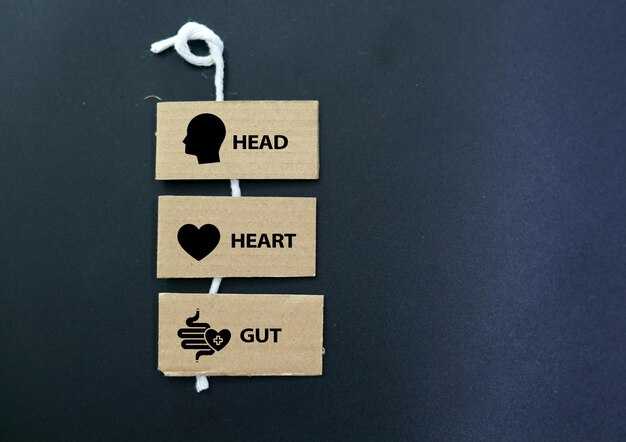
Name the feeling aloud within 60 seconds: set a phone timer, scan from head to sternum to gut, choose one precise label (anger, shame, sadness, dysphoria) and say “I’m feeling X” twice. Labeling calms quick limbic spikes and helps youre nervous system settle; research on affect labeling shows measurable amygdala reduction, so this step works effectively to reduce the initial sting from the event.
Follow a timed micro-routine: 0–60s label; 1–5 minutes track breath and three bodily sensations (head, chest, belly) using a 6/6 breath pattern; 10–30 minutes shift with movement or a short task to discharge charge. Use neff-inspired wording after labeling: “this is suffering; I’m not alone; may I be kind to myself” – this guidance strengthens quick self-soothing and improves short-term coping. Additionally, capture one sentence in a note linking the feeling to specific areas of thought and any childhood echoes to prevent rumination and reduce worry.
If youre leary of sharing, tell trusted others you’re looking for brief support or send the single-sentence log; if support is denied, perform a 5-minute sensory reset (cold water on wrists, 90–120 steps, or textured object) and move between sensations and actions so the sting doesn’t compound. Do not downplay what you feel; minimizing extends how long you suffer and slows recover, whereas naming interrupts fusion with identity and lets emotion move on.
Use two check-ins: rate intensity 0–10 at 24 hours and again at 7 days, then compare the above notes to identify what reduced intensity. Prioritize routines that lowered scores–sleep, short social contact, or micro-breathing–and apply that guidance across similar areas; small acts of kindness toward yourself will make you feel well and help everyone around you notice you are more resilient after being denied or criticized.
Reframe Rejection as Feedback, Not Personal Defeat

Ask for one specific reason within 48 hours: request two concrete examples of the behavior or deliverable that led to the decision, confirm their answer by summarizing it back to them, and log the response; asking directly turns an unpleasant interaction into actionable data and takes less than 15 minutes, which prevents unhealthy rumination.
Consider psychological framing: map each item to a core skill or process, assign one measurable metric and a 30/60/90 schedule of small actions, then track outcomes weekly; when feedback turns into defined targets you can measure, two improved outcomes within eight weeks is a realistic signal that your plan is sound. If the source wont provide specifics, treat the lack of detail as information about their process rather than a personal verdict.
Use three steps for emotional recovery: a 10‑minute journal entry to externalize thoughts, a breathing protocol to reduce physiological reactivity, and one short conversation with a trusted peer for candid perspective. Combine rejection-coping tactics with kindness toward yourself; avoid replaying scenarios that fuel unhealthy patterns, and consider seeking psychological support for deeper healing. Remember a single refusal does not cancel a relationship or erase competence – actually many people in a city job market have multiple no’s before an offer, and every case is personal, so measure what changes and let that evidence guide them.
Create a 24-Hour Recovery Plan for Immediate Next Steps
Begin a 24-hour recovery plan now: block the next 30 minutes for grounding (5 minutes box breathing – inhale 4s, hold 4s, exhale 4s, hold 4s), a 10-minute evidence check, and one 2-minute outreach to a trusted contact you can reach by call or text.
| Tiempo | Action | Concrete targets & measures |
|---|---|---|
| 0–30 minutes | Ground, assess, contact | 5 min breathing; 10-item evidence list (3 supporting, 3 contradicting); 1 short call to a trusted person; rate distress 0–10 (grades) |
| 30–120 minutes | Reframing & short activity | 15 min reframing exercise (write 3 alternative explanations); 20 min brisk walk (60–80 steps/min); 20 g protein snack; limit social media viewing to 10 min |
| 2–6 hours | Introspection, plan practical next moves | 30 min structured introspection: identify 3 behaviours you can change; list 2 tasks you can complete today; set one 24-hour goal; pause if intense emotion occurs and use 4-4-4 breathing |
| 6–12 hours | Regulate and recover physically | Eat balanced meal with 25–35 g protein, 30–40 g fibre; 20–30 min light exercise or stretching; check a trusted website for practical resources (limit 20 min) |
| 12–24 hours | Reflection and next-day plan | Write a 10-line compassionate note to yourself; assign grades to intensity, clarity, and control; set bedtime to allow 7–9 hours sleep; identify one person to reach if distress persists |
Use the following quick cognitive sequence every time a strong thought occurs: identify the thought, ask for evidence that supports it, list evidence that contradicts it, and reframe into a balanced statement you can say aloud in 20 seconds. This reframing should highlight facts, not interpretations, and include at least one alternative explanation you consider valid.
For social contact, define the role of each person in your support map: one trusted friend for emotional validation, one mentor for perspective on performance or grades, and one professional or helpline if safety concerns occur. Always ask for a specific response (example: “Can you listen for 5 minutes?”) to avoid open-ended requests that increase uncertainty.
During introspection use three concrete prompts: 1) What exactly happened (observable facts)? 2) What behaviours followed and what value did they serve? 3) What small, measurable action will make me feel healthier or more in control in the next 24 hours? Record answers in under 15 minutes.
Limit unhelpful viewing: set a 20-minute total for news, social feeds, and website resources combined during the first 6 hours; document the URL you used and one actionable insight you gained. If rumination continues beyond 60 minutes cumulatively, switch to an activity that taxes working memory (puzzle, timed coding task, or a focused household chore) to reduce repetitive negative thought loops.
Be compassionate but decisive: give yourself patience for unpleasant emotion while committing to at least three concrete, observable actions before sleep. If distress does not ease or safety concerns arise, reach emergency services or a crisis line immediately and follow their directions; this response is valid and appropriate beyond self-help measures.
Set a Micro-Goal to Rebuild Momentum Within 48 Hours
Select one measurable micro-goal and complete it within 48 hours: set a date + start time, allocate 30–60 minutes, and record outcome immediately.
- Options (pick one): write a 200‑word reflection, send one follow-up message to a contact who have not responded, submit one application, or schedule a 20‑minute call with family for perspective.
- If the source of the setback was a narcissist, make a boundary micro-goal: draft a neutral 3‑sentence reply, then archive the thread.
- Para rechazos sociales o laborales, envía una única pregunta aclaratoria; mide si la persona respondió dentro de las 48 horas.
Utilice este plan personalizado para medir el progreso:
- Defina el microobjetivo en una línea (qué, por qué, métrica de éxito).
- Establezca la fecha y la hora de inicio dentro de las próximas 48 horas y reserve la franja horaria en su calendario.
- Antes de comenzar, califique la fuerza y el estado de ánimo percibidos en una escala del 1 al 10.
- Completa la tarea; luego, califica nuevamente la fuerza percibida y anota el tiempo empleado.
- Registrar un punto de aprendizaje para cada intento y ajustar el siguiente microobjetivo en consecuencia.
- Métricas a realizar un seguimiento: minutos dedicados, resultado (enviado/presentado/hecho), si el encuestado respondió, cambio percibido en la fortaleza y una línea de aprendizaje.
- Si los resultados son menores a los esperados, repite un micro-objetivo ajustado dentro de las 24 horas en lugar de esperar más tiempo: las pequeñas iteraciones mejoran el impulso de manera más efectiva.
- Mantener entradas para tres intentos; las puntuaciones mejoradas en tres intentos indican una ganancia sostenible en confianza.
Orientación sobre el apoyo: pide a un familiar de confianza o a un psicólogo que revise tu plan; una perspectiva externa de 10 minutos a menudo da claridad más rápido que la rumiación solitaria. Aquí tienes algunas preguntas rápidas que pueden usar como guía: ¿qué era controlable, qué hiciste bien, qué debes hacer a continuación.
Notas prácticas: haz que los objetivos sean específicos (enviar un correo electrónico), medibles (una respuesta o ninguna) y con plazos definidos (30–60 minutos). Desarrollar esta rutina hace que responder a los contratiempos sea menos agotador y más difícil de personalizar; el proceso convierte pequeñas victorias en una fuerza acumulativa, ayudando a la recuperación y mejorando la capacidad de afrontar el rechazo con el tiempo.
Borrador de un mensaje de soporte y busca obtener una perspectiva
Envíe un mensaje de soporte conciso dentro de las 24–48 horas que nombre el evento, exprese un sentimiento claro, adjunte una pieza de evidencia y solicite un solo favor limitado en el tiempo (10–15 minutos por llamada o una respuesta corta).
- Boceto del mensaje:
- Abrir: “Experimenté [qué] el [fecha].”
- Objeto: indique el objetivo en una línea, por ejemplo: “Necesito tu opinión rápida”.
- Evidencia: incluir un ejemplo o extracto concreto (línea de correo electrónico, marca de tiempo, métrica).
- Preguntar: solicitar una acción específica, una llamada telefónica, una sugerencia para mejorar o una lectura de sí/no.
- Longitud y cronograma:
- 2–3 frases, 40–80 palabras; llamadas limitadas a 15 minutos.
- Ofrezca dos fechas/horas y confirme con 24 horas de anticipación; mantenga el seguimiento sencillo (resumen de una frase).
- Destinatarios y canal:
- Elija de 1 a 3 contactos de confianza que conozcan su contexto de vida e historial profesional; pregúntele a cada contacto una pregunta enfocada.
- Prefiera la voz cuando importan los matices y el texto para una perspectiva rápida; evite los hilos grupales.
- Dada la disponibilidad limitada de tiempo, priorice a las personas cuyas reacciones pasadas coincidieron con resultados medibles.
- Texto corto de ejemplo: “Me sentí ignorado después de X el [fecha]. ¿Puedes dedicar 10 minutos a escuchar lo que pasó y compartir tu reacción?”
- Objeto del correo electrónico de muestra: “Solicitud de perspectiva – evidencia adjunta”. Cuerpo: “Quiero descubrir qué puedo mejorar y averiguar si esto parece aislado o parte de un patrón.”
- Si recibes comentarios de un desconocido o reclutador, registra sus comentarios como datos; es comprensible sentirse molesto, pero utiliza evidencia registrada para decidir las próximas acciones.
- Controlar la vulnerabilidad: revelar un sentimiento y un hecho —la vulnerabilidad ayuda cuando se acompaña de una petición concreta.
- Utiliza sus ejemplos para identificar patrones: compara las reacciones entre contactos y anota las diferencias en el tono y los consejos.
- Transforma las respuestas en un pequeño experimento: elige una sugerencia, ejecútala durante dos semanas y mide los resultados para determinar si te impulsa hacia adelante.
- Acepta que mereces una retroalimentación clara y respetuosa; si un respondedor no puede ofrecer una perspectiva constructiva, retírate y busca una opinión más saludable.
- Registra los resultados en un registro sencillo (remitente, fecha, canal, idea principal) para descubrir tendencias y mejorar el alcance futuro.
Mantén el proceso fácil de repetir: una plantilla corta, un lector de confianza y una métrica para juzgar si la perspectiva ayudó con tu confianza, decisiones o avances profesionales.
 Cómo Ser Más Consciente en Tu Vida Cotidiana – Prácticas Diarias Sencillas">
 Matrimonio Sin Sexo – Causas, Señales y Cuándo Marcharse">
 35 Muy buenas respuestas para cuando realmente no estés bien | Expresa lo que sientes y busca apoyo">
 12 Patrones de Relación que se Aplican a Ti">
 Estilos de Gestión de Conflictos – Una Guía Práctica para la Resolución Efectiva">
 Personality vs Character – Key Differences, Traits, and Why They Matter">
 9 Secretos Sobre Encontrar Pareja con un Introvertido – Lo Que Realmente Funciona">
 Divorcio del Sueño – ¿Puede Dormir por Separado Mejorar el Sueño Sin Dañar tu Relación?">
 12 Practical Tips to Achieve a Healthy Work-Life Balance">
 Top 10 Quick Facts About Social Psychology">


