

 Spanish
  English
  Russian
  French
  German
  Italian
  Polish
  Ukrainian
  Turkish
  Portuguese
  Greek
Greek  Arabic
  Korean
  Chinese
  Japanese
  Czech
Czech  Llorar de Felicidad – Por Qué Sucede y Qué Significa">

Recommendation: Treat tears during elation as a predictable neurochemical response; document the precise triggers before deciding on any clinical step. This reaction involves measurable shifts in hormones that often include oxytocin released during close social rituals.
Multiple studies show tear contents differ from basal tears; authors find higher levels of prolactin, adrenocorticotropic markers, emotional peptides. One analysis suggests oxytocin correlates with subjective closeness while cortisol drops; examples include graduations, reunions, acute relief after strict exams, moving music. In each case theres a clear social trigger that helps distinguish reward signaling from distress.
Clinical guidance offers four practical actions to normalize the experience: 1) Label the context to aid emotion regulation; 2) Breathe slowly to modulate autonomic tone; 3) If you feel overwhelmed seek social contact; 4) Track frequency over weeks to detect patterns. If tears occur much more often than expected theres reason to consult a clinician; an acute cluster may be a sign of mood shift rather than a pure reward response. Authors who study affective signaling note that for some people another marker is reduced interest in play or social novelty; the clinician knows context-sensitive assessment outperforms strict threshold models, so share observations with trusted contacts to let them offer perspective.
Understanding the Mechanisms Behind Crying in Daily Life
Use 4-4-6 breathing as a self-soothing tool to reduce tear release within two minutes: inhale 4 seconds, hold 4 seconds, exhale 6 seconds; repeat three cycles while placing a cool cloth over the eyes to lower nerve firing.
- Lacrimal physiology: basal tears lubricate the surface of the eyes; reflex tears respond to irritants; emotional tears contain higher concentrations of proteins such as prolactin, leucine enkephalin, which studies actually detect in samples.
- Neural pathway mechanics: limbic activation during a strong emotional event triggers parasympathetic outflow; that output makes tear ducts open, redirects resources away from vigilance toward restoration.
- Social signaling: tears act as a visible sign of vulnerability; observers across countries report greater willingness to help when a person cries, though certain societies treat tears as a moral weakness rather than a cue for support.
- Individual variability: baseline tear volume differs between persons; hormonal status, sleep quality, recent stressors, medications and other factors change potential for crying; frequency is primarily biological plus learned response; many individuals report women cry more often.
- Breathe to reduce acute flow; slow paced breathing lowers heart rate within minutes.
- Blink deliberately for 30 seconds to clear irritants; if irritation persists, rinse eyes with cool water to reduce reflex tearing.
- Name the trigger aloud; labeling an event lowers intensity, helps cognitive control over emotional reactivity.
- Use self-soothing behaviors such as a warm compress, cup of tea or a weighted cover; these make autonomic arousal come down faster.
- Seek a caring listener who responds warmly; sharing release often reduces isolation and speeds recovery.
- Track patterns in a short diary: note time, trigger, whether you slept well prior, any medications; if tears occur without clear trigger or ever persist for days with low mood, report symptoms to a clinician for assessment of potential vulnerability to depression.
Practical sign that requires attention: tears that impair work, last beyond a normal recovery period, or coincide with suicidal thoughts require immediate evaluation. Allowing release is a good short-term coping strategy; offering a right, nonjudgmental response fosters repair after distress.
Observe how release happens during supportive interactions; use the recommendations above to reduce intensity, increase recovery, protect functioning while preserving the social benefits of signaling distress.
Identify crying triggers in everyday moments
Keep a one-week trigger log: note time, setting, device state, tension level, preceding thought, social connection, tear intensity.
- Social milestones: graduations, farewells, reunions often contain speeches, music, unexpected personal photos. Action: arrive 10 minutes early, practice two slow exhales before key moments, sit near an exit for privacy if needed.
- Multimedia stimuli: short videos, photo reels, playlists commonly activate empathic response through personal cues. Action: preview montage, set volume low, position view so you can look away quickly.
- Physiological load: sleep loss, hunger, high tension lower top-down control within the brain, making tears more likely. Action: hydrate, eat a 150–300 kcal snack 30 minutes prior, schedule a 20-minute nap when possible.
- Interpersonal cues: prolonged eye contact, a specific saying or private memory trigger dimorphous tears when joy mixes with loss. Action: label the emotion aloud, use a tactile anchor (press thumb to index finger) to reduce escalation.
- Device interruptions: sudden notifications, unexpected video calls spike arousal within seconds. Action: enable do not disturb for planned events, set phone face down, disable visual banners.
Assessment protocol: rate each episode 1–10 for intensity, record preceding thought, respiratory pattern, minutes to baseline, note whether tears were empathic or dimorphous, log whether relief follows; authors who design templates for verywell use similar fields, a sample page is available here that should contain context, action taken, outcome.
- Label: name the feeling within 15 seconds; dont suppress, dont perform.
- Regulate: four-count inhale, six-count exhale for 60 seconds, focus on a tactile anchor or a neutral object in the room.
- Review: at day end, code episodes by category, identify top three recurring cues, design one practical test for each cue (avoidance if safety requires, graded exposure if manageable).
Hard-to-predict triggers cluster around ritualized moments, society expectations alter appraisal; compare event notes, prioritize cues that recur above others. Notice when tearing happens within first five minutes after a stimulus, share patterns with an empathic friend or clinician, use results to create a good, person-specific coping plan that fits daily life.
Distinguish emotional cues from physical signals
Use a 3-step rapid assessment: 1) measure trigger latency (seconds from stimulus to tears), 2) record somatic signs (eye irritation, nasal discharge, burning), 3) evaluate context (memorials vs surprise). If tears begin within 0–5 seconds of wind, smoke or rubbing and eyes show redness or gritty sensation, classify as physical; if onset is 10–90 seconds after a memory or social cue with raised heart rate (>8–10 bpm) and short, rapid breaths, classify as affective.
For objective comparison, ensure a 60-second baseline of heart rate and respiration before stimulus, then log: time-to-tear, blink-rate change, warmth around eyes, speech pattern, and visible facial muscle contraction around the orbicularis oculi. General signs that include lacrimal gland activation without irritation point toward emotions; signs that contain burning or itching point back to ocular causes. A simple table in clinical notes will show patterns; several articles above report similar timelines for tears in funerals versus non-grief situations.
If diagnosis is hard, apply quick tests: saline eye drops to remove irritants, remove contact lenses, count blinks for 30 seconds, check for allergy history or recent medication changes. If symptoms persist after physical fixes, the person will more likely be experiencing emotional tears – nervous arousal or relief during a happy moment are common examples. Use these steps to reduce mislabeling, improve understanding of patient reports, and assess impact on daily lives; refer for ophthalmology or mental health when teariness is chronic, severe, or affects function.
Quick steps to calm yourself after a tearful moment
Take five diaphragmatic breaths immediately: inhale 4 seconds, hold 4 seconds, exhale 6–8 seconds; repeat five cycles to slow heart rate. This lowers physiological arousal rapidly; just focus on long exhales until pulse steadies.
Use 5‑4‑3‑2‑1 sensory grounding to shift attention: name five visible items, four you can touch, three sounds, two scents, one taste or imagined flavour; then scan the body to notice where tension concentrates.
Splash cool water on the face or apply a damp cloth to the neck for 30–60 seconds; step outside for two minutes of fresh air if available. Choose personalised coping cues that match your routine: a single word, a tactile object, or a short walk.
Allow brief cryings when they occur; studies and theories were mixed but many reported oxytocin releases after intense events such as weddings, grief, relief or reunion. Understand that strong expressions are human, often emotional but not pathological; theyre a measurable release that helps return regulation.
Label negative self-talk with a single sentence, then replace it with a fact‑based alternative; know who to contact for immediate support. If symptoms persist, consult local services in your country for short‑term guidance.
If you must resume tasks, schedule a 10‑minute break afterward to recalibrate; include a two‑minute breathing reset every hour. Choose one or two strategies that feel good, practise them routinely; use simple tools andor a trusted contact to stabilise mood even during busy periods.
| Step | Action | Duration | Por qué |
|---|---|---|---|
| Breath | Diaphragmatic cycles | 5 cycles | Reduces arousal |
| Ground | 5‑4‑3‑2‑1 | 1–2 minutes | Shifts focus |
| Cold | Face splash | 30–60 s | Activa el reflejo calmante |
| Plan. | Descanso de 10 minutos después. | 10 minutos | Reajusta tareas |
Formas de apoyar a alguien que está llorando en público

Ofrézcales un asiento cerca para apoyarlos; pregúnteles “¿Está bien si me siento contigo?”, déjeles controlar la proximidad.
Proporcione pañuelos, una botella de agua, una chaqueta para proteger del frío; entregue los artículos discretamente sin comentar sobre la apariencia.
Si prefieren no ser vistos, cree una pantalla visual con su cuerpo, solicite la suspensión de la grabación, sugiera desactivar los perfiles de etiquetas de redes sociales para privacidad inmediata.
Nombre un solo sentimiento brevemente para reducir la intensificación en el cerebro; frases cortas como “Pareces abrumado” reconocen las emociones, afectan el proceso emocional más que las preguntas interrogativas.
Ofrecer asistencia práctica: seleccionar un contacto para enviar un mensaje sobre la logística de la llegada, organizar el transporte, posponer obligaciones; después del consentimiento, discutir opciones relacionadas con la pérdida reciente, los funerales o el papeleo.
Respete los límites, consulte antes de cualquier contacto, no los apresure a que terminen; diga “Estaré aquí” para mostrar una presencia continua antes de abandonar la escena.
Además, consulte artículos de renombre para conocer las normas culturales; recuerde que cada ser humano reacciona de manera diferente, algunos son propensos a verse más afectados por la exposición pública, ofrezca refuerzo positivo, evite el juicio.
Señales de alerta de que el llanto puede enmascarar preocupaciones más profundas
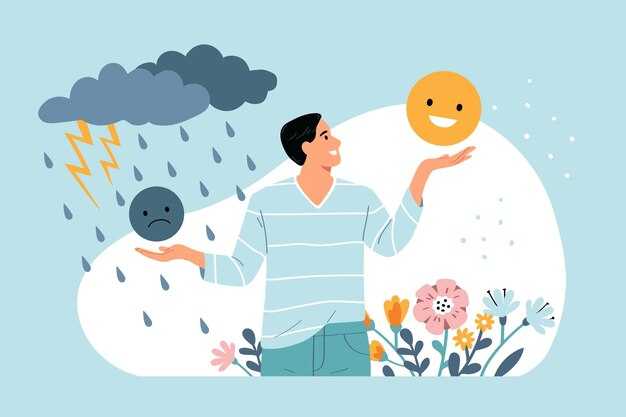
Recomendación inmediata: cualquier persona con episodios recurrentes de llanto que causen reducción en el trabajo o el cuidado personal debe programar una cita con atención primaria dentro de los 14 días, solicitar una evaluación de salud mental que incluya PHQ-9, GAD-7, llevar un registro del estado de ánimo, el sueño y el apetito de una semana, una lista de medicamentos para que el médico pueda determinar la derivación adecuada.
Las señales de alerta incluyen: aislamiento social repentino con diálogo interno negativo; aumento en el consumo de sustancias; ideación suicida; alteración grave del sueño; llanto persistente a pesar de la resolución del problema; pérdida rápida de placer en actividades previamente valoradas; marcada disminución en la concentración o en tareas donde la seguridad se ve afectada.
Marcadores objetivos para registrar: frecuencia por día, duración por episodio, presencia de desencadenantes claros, síntomas físicos como palpitaciones o cambios visuales, medicamentos modificados recientemente, mudanzas recientes donde se trasladaron entre países resultando en pérdida de apoyo; los médicos utilizarán estos datos para aclarar la causa.
Contexto de la investigación: estudios longitudinales muestran que los episodios de llanto frecuentemente co-ocurren con trastornos del estado de ánimo, sin embargo, las teorías clínicas proponen la naturaleza de las lágrimas como señales de unión en ciertos contextos sociales; encontrar biomarcadores consistentes sigue siendo difícil, por lo tanto, la evaluación debe seguir siendo personalizada al perfil del síntoma.
La entrevista clínica debe incluir antecedentes psiquiátricos, antecedentes familiares de trastornos del estado de ánimo, consumo de sustancias, exposición a traumas; utilizar herramientas estructuradas e información colateral de cualquier persona con la que haya vivido donde exista consentimiento; tener en cuenta las normas culturales que alteran la expresión.
Acciones que son una señal de alerta inmediata: planes suicidas activos, comportamiento de autolesión sin control, nuevos síntomas psicóticos que requieren una respuesta de emergencia; llamar a los servicios de crisis, coordinar una evaluación psiquiátrica el mismo día, involucrar a las personas de apoyo para asegurar un entorno seguro, eliminar el acceso a medios letales.
Seguimiento del bienestar: programar controles semanales durante cuatro semanas, considerar la derivación a psicoterapia breve basada en evidencia, realizar una revisión de la medicación cuando esté indicado, desplegar apoyos sociales para fortalecer el vínculo; ciertas intervenciones muestran una reducción más rápida de los síntomas cuando se implementan planes de tratamiento personalizados.
Nota del médico: evitar asumir que las lágrimas son puramente una liberación emocional; escuchar las cogniciones negativas, hacer preguntas específicas en lugar de indagaciones vagas, registrar los hallazgos aquí en la historia clínica para la continuidad; las respuestas del paciente a tratamientos anteriores guían los próximos pasos.
 La Crisis de Salud Mental Juvenil – Causas, Impactos y Soluciones Prácticas">
 25 “Llegaremos Lejos Si” Respuestas Que Puedes Usar en Hinge Para Romper el Hielo y Aumentar Tus Coincidencias">
 ¿Cuáles son los Cinco Grandes Rasgos de Personalidad? Una Guía Completa al Modelo OCEAN">
 Alimentos que te ayudan a dormir – Alimentos que mejoran el sueño para un mejor descanso">
 Energía del Personaje Principal – La Guía Definitiva para Ser el Protagonista de Tu Vida">
 10 Signs of a Creative Person – Recognize and Grow Your Creativity">
 6 Ways to Improve Your Quality of Life – Practical Tips for Everyday Well-Being">
 What Do Dreams About Cheating Really Mean? A Quick Interpretation">
 Día de San Valentín de amor propio – 10 formas de consentirte">
 Cómo la autorreflexión beneficia tu salud mental – Técnicas y consejos prácticos">


