Spanish
  English
  Russian
  French
  German
  Italian
  Polish
  Ukrainian
  Turkish
  Portuguese
  Greek
Greek  Arabic
  Korean
  Chinese
  Japanese
  Czech
Czech 

Modern dating can be exciting, full of possibilities and potential connections. Yet for many people, the experience can also feel draining, repetitive, and even discouraging. This phenomenon, known as dating burnout, affects singles navigating dating apps, social events, and multiple first dates. Understanding dating burnout, why it happens, and how to cope is essential for maintaining both emotional health and motivation to pursue meaningful relationships.
Dating burnout is more than just temporary fatigue. It’s a state of emotional and mental exhaustion caused by the repetitive, sometimes frustrating nature of dating. Individuals experiencing burnout may feel frustrated by superficial interactions, overwhelmed by choices, or disillusioned by repeated disappointments. Recognizing the signs and addressing burnout early is crucial to maintaining a healthy dating mindset.
This article explores what dating burnout is, why it occurs, common signs, and practical strategies for coping and preventing it.
What is Dating Burnout
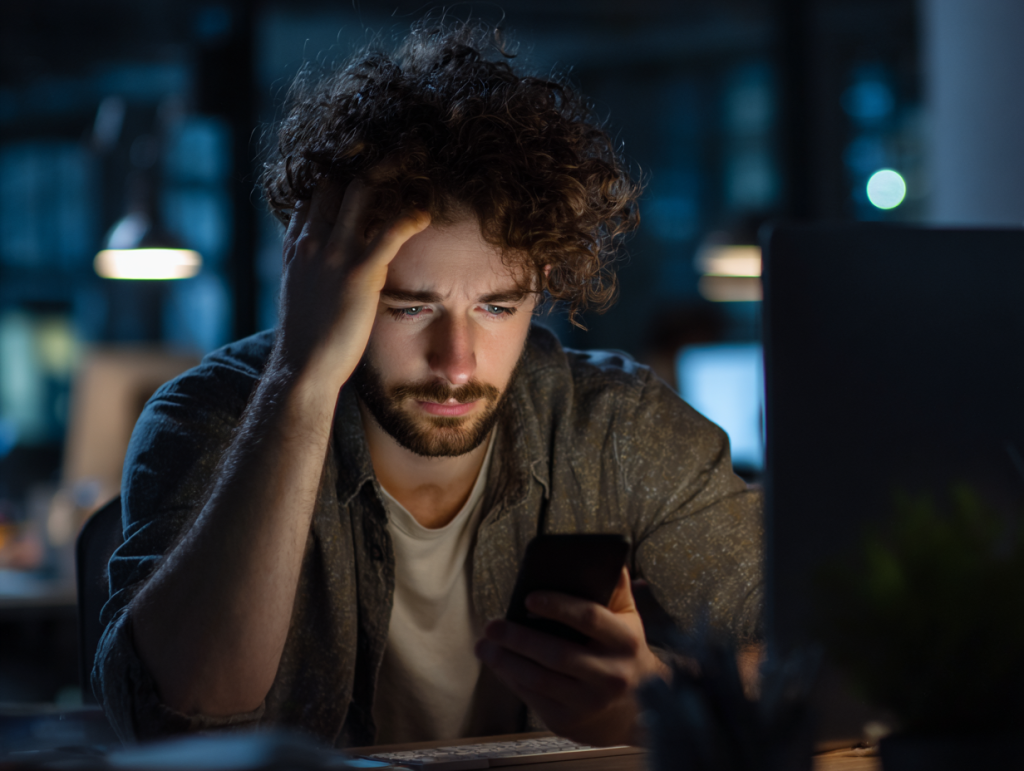
Dating burnout occurs when the emotional and mental effort involved in dating starts to feel overwhelming. It can appear after long periods of swiping through apps, attending multiple dates, or experiencing repeated disappointments. Unlike occasional frustration, dating burnout makes individuals feel consistently tired or disengaged from the dating process.
Those experiencing dating burnout often report feelings of apathy, cynicism, or irritation with potential partners. They may lose excitement about meeting new people, feel pressured to perform or present themselves in a certain way, or question the purpose of dating altogether.
Burnout in dating is not a personal failing. It’s a natural response to prolonged emotional exertion, especially in a fast-paced, choice-heavy dating market. Recognizing dating burnout as a legitimate emotional response is the first step toward managing it effectively.
Why Dating Burnout Happens
Several factors contribute to dating burnout. Understanding the causes helps individuals navigate the dating world more consciously and avoid unnecessary exhaustion.
1. Overexposure to options
Dating apps provide endless profiles, messages, and opportunities. While variety can be exciting, it can also lead to fatiga de decisión. Constant evaluation of potential partners can feel mentally exhausting and reduce emotional engagement.
2. Emotional investment without reward
Repeated disappointments, ghosting, or mismatched expectations can erode enthusiasm. When effort does not result in meaningful connections, individuals may feel frustrated or discouraged.
3. Pressure to perform
Dating often comes with expectations to appear attractive, interesting, and compatible. Maintaining this performance over time can feel draining, especially when multiple dates happen in succession.
4. Superficial interactions
Dating burnout is more likely when encounters focus on surface-level qualities rather than meaningful connection. When conversations lack depth or authenticity, emotional fatigue can build.
5. Balancing dating with life demands
Managing work, social life, and self-care alongside dating creates additional stress. Individuals may feel that dating takes more energy than it gives back, contributing to burnout.
Signs You’re Experiencing Dating Burnout
Recognizing dating burnout early allows for timely coping and recovery. Some common signs include:
- Feeling exhausted or drained after dates.
- Losing excitement or motivation to meet new people.
- Becoming cynical about potential partners or dating apps.
- Avoiding social interactions or ignoring messages.
- Feeling impatient or irritable during conversations.
- Questioning whether dating is worth the effort.
Experiencing one or two of these feelings occasionally is normal. Dating burnout becomes concerning when these emotions persist and interfere with your overall well-being or ability to form meaningful relationships.
How to Cope
Recovering from dating burnout requires intentional strategies that prioritize emotional well-being and mindful engagement.
1. Take a break from dating
Stepping away from dating apps, events, or first dates allows time to recharge. Even a short pause helps reset perspective and reduce emotional exhaustion.
2. Reassess expectations and goals
Reflect on what you truly want from dating. Aligning actions with meaningful intentions reduces frustration and clarifies priorities.
3. Limit exposure to dating apps
Set boundaries for time spent swiping or messaging. Scheduling specific periods for dating activity prevents overwhelm and decision fatigue.
4. Focus on quality over quantity
Prioritize fewer dates that have the potential for deeper connection rather than pursuing numerous casual encounters. This approach reduces repetitive emotional effort and encourages meaningful engagement.
5. Practice self-care
Engage in activities that restore energy and emotional balance, such as exercise, hobbies, or spending time with friends. Self-care enhances resilience and reduces stress associated with dating.
6. Reflect on your dating patterns
Evaluate recurring challenges, such as mismatched expectations, communication issues, or dating environments. Awareness allows for adjustments that prevent burnout in the future.
7. Seek support
Talking to friends, mentors, or therapists about dating experiences provides perspective, reduces stress, and normalizes the emotional challenges of dating.
Preventing Dating Burnout
While coping strategies help, prevention is key to avoiding prolonged exhaustion. Consider these practices:
- Set realistic dating goals and timelines.
- Focus on authentic, mindful engagement rather than quantity of dates.
- Maintain balance between dating and other areas of life.
- Celebrate small wins and positive experiences in dating.
- Practice vulnerability and open communication to foster meaningful connections.
By adopting a mindful approach to dating, individuals can maintain enthusiasm, reduce stress, and focus on building relationships that align with their values.
Conclusión
Dating burnout is a common experience in today’s fast-paced dating landscape. It occurs when repeated effort, superficial interactions, or emotional strain leads to exhaustion and disengagement. Recognizing burnout, understanding its causes, and implementing coping strategies are essential for maintaining both emotional health and motivation to pursue meaningful connections.
Practical solutions include taking breaks, reassessing expectations, focusing on quality interactions, practicing self-care, and seeking support. Preventative strategies, such as mindful engagement and balance, help reduce the risk of burnout over time.
By approaching dating consciously and with self-awareness, individuals can navigate the challenges of modern dating while preserving energy, optimism, and emotional well-being. Overcoming dating burnout not only improves the experience of meeting new people but also supports the formation of authentic, fulfilling, and lasting relationships.