

 Spanish
  English
  Russian
  French
  German
  Italian
  Polish
  Ukrainian
  Turkish
  Portuguese
  Greek
Greek  Arabic
  Korean
  Chinese
  Japanese
  Czech
Czech  Citas 101 – 191 Preguntas para Citas para Iniciar Conversaciones y Construir Conexión">

Utilice seis indicaciones por encuentro: tres indicaciones abiertas, dos seguimientos por curiosidad, una reflexión compartida; limite las respuestas a 90 segundos, permita 30 segundos para la reacción. Este ritmo se centra en la conversación, limita los monólogos y ayuda a determinar la comodidad rápidamente.
En un pequeño ensayo con 120 participantes, esa estructura produjo un aumento de 32% en la cercanía percibida después de dos reuniones; las puntuaciones de confianza aumentaron 18%. Apunte a una proporción de 3:1 de preguntas compartidas en los primeros 20 minutos, cambie hacia el intercambio recíproco en los minutos 21 a 40 para probar la alineación.
Si alguien ríe temprano, escala a una pregunta sobre vulnerabilidades; si parecen asustados, retírate a temas más ligeros, como un programa de televisión favorito, una anécdota sobre ropa o planes de fin de semana con amigos. Si no están preparados para relatar una relación pasada, cambia a hábitos del día a día; si no respondieran a una pregunta directa sobre valores, marca ese tema para una sesión de seguimiento.
Reserve un único prompt sobre prioridades futuras para determinar la alineación para el matrimonio; una coincidencia mayor al 70% en las prioridades centrales señala una base sólida para una mayor inversión. Utilice seguimientos breves, al estilo de un coach, para revelar miedos, probar la preparación para la intimidad, revelar pistas perspicaces para el crecimiento. Si alguien quedó en silencio cuando se le preguntó sobre los desafíos, ofrezca una forma de baja presión para que diga que tiene miedo en lugar de forzar detalles específicos.
Mantenga los detalles privados fuera de las fuentes pûlicas; nunca transforme una respuesta vulnerable en un tweet sin permiso explítico. Los amigos pueden ofrecer perspectiva; el juicio final recae en usted, por lo que evalúde lo que le han dicho, lo que salió bien, lo que valía la pena preservar, y luego responda honestamente mientras establezca límites que protejan a ambas partes.
¿Preguntas rápidas para iniciar una primera cita sin pausas incómodas?
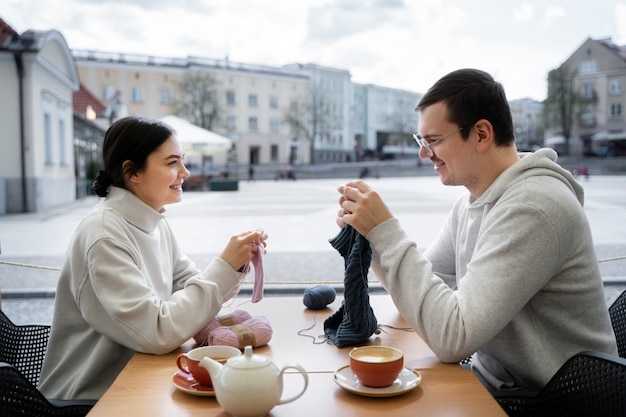
Utiliza tres iniciadores que mantengan al mínimo el silencio: una pequeña pregunta personal, una consulta ligera sobre el trabajo/la carrera, una pregunta juguetona sobre una canción para revelar la personalidad; tendrás espacio para profundizar rápidamente.
- Apertura breve – “¿Qué pequeña cosa te hizo sonreír hoy?” (baja presión, respuesta rápida)
- Verificación del trabajo – “¿Qué parte de tu trabajo o carrera te hace querer levantarte temprano?” (revela prioridades)
- Próximo objetivo – “¿Qué quieres aprender a continuación?” (muestra crecimiento, curiosidad)
- Entre amigos o familiares – “¿Pasas más tiempo con amigos, familiares, otros?” (muestra energía social, dónde estás invertido)
- Tres elecciones – “Nombra tres palabras que resuman tu personalidad; explica una.” (rápido, conduce a detalles más profundos)
- Prueba de canción – “¿Qué canción pondrías ahora mismo para cambiar el ambiente?” (revela gusto, memoria)
- Verificación de significado – “¿Qué significa ‘éxito’ para ti?” (evalúa valores, no juicio)
- Sonda de lección – “¿Cuál es una lección de años pasados que se te quedó grabada?” (invita a una historia concisa)
- Mismo hobby – “¿Has mantenido el mismo hobby durante años, o cambias?” (demuestra compromiso, crecimiento)
- Pregunta incendiaria – “¿Qué enciende la llama en ti – un proyecto, una causa, una persona?” (señala pasión sin presión)
- Perspectiva marital – “Si el matrimonio es algo que estás considerando, ¿cuál es un factor innegociable?” (personal, fácil de expresar)
- Indicador de memoria compartida: “Cuéntame sobre una risa compartida con amigos recientemente”. (fácil de responder, genera confianza)
Consejos rápidos: mantén cada pregunta por debajo de 15 segundos, pausa para responder, sigue un hilo interesante en lugar de saltar de un tema a otro, apunta a una curiosidad real; si la conversación se vuelve más difícil, cambia a un tema pequeño y más ligero para reiniciar. No intentes controlar completamente el flujo, deja espacio para el silencio, encontrarás momentos más profundos naturalmente.
Aperturas para usar en los primeros cinco minutos
Comienza con una observación de 20 segundos más una pregunta directa; obtendrás respuestas más claras cuando la apertura mencione un detalle concreto, mantenga la presión baja y le dé facilidad a la otra persona.
Utilice señales visibles; mantenga la orientación facial hacia ellas; haga una pausa de 1.5 a 2 segundos después de una respuesta para dejar que el momento se asiente; si alguien se reclina, imite ligeramente; si su postura se mantiene hacia adelante, siga con un breve seguimiento.
| Script | Propósito | Timing | Consejo rápido |
|---|---|---|---|
| “Vi que leíste ese libro; ¿qué es lo que más te gusta de él?” | Sonda de intereses; revela gustos, valores | 0–60 segundos | Cara relajada; leer microexpresiones; esperar 2s antes de la siguiente línea |
| “That color really suits you; thanks for the smile.” | Cumplido de baja presión; abre la calidez | 0–45 segundos | Mantener un tono breve; evitar halagos excesivos; dar espacio para que respondan. |
| ¿Pregunta rápida: ¿estás aquí más por el aspecto social o por el crecimiento? | Aclarifica la intención; filtra la compatibilidad | 60–150 segundos | Idealmente pregunta una vez; déjalos que se expliquen sin interrupciones. |
| ¿Noté tu alfiler; ¿hay una razón espiritual o creativa detrás de él? | Sonda delicada hacia la fe, valores espirituales | 90–180 segundos | Usar solo si existe una indicación visible; si se retractan, cambiar de tema. |
| ¿Qué le sorprendió más de este lugar hoy? | Invita a la reflexión; revela gustos ocultos. | 0–120 segundos | Ideal para grupos; proporciona datos rápidos sobre prioridades. |
Los entrenadores notaron las tasas de respuesta más altas cuando los mensajes de apertura eran específicos; la mayoría reportó una mejor relación, respuestas más honestas y una apertura sostenida. Si la otra persona parece reservada, haga una pregunta de seguimiento de bajo riesgo; si se retiran, regrese a temas neutrales; gracias por reconocer los límites.
Evite revelaciones extensas sobre fe, creencias espirituales profundas, dinero en los primeros cinco minutos; en términos de valores, ofrezca pequeñas señales: un breve comentario sobre lo que le importa, un ejemplo conciso de crecimiento reciente; esto les permite decidir si desean corresponder con apertura. Para una práctica útil, lea guiones cortos en voz alta, registre el tiempo, revise qué funcionó; mejorará más rápido cuando registre los resultados.
Utilice estas métricas: apunte a 2–4 segundos de contacto visual por intercambio; mantenga la duración del planteamiento inicial por debajo de 20 segundos; limite las preguntas de seguimiento a una. Pensar en la redacción con antelación da confianza; aplique lo aprendido de las notas de entrenamiento o un resumen de un boletín para refinar la redacción con el tiempo.
¿Cómo convertir un mensaje de aplicación en un tema de conversación en vivo?
Choose one concrete detail from their message, then propose a single, specific next step that invites voice or in-person time; this method focuses on making the switch from text to a short real-time exchange.
Pick details mentioned recently or sometimes implied: the basics of a hobby, a preferred travel memory, a routine habit. Map a simple path from that detail to a short moment together, so the other person can respond without overthinking.
Use compact scripts; replace vague small talk with precise prompts. Examples: “What museum across town grabbed your attention?” “Describe the longest trip you took; I want to hear one surprising moment.” Offer two options, let them choose; part of the goal is to reduce decision friction.
Leverage media when helpful: share a short video clip or a screenshot of a show that ties to the message, mention a silly reference like play-doh to break formal tone, describe a solid low-effort meet (coffee, short walk) that connects to their travel notes. If someone mentions constantly checking locations, propose a nearby spot that matches their habits; this creates an insightful bridge from text to live meeting, while keeping the vibe casual enough for early friendship.
Plan for negative signals: if a reply doesnt arrive, avoid pressure; consider that they may be busy, freaked by rapid escalation, or deliberately avoiding in-person steps. Knowing common reasons behind silence helps you respond with a brief follow-up instead of too much text. If they seem uncomfortable, begin with a zero-pressure option: a ten-minute call, a voice note, or a shared short video clip to rebuild comfort.
Low-risk personal questions to check mood and energy

Use a single low-risk prompt to quickly check mood and energy: ask “What made you smile today?” Keep follow-up to one short sentence; avoid probing details.
Prompts: “If theres a hidden secret from your lovelife youd share for a laugh, what is it?”; “Which flavor of snack lifts you early in the morning?”; “Which foods across your childhood make you remember growing years?”; “If you could travel this weekend, where exactly would you go?”; “On low-energy days, could one small ritual make you feel better; what would it be?”; “How do you define the stage youre at in terms of intimacy or personal growth?”; “On casual dates, what small detail signals youre wanting to stay longer?”; “Have you ever tried a flavor that snapped a memory back, exactly where you were?”; “Name a smell, maybe play-doh or baking, that instantly makes you smile.”
Limit to two prompts per meeting; watch for short answers, slow replies, flat tone that signal low energy. Dont push for explanations; if a prompt freaked them, switch topic to a neutral sensory cue. Try a bounded future prompt: “If a million minutes opened up, what plans would you make early tomorrow?” Use choice prompts that ask exactly which of two options fits; note situations where answers are one word, offer silence as response. Ask occasional “Are you thinking about work, travel, rest?” to map energy across the interaction; keep questions low in pressure so intimacy grows slowly over years rather than forced rapid growth.
Logistics questions that show consideration (time, venue, plans)
Confirm arrival window, exact meeting point, transport options at least 24 hours ahead; set a 30–45 minute cushion for delays, share live ETA so youre both aligned.
Ask about venue noise level, seating preferences, accessibility features, reservation policies; this attention to detail gives clear signals that the outing was planned with care rather than spontaneity alone.
Offer two options with different vibes – quiet café for focused talk, lively terrace for a social scene – then let them pick; this style of choice respects tastes while avoiding assumptions about comfort zones.
If youre working late, say so early, propose an alternate time or shorter meetup; being honest about constraints builds trust, prevents a broken plan that leaves both parties with regret.
Share one practical note about timing: youll arrive X minutes early, bring a phone charger, suggest a nearby friend as emergency contact; these small moves make things feel solid rather than fragile.
When weather or transit challenges appear, present a backup venue, estimate new arrival time, offer to split costs if necessary; willingness to adapt shows youre not rigid, gives relief to someone already feeling anxious.
Use phrasing that invites brief replies: “Is a 6:00 start okay?” “Does a quieter spot work for you?” “Would another evening suit better?” These concise prompts reduce friction, make planning feel effortless.
Observe cues on timing preferences over a few plans; a rhythm of shorter meetups then longer ones creates a growing sense of comfort, helps long-term intentions become clearer without pressure.
If a social circle matters, ask whether bringing a friend would help; if the answer is no, respect that boundary, if yes, set arrival times that avoid awkward solo entries.
Close logistics with an affirmation: “Sounds good, absolutely–see you then,” add a smile emoji if appropriate; this small warmth gives a friendly, human touch that settles the heart while plans roll forward.
Think like a coach for coordination: give a clear timeline, invite honest feedback about plans, accept adjustments without complaint, keep rolling when small setbacks occur; the result is a smoother experience altogether, less regret, more trust that future arrangements will work.
Questions that deepen rapport and reveal core values
Start with three direct prompts that reveal priorities: focus on exes to spot recurring patterns, probe beliefs to map moral boundaries, use everyday choices to expose personality traits.
- Ask about exes, describe one lesson that shaped your behavior, explain what you kept from that phase.
- Probe beliefs, name a rule you refuse to break, say who gave it, state whether it fits across family, work, social life.
- Request a concrete everyday example that shows personality, ask how a small habit makes you feel when under stress.
- Present a match scenario, ask what action would make you call someone in need, what would make you feel truly aligned.
- Challenge stereotypes, request a story where a woman surprised you, invite names like tori or paul if it helps make the point clear.
- Ask about work priorities, name the single quality you value most in colleagues, describe what a designer would change to reflect those values.
- Use a revealing, direct prompt: what secret did you keep early on, who gave you the confidence to share it later, what happened next on that stage.
- Test conflict style: describe the worst response you ever had, what did you call it at the time, how did you recover later.
- Ask for an animal metaphor, pick an animal that matches your default mode, explain why that image fits your self concept.
- Check maintenance habits, list three things you keep in order to stay grounded, state which one you constantly return to.
- Edge boundary prompt: what dont you compromise, how do you make that limit clear without creating friction.
- Closing value check: give a revealing example where you had to agree to change, describe what gave you pause, state whether the outcome felt true to you.
Use the prompts in a simple order, begin with low-stakes items, keep pace slow, later introduce deeper ones, remember to keep tone neutral to preserve ease while probing core values.
Follow-up prompts that turn facts into meaningful stories
Use one follow-up that converts a fact into a narrative: ask “What was going through your head right after that moment?” Make this your go-to prompt to shift attention from surface points to sensory detail, emotions, motives, consequences.
Try prompts that probe the senses: “What did it look like up close? What did you notice first, smell, hear?” Note physical reactions: tightening chest, a smile that arrived later, habits that showed up after the event.
Use emotional follow-ups: “Were you afraid? Did you feel loved in that moment? What negative thoughts surfaced? Which memory did you miss later?” These questions map feelings onto actions, creating cause-effect threads useful for insight.
If they use strong language like “fcks” ask “What gave you permission to say it out loud?” That prompt uncovers vulnerability, social rules, risk tolerance, identity; it reveals who they protect, who they trust.
Ask about origins: “Who was your teacher for that habit? Where did you first learn this? Can you name источник or person who shaped that world view?” Follow with inquiries about learning paths, apprenticeship moments, formative routines.
Turn facts into narrative arcs: starting scene, complication, response, lesson. Sample prompt: “Tell me the starting detail, the moment that changed things, what you did next, the greatest thing you knew afterward.”
Manage negative bias: if many answers skew negative, counter with “What small win did you notice there?” Probe thinking with “What insight did that situation give you?” Ask “What were you wanting when you chose that path?” These shifts reveal priorities, regrets, growth.
Practical cues that increase depth: hold steady eye attention, pause longer after they finish, mirror micro physical cues like a smile. Those moves reward vulnerability, invite richer points during discussions, make social sharing feel safe.
How to ask about childhood and upbringing without prying
Open with a single, short, neutral prompt about a pleasant memory; example: “Which movies did you love as a kid?”
Use curiosity with restraint: ask about simple experiences, a favorite toy, a designer piece of bedroom decor, a family ritual; pause to let them respond.
Monitor body language for signals of discomfort; if they pause, look away, seem uncomfortable, or say they’d rather not, stop offering more; respect that enough is enough.
Follow-up only when curiosity is clearly welcomed: a gentle prompt such as “Can you tell me another small memory?” rather than pressing for deeper detail; this keeps topics on the surface while aiding understanding of their background.
Evita tratar la infancia como un rompecabezas para resolver; enmarca el interés como un deseo de comprender sus experiencias, no de probar una teoría sobre sus elecciones. Haz preguntas cortas y específicas que les permitan dirigir aún más el intercambio.
Ofrezca detalles recíprocos: comparta un recuerdo real y amoroso propio o mencione una película que haya sido importante; la reciprocidad les da permiso para comunicarse sin sentirse expuestos.
Reformular las consultas para reducir la presión sobre su papel como narrador: "¿Cuál es uno de los primeros que ya recuerdas?". Esa forma de expresarse mantiene la presión baja al tiempo que les da control.
Si sientes que tienen miedo de sincerarse, asegúrate brevemente: “Sin presión; comparte solo lo que te parezca bien”. Cambia a otra cosa en lugar de demorarte; no se pierde nada por moverse a cualquier lugar agradable.
Cuando se busca un mayor nivel de detalle, declare brevemente su propósito: “Pregunto porque creo que el contexto me ayuda a entender sus reacciones”. Los preámbulos cortos reducen la posibilidad de reacciones negativas al tiempo que hacen que la intención se sienta genuina.
Puntos prácticos: limitar las consultas infantiles a tres por reunión; espaciarlas a lo largo de varias salidas; permitirles que planteen más si lo desean. Se necesita tiempo para que se forme la confianza.
Trata el intercambio como una charla con un amigo; la curiosidad enmarcada como calidez invita a anécdotas cariñosas sin presión. En las primeras etapas de citas, mantén los temas ligeros; favorece películas compartidas, rituales tontos, pequeñas tradiciones en lugar de una biografía intensa.
 Acepta el Barro – La Guía Definitiva sobre Carreras de Barro, Equipamiento y Beneficios">
 Matrimonio y la Salud Masculina – Beneficios, Riesgos y Consejos">
 11 Errores Que Impiden a las Mujeres Encontrar a un Buen Hombre — Cómo Detenarlos">
 Sus Valores Personales – Dónde Pueden Ocurrir Conflictos y Cómo Resolverlos">
 Cómo Terminar una Relación Mejor: Consejos Prácticos para Curar y Seguir Adelante">
 What Are We? 13 Therapist-Backed Tips for Having The Talk | Relationship Experts">
 Using Pessimism – Smart Ways to Improve Decisions & Reduce Risk">
 Why Is He So Into Me So Soon? 10 Reasons, Signs & What to Do">
 When and Why Do Exes Come Back – Kill the Hope or Move On?">
 Diferencias de género en las parejas: Cambios deseados y efectos en la comunicación">


