

 Spanish
  English
  Russian
  French
  German
  Italian
  Polish
  Ukrainian
  Turkish
  Portuguese
  Greek
Greek  Arabic
  Korean
  Chinese
  Japanese
  Czech
Czech  Couple’s Rituals to Boost Intimacy in Your Relationship">

Do a 10-minute evening check-in: sit facing one another, place one hand over the other’s palm, take 60 seconds of synchronized breathing for relaxation, then each names one specific thing that felt good and one concise piece of feedback that doesnt require problem-solving right away. Keep comments to a single sentence, confirm the other feels understood, and note that this structure reconnects faster than ad-hoc conversations; when practiced five nights a week many couples report measurable change within two weeks.
Use a consistent series of micro-practices that provides predictable emotional space: a 90-second gratitude exchange, a 5-minute scheduling slot for logistics (no fixing), and a 30-minute slot for one deep topic. That pattern reinforces trust and creates a safe context for gradual self-disclosure, because it models how to state needs, signal boundaries, and give brief actionable feedback so each person gets heard rather than overwhelmed.
Set clear metrics: share a 1–2 line observation daily, hold the longer check-in weekly for eight consecutive weeks, and rate perceived closeness on a 1–10 scale after each session. If someone gets defensive or doesnt respond, pause, mirror their last sentence, and ask permission to proceed; this keeps boundaries intact and provides a simple repair model. Small, consistent signals – a hand on the knee, a short phrase that acknowledges the other – reinforce connection and improve relaxation for both partners, so allow yourself to adjust pacing based on real feedback.
Three Memory Lane Conversations and Practical Rituals
Schedule three 30-minute Memory Lane conversations over three weeks: Origins (week 1), Peak Moments (week 2), Turning Points & Future Anchors (week 3); pick quiet times, phones off, and set a hard stop so both will stay present.
Origins – concrete exercise: each partner does 10 minutes of freewriting the night before with prompts: “My earliest warm memory,” “A childhood value I still carry,” “A small thing that makes me feel safe.” During the meeting, take turns 8 minutes each; listener paraphrases one sentence and asks one clarifying question. Boundaries: no problem-solving, no interruptions, gently reflect feelings only. This practice helps partners communicate formative needs and creates more accurate expectations.
Peak Moments – structure: each person lists three moments (dates, places, one sensory detail) and shares why each mattered. Use a stopwatch: 6 minutes tell, 2 minutes listener reflects. After both share, write one sentence together that names the shared value revealed (example: “We value humor during stress”). This exercise fosters gratitude, makes desires visible, and produces a short shared statement you can revisit.
Turning Points & Future Anchors – agenda: name one difficulty that taught you something, then propose one concrete anchor (weekly check-in, Saturday walk, small gift exchange). Discuss logistics: who will initiate, how long it will take, and what to do if someone is not ready. Consider involving a therapist if emotions become overwhelming or patterns repeat despite trying these steps.
Micro-practices to strengthen connection after each conversation: 1) A 5-minute “memory-minute” twice weekly where you each say one thing you appreciated that week; 2) Watching old photos or short videos together once a month; 3) Writing a 100-word note to each other after the third conversation and leaving it in a visible place. These habits move partners emotionally forward and create a sense of partnership in small, sustainable ways.
Meeting logistics and etiquette: choose neutral spaces – a nearby park, a quiet café, or a living room corner; if you live in a busy city, pick off-peak times. Agree that it’s okay to pause for a break, say “I need two minutes,” and resume. If someone is not ready to answer, respect that boundary and set a time to revisit the topic.
Simple scripts to use: “I felt X when Y happened” and “Help me understand what that meant for you.” When tough feelings come up, breathe, name the feeling, and ask “What do you need from me right now?” These short prompts help everyone communicate without escalating.
If patterns remain rigid after three cycles, consider getting professional support; a therapist can offer targeted exercises and will help both partners work through stuck dynamics. Fact: brief, structured conversations plus small weekly practices produce measurable improvements in mutual understanding and feeling more complete as a unit within months.
Practical checklist before each meeting: pick time, set timer, do 10 minutes of individual writing, switch devices to Do Not Disturb, agree one follow-up micro-practice. This reduces friction, makes meetings possible even during busy schedules, and creates reliable moments of closeness.
Source and further reading: American Psychological Association – relationship resources and communication strategies: https://www.apa.org/topics/relationships
Two-Minute Replay: How to share one meaningful moment from each day
Set a two-minute timer per person every evening: 20 seconds of synchronized breathing and eye contact, 80 seconds for the sharer to describe the moment, 20 seconds for the listener to reflect one sentence and name one feeling; switch roles and repeat.
Concrete phrasing: speaker uses first-person specifics (time, place, action) and one-word meaning – e.g., “At 7:15 while I was cooking, I noticed you laugh at the dog; that felt meaningful: comfort.” Avoid summarizing the whole day; stick to one observable event. This format limits rambling and increases focused communication.
Listening rules: no interrupting, no problem-solving, no advice. Listener mirrors with “I heard you say…,” offers one validating sentence, then asks one open follow-up question if desired. If the speaker is asked about deeper material, they alone choose whether to continue – if they say “stop,” the listener accepts immediately.
Self-disclosure guidance: aim for surface-to-moderate depth most nights (small wins, small annoyances, funny or romantic micro-moments). Reserve innermost or deepest fears for nights where both explicitly agree to extend time. When innermost content appears unexpectedly, check-in: “Do you want to go into this now or later?” Respecting that boundary preserves safety and trust.
Suggested questions and prompts to rotate nightly: “What moment today surprised you?”, “What made you feel seen?”, “Was there a moment you wanted to tell me but didn’t?” For a playful tone, use a silly prompt once per week; for a romantic tone, swap the breathing for a 10-second shared gaze and soft touch.
Physiology tip: a short joint breathing practice (inhale 4s, exhale 6s, repeated three times) lowers stress markers and supports release of bonding hormone; источник: studies on paced breathing and social engagement. Use breathing at the start to transition from busy modes into present listening.
Language for boundaries and safety: speaker can say “pause” to slow down or “stop” to end a line. Listener responds with “understood” and a 3-second silent pause. If asked to elaborate, the speaker can name the emotional level (e.g., “this is surface” or “this touches a deeper fear”) so the listener knows how to proceed.
Time-saving hacks: use a visible timer, sit facing each other without phones, and limit commentary after both have spoken to one brief appreciation sentence each. Consistent two-minute exchanges increase overall emotional visibility and help partners reconnect beyond logistical check-ins.
Firsts Rewind: Guided prompts to recount your first date, first laugh, first impression
Schedule a 30-minute weekly Firsts Rewind session: each partner gets 10 minutes to tell three specific firsts, 5 minutes for exchange of reflections and 5 minutes to identify one small activity to recreate; these practices reduce anxiety and clarify what each person needs while building teamwork.
- Prepare: mapped the time and place, put phones away, set a visible timer and agree on safe words to pause if emotions have been intense.
- Warm-up: share one genuine memory fragment and one nice observation about how the other looked or behaved; that quick positive cue gives calm and is helpful for alignment.
- Prompted telling: speaker answers focused prompts (see list below); listener practices active listening and asks one clarifying question – teamwork over interrogation preserves trust.
- Exchange: spend 5 minutes exchanging immediate thoughts about what surprised you, what felt different from memory, and how much this account changes what you thought before.
- Integration steps: map a single micro-activity to recreate, agree on when it will be done, and identify who will initiate; this small commitment gives momentum and strengthens the partnership.
Guided prompts – use one set per telling; limit answers to 90 seconds each to keep focus:
- First date
- What was the venue and where did you meet?
- Describe how the conversation started and which topic calmed or excited you.
- What sensory details have been strongest for you (smell, sound, clothing)?
- Which moment made you think this could become something different than you expected?
- First laugh together
- Where were you and what triggered the laugh?
- Who said or did what; identify the exact phrasing or gesture if you can.
- How much did that laugh lower any anxiety or guardrails you had?
- What associated feeling did the laugh give you afterward?
- First impression
- What was your immediate thought on seeing them the first time?
- Which small detail became a touchpoint later (an accessory, tone, posture)?
- Was that impression helpful or misleading compared with how things have been?
- Where did you want to take the interaction away from that first moment?
After two sessions, map trends: identify which memories recur, what needs remain unmet, and where alignment is strong; that mapped snapshot is essential for planning different activities that encourage curiosity rather than rehashing old anxieties. Rotate who selects the micro-activities so initiation becomes shared – this practice gives equal ownership, strengthens trust, and helps partners find specific ways to reconnect.
Intercambio Decisivo: Pasos para contar y responder a un recuerdo que cambia la vida

Comiencen con un intercambio cronometrado de 30 minutos: el orador tiene 10 minutos para hablar, el oyente practica la atención silenciosa y sin prejuicios durante esos 10 minutos, luego intercambian roles; usen un temporizador visible y acuerden un informe de cinco minutos después de ambos turnos.
Elige un recuerdo arraigado en una señal clara (fecha, lugar, objeto). Describe aquello único que cambió, los obstáculos concretos que enfrentaste ese año y lo que sucedió inmediatamente después; categoriza los detalles en tres áreas: contexto, decisiones y consecuencias para que los hechos sigan siendo específicos y medibles.
Al contar, hable en primera persona y nombre las sensaciones y acciones (sentí, hice). Si ha preparado notas, no lea más de una página. Haga una pausa cada 90 segundos para comprobar la respiración, de modo que la intensidad se mantenga regulada y el oyente pueda permanecer atentamente presente.
Rol de oyente: sentarse relajado, mantener las manos visibles, reflejar dos frases que resuman los hechos del interlocutor y, a continuación, expresar una emoción observada. No resolver problemas, no corregir la historia. Un breve toque (mano sobre la rodilla o un suave beso) puede ofrecerse solo después de un consentimiento explícito para respetar los límites.
Si el recuerdo se vuelve abrumador, usa una señal preestablecida para hacer una pausa y continuar a solas durante 10–20 minutos; el narrador puede escribir un párrafo en su diario y regresar. Planeen una breve actividad de vinculación después del intercambio (cinco minutos de movimiento lento o una secuencia de pasos de salsa) para superar el estrés y restablecer la conexión.
Seguimiento: programen este intercambio una vez al año y hagan seguimiento a tres indicadores: menos obstáculos repetidos en las mismas áreas, límites más claros en las citas y las decisiones cotidianas, y más momentos en los que ambos se sientan conectados por pequeñas chispas de atención. Practicar este formato trimestralmente aumentará la claridad mutua y reducirá las sorpresas en la relación.
Recorrido fotográfico: Utilizar una sola imagen para estimular una historia centrada de 10 minutos.
Escojan una foto, pongan un cronómetro visible de 10 minutos y asignen a una persona para que hable sin interrupciones mientras que la otra escucha con contacto visual suave; el orador debe comenzar nombrando tres detalles concretos en la imagen en los primeros 60 segundos.
Elige una imagen con un punto focal claro (manos, una puerta, una comida compartida). Pide al hablante que ancle la narrativa a detalles sensoriales – qué se vio, se olió o se sintió físicamente – y que apunte a una revelación emocional sobre su recuerdo más profundo o escena imaginada arraigada en esa foto.
| Tiempo | Tarea del hablante | Tarea del oyente | Propósito |
|---|---|---|---|
| 0:00–1:00 | Nombre tres detalles concretos en la imagen | Mantén el contacto visual; cuenta en silencio hasta uno. | Anclar la atención; reducir el comienzo nervioso |
| 1:00–3:00 | Describe sensaciones físicas y el entorno (temperatura, texturas). | Refleja una frase a las 3:00. | Refuerza la claridad sensorial |
| 3:00–6:00 | Cuéntame una escena o recuerdo concreto relacionado con la imagen; incluye quién más estaba presente. | Ofrezca una señal verbal de 10 segundos si el orador se detiene. | Pasa de los detalles al significado; expone cabos sueltos. |
| 6:00–8:30 | Revela el sentimiento más profundo que evoca la imagen (seguro, avergonzado, amado). | Coloque una mano en el altavoz si se siente cómodo; de lo contrario, dé espacio. | Conecta las emociones profundas de forma segura. |
| 8:30–10:00 | Aquí está la traducción: Cerrar con una línea sobre lo que me gustaría destacar o cambiar. | Reflexiona sobre esa frase y di una frase de validación. | Cree un plan de acción pequeño para el crecimiento o el fomento. |
Si el orador se pone nervioso o muestra signos de bloqueo, pause el cronómetro por un máximo de 90 segundos; el oyente dice una frase para conectar con la realidad (nombra tres colores en la foto) y luego reanude. Los bloqueos persistentes pueden requerir terapia o un facilitador capacitado antes de repetir este ejercicio.
Después de los diez minutos, dediquen cinco minutos de diario o escritura en silencio para que tanto el orador como el oyente anoten lo que sintieron y lo que quedó sin resolver; esta escritura ayuda a transformar la materia prima en un plan de conexión.
Utiliza el seguimiento más sencillo: programa un contacto de 15 minutos en las siguientes 48 horas para nutrir la observación que surge de la sesión de fotos. Las pequeñas prácticas —un toque físico afectuoso, una nota romántica breve, un juego divertido— refuerzan la cercanía y hacen que el crecimiento sea práctico.
Este método refuerza que la expresión emocional puede arraigarse en detalles concretos, en lugar de declaraciones abstractas; ayuda a llevar material profundo a un recipiente cómodo donde el amor y el cuidado son visibles, no solo asumidos.
Ritual de reparación: Revisitar un desacuerdo pasado y practicar nombrar tres lecciones específicas
Comiencen con un protocolo cronometrado de 22 minutos: 6 minutos para que la Persona A describa el incidente sin asignar culpas, 6 minutos para la Persona B, 4 minutos para que la Persona A nombre tres lecciones específicas, 4 minutos para que la Persona B nombre tres lecciones específicas, 2 minutos para acordar una microacción. Usen un cronómetro visible y dejen los teléfonos fuera de la sala.
Asigne un rol claro a cada segmento: hablante – declare hechos, sentimientos y un ejemplo corto; oyente – parafrasee el contenido, nombre la emoción de un vocabulario compartido y luego diga “gracias” antes de cambiar. El oyente no debe defender, interrumpir ni preguntar por qué; esto evita reabrir la ruptura y reduce la ansiedad asociada con remover el pasado.
Al nombrar las lecciones, siga este modelo: etiquete la lección (una frase corta), dé un desencadenante concreto asociado a ella y proponga un único cambio de comportamiento medible. Ejemplo: “Lección 1 – Necesito que me avisen con antelación: cuando los planes cambian a última hora me siento ansioso; pediré que me avisen con 24 horas de antelación u ofreceré dos alternativas”. Utilice frases con “yo” y cada lección debe durar entre 15 y 25 segundos.
Cree una lista compacta de vocabulario de antemano (molesto, descuidado, preocupado, esperanzado, aliviado, avergonzado) y utilice la rueda de las emociones para encontrar la palabra más profunda. Practicar ese vocabulario hace que el oyente sea más preciso y que el hablante se sienta más comprendido, lo que crea un circuito positivo que probablemente le hará sentirse más cerca y reducirá los problemas recurrentes.
Después de que ambos nombren tres lecciones, elijan una micro-acción que requiera menos de un minuto diario (un chequeo de 30 segundos, un mensaje de texto con un plan de una frase). Acuerden quién modelará el cambio primero y establezcan un control en 72 horas para evaluar el progreso. Un pequeño movimiento hacia la acción acordada ayuda a reavivar una chispa de buena voluntad y fortalece el vínculo.
Mantén métricas medibles: cuenta cuántas veces el mismo problema sale a la superficie en las próximas cuatro semanas; apunta a una disminución de al menos el 50% o a reformularlo en un elemento accionable. Si una lección es poco útil, reemplázala en la siguiente sesión. Practicar este protocolo semanalmente durante tres sesiones crea patrones más claros, hace que la escucha profunda sea habitual y hace que sea más probable que el amor y el respeto se sientan renovados en lugar de frágiles.
 ¿Es la infidelidad genética? Lo que la ciencia revela sobre la infidelidad">
 How to Make Conversation with Someone Giving Short Answers">
 How Many Photos for Online Dating – Ideal Number & Tips">
 From Anxious to Avoidant – Learn How Attachment Styles Affect Your Love Life">
 Giving Up on Online Dating — Is It Me? Signs & Solutions">
 Are You Too Busy for a Relationship? Signs & Solutions">
 Top 50 GK Questions & Answers for Students — Free Quiz & Study Guide">
 Dating a Man Who Is Going Through a Divorce – Key Tips, Boundaries & Signs">
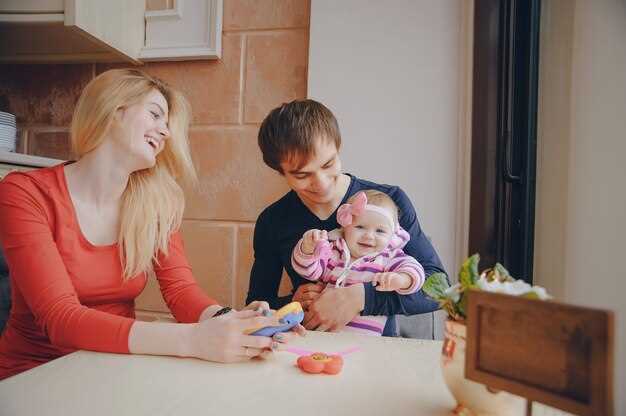 Strengthening Your Relationship After Baby – Practical Tips for New Parents">
 Stop Being the Pursuer in a Relationship – 10 Steps to Rebalance">


