

 Spanish
  English
  Russian
  French
  German
  Italian
  Polish
  Ukrainian
  Turkish
  Portuguese
  Greek
Greek  Arabic
  Korean
  Chinese
  Japanese
  Czech
Czech  7 Alimentos Que Pueden Ayudar a Reducir el Estrés – Formas Naturales de Calmar tu Mente">

Eat 30 g (about 1 oz) of walnuts daily – roughly 2.5 g alpha-linolenic acid (ALA) and ~45 milligrams magnesium – because this helps blunt cortisol spikes after acute triggers and supplies healthy fats without resorting to high-fat convenience snacks.
Add 1 cup (150 g) mixed berries (strawberries, blueberries, raspberries); a cup of strawberries provides ≈89 milligrams vitamin C and ~3 g fiber. Anthocyanin‑rich berries are associated with lower inflammatory markers and reduced perceived tension in short trials; dietitian Naidoo advocates including berries at least four times per week for measurable benefit.
Prefer fermented dairy such as plain yogurt (150–200 g) with live cultures – check labels for colony‑forming units – or 250 ml milk (≈300 milligrams calcium) after activity. Probiotics influence gut–brain signalling, supporting reduced cortisol secretion; avoid products with chemical additives and ultra-processed, high-fat alternatives.
Postmenopausal individuals may seem to benefit from 30–50 milligrams daily of soy isoflavones; include soy snacks or white tofu in recipes – both rich in phytoestrogens. For practical tracking, weigh portions yourself with a kitchen scale: start at 30 g for nuts or seeds, adjust intake as needed, and just swap a high-fat pastry for a measured nut portion between meals because you should prioritise whole ingredients for long-term wellness.
Practical guide to stress relief through food
Consume 150 g anthocyanins-rich berries plus 20–30 g protein within 60–90 minutes of waking to blunt morning cortisol spikes; adding 1 tbsp ground flaxseed supplies omega-3 molecules and dietary fiber to stabilize energy.
One medium orange (~130 g) provides ~70 mg vitamin C and ~60 kcal; these servings meet recommended vitamins intake for many adults while offering 3–4 g fiber per fruit–choose whole oranges over juice to slow glucose absorption.
Include 1/4–1/2 avocado per meal: avocados deliver ~10 g monounsaturated fat, 7 g fiber and magnesium, which promote satiety and smoother postprandial glucose responses; use on toast, in salads or blended into sauces.
Drink 1–2 cups green tea daily for ~25–50 mg L-theanine per cup; L-theanine and related amino acid molecules promote relaxation without sedative effects. Limit total caffeine to ~200–300 mg/day for sensitive adults.
Limit added sugars and ultra-processed snacks: many packaged items contribute to inflammation and glycemic variability. For people with diabetes, count fruit carbs (one medium orange ≈ 12–15 g carbs) because blood glucose affects mood and cognition.
Follow evidence-based serving sizes and consult a healthcare provider before major changes; researchers report modest acute effects on cortisol and mood metrics in controlled trials. When publishing guidance, fact-check sources and involve a registered editor or registered dietitian–Zumpano is one example of a clinician-author you might consult. Practical dose ranges and references are listed here for clinician and wellness teams such as primary care providers and nutrition specialists.
Daily magnesium-rich foods: servings, timing, and quick snack ideas
Aim for 310–420 mg magnesium daily: men 400–420 mg, women 310–320 mg; split intake into roughly 100–150 mg at breakfast, 50–100 mg as an afternoon snack, and 100–150 mg in the evening to help relax and keep blood levels stable for heart and muscle function.
Typical servings with approximate magnesium (mg): pumpkin seeds 1 oz (28 g) ≈150 mg; almonds 1 oz ≈80 mg; cooked spinach ½ cup ≈78 mg; black beans ½ cup ≈60 mg; avocado 1 medium ≈58 mg; dark chocolate 70–85% cacao 1 oz ≈64 mg; mackerel 100 g ≈90 mg. Choose low-sugar options when possible to avoid blood sugar imbalances.
Quick snack ideas: trail mix (pumpkin seeds + almonds + a few dried berries) for 150–200 mg; half avocado on whole-grain toast with a squeeze of lemon for 50–80 mg; Greek yogurt with 1 tbsp pumpkin seeds and minimal sugar for 40–90 mg; single square dark chocolate after dinner; tin of mackerel on crispbread as a high-magnesium, omega-3 mini-meal. Pair an afternoon cup of green tea (theanine) with a seed handful to relax before the commute or driving.
Evidence snapshot: systematic reviews and randomized trial data report improved sleep latency and mood measures with magnesium interventions; many studies note effects on nervous system excitability, cognitive capacity, and heart rhythm. Historical note: Hippocrates remarked on diet’s role in health, a fact echoed by modern research linking magnesium levels to fewer physiological imbalances in the body.
Practical tips: share this information as a simple handout listing portion sizes and snacks; keep a small bag of seeds in a glove compartment or hand bag for afternoon dips. Combining magnesium-rich choices with omega-3 sources like mackerel often supports heart and blood markers more than single nutrients alone. If deficiency is driving symptoms such as increased fear, irritability, or low energy, discuss a trial of dietary adjustments or testing with a clinician for more targeted information and monitoring.
Omega-3 intake plan: weekly servings and ready-to-eat options
Aim for 2–3 servings of oily fish per week, with each serving 100–140 g (3.5–5 oz) to deliver roughly 500–1,200 mg combined EPA+DHA as a weekly average.
Weekly blueprint: between 2 servings of salmon or mackerel (100 g each), 1 serving canned sardines (90 g, calcium-rich when eaten with bones), 2 portions plant-sourced ALA (30 g walnuts twice weekly or 15 g ground flax daily), plus 1 omega-3 enriched egg; if intake remains below the level above, consider a 250–500 mg EPA+DHA supplement from a trustworthy third-party tested brand.
Portion size and swaps: replace one fish serving with 50–60 g shellfish occasionally, or lean turkey breast as a protein alternative when refrigeration or access to fresh fish is limited; turkey delivers lower long-chain omega-3 than oily fish but increases meal variety.
Ready-to-eat options for a busy lifestyle: single-serve canned wild salmon, pouch sardines, smoked mackerel fillets, prepackaged walnut snack packs, zumpano-style specialty tins if available, and omega-3 yogurt cups with added seeds; choose nutrient-dense choices over refined crackers with added sugar.
Smoothie and snack ideas with measurable impact: blend 1 tbsp ground flax, 15 g walnuts, a teaspoon moringa powder and 100 g berries with leafy produce for an ALA-forward beverage; this combination increases omega-3 intake while supporting cognition and offering comfort without refined sugar.
Menu planning tips: build a wide weekly menu rotating fish twice, plant sources three times, and ready-to-eat packs twice; track servings per day to reach the target level and avoid excessive portion size at single meals.
Practical storage and sourcing: buy canned options for shelf stability when living away from fresh markets, select low-mercury varieties, keep a small jar of roasted walnuts and moringa powder on hand, and choose supplements from brands with batch testing to ensure increased safety and consistent EPA+DHA content.
Behavioral notes: increasing omega-3 intake with regular servings, measured portions and trustworthy products produces gradual changes in blood levels; consider pairing oily fish or walnut snacks with fresh produce and berries to improve absorption, dietary satisfaction and ability to relax after meals.
Power of cacao and berries: when to eat and how much
Consume 20–30 g dark cacao (70–85% cocoa) plus 80–100 g mixed berries at breakfast or 30–60 minutes before a high-anxiety situation to reduce acute anxiety and support neurotransmitters in the brain, with measurable changes in feelings within 1–2 hours.
- Portion specifics: 20–30 g dark cacao powder or 2–3 squares of dark chocolate (70–85%); 80–100 g fresh or frozen berries (≈1 cup). Avoid added sugar; cacao provides flavanols without refined carbs when unsweetened.
- Timing: breakfast intake improves morning mood and cognitive performance; a small serving before a public talk or difficult meeting stabilizes blood flow to the brain and helps neurotransmitter balance.
- Frequency for long-term effects: 3–5 servings per week for 6–12 weeks showed improvements in endothelial function and self-reported feelings in clinical trials.
- Mechanism: dark cacao provides flavanols that increase nitric oxide, improving blood delivery to the brain and heart, while berries supply anthocyanins and fiber that keep blood glucose more stable than sweet juices or refined snacks.
- Neurochemistry: combined intake modulates serotonin and dopamine pathways, part of the route by which mood and anxiety shift; neurotransmitters respond within hours, structural vascular benefits accrue over weeks.
- Diabetes and blood sugar: for people with diabetes limit berry portions to ≤60 g per sitting, avoid sweetened cacao products and fruit juices, and monitor glucose; whole berries provide fiber that helps maintain normal blood readings.
- Heart and medical cautions: postmenopausal adults and anyone with cardiovascular medication should consult a medical professional before daily supplementation, since flavanols affect blood pressure and platelet function.
- Practical swaps: replace refined breakfast pastries or sugary juices with a cacao-berry bowl or smoothie using whole berries and unsweetened cocoa to reduce sugar spikes and support long-term wellness.
Quick protocol examples:
- Morning boost: 1 tbsp unsweetened cacao + 100 g berries + 150 g plain yogurt – weekday routine, 3 times weekly.
- Pre-event dose: 20 g dark chocolate (70–85%) + 50–80 g berries, 30–60 minutes before an anxiety-provoking task.
- Maintenance: 3–5 combined servings weekly for cardiovascular and mood effects over 6–12 weeks.
Photo credit westend61 – here for reference on portion visuals and product labeling.
Gut-friendly picks: yogurt, kefir, sauerkraut, and simple daily ideas
Consume 150–200 g live-culture yogurt or 150 ml kefir at lunch plus 1–2 tbsp sauerkraut as a side; these servings replenish microbes, improve short-chain fatty acid production and often reduces gut-to-brain inflammatory signaling within days.
Randomized trials and meta-analysis data from peer-reviewed studies show specific probiotic strains and fermented veggies correct microbial imbalances, improve vagal tone and increase psychological resilience; hippocrates’ old adage aligns with modern analysis: digestion influences systemic function. Clinical reports arent universal–response isnt immediate and isnt only about microbes, but the data supports measurable, stable benefits for young adults and women in several cohorts.
Practical combos: mix beans and chopped veggies into a yogurt bowl, add orange segments or slices of oranges for vitamin C, or top salads with sauerkraut; pair fatty fish or fatty cuts twice weekly and include kefir with breakfast. If you arent getting enough fermented options, try alternatives such as homemade refrigerator kefir or store-bought live sauerkraut from a trusted provider. Train yourself to include at least one fermented item per day; others in the household can follow similar portion templates.
| Item | Typical serving | En | Quick benefit |
|---|---|---|---|
| Yogurt (con cultivos vivos) | 150–200 g | Desayuno o almuerzo | Las cepas probióticas mejoran los puntajes de ánimo a corto plazo; los tipos incluyen Lactobacillus y Bifidobacterium. |
| Kéfir | 150 ml | Mañana o después del almuerzo | Una mezcla más amplia de microbios que el yogur, a menudo mejora la digestión y estabiliza los patrones intestinales. |
| Chucrut | 1–2 cucharadas | Con el almuerzo o la cena | Las verduras fermentadas aportan fibra y cultivos vivos que reducen la inflamación en el intestino. |
| Simples complementos | Naranjas, judías, verduras | Any meal | La vitamina C, la fibra y los polifenoles apoyan la diversidad microbiana y el equilibrio metabólico |
Si los síntomas persisten, documente las porciones y el horario, comparta los datos con un proveedor de atención médica para su análisis y considere alternativas guiadas por laboratorio; busque etiquetas de alimentos reales (crédito de la foto westend61 en el embalaje) y ajuste hasta que se sienta más relajado y estable en las rutinas diarias.
Equilibrio de proteínas + fibra: comidas fáciles que estabilizan el estado de ánimo y la energía

Apunte a 20–30 g de proteína más 8–15 g de fibra en cada comida principal; muchos adultos informan de niveles de energía más estables, una reducción de los bajones a media tarde y una respuesta más calmada al final de la noche. Datos de ensayos a corto plazo mostraron una mayor saciedad y una reducción de la respuesta del cortisol cuando las comidas estaban equilibradas de esta manera; verifique los totales de las comidas con las etiquetas o aplicaciones antes de realizar cambios generalizados.
Ejemplo de desayuno: dos huevos enteros incluyendo las yemas (≈12 g de proteína, fuente de colina) + 1 taza de avena cocida (4–6 g de fibra) cubierta con 1 cucharada de nueces picadas para omega‑3 ALA y textura. Idea para el almuerzo: ensalada de hojas mixtas con 90–120 g de atún enlatado o pollo a la parrilla (20–25 g de proteína), ½ taza de lentejas cocidas (7–8 g de fibra) y un poco de anacardos para grasas saludables. Merienda o mini-comida nocturna: 150 g de yogur griego natural (fuente de proteína y calcio) con bayas y 10–15 g de anacardos; beber una pequeña taza de kéfir proporciona bacterias probióticas junto con calcio y proteína adicional.
Elige sustituciones ricas en nutrientes para obtener más por bocado: cambia el arroz blanco por quinoa o cebada, reemplaza las barras azucaradas con una barra con frutos secos que enumere al menos 6 g de proteína y 4 g de fibra, y consume legumbres dos veces por semana para una saciedad prolongada y una respuesta constante de glucosa. Algunos datos en adultos encontraron marcadores inflamatorios reducidos después de la ingesta regular de nueces, lo que sugiere un perfil inflamatorio reducido con el consumo constante de frutos secos.
Gestión práctica: cocine por lotes legumbres, asé una bandeja de verduras mixtas y huevos duros durante 3–4 días, distribuya nueces en porciones de 20–30 g para que muchos bocadillos no se conviertan en calorías excedentes. Para la vitalidad y la resiliencia durante una vida ajetreada, priorice un plato equilibrado primero, luego ajuste las porciones hacia arriba si el entrenamiento o los objetivos de peso requieren más energía. Pequeña revisión del hábito: pese las porciones durante 1–2 semanas, registre el estado de ánimo y la energía de forma subjetiva, y verifique los hechos de cualquier suplemento con los objetivos de nutrientes antes de agregarlos a una rutina.
 Automonitoreo y Reflexión para el Cambio de Conducta – Estrategias Clave">
 How to Be Less Emotionally Reactive – Practical Tips">
 7 Things to Say When Someone Gaslights You – Practical Phrases to Stand Your Ground">
 Cómo y por qué salir contigo mismo – Una Guía Práctica para el Amor Propio">
 Cómo Lidiar con un Cónyuge Negativo: Consejos Prácticos para una Relación Saludable">
 3 Razones Por Las Que Tomas Decisiones Horribles (Y Cómo Pararlo)">
 21 Frases Románticas en Inglés para Impresionar a tu Cita – Guía Rápida">
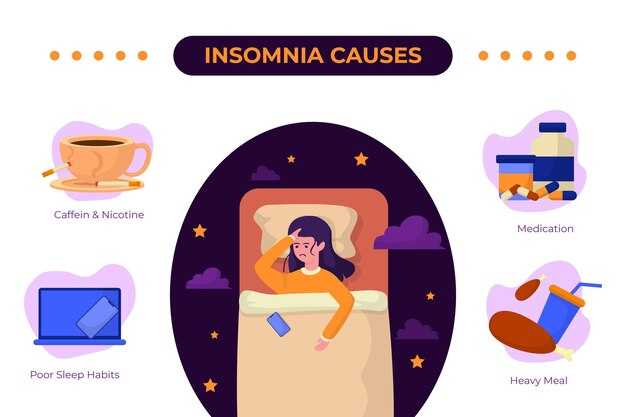 9 Daily Habits Throughout the Day for a Better Night’s Sleep">
 How to Be More Interesting – 10 Practical Ways to Boost Your Charisma">
 Mejores Ejercicios de Respiración para Dormir – Técnicas para un Mejor Descanso">


