

 Spanish
  English
  Russian
  French
  German
  Italian
  Polish
  Ukrainian
  Turkish
  Portuguese
  Greek
Greek  Arabic
  Korean
  Chinese
  Japanese
  Czech
Czech  10 Pasos para Superar el Miedo al Fracaso – Una Guía Práctica">

Initiate a 90-day micro-experiment: pick a single small project, set three objective metrics (completion rate, time-to-first-result, user feedback), schedule four 90-minute focused blocks per week and accept clear exit criteria so decisions follow data instead of impulse.
The contents includes a one-page plan that maps reality to action: goals, deadlines, predicted setbacks, a post-mortem template and a habit tracker. If feelingthe urge to stall, start a 5-minute micro-task; make sure theres short-term evidence of progress (a commit, a demo, a short note) that resets momentum.
Practice identifying the exact thoughts and traits that block work by keeping a two-column log (evidence vs hypothesis) for two weeks, then change one behavior that draws attention away from rumination–use a 3-breath grounding cue at the heart of each session and a 25/5 focus cadence. Boost chances of completion by adding public milestones and inviting two external reviewers to raise accountability.
Accept setbacks as information, not identity: treat an unfinished deliverable as data for revision, not a verdict on themselves. Combine quick wins with long experiments so confidence and learning grow in parallel. Remember: small, consistent actions compound–achievers make marginal gains routine and measure progress weekly.
Outline
Define a 90-day plan: select three micro-activities per week (60–120 minutes each), record baseline self-rating 1–10 and target a 20% improvement, log completion as pass/fail and qualitative notes to measure results and recognize patterns.
Limit daily major decisions to five and use a decision log to capture rationale; invite a trusted reviewer (father, mentor or peer) for weekly feedback – insecurities tend to bias forecasts, so sometimes use a counterfactual column to motivate more realistic expectations.
Create a monthly learning loop: acquire one concrete skill (6–12 hours of focused practice), run A/B comparisons of task methods, track time-on-task, error rate and emotional cost; identify which activity produces greater measurable gains and make external accountability part of your routine (if in montreal, join two local meetups per month).
Write clear definitions of success for each experiment: numeric targets, quality thresholds and deadlines. Use the log to explain why you select an approach, compare projected vs actual results every two weeks, adjust plans to get better data-driven decisions, and keep one monthly “wild” trial to counter paralysis and test what you ever thought was impossible.
Identify the Specific Fear Triggers in Your Daily Tasks

Record every instance across seven workdays when a decision stalls you for more than 90 seconds: note the task name, exact point of hesitation, who’s involved, immediate action taken and perceived consequence; this raw log turns vague worries into measurable decisions data.
Analyze the log quantitatively: compute frequency per task, median stall time, observed error rate (errors per 100 attempts) and minutes lost per day – rank the top three triggers behind the largest impact. Prioritize the trigger with greater frequency multiplied by severity (frequency × minutes lost = impact score).
Design micro-experiments for each top trigger: choose a similar low-stakes scenario and do a forced 5-minute decision trial; repeat 10 times and record outcomes. Track reduction in stall time, change in error occurrences and subjective confidence after each trial. Aim for a 20–30% reduction in overthinking within three weeks; adjust parameters if no measurable change.
Apply behavioral swaps: when avoidance appears, implement a 2-minute action rule (do one small step immediately) and log results. Solicit feedback from a friend or professional coaches; Montreal-based coaches often recommend role-play and graded exposure inside corporate contexts to boost practical skills. Note what you shed emotionally and what strategies helped you overcome past stalls – list exact phrases that shifted your behavior.
Limit risk calibration: categorize tasks by objective risks and possible benefits, then set an approval threshold (e.g., proceed if projected benefit ≥ risk × 1.5). For scary choices, create a rollback plan to reduce perceived stakes; never ignore the rollback – testing with a safety net lowers resistance and increases confidence.
| Tarea | Trigger | Immediate behavior | Baseline metric | Goal (3 weeks) |
|---|---|---|---|---|
| Client pitch (corporate) | uncertain pricing decision | delay, ask for more data | stall 180s, 4% error | stall ≤90s, error ≤2% |
| Weekly status email | fear of tone | over-editing | 45min prep, 2 revisions | 15min prep, 0–1 revision |
| Prototype demo | anticipation of public mistake | avoid live demo | 0 live attempts/week | 2 live attempts/week |
After three weeks, compare impact scores and behavioral metrics: keep successful micro-experiments, iterate on those that produced minimal change, and allocate time weekly for creatively rehearsing high-impact scenarios. This method reduces error exposure, clarifies risks, and produces measurable boosts in task performance and confidence.
Define What Failure Would Mean in Concrete Terms
Set three numeric loss thresholds for each initiative: performance threshold (e.g., sales < 60% of target after 90 days), time threshold (MVP milestones missed by month 6), resource threshold (burn rate > 25% of forecast). Use exact values, review dates, and owner names so decisions are data-driven rather than subjective.
Identify the front-line situations that will trigger those thresholds: customer churn, unresolved critical bugs, legal hold or supplier cutoff. For each situation write one sentence: “If X reaches Y by date Z, stop current work and execute contingency.” This converts vague worry into a rule your team can accept.
Assign a second check and a mentor for escalation. For example, in cleveland assign a regional lead who reviews the dashboard every Monday; if problems are found they escalate to product within 48 hours. For overcoming inertia the best approach is a single person with veto authority; they must record the rationale when triggering a pivot. Beginners should rehearse the decision sequence three times before live deployment.
Log behavioral signals that signal avoidance: repeated deadline shifts, meetings canceled, or low-detail status updates. Track how often theyre delaying releases and quantify disappointment by customer survey and revenue delta; a >7-point NPS drop or >15% revenue variance is actionable. When a threshold is hit, accept the documented turn and execute the contingency suite (pause, pivot, refund), then stop additional feature work until post-mortem is complete.
Document outcomes in a single playbook so future teams can use developed limits and stop repeating the same errors. Record what was doing at each checkpoint, why a decision was found necessary, and the metrics behind that judgement; this produces healthier processes and probably faster, clearer responses next time.
Assess Realistic Consequences vs. Perceived Threats

List the three most likely outcomes with probabilities and three measurable impacts: days of delay, direct cost in dollars, and reputational hit on a 0–10 scale; record these figures before you commit to the activity.
Compare those figures to patterns from past failures and routine activities using observational knowledge and basic behavioral metrics (frequency, duration, recovery time). Example: sami logged five prior projects–two had 5–7 day delays and cost 1–3% of budget; theyll usually recover within two sprints, making the perceived threat quantifiably smaller when mapped against familiar patterns.
Create a three-part coping plan that reduces binary thinking and fixed assumptions: 1) action buffer (add 15–30% time contingency), 2) mitigation actions (two concrete fixes ranked by cost and speed), 3) review checkpoint at 48–72 hours. Emphasize letting go of perfection and practice small activities that build competence; adopt ways that strengthens resilience and keep the goal measurable to avoid catastrophizing and negative spirals.
Track outcomes for the whole project over the next 30 days: percent of milestones met, number of mitigation activities executed, and subjective stress rating. If a negative effect reduces progress by more than 20% of the goal, trigger escalation and a short lessons-learned session. Admire recovery patterns in colleagues who handled setbacks well and replicate their behavioral templates to shorten future impact.
Planificar Experimentos Pequeños para Probar Suposiciones
Realizar tres micro-experimentos con ventanas de tiempo definidas: 7 días cada uno, de 30 a 60 minutos por día, un límite de costo de $50, apuntar a n = 10–20 interacciones genuinas de usuarios; declarar una hipótesis clara y una métrica principal (ejemplo: tasa de opt-in por correo electrónico ≥10% o 3 declaraciones positivas registradas).
Escribe la hipótesis como “Si [acción], entonces [resultado medible] aumentará en X%”. Reserva un control (sin cambio) y un tratamiento. Usa una asignación de medias partes para los participantes siempre que sea posible: la mitad ve la versión A, la mitad ve la B; si no puedes reclutar personas, trata los días de semana como control y el fin de semana como tratamiento. Realiza un seguimiento de los resultados binarios primero (sí/no) y una etiqueta cualitativa por interacción para evitar quedarte atascado en un sobreanálisis.
Registre tres señales duras y tres señales suaves: conversiones, tiempo dedicado a la tarea y dos citas cortas por sesión. Los resultados negativos iniciales son datos válidos; márquelos como aprendizaje, no como fracaso. Calcule el aumento simple: (conversiones del tratamiento − conversiones de control) / conversiones de control. Si el aumento < 10% y las señales cualitativas no justifican más trabajo, detén la prueba y vuelve a refinar la hipótesis en lugar de dejar que las dudas socaven el progreso.
Cuando hables con mentores o compañeros sobre los resultados, muestra los recuentos brutos, el margen de error (±√(p(1−p)/n)) y una decisión en una sola línea: iterar, escalar o eliminar. Espera una probabilidad bastante pequeña de que todo salga bien; esa realidad abre oportunidades que no predijiste. Las pequeñas victorias impulsan la confianza y reducen la rumiación ansiosa; incluso una mejora de 15% en una micro-prueba a menudo se hace visible en el impulso semanal y ayuda a mantener la pasión y el propósito conectado — una reducción constante en la duda que aumenta la satisfacción a largo plazo y los beneficios tangibles que regresan a tu trabajo.
Establecer una Red de Seguridad Personal y Reglas de Decisión Claras
Crea una red de seguridad de tres niveles antes de cualquier decisión importante: 3 meses de ahorros líquidos, un plan de reversión mínimo y viable para habilidades y compromisos, y una regla de decisión escrita que obligue a la demora y la consulta.
- Bolsa de seguridad: mantener 3–6 meses de gastos esenciales en una cuenta de fácil acceso (gastos mensuales × 3–6). Beneficios: reduce el pánico y da tiempo para pensar. Si no es posible reconstruir en 6 meses, activar el plan de reversión.
- Plan de reversión para habilidades y roles: document 5 core skills you can deploy within 30 days, plus one course or mentor to restore ability within 90 days. Start with skills that produce immediate cash (consulting, tutoring, freelance).
- Umbrales de decisión: establecer disparadores numéricos–si la pérdida proyectada >5% del patrimonio neto o el retraso >30 días, requerir una pausa de 48 horas y al menos una opinión externa (socio, amigo o profesional). Estas reglas previenen movimientos impulsivos cuando el cerebro se inclina hacia lo negativo.
- Protocolo de consulta: list 2 trusted partners and one neutral advisor; when busy or under stress, call the first available. If the contract or information is in english and comprehension is low, ask a friend fluent in english to review within 24 hours.
- Lista de verificación de pre-mortem (6 razones para el contratiempo):
- Suposiciones deficientes: escriba tres escenarios alternativos y sus probabilidades.
- Costos subestimados – agregar una partida de contingencia 20% a los presupuestos.
- Brecha de habilidades: programar un curso intensivo de 2 semanas antes del compromiso.
- Dependencia de un solo socio: crear un contacto de respaldo dentro de los 14 días.
- Conflictos de horario – el calendario reserva bloques de tiempo de 2 semanas para ajustes urgentes.
- Decisiones emocionales – si llega el pánico, detente y haz un ejercicio de respiración de dos minutos; si aún estás agitado, pospón la decisión 24–72 horas.
- Desencadenantes de la autoconciencia: medir las señales donde las opciones se ven comprometidas –aumento de la frecuencia cardíaca, incapacidad para articular los pros/contras, o pensamientos negativos repetitivos. Cuando estos aparezcan, aplica la regla de las 48 horas y consulta tu lista.
- Lista de verificación de implementación (mantener visible):
- Fondo de emergencia: cantidad exacta y ubicación.
- Inventario de habilidades con plazos para reasignar.
- Regla de decisión con umbrales numéricos y contactos nombrados.
- Una misión de una frase para guiar elecciones positivas bajo presión.
Medir el resultado después de cada decisión: registrar el resultado, por qué funcionó o falló, y actualizar el conjunto de reglas dentro de los 7 días. A veces, pequeños cambios en las reglas se suman a grandes beneficios; si aparecen patrones de estar ocupado o de no poder actuar, endurecer los umbrales. Mantener este archivo accesible y revisarlo trimestralmente con socios o un amigo para mantener la claridad y reducir los movimientos reactivos.
 Automonitoreo y Reflexión para el Cambio de Conducta – Estrategias Clave">
 How to Be Less Emotionally Reactive – Practical Tips">
 7 Things to Say When Someone Gaslights You – Practical Phrases to Stand Your Ground">
 Cómo y por qué salir contigo mismo – Una Guía Práctica para el Amor Propio">
 Cómo Lidiar con un Cónyuge Negativo: Consejos Prácticos para una Relación Saludable">
 3 Razones Por Las Que Tomas Decisiones Horribles (Y Cómo Pararlo)">
 21 Frases Románticas en Inglés para Impresionar a tu Cita – Guía Rápida">
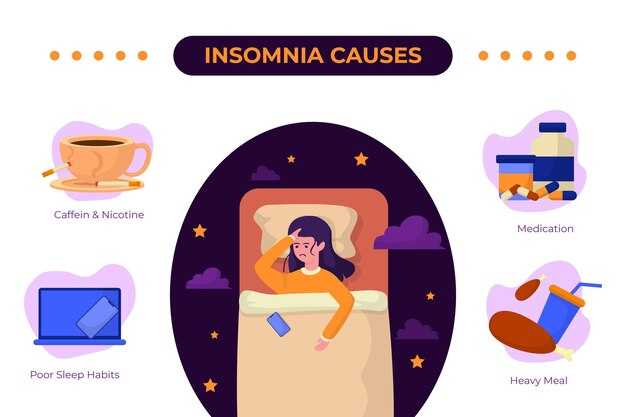 9 Daily Habits Throughout the Day for a Better Night’s Sleep">
 How to Be More Interesting – 10 Practical Ways to Boost Your Charisma">
 Mejores Ejercicios de Respiración para Dormir – Técnicas para un Mejor Descanso">


