

 Spanish
  English
  Russian
  French
  German
  Italian
  Polish
  Ukrainian
  Turkish
  Portuguese
  Greek
Greek  Arabic
  Korean
  Chinese
  Japanese
  Czech
Czech  10 Consejos Prácticos para Mejorar tus Habilidades de Oratoria">

Open with a 12–18 second hook: one clear thesis sentence and one audience-benefit sentence. Time this during rehearsal and repeat until delivery es consistent. Make that first step an explicit promise that structures the remainder of the talk.
Practice with metrics: record five full runs, timestamp filler words and long pauses, then review patterns. Ask three peers; request useful targeted notes on pacing, gesture and phrase endings. Set numeric goals: cut fillers by 70% within ten rehearsals, reduce average silent pause to under 0.8 seconds, and increase the proportion of decisive sentences by 30% to gain greater control.
Design slides and appearance to support the message: one idea per slide, under six bullets, max 40 words. Use high-contrast visuals and frame the camera so the audience can look at a confident upper-body posture. Choose one distinctive item of clothing to boost perceived professional credibility; small changes create a measurable sense of authority in observers.
Calibrate voice and rhythm: inhale on a 4–6 count before key points, pause 1.2–1.8 seconds after important lines to let ideas register. Label transitions numerically so listeners thinking differently can track the flow. Inject controlled enthusiasm – a 6–8 dB lift on headline sentences – then return to baseline so emphasis stays good instead of tiring. Maybe trim anecdotes that exceed 30 seconds; a single next step at the close raises perceived success.
Fine-tuned Facial Expression Control to Boost Public Speaking Credibility
Adopt a 3-zone facial map and practice timed micro-expressions: forehead (thought), eyes (connection), mouth (affect).
- Zone timing: keep a deliberate smile 2–6 seconds; neutral rest 0.5–0.8 seconds between statements; eyebrow emphasis under 0.4 seconds to signal quick emphasis.
- Eye contact: maintain 3–5 seconds per person to register as seen without appearing fixed; across a 20-minute presentation that equals roughly 12–20 individual engagements.
- Small adjustments: reduce lip compression and jaw clenching; a 10–15% relaxation of jaw lowers perceived tension and increases credibility.
Checklist to train and measure
- Record three practice takes of the same 3-minute passage. Count smiles, eyebrow raises and neutral beats; target a 25–40% smile-to-neutral ratio when presenting warm content.
- Mark specific cues in the script where a micro-expression should occur (listing points, transitions, punchlines). Use timecodes to align facial length with spoken emphasis.
- Review footage with a partner who states whether the emotion was heard nonverbally and whether the person behind the delivery seemed intentional versus accidental.
Posture and facial sync
- Avoid slouching; slouching suggests low energy and reduces facial expressivity. Place feet shoulder-width, weight balanced, hands relaxed to prevent crossing that blocks signals.
- Match facial warmth to vocal warmth: when voice rises in warmth, add a 2–3 second soft smile; when making a strategic point, narrow eyes slightly and hold steady gaze for 1–2 seconds.
Practical micro-practices to learn control
- Silent delivery drill: deliver five lines without sound, communicating intent only nonverbally; record and compare which lines read as confident.
- Mirror timing drill: count seconds aloud while holding a micro-expression to calibrate length; increase precision in 0.2-second increments.
- Interrupt reflex test: practice pausing before major points–place a 0.6–1.2 second neutral beat before a key sentence to give the face time to align with thinking and speaking.
Interpretation and audience perception
- Data-based rule: audiences rate speakers as more successful when facial expressions are purposeful and congruent; incongruent smiles behind tense eyes reduce trust by measurable percentages in surveys.
- When a person looks away while smiling, it suggests distraction; when a smile reaches the eyes and is brief, it signals sincerity and makes statements more likely to be heard.
Maintenance routine
- Daily 8-minute drill: 3 minutes mirror calibration, 3 minutes video rehearsal, 2 minutes posture reset; repeat before major presentations.
- Weekly peer review: exchange two recorded segments and list 3 moments where facial intent matched or missed the spoken purpose.
- Avoid automatic crossing or defensive gestures; scan rehearsals for these and replace with open-hand cues placed at torso level.
Align Facial Expressions with Your Core Message
Match one’s facial expression to the single core sentence the room should remember; pick one anchor word to establish the intended emotional tone and repeat it mentally before each section.
En looking at audience members, hold eye contact 3–5 seconds, then move to the siguiente person; combine that with a subtle cabeza nod to indicate connection. Direct the gaze across the room so each person feels oído–this projects confident delivery.
En high-stakes o formal situations, avoid smiling when the content is serious; a neutral or composed expression is mejor than an incongruent grin. A defensive frown or raised brows can signal poor alignment between the spoken word and the face.
Practice formas: record 10-minute runs, review in 30-second clips, and mark moments where facial cues contradict what’s being said; aim for at least 10 targeted corrections per session. Muchos speakers notice noticeable improvement within two weeks of daily rehearsal.
Request feedback from a cliente o recruiter who watches live or recorded sessions and reports which emotions they are receiving from the face versus the message. Being aware of mismatches lets one fine-tune micro-expressions precisely.
En presenting, breathe deliberately: inhale two seconds, exhale four, reset the jaw between sentences; having a relaxed lower face reduces tension and yields a more authentic, less defensive expression.
Use three direct signals: a slight eyebrow lift to indicate curiosity, a slow head tilt to signal empathy, and a tightened mouth to show seriousness; pair each signal with a matching word or short phrase so the emocional intent is obvious.
Measure impact: track audience questions and the percentage of attendees who nod within the first five minutes as a proxy for receiving the emotional cue; adjust expressions until nods increase. Better alignment will make the message clearer and harder to misinterpret.
Smile, Eyebrow Movement, and Eye Contact: Timing and Boundaries
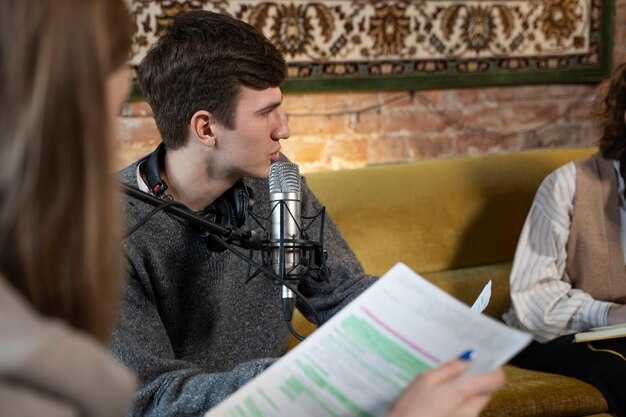
Smile within the first 1–3 seconds after establishing eye contact; hold a natural smile 2–4 seconds then relax; avoid smiling constantly, as brief smiles will convey warmth and reset attention more effectively than a fixed expression.
Use one deliberate eyebrow raise of 0.5–1.0 second to mark a key point; repeated rapid raises indicates nervousness and may read as defensive, while a slight lower of the brows during complex data helps listeners make sense of nuance.
Aim at 3–5 seconds of direct eye contact with a person; once that period passes, shift to another person or a neutral spot; in small groups the cycle generally includes 4–6 seconds per recipient, and in the workplace shorten cycles when participants are taking notes.
Practising with a mirror or shared video review speeds recovery from gaze loss and reveals habitual looking patterns: this method includes timed drills, deliberate micro-pauses, and replayed clips to spot asymmetry and timing issues.
Use micro-expressions representing surprise or agreement sparingly; making rapid emotional shifts feels manipulative, whereas a single small nod paired with steady eye contact is a clear sign of alignment and care and helps the audience mirror your tone.
Set boundaries: avoid staring beyond 7–8 seconds – that length becomes noticeable and can trigger defensive reactions; if a person looks uncomfortable, reduce intensity, allow a 1–2 second recovery glance to the side, then return; confidence comes after repeated short cycles and particular attention to timing improves outcomes.
Use Facial Cues to Reinforce Key Points Without Distracting
Limit eyebrow lifts to one every 12–18 seconds and hold each 0.8–1.2 seconds to highlight a key sentence in your speech (discurso); that pacing signals emphasis without drawing attention away from content.
Maintain direct eye contact roughly 50–60% of the time across a 3‑minute segment; in small groups raise that to about 70% and shift gaze every 3–5 seconds. Use a casual smile on ≈30% of statements that deliver positive data, and add a micro‑nod (0.4–0.7s) when you want peoples to act on a takeaway.
Always practice these behaviors in front of a mirror 10 minutes daily, record 2–3 short clips, then compare clips to spot mismatches between facial cues and vocal tone. Employ a simple drill: 5 repeats of a 30‑second passage, varying enthusiasm and neutral expressions, then review integration of face and voice; practiced repetition reduces awkward timing behind emphasis.
Adapt to scenarios: in virtual meetings place camera at eye level, keep head slightly turned when addressing clients, and mute exaggerated gestures during interviews. If youre giving a long discurso or speak to someone one‑on‑one, reduce eyebrow frequency during data slides and increase subtle engagement cues during stories. Reader testing: try these settings in casual conversations, role plays with colleagues, and client pitch rehearsals to calibrate what works in different situations and cultural groups.
Synchronize Your Facial Tempo with Voice and Pace
Match each deliberate facial move to a clear vocal breath and phrase: at 120–150 wpm aim for 3–5 facial shifts per 10 seconds, with onset latency 120–250 ms after phrase start; keep amplitude at 20–30% of full expression so listeners misread intent less often.
Practice routine: record 6 one-minute takes, each at a distinct volume target (60, 70, 80 dB). Use a metronome set to syllable rate, breathe on the downbeat, and employ a mirror or smartphone slow-motion to count moves. Do 5 sets daily, reduce extraneous tension in jaw and throat, and stop if eye contact or peers report staring feels unnatural.
Measurement and adjustments: use a 240 fps camera and simple algo that flags facial onset vs. audio peak; acceptable alignment is ±100 ms for emphasis syllables. If responses drop or words are consistently not heard, increase move clarity by 10–15% or raise volume by 3–6 dB. When listeners misread emotion, move amplitude is likely too fast or too wide; scale away from extremes.
| Speech rate (wpm) | Facial moves /10s | Onset latency (ms) | Recommended volume (dB) |
|---|---|---|---|
| 100 | 2–3 | 150–250 | 60–70 |
| 130 | 3–4 | 120–200 | 65–75 |
| 160 | 4–5 | 100–180 | 70–80 |
| 190+ | 5–6 | 80–150 | 75–85 |
Apply this checklist during rehearsals: count moves, mark emphasis syllables in the script, cultivate micro-pauses to let light facial cues register, and ask a trusted person to note if moves are absolutely synced or they fail to register. Small adjustments yield better clarity and power in delivery and support measurable advancement across key areas.
Record Sessions to Analyze and Refine Expressions
Record 10-minute sessions on your phone every day on a single topic; position the lens at eye level about 1 meter from your face, label files YYYYMMDD_topic_take#, and include a short note naming the person who will review it.
Measure four concrete metrics each review: average pause length (aim 0.4–1.0 seconds per pause), speech rate (120–150 words per minute), gestures frequency (3–6 meaningful gestures per minute), and camera engagement (looks at lens 60–80% of speaking time). Log filler words and mark any inconsistent rhythm that reduces clarity or ability to communicate.
During playback timestamp every error and note the exact second where awkward pauses, confrontational facial expressions, or mismatched gestures occur; refer to those timestamps when re-recording so corrections come from data rather than impression. Flag segments where tone sounds defensive or being overly aggressive and classify by type (tone, volume, word choice, body language).
Use a focused practice loop: isolate a 30–60 second clip containing the problem, practice that clip until three successive takes meet targets, then splice the best take into the longer recording or re-record the full section. Tools: waveform view to confirm consistent volume, slow-motion to study gestures, and a simple stopwatch to count pauses – these methods are helpful and produce measurable progress.
Send two clips per week to a trusted person and ask three specific questions: “Was this engaging or did it feel confrontational?”, “Which moments made you less interested?”, and “Was the main point clear?” Track responses numerically to monitor positive change; small daily adjustments compound into excellent results when combined with deliberate review and maintaining objective metrics.
 The Emotional Impact of Pain – How Pain Shapes Emotions">
 25 Things Introverts Wish People Understood About Them">
 10 New Year’s Resolutions for Stress Relief">
 17 Actividades Divertidas para Parejas para Disfrutar de la Compañía Mutua | Fortalecer su Vínculo">
 5 Formas Sencillas de Superar la Ansiedad en el Gimnasio – Consejos Rápidos para Entrenamientos Seguros">
 Cómo Combatir la Fatiga de Zoom – Consejos Prácticos para Reuniones">
 Como Lidiar con la Deshonestidad en las Relaciones Sin Terminar la Relación">
 5 Esenciales Habilidades para Afrontar el Estrés y la Ansiedad – Técnicas Rápidas para Encontrar la Calma">
 50 Preguntas para Conocer Mejor a Alguien – Inicios de Conversación Rápidos">
 6 Señales de Quiet Quitting en una Relación – Cómo Reconocer y Reconectar">


