

 Greek
Greek  English
  Russian
  French
  German
  Italian
  Spanish
  Polish
  Ukrainian
  Turkish
  Portuguese
  Arabic
  Korean
  Chinese
  Japanese
  Czech
Czech 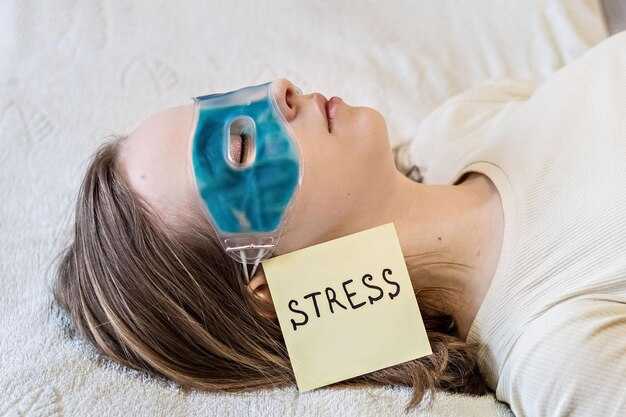 Understanding Stress – Causes, Symptoms & Treatment">

Practice paced nasal breathing right now: inhale through your nose for 4 seconds, hold 4 seconds, exhale 6 seconds; repeat for 5 minutes twice daily. This brief routine calms the autonomic response, reduces acute reactivity, and relaxes muscles so you can return to work with clearer focus.
Track how stress symptoms manifest over two weeks: note headaches, digestive changes, tight muscles, sleep disruption or moody shifts and record context for each episode. Everybody shows different patterns; ask your clinician for a symptom diary template and compare entries against specific triggers such as meeting length, deadlines, or media consumption.
Adopt a balanced approach that pairs behavior and environment changes: 30 minutes of moderate exercise five days per week, two 10–15 minute progressive muscle relaxation sessions, consistent sleep of 7–8 hours, and limited media checks (two windows of 15–30 minutes daily). Reassign responsibilities at work and home, schedule focused 50-minute work blocks followed by 10-minute breaks, and include brief outdoor walks after long meetings. Consider involving a therapist for CBT techniques that often reduce physiologic reactivity within a short term of 6–12 weeks.
Measure impact with weekly check-ins: use a simple 0–10 stress score, adjust targets, and ask colleagues or family for concrete feedback on your pacing and availability. Support their coping steps too; shared changes lower household and team strain. Keep a true focus on consistent habits, and contact a clinician if symptoms intensify or significantly interfere with daily responsibilities and health.
Diagnostic checklist to determine whether stress explains your symptoms
Rate your current stress level on a 0–10 scale and record it today; a score of 6 or higher signals a high acute load and merits checklist follow-up.
Use the Perceived Stress Scale (PSS) alongside the 0–10 rating: PSS 0–13 = low, 14–26 = moderate, 27–40 = high. These numeric cutoffs help quantify how much of your state is likely stress-related versus another condition.
Log when symptoms began and whether they worsened during identifiable pressures (work deadlines, marriage conflict, caregiving). If symptoms started immediately after a clear event and then slowly improved when the stressor eased, stress is a likely result; if symptoms persist more than 2–4 weeks despite reduced pressures, add diagnostic evaluation.
Compare symptom patterns: stress-related signs often include muscle tension, headaches, sleep disruption, GI upset, mild cognitive fog and palpitations. Note whether symptoms return quickly after rest or spike between tasks; quick recovery favors stress, while slow recovery suggests a medical or psychiatric cause.
Track emotional states and how you felt hour-to-hour for 7–14 days. Use a simple chart: date, trigger, intensity (0–10), dominant emotion, sleep hours and alcohol use. A weekly mean increase of ≥2 points from your baseline indicates sustained stress that needs additional action.
Screen for comorbidity with brief tools: GAD-7 thresholds 5/10/15 for mild/moderate/severe anxiety and PHQ-9 thresholds 5/10/15/20 for depression. High scores shift the focus from self-help toward treating with psychotherapy or medication under clinical supervision.
If you are pregnant, flag fetal risk: chronic high stress associates with preterm birth and low birth weight. Discuss findings with your obstetric clinician and follow national obstetric screening recommendations; document risks and treatment options before taking medication.
Assess function: are you taking sick days, missing work tasks, or having safety lapses while working? Significant decline in occupational or interpersonal functioning–loss of income, repeated conflicts in marriage, or safety issues–requires prompt clinical referral.
Try evidence-based quick self-care first-line: 4‑4‑4‑4 box breathing, 10–15 minutes of progressive muscle relaxation nightly, and short behavioral activation (15–30 minute planned activities). Track response: mild stress should lessen within days; if improvement is slow after two weeks, seek additional support.
When treating persistent or severe symptoms, combine targeted exercises, brief CBT techniques and sleep optimization; consider pharmacologic options for moderate–severe cases after risk–benefit review. Be sure to include social factors and whether caregiving or financial pressures contribute.
Keep the clinician informed: bring your 14-day log, PSS and GAD/PHQ scores, notes on what felt better or worse, and a list of current medications or supplements. That information helps your provider differentiate stresss from other diagnoses and design a specific plan.
Emergency signs that are not explained by stress include crushing chest pain, sudden shortness of breath, fainting, new neurological deficits or suicidal thoughts; call emergency services immediately. For non-emergent but persistent problems, book primary care within 1–2 weeks and mental health follow-up as indicated.
Pinpoint recent life changes: Which events or pressures began before symptoms?
Start a dated timeline now: write each event with start/end dates and symptom onset to see which changes preceded your first symptoms.
Use this step-by-step method to identify triggers and guide conversations with clinicians or support people:
- Record precise timestamps: note day, week or month when a change began and when you first noticed sleep, mood, concentration or energy shifts. Clinicians use a clear timeline – symptoms that persist beyond 1 month after an event can meet criteria for a post-traumatic diagnosis such as ptsd; acute stress reactions often appear within 3 days and last up to 1 month.
- Rate impact numerically: give each event a 0–10 severity score for emotional impact and a separate 0–10 for functional effect (work, school, relationships). Prioritize events scoring 7+ for immediate follow-up.
- Map life areas between events: separate entries for work, family, finances, health, school and social life to spot patterns in one area versus cross-area clustering.
- Track symptoms daily for 14–30 days: log sleep hours, appetite, panic episodes, avoidance, intrusive thoughts and energy level on a 0–10 scale. Share this log at intake – objective data speeds accurate diagnosis and helps distinguish normal stress from harmful post-traumatic responses.
Below is a checklist of common stressors to compare with your timeline; mark those you experienced before symptoms began:
- Bereavement or serious illness in family
- Workplace dismissal, major deadline pressure, or long hours
- Relationship breakup, separation, or domestic conflict
- Financial shock (eviction, debt collection)
- School transfer, exam failure, bullying
- Accident, physical injury, assault or other traumatic event
- Moving house, caregiving load increase, migration
When you’ve identified likely stressors, take these concrete actions:
- Bring your timeline and symptom log to your clinician or counselor; this evidence speeds accurate diagnosis and informs treating choices.
- If you experienced trauma and symptoms persist beyond 1 month or include flashbacks, hypervigilance or avoidance, ask about ptsd assessments and trauma-focused approaches (CBT for trauma, prolonged exposure, EMDR).
- Commit to at least 3 evidence-based actions for 4 weeks: 30 minutes of moderate exercise 3×/week (boosts endorphins), structured sleep schedule, and one weekly social contact or support group hosted by a clinic or community center.
- Reduce or remove obvious harmful stressors where possible (temporary leave from school/work, delegating caregiving, freezing financial decisions) to lower immediate load while you recover.
- If symptoms rate 8–10 or include suicidal thoughts, contact emergency services or crisis lines immediately; severe presentations require rapid clinical response.
Additionally, document objective markers that clinicians ask about: medical visits, police reports, school incident records, employer emails and medication start dates. These items strengthen a diagnosis and clarify which stressors the person experienced before symptoms.
Choose treatment approaches based on the pattern you documented: short-term symptom-focused strategies (sleep hygiene, grounding, activity scheduling) if stressors are recent and limited; trauma-focused therapy and possible pharmacotherapy (SSRIs) if a post-traumatic condition is likely. Monitor response weekly and adjust plans according to changes in wellbeing and energy.
Keep this section accessible and update it as new events occur; a clear timeline shortens assessment time, helps you and clinicians respond more effectively, and focuses treatment on the most relevant stressors.
Match symptoms to stress profiles: Which physical and emotional signs are commonly stress-linked?
Identify your dominant stress profile: track symptoms, sleep, heart-rate variability and mood for two weeks and then classify patterns – acute spikes, episodic overload, chronic strain, or trauma-related responses – helping yourself choose targeted steps fast.
Acute stress (short-term, event-triggered). Physical signs: rapid heart rate, sweating, shortness of breath, lightheadedness and digestive upset; emotional signs: sudden anxiety, hypervigilance and panic attacks. These signs are caused by sympathetic activation and increased adrenaline; evidence-based first responses include paced breathing (box breathing 4-4-4-4), grounding (5-4-3-2-1) and 10–15 minutes of progressive muscle relaxation to downshift functions quickly. If attacks recur or produce chest pain, seek urgent medical review.
Episodic acute / “busy grind” profile. Symptoms: frequent tension headaches, sleep fragmentation, irritability, elevated blood pressure spikes and reduced concentration. These elements come from repeated activation of stress systems while solving back-to-back demands. Practical approach: schedule microbreaks, delegate tasks to your team, block focused work windows, and limit media consumption during work hours to reduce cognitive load. Use a simple checklist to promote 5–10 minute resets every 90 minutes; this reduces errors and helps produce steadier performance.
Chronic stress (long-term exposure). Signs: persistent fatigue, diffuse muscle pain, frequent infections, weight changes, disrupted menstrual cycles and low mood – evidence shows chronic activation disrupts HPA axis and immune functions, making you more susceptible to illness and metabolic shifts. For long-term recovery, combine regular aerobic exercise (30 minutes, 3–5 times weekly), evidence-based psychotherapy (CBT or ACT), sleep consistency, and dietary adjustments that stabilize blood sugar. Developing social supports and creating a structured daily routine reduce risk of progression and help restore baseline functions.
Trauma-related and mood-linked profiles. Emotional signs: intrusive memories, numbing, heightened startle, avoidant behavior, persistent sadness or panic; physical correlates include hyperarousal, chronic pain and gastrointestinal complaints. Use validated screens (PTSD, PHQ-9, GAD-7) to match symptoms, then pursue evidence-based treatments such as trauma-focused CBT or EMDR with a trained clinician. Peer support or a clinical team can mitigate isolation and help you plan exposure-based steps safely.
Quick matching cues to guide action: sudden, intense physical reactions point to acute stress; recurring overload with headaches and sleep loss signals episodic strain; low-energy, widespread symptoms over months indicate chronic stress; intrusive memories or dissociation suggest trauma. For everyone, track measurable markers (sleep hours, resting heart rate, symptom frequency) and produce a simple plan: reduce immediate triggers, promote restorative routines, then escalate to professional care if symptoms persist beyond a month or cause functional decline.
Rule out medical causes: What baseline tests and red flags should prompt a doctor visit?

See a clinician and request baseline bloodwork and vitals when stress symptoms persist beyond two weeks, worsen, interfere with work or relationship functioning, or include physical signs listed below.
| Δοκιμή | What it checks | When to order |
|---|---|---|
| CBC (complete blood count) | Anemia, infection, inflammatory cell changes | Persistent fatigue, unexplained pale skin, fever |
| Comprehensive Metabolic Panel (CMP) | Electrolytes, kidney and liver function, glucose | Weakness, nausea, altered mental state, excess alcohol use |
| TSH and free T4 | Thyroid hypo- or hyperfunction that can mimic anxiety or depression | Palpitations, weight change, tremor, heat/cold intolerance |
| Fasting glucose / HbA1c | Diabetes or hypoglycemia that affects mood and energy | Unexplained weight loss, excessive thirst, changes in energy |
| ECG ± troponin | Arrhythmia or ischemia for chest pain or syncope | Chest pain, shortness of breath, fainting, severe palpitations |
| Cortisol (AM) or dexamethasone suppression | Adrenal causes of anxiety/fatigue, HPA axis dysregulation | Severe fatigue with salt craving, unexplained bruising, rapid weight change |
| CRP / ESR | Systemic inflammation that can affect mood and cognition | Unexplained fever, arthralgia, prolonged malaise |
| Vitamin B12, folate, vitamin D | Deficiencies linked to low mood, cognitive slowing | Memory complaints, neuropathy, dietary restriction, vegetarian/vegan diet |
| Urine toxicology / blood alcohol | Substance use, withdrawal that mimics or worsens stress | New or developing behavioural change, excess use, impaired functioning |
| Pregnancy test (when applicable) | Pregnancy-related physiologic and hormonal changes | Missed periods, nausea, new mood symptoms |
| Orthostatic vitals / tilt table | Autonomic dysfunction including parasympathetic/sympathetic imbalance | Dizziness on standing, fainting spells, heart rate abnormalities |
| Screening tools: PHQ‑9, GAD‑7, PCL‑5 | Depression, generalized anxiety, post-traumatic stress screening | Marked mood change, sleep loss, post‑traumatic reactions, risky behaviour |
Red flags that require urgent evaluation: new chest pain or pressure, sudden severe shortness of breath, fainting or syncope, sudden focal neurologic deficit (speech, balance, vision), suicidal ideation or intent, persistent high fever, uncontrolled vomiting or diarrhea causing dehydration, and states of acute confusion or hallucinations. If palpitations occur with presyncope or if an event leaves you feeling faint, go to emergency care.
Pay attention to behavioural signals that suggest a medical rather than purely psychological cause: a person may become withdrawn, fearful, or spend excessive amounts of money or time avoiding situations; these patterns can indicate post-traumatic stress or substance-driven changes. If you discover that sleep loss, sudden weight gone or gained, new tremor, or cognitive decline are present, list those specifics for your clinician so targeted tests get ordered quickly.
Additionally, identify any recent infections, head trauma, new medications, or abrupt stopping of substances – these often change cells, hormones and autonomic tone and can make stress symptoms worse. Caring clinicians will check medication interactions and perform basic toxicology when developing a treatment plan.
A medical evaluation aims to find reversible causes so you can combat symptoms rather than accept them. Small differences in test results (mild hyponatremia, borderline TSH, low B12) can explain a large amount of functional change; identifying those lets clinicians treat or supplement appropriately rather than chase an unclear cure. If you want a checklist to take to your visit, include current medications, exact symptom onset and severity, recent events or losses, and how symptoms affect your ability to live and work.
Track patterns over time: How to keep a symptom and trigger diary for two weeks

Record three timed entries every day at 08:00, 14:00 and 22:00 for 14 consecutive days; keep each entry under five minutes and log within 30 minutes of any symptom spike.
- Daily routine
- Morning (08:00): sleep hours, resting heart rate, appetite rating (0–10), menstrual day if applicable, baseline mood (0–10).
- Afternoon (14:00): main activities, notable stressors (example: marriage conversation, deadline), medication taken, physical symptoms and location (head, chest, skin, stomach), intensity 0–10, duration in minutes.
- Evening (22:00): cumulative symptom score, sleep prep behaviors (yoga, mindfulness practice), alcohol/caffeine, which triggers stood out, quick note on ability to handle stress (0–10).
- Entry template – include these contents
- Date & time.
- Symptom type and location (for example: skin rash, headache, GI pain) and intensity 0–10.
- Duration in minutes and whether anyone else was present (helps identify social triggers such as marriage conflict).
- Trigger tags (select up to three): sleep loss, food (note exact contents), commute, marriage argument, work email, exercise.
- Physically observable measures: temperature, heart rate, appetite change (0–10), any bleeding or menstrual note.
- Medication or treatment taken and time (including mindfulness or yoga session).
- Short free-text: what gets better or worse, how you handled it, and one action to minimize the next episode.
- Quantify and compare
- Use simple formulas: daily average intensity = sum(intensities)/count; weekly mean and range. Mark any change of 2 points or more on the 0–10 scale as likely meaningful for many individuals.
- Count occurrences: how many times a specific trigger (e.g., marriage stress) appears within symptomatic entries; divide by total symptomatic days to get a percent link.
- Time-of-day patterns: compute proportion of high-intensity events by slot (morning/afternoon/evening). A slot with >50% of high scores indicates a targeted intervention time.
- Identify causal signals
- Compare days with and without a candidate trigger: average symptom intensity on trigger days versus non-trigger days; a difference of 2+ points suggests the trigger affects symptoms significantly.
- Look for co-occurrences: appetite loss plus headaches, menstrual phase plus skin flare-ups; mark pairs that repeat at least three times in 14 days.
- Flag high-risk behaviors that could cause damage (falls, fainting, severe self-harm signals) and contact support immediately if they appear.
- Tools and format
- Paper: use a 14-row checklist sheet with columns for the template fields above; faster for bedside use.
- Spreadsheet: create columns for date/time, trigger tags, intensity, duration, appetite, menstrual day, notes; add conditional formatting for intensities ≥7.
- Apps: choose a simple tracker or an award-winning symptom-tracking app that exports CSV so you can run the basic counts above.
- Minimize bias and improve accuracy
- Log within 30 minutes of symptoms; delay increases recall error and skews which triggers you find.
- Use consistent language for triggers (e.g., always use “marriage” rather than spouse, fight, argument) so entries group cleanly when you filter.
- Record objective measures (sleep hours, heart rate) rather than relying only on subjective words, which different observers interpret differently.
- After two weeks – actionable steps
- Create a short summary: three most frequent triggers, two strongest symptom links, and recommended immediate changes (example: reduce evening caffeine if evening headaches increase >40%).
- If patterns show physiological clusters (for example, appetite drop + menstrual phase + skin flare), bring the tracked contents and averages to a clinician when treating symptoms.
- Introduce targeted coping approaches: schedule 10 minutes of mindfulness or 20 minutes of gentle yoga on days with rising stress; measure whether mean intensity drops the following day.
If a pattern shows symptoms that get worse despite self-care or pose safety concerns, share your diary export with a clinician; the cleaned contents and clear link analysis let them treat more precisely than a memory-based description.
Evaluate functional impact: Are sleep, work and relationships being disrupted in stress-specific ways?
Start tracking immediately: keep a two-week log of sleep (bedtime, wake time, sleep latency, awakenings), work errors or missed deadlines, and relationship conflicts or withdrawal. If sleep latency exceeds 30 minutes, total sleep falls under 6 hours, or daytime impairment (drowsiness, concentration loss) occurs on most days, treat that as a measurable disruption.
For work, count objective events: more than 2 performance errors per week, >1 missed deadline per month, or a >30% drop in self-rated productivity (0–10 scale) signals stress-related interference rather than ordinary fluctuation. Compare recent performance to a one-month baseline and tell your manager or clinician these specific figures when asking for support or adjustments.
For relationships, note frequency and tone: an increase of conflict episodes by >50%, frequent emotional withdrawal, or loss of physical intimacy that persists for >6 weeks indicates stress-specific harm. Use brief daily check-ins (5–10 minutes of present, nonjudgmental listening) to reduce escalation and promote reconnection.
Watch for bodily signs that often accompany stress: disrupted sleep patterns, headaches, digestive issues, and skin flares (eczema, acne, psoriasis), especially in people who are susceptible. Prolonged negative activation of the body’s stress systems will make these issues worse and shift physiology away from the parasympathetic state that supports recovery.
Apply targeted, evidence-based interventions: for insomnia use CBT-I; for persistent anxiety or mood impact use CBT or mindfulness-based programs. Introduce daily 10–20 minute mindfulness practice and a stress-relieving breathing routine (4–6 slow breaths per minute, emphasis on long exhale) to improve heart-rate variability and promote parasympathetic tone.
Practical behavioral steps that improve measurable outcomes: restrict caffeine after 2pm and stop screens 60 minutes before bed (sleep efficiency often rises by 10–15% within weeks), schedule three 20–30 minute moderate exercise sessions weekly (sleep and mood typically improve within 2–4 weeks), and use brief microbreaks at work (5 minutes every 60 minutes) to reduce error rates.
When to escalate: seek professional help if disruptions persist beyond 3 μήνες, if daily functioning declines by half or more, or if you have suicidal thoughts. Share your two-week logs and specific counts–sleep latency, missed deadlines, conflict frequency–with clinicians; that concrete information speeds diagnosis and directs appropriate, evidence-based care.
Use these measures to guide decisions: quantify problems, apply targeted strategies (mindfulness, CBT-I, paced breathing, sleep hygiene), monitor change weekly, and adjust toward interventions that produce real reduction in symptoms and improve overall well-being.
 Do Family Dinners Support Mental Health? Research & Tips">
 The 24 Character Strengths – Full List, Examples & How to Develop Them">
 Is My Boyfriend Cheating? 12 Possible Signs of Infidelity to Watch For">
 Love Language Quiz – Discover What Speaks to Your Heart">
 How to Deal with Texting Anxiety in a Relationship | 7 Tips">
 Divorcing a Narcissist – 7 Proven Legal Tactics to Protect Your Rights">
 Emotional Labor – Definition, Examples, Types & Consequences">
 What Are the 6 Types of Attraction? Definitions, Examples & Differences">
 Impulsive vs Compulsive Shopping – Differences, Signs & Solutions">
 How Humor Eases Hard Times – Coping, Stress Relief & Mental Health">


