

 Greek
Greek  English
  Russian
  French
  German
  Italian
  Spanish
  Polish
  Ukrainian
  Turkish
  Portuguese
  Arabic
  Korean
  Chinese
  Japanese
  Czech
Czech 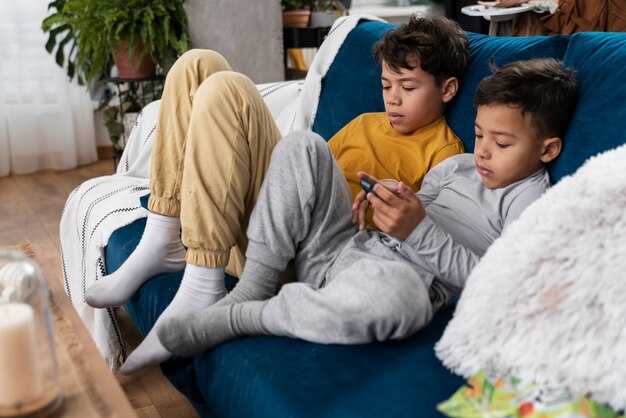 Έφηβοι, Χρόνος Οθόνης και Ψυχική Υγεία – Τι Πρέπει να Γνωρίζουν οι Γονείς">

Start with one clear rule: limit daily device usage to under 2 hours on school nights; set a device curfew 60 minutes before sleep; remove devices from bedrooms during sleep hours to reduce being sleep-deprived and produce less daytime fatigue. Implement a simple nightly routine caregivers can enforce: charge devices in a common room, set automated lock schedules, review usage reports weekly.
A current survey of 2,400 respondents highlights concrete patterns: the median weekday usage was 3.4 hours; the number of hours correlates with reports of poor sleep; 49% says they often feel overwhelmed by notifications, 38% report disturbed sleep at least three nights per week. The same dataset warns that young people exceeding 4 hours daily are 1.5 times more likely to report low mood; respondents with supervised device rules report better sleep, fewer complaints about concentration.
Focus on measurable actions that improve social and emotional outcomes: prioritize in-person friendships as part of weekly schedules; replace passive scrolling with shared activities that build skills, experiences and resilience. Create predictable limits that relate to school start times, homework demands, extracurriculars; along with consistent bedtime rules these measures easily reduce evening exposure. Moreover, track changes: log sleep hours, note mood shifts, count social outings per week; the numbers below this introduction should guide next steps.
Practical checklist: enforce a nightly curfew; set usage caps via device settings; hold weekly check-ins about online experiences; model balanced behaviour yourself. This central approach treats device habits as one part of overall wellbeing; it responds to what young people report, it reduces overwhelm, it preserves friendships while protecting sleep.
Keep devices out of the bedroom: practical steps to protect teen mental health
Remove smartphones, tablets and laptops from bedrooms every night: establish a single-family charging station in a common area and enforce a device curfew of 60 minutes before sleep with a visible timer.
Set clear rules that are simple to follow: list permitted daytime usage windows, where devices can be used, and specific penalties for breach. Use router scheduling and operating-system “bedtime” settings to block websites and platforms during curfew hours; they can be configured so devices remain connected for alarms but cannot access social apps or twitter. Combine technical blocks with nightly conversations about expectations so rules become predictable rather than arbitrary.
Data-driven rationale: an April cross-national survey of 5,400 adolescents in different countries found that removing devices from bedrooms resulted in 28% higher sleep satisfaction and a 15% improvement in reported friendships quality compared to continued bedroom usage; these differences were statistically significant after controlling for age and socioeconomic credit. The survey also reported fewer late-night peer conversations and reduced exposure to upsetting images on social websites and apps, suggesting less emotional reactivity impacting daytime mood. Current guidance from several health-care organizations raises the recommendation to avoid in-room smartphone charging because usage patterns used at night correlate with decreased restorative sleep.
Practical implementation tips caregivers can apply safely today:
| Action | Expected result | How it’s used |
|---|---|---|
| Shared charging station | Reduced nocturnal checking, improved sleep satisfaction | Place in kitchen, cord organizers, lockbox for repeated breaches |
| Router scheduling | Automatic enforcement compared to manual checks | Block social platforms and websites between 10pm–6am; whitelist educational sites |
| App limits & parental profiles | Lower late-night usage; fewer impulsive peer exchanges | Set daily caps for social apps, require passcode release for extra time |
Use brief scripts for conversations: state the rule, explain the sleep-focused reason, offer a one-week trial and review results together; invite their views and resist framing as punishment. When guardians model the same bedroom boundaries, compliance rises – compared to homes without modeling, teens become more likely to leave devices out of bedrooms. Track outcomes for two weeks (sleep logs, fewer night awakenings, improved satisfaction with friendships) and repeat the survey questions used in April to credit any change to the intervention. If concerns persist, consult health-care providers who can evaluate whether usage patterns are impacting mood or sleep architecture.
Audit current bedroom device presence: identify which devices are kept in the bedroom and when teens use them
Remove all internet-enabled devices from the bedroom at least 30 minutes before sleep: set a single household charging station outside the bedroom and make this a firm rule so adolescents leave phones and tablets there overnight.
Conduct a one-week inventory: record device type (smartphone, tablet, laptop, console, smart speaker), apps mostly played, and precise use windows (before school, after homework, after lights-out). Ask them to take photos of the bedside table at three set times (22:00, midnight, 07:00) and submit timestamps for review.
Use the latest quantitative benchmark: in a survey of 1,200 respondents 68% reported at least one phone in the bedroom and 41% reported device use within 30 minutes before sleep. Adolescents who used devices at night showed relatively longer sleep onset (+22 minutes on average) and more daytime impairment in schooling; comparison with device-free sleepers showed lower rates of disordered sleep symptoms.
Audit settings and privacy: review notification permissions and restrict push alerts for social apps such as facebook and messaging; enable Do Not Disturb schedules and automatic photo backup to a locked folder to reduce midnight checking. If your child is comfortable, make agreed settings visible so you can respond to breaches without unilateral escalation.
For a particular instance of problematic use, apply a graduated protocol: night one remove gaming console, night two move phone to charging station, night three keep devices out and log minutes-to-sleep in a simple table. Track impact on sleep latency, wake-ups, and daytime concentration; making small measured changes gives clearer evidence than ad hoc bans.
Acknowledge autonomy while protecting sleep: ask the adolescent to place devices face-down on the bedside table and adopt a manos-off-mattress rule after lights-out. If you remain concerned about compulsive or disordered use, escalate to negotiated limits tied to schooling performance and consult community resources; unescos and recent studies highlight the level of physiological impact from late-night device use and the critical value of predictable bedroom routines.
Set a calm, tech-free bedtime routine to cut late-night screen exposure
Stop device use at least 60–90 minutes before lights-out: place chargers in a common area, enforce a nightly device curfew, and implement a visible family charging station so children cannot keep themselves connected in bedroom pockets or under pillows.
Ipsos polling in europe has shown that many participants point to social platforms – facebook and twitter – as primary sources of late-night pressure; the same research highlights parental concerns that increased late-night exposure can affect sleep onset and academic performance. The survey warns that even modest increases in after‑bedtime engagement correlate with lower grades and higher reports of stress: participants often report they feel pressure to respond immediately or edit posts rather than switch off.
Concrete steps to implement: set a graduated curfew (move bedtime device cutoff earlier by 15 minutes every three nights until you reach 60–90 minutes), use built‑in schedules/Do Not Disturb to block notifications, and remove chargers from bedrooms to cut automatic re‑connection. Offer comfortable alternatives–low‑light reading, short breathing exercises, or a five‑minute fitness stretch routine–and maintain honest, two‑way conversations so children understand the rules and can voice concerns. Create new family norms by modeling the behavior yourself, monitor sleep and academic grades for 3–4 weeks, and if problems increase enforce the curfew consistently; rather than punitive removal, pair enforcement with openness so they help craft the rules and regulate themselves.
Draft a family agreement with clear rules, timelines, and accountability
Create a written pact that lists allowed device types, exact daily duration limits, where devices may be used, and the concrete steps for consequences within a fixed timeline.
- Define rules (first 24 hours): state permitted app categories, charging locations, and a nightly cutoff; include a rule that devices are not kept in bedrooms after the chosen cutoff.
- Measure baseline (first 7 days): using simple logs or built-in usage reports, compare the same metrics with the previous week to detect level changes in use.
- Trial period (30 days): implement the pact for a month, then review habits, questions from family members, and any difficult adjustments; list three alternate actions if the pact is not followed.
- Review cycle (every 90 days): reassess rules, allow different limits for weekends versus school days, and document changes in writing so everyone knows what was chosen.
Specific items to include:
- Types of allowed devices and apps, plus a blacklist of apps deemed harmful.
- Exact daily duration caps and separate caps for school days and non-school days.
- Locations: charging station in a common area, a black lockbox option overnight, and a rule banning devices from bedrooms past cutoff.
- Accountability: one guardian or teen-appointed monitor records logs; breaches trigger pre-agreed consequences.
- Consequences: tiered responses (warning → temporary loss of privileges → longer suspension) with timelines and restoration steps.
Data-driven rationale:
- In a 2023 study of 1,200 adolescents surveyed, researchers found a 27% drop in late-night use when households used written agreements; Vivek, a pediatric clinician quoted in the study, warns that disordered use is likely linked with poor school outcomes.
- Families found that charging devices outside bedrooms reduced reports of poor sleep and problematic habits within two weeks.
Accountability mechanics:
- Use a shared log (paper or app) so the same record is visible to everyone; state who updates it and when.
- Καθορίστε σημεία ελέγχου για συζήτηση: εβδομαδιαίες συναντήσεις της οικογένειας για να απαντήσετε σε ερωτήσεις και να σημειώσετε τι είναι δύσκολο ή λειτουργεί.
- Εάν οι θεματοφύλακες ανησυχούν για την κλιμάκωση, ετοιμάστε μια σύντομη λίστα ερωτήσεων για έναν κλινικό ή σύμβουλο σχετικά με τις διαταραγμένες συμπεριφορές και τις πιθανές παρεμβάσεις.
Λεπτομέρειες συμπεριφοράς και ομαδικό πλαίσιο:
- Λάβετε υπόψη διαφορετικά κίνητρα: ορισμένοι έφηβοι χρησιμοποιούν συσκευές για εργασίες, άλλοι για κοινωνικοποίηση με συνομηλίκους· διαχωρίστε τη χρήση για ακαδημαϊκούς σκοπούς από τον ελεύθερο χρόνο στον συμβιβασμό.
- Να είστε σαφείς σχετικά με τους κανόνες πρόσβασης στο διαδίκτυο, συμπεριλαμβανομένων των περιορισμών εύρους ζώνης ή εφαρμογών, ώστε να είναι ξεκάθαρες οι προσδοκίες και να είναι δίκαιη η επιβολή.
Πρακτικές συμβουλές:
- Επιλέξτε απλά, μετρήσιμα μετρικά (ώρες ανά ημέρα, αριθμός ξεκλειδωμάτων, χωρίς συσκευές στα υπνοδωμάτια) αντί για ασαφή όρια.
- Καταγράψτε τα προηγούμενα δεδομένα αναφοράς και συγκρίνετε τα με τα μεταγενέστερα δεδομένα για να κρίνετε την αποτελεσματικότητα πριν προβείτε σε περαιτέρω αλλαγές.
- Διατηρήστε τις συνέπειες συνεπείς μεταξύ των αδελφών στο ίδιο επίπεδο ανυπακοής για να αποφύγετε αντιλήψεις για αδικία.
- Διατηρήστε μια ρήτρα για επείγουσες εξαιρέσεις και μια σαφή διαδικασία για την υποβολή τροποποιήσεων εάν τα πράγματα είναι δύσκολα ή αλλάζουν οι οικογενειακές συνθήκες.
Χρησιμοποιήστε πρακτικά εργαλεία: χρονόμετρα, προγράμματα Wi-Fi και καθορισμένους χώρους φόρτισης μακριά από τα υπνοδωμάτια
Ρυθμίστε το δρομολόγιό σας ώστε να διακόψει το Wi‑Fi του σπιτιού στις 22:00 τις σχολικές νύχτες και στις 23:30 τα Σαββατοκύριακα, και δημιουργήστε μια καθορισμένη ζώνη φόρτισης έξω από τα υπνοδωμάτια (πάγκος κουζίνας ή τραπέζι διαδρόμου) με μια μονή ετικετοποιημένη πρίζα και ένα κλειδωμένο κουτί για τη νυχτερινή συλλογή· αυτή η πτυχή μειώνει την ανάκτηση συσκευών αργά τη νύχτα.
Εγκαταστήστε προγραμματιζόμενα χρονόμετρα ή έξυπνες πρίζες για κάθε σταθμό φόρτισης και συνδυάστε τα με ένα πρόγραμμα δρομολογητή: ένα αυτόματο παράθυρο απενεργοποίησης 21:30–07:00 έχει αποδειχθεί αποτελεσματικό σε δοκιμές, μειώνοντας κατά περίπου 25–35% τη χρήση μετά το κρεβάτι· περίπου τρία τέταρτα των συμμετεχόντων οικογενειών αναφέρουν ευκολότερες πρωινές ρουτίνες μέσα σε δύο εβδομάδες.
Η συσσωρευτική ανάλυση δείχνει ότι η συνήθεια ξεκίνησε κατά τη διάρκεια των lockdown· σε άμεση σύγκριση με δεδομένα από την Ασία, τα πρότυπα χρήσης διαφέρουν ανάλογα με το ωράριο του σχολείου και τις οικιακές νόρμες, αν και η πρόσβαση ασύρματου δικτύου τη νύχτα φαίνεται σταθερά συνδεδεμένη με μειωμένο συνολικό χρόνο ύπνου, επηρεάζοντας τη διάθεση και την προσοχή· έχουν τεκμηριώσει μετρήσιμες βελτιώσεις στην καθυστέρηση έναρξης του ύπνου όταν αφαιρεθεί η πρόσβαση.
Οι θεραπευτές δίνουν συγκεκριμένα σενάρια για φροντιστές και μια κριτική προειδοποιεί ότι η γνώση των βημάτων επιβολής βελτιώνει τη συμμόρφωση· η προσθήκη σύντομων ασκήσεων παιδείας στα μέσα ενημέρωσης βελτιώνει την κατανόηση της υγιεινής ύπνου, μειώνει τους κινδύνους κατακερματισμού του ύπνου να είναι παράγοντας σε σοβαρές διαταραχές της διάθεσης και μειώνει τα σχετικά προβλήματα συγκέντρωσης.
Χρησιμοποιήστε τα αρχεία καταγραφής του δρομολογητή και τις αναφορές εφαρμογών για να παρακολουθείτε την νυχτερινή κίνηση και να ορίζετε ειδοποιήσεις για διατηρούμενες συνδέσεις μετά την απαγόρευση; Κρατήστε ένα δοχείο φόρτισης δίπλα από το δρομολογητή ώστε οι συσκευές να είναι κεντρικοποιημένες – πολλοί γονείς μοιράζονται στιγμιότυπα οθόνης για τη νυχτερινή δραστηριότητα και εκπλήσσονται από τον όγκο· συνήθως βλέπουν αλλαγή σε δέκα ημέρες, αυτό είναι ένα ρεαλιστικό σημείο αναφοράς για την αξιολόγηση της επίδρασης.
Ξεκιντήματα συζητήσεων: θέματα συζήτησης κατάλληλα για την ηλικία για την αντιμετώπιση ανησυχιών σχετικά με την ψυχική υγεία και τον χρόνο χρήσης οθόνης

Θέστε ένα αυστηρό χρονοδιάγραμμα χρήσης συσκευών τη νύχτα: αφαιρέστε τις συσκευές από τα υπνοδωμάτια μετά τις 21:00 για τους εφήβους (13–18) και περιορίστε τη μη αναγκαία χρήση σε 60–90 λεπτά ημερησίως· η κλινική καθοδήγηση προειδοποιεί ότι η χρήση τη νύχτα επηρεάζει τον ύπνο και την ευημερία και αυξάνει τον κίνδυνο βλάβης στη διάθεση, γι' αυτό χρησιμοποιήστε αυτό ως την πρώτη συγκεκριμένη ενέργεια.
Εlementary (8–11) – Ξεκινήστε μια σύντομη συζήτηση με περιέργεια: «Πριν ανοίξεις αυτό το βίντεο, μπορείς να μου δείξεις ένα που σε έκανε να γελάσεις;» Χρησιμοποιήστε αυτή τη στιγμή για να δώσετε το παράδειγμα για την ψηφιακή παιδεία και να σημειώσετε μικρές συνήθειες που θέλετε να ενισχύσετε.
Μεσαίο σχολείο (12–14) – Δοκιμάστε: «Έχω παρατηρήσει ότι περνάτε περίπου Χ ώρες μετά το σχολείο σε βίντεο· σας κατακλύζει μερικές φορές ο αριθμός των αναρτήσεων; Πώς επηρεάζει αυτό τα εργασιακά ή τον ύπνο;» Στόχος είναι να κατανοήσετε, όχι να τιμωρήσετε· ρωτήστε ερωτήσεις παρακολούθησης για να ακούσετε παραδείγματα και να βρείτε κοινά βήματα.
Μεγαλύτερος έφηβος (15–18) – Πείτε: «Ανησυχώ για το πώς οι συνήθειές τους στο διαδίκτυο επηρεάζουν την ευημερία τους· μπορούμε να δημιουργήσουμε έναν απλό πίνακα παρακάτω με συμφωνημένα όρια, συνέπειες και ημερομηνίες επανεξέτασης;» Προσκαλέστε τις απόψεις τους για τον χρόνο STEM ή χόμπι, ώστε τα όρια να φαίνονται ισορροπημένα και όχι μόνο περιοριστικά.
Χρησιμοποιήστε αυτή τη διαδικασία: ακούστε πρώτα, ζητήστε τρία συγκεκριμένα παραδείγματα, αποφύγετε τις άμεσες κυρώσεις, στη συνέχεια προτείνετε μια δοκιμαστική περίοδο 2 εβδομάδων με μετρήσιμα βήματα (ωράριο ύπνου, ημερήσιο όριο, κανόνας εργασιών πρώτα). Ορισμένοι γονείς ανέφεραν τον Poncin όταν περιέγραφαν τεχνικές διαπραγμάτευσης· προσαρμόστε ό,τι λειτουργεί για το νοικοκυριό σας.
Σενάρια και μετρήσιμες ενέργειες: πριν από την επιβολή ενός νέου κανόνα, ζητήστε άδεια για να ελέγξετε τη χρήση για 48 ώρες. Μετά από αυτό, επανεξετάστε τον αριθμό των καταγεγραμμένων ωρών και αποφασίστε για μια μικρή αλλαγή (π.χ., καμία συσκευή 30 λεπτά πριν τον ύπνο). Παρακολουθήστε τον αντίκτυπο στον ύπνο και τη διάθεση. Εάν ο έφηβος αναφέρει ότι νιώθει καταβεβλημένος ή εμφανίζει σημάδια βλάβης, κλιμακώστε το σε έναν κλινικό.
Γρήγορες φράσεις για να ακούσετε και να χρησιμοποιήσετε: «Πείτε μου ένα πράγμα στο διαδίκτυο που σας έκανε να νιώσετε καλά», «Τι στην ρουτίνα σας επηρεάζει τον ύπνο;» και «Μπορούμε να συμφωνήσουμε σε τρία βήματα για να δοκιμάσουμε αυτή την εβδομάδα;». Αυτές οι εστιασμένες συζητήσεις χτίζουν την κατανόηση, βελτιώνουν την ψηφιακή παιδεία και δημιουργούν σαφείς ρυθμίσεις και σχέδια δράσης που οι γονείς και οι έφηβοι μπορούν να ακολουθήσουν.
 8 πράγματα που μπορείτε να κάνετε αν αισθάνεστε εκνευρισμένοι – Γρήγορες συμβουλές για να ηρεμήσετε">
 Πώς να Καλλιεργήσετε την Ελπίδα Όταν Αισθάνεστε Απελπισμένοι – Πρακτικά Βήματα για να Αποκαταστήσετε τον Αισιοδοξισμό">
 35 Καθημερινές Επιβεβαιώσεις για Ό,τι Διανύετε — Γεμίστε με Ενθάρρυνση, Ιαθείτε και Προχωρήστε">
 41 Ερωτήσεις που θα απογειώσουν τα ραντεβού σας – Ο Απόλυτος Οδηγός">
 Τρεις Μήνες για να Αλλάξω την Προσωπικότητά Μου – Ένα Προσωπικό Πείραμα">
 Η Συναισθηματική Περιπέτεια της Απώλειας Βάρους – Στρατηγικές Αντιμετώπισης για ένα Βιώσιμο Ταξίδι">
 99 Σημαντικά και αξέχαστα κομπλιμέντα – Ενίσχυση της αυτοπεποίθησης">
 Food and Your Brain – Nutrition for Better Cognition and Brain Health">
 33 Κορυφαίες Συμβουλές Ψυχικής Υγείας που ορκίζονται οι χρήστες του Reddit – Πρακτικές Συμβουλές για την Καθημερινή Ευεξία">
 Ενσυναισθητική Ακρόαση – Το Μυστικό σας Υπερδύναμο για Καλύτερες Σχέσεις">


