

 Greek
Greek  English
  Russian
  French
  German
  Italian
  Spanish
  Polish
  Ukrainian
  Turkish
  Portuguese
  Arabic
  Korean
  Chinese
  Japanese
  Czech
Czech  Loneliness & Social Isolation – Effects on Physical and Mental Health">

Implement routine screening for loneliness and social isolation at every primary-care and long-term care touchpoint using a validated 2–3 item measure, then link positive screens immediately to evidence-based supports: brief group CBT, peer navigation, transportation assistance, and social prescribing into community programs.
Meta-analyses report roughly a 25–30% higher risk of early mortality associated with social isolation or persistent loneliness, and cohort studies document increased incidence of coronary events, stroke, chronic inflammation markers, sleep disruption and depressive disorders. Cross-sectional and longitudinal data also show elevated rates of suicidal ideation and suicide attempts among isolated individuals, so prioritize rapid assessment of safety and referrals when self-harm risk appears.
Operationalize interventions through the health system: embed screening in electronic records, train clinicians and residents to ask sensitively and avoidance behaviours that deepen isolation, create direct referral pathways to local services, and measure uptake. Do not ignore mild social withdrawal; small actions–regular follow-up calls, volunteer befriending, mobility support–reduce short-term symptoms and stabilize social networks over months.
Design programs with measurable targets and transparent evaluation: track reductions in high-loneliness prevalence, improvements on validated scales, decreases in emergency visits, and quality-of-life gains. Acknowledge limitations such as workforce capacity and funding, but pursue scalable, universal options–community hubs, subsidized transport, and telephonic outreach–to reach those with limited mobility or resources. Embed continuous improvement loops so society-level investments translate into better health metrics and more secure lives.
Clinicians and policy makers should pair clinical actions with community partnerships, share de-identified outcome data, and prioritize interventions that reduce adverse physiological and psychological effects through sustained social connection; these steps protect life, preserve functioning, and restore meaningful participation for people across age groups.
Screening and Measuring Social Disconnection in Adults
Screen adults in primary care and behavioral-health settings at intake and annually using a two-step protocol: a single-item screen for recent loneliness followed by a validated scale when the single item is positive; act on scores with referrals and concrete supports within 2 weeks.
Use this recommended sequence: 1) Ask a single-item screen such as “How often do you feel lonely?” (responses: never/sometimes/often). 2) If response is “sometimes” or “often,” administer the 3‑item UCLA Loneliness Scale (UCLA‑3) and the Lubben Social Network Scale (LSNS‑6) to distinguish loneliness from social isolation. 3) Add PHQ‑9 and GAD‑7 to assess comorbid depression and anxiety and a brief safety screen for suicidal ideation. Screen again at care transitions, bereavement, retirement or when adults become caregivers.
| Tool | Items / Time | Typical cutoff | Συνιστώμενη ενέργεια |
|---|---|---|---|
| Single‑item loneliness | 1 question / ~30s | “Sometimes” or “Often” triggers follow-up | Administer UCLA‑3 & LSNS‑6 same visit |
| UCLA‑3 Loneliness Scale | 3 items / ~2 min | Score range 3–9; ≥6 indicates elevated loneliness | Brief counseling, social prescriptions, monitor at 4–12 weeks |
| LSNS‑6 (Social networks) | 6 items / ~3–5 min | Score 0–30; <12 indicates social isolation | Refer to community programs, peer networks, case management |
| PROMIS Social Isolation (short form) | 4–8 items / 3–5 min | T‑score >60 suggests elevated isolation | Behavioral referral, follow‑up assessment |
| PHQ‑9 / GAD‑7 | 9 / 7 items / 3–5 min | PHQ‑9 ≥10 and any suicidal item positive require urgent follow‑up | Psychologist/psychiatry referral, safety plan |
Prioritize screening in American populations where risk factors cluster: older adults living alone, recent widows/widowers, adults with chronic illness, caregivers, and those experiencing job loss or housing instability. Screening finds problems early; research shows social isolation and loneliness confer a nearly 30% heightened mortality risk and correlate with higher rates of hospital readmission and mental‑health visits, and in some cohorts a measurable increase in risk of premature death.
Interpret scores in context: LSNS‑6 identifies diminished networks while UCLA‑3 captures perceived solitude; both matter because adults can have objective networks yet still report solitude. Ask about eating patterns, sleep, substance use, and functional involvement–changes in these areas often accompany growing social disconnection. Encourage patients to describe how they connect or withdraw themselves and note times when they feel most isolated.
When screens are positive, use stepped actions: brief behavioral counseling in primary care (15–30 minutes), targeted referral to a psychologist or social worker, community linking (peer class, volunteer programs, adult education or school-based community classes), medication review if depression or anxiety is present, and safety planning for those with suicidal thoughts. Track outcomes at 4–12 weeks using the same scales to measure response and adjust interventions if scores remain elevated.
Document social network size, recent losses, and acts of connecting (frequency of calls/visits, engagement in groups). For program evaluation, report baseline prevalence, % with follow‑up within 12 weeks, and % with clinically meaningful score reduction (UCLA‑3 decrease ≥1 point or LSNS‑6 increase ≥3 points). These metrics help clinicians and systems build healthier service delivery and show whether interventions reduce risk and isolation.
Which brief screening questions detect clinically relevant loneliness?

Screen with a single direct item and follow positives with the 3‑item UCLA: if the single question yields “often” or “some of the time,” or the UCLA‑3 score is ≥6, treat this as clinically relevant loneliness and arrange follow-up within four weeks.
Use these brief items in a short survey: single-item – “How often do you feel lonely?” (never / some of the time / often); UCLA‑3 – “How often do you feel that you lack companionship?”, “How often do you feel left out?”, “How often do you feel isolated from others?” Ask another clarifying question about recent social changes (e.g., bereavement, moves) to capture context.
Epidemiol evidence show that loneliness predicts long-term health outcomes and acts alongside other predictors such as low social engagement, chronic illness, and demographic risk (older adults, single/divorced). Several studies suggest loneliness increases coronary risk and mortality; screening identifies the potential for intervening before a condition disrupts daily function.
Interpretation: a positive screen suggests referral options – brief behavioral interventions, community connecting programs, or a psychologist for structured therapy. Despite clinic time limits, a single-item screen is often enough to flag cases that need assessment. Document where in the chart you recorded results and set a follow-up plan.
Implementation tips: screen adults at annual exams, hospital discharge, or when social supports change; integrate the items into intake forms or electronic surveys; prioritize patients with heightened symptoms (sleep loss, appetite change, persistent feeling of isolation). A clinician says this approach provides a great, practical balance between simplicity and clinical usefulness.
How to use the UCLA Loneliness Scale and shorter alternatives in busy clinics
Screen all adult patients with the 3‑item UCLA at intake; if the 3‑item score is ≥6, administer the 20‑item UCLA (or a validated 10‑item short form) and schedule a documented follow-up within 2 weeks.
Use the 3‑item for routine triage because it takes under 60 seconds and fits registration kiosks, tablets, or verbal nursing checks. Place the same three questions on paper or electronic intake so answers auto-populate the EHR flowsheet and trigger a single-click order set. For clinic environments with high throughput, train medical assistants to deliver the 3‑item, while reserving clinician time for positive screens.
Score and interpret clearly: the 3‑item score ranges 3–9; many clinic protocols flag ≥6. The 20‑item version (range 20–80) gives granularity for treatment planning; flag scores in the clinic’s top quartile or pre-set local cutoff for referral. Use these thresholds to decide stepped care–brief behavioral activation and community supports for mild-to-moderate scores, psychol evaluation for comorbid mood or anxiety disorders, and urgent mental-health referral for suicidal ideation.
Document concrete next steps in the chart: for flagged patients list at least one social support referral, one behavioral intervention, and a follow-up appointment. Offer evidence-based options that help get persons socially connected: group programs, peer support, transportation assistance for older adults, school- or campus-based supports for young persons, and vetted digital connecting tools for those comfortable online. Present these options in a one-page resource sheet so staff and patients learn available choices quickly.
Link screening to measurable outcomes: collect screening statistics monthly, track referral uptake, and measure change on repeated UCLA scores at 3 and 6 months. Commission a short audit every 6 months to check fidelity and to strengthen referral pathways where uptake is low. Use peer-reviewed implementation guides or a clinic training book for scripts and role-plays.
Address comorbidity and mechanisms: loneliness increases risk for mood disorders and shows effects on the brain and cardiovascular markers in population studies; integrate loneliness screening with depression and substance‑use screening to capture overlap. When patients report a strong feeling of chronic isolation or show functional decline, prioritize multidisciplinary case review and social-work involvement.
Adapt for equity and culture: use validated translations, allow anonymous self-report for sensitive settings, and ensure staff apply the same scoring rules across languages and environments. Include young and older age groups in protocols and record age-stratified outcomes so the clinic learns which interventions help which persons.
Keep interventions practical: create an internal referral directory that lists community supports, volunteer programs, and evidence‑reviewed psychosocial interventions that strengthen social ties. Monitor change in UCLA scores and patient-reported outcomes; use those data to refine which local supports produce more sustained reductions in loneliness and better health statistics for the population served.
Interpreting scores: thresholds that prompt further assessment or referral
Refer any individual who scores LSNS-6 ≤ 12, PHQ‑9 ≥ 10, GAD‑7 ≥ 10, De Jong Gierveld ≥ 3, or UCLA‑3 ≥ 6 for clinical review or referral. If PHQ‑9 item 9 > 0 (suicidal thoughts), initiate an immediate safety assessment and follow local emergency protocols or mental health crisis teams.
Use these numeric triggers to guide action: LSNS‑6 ≤ 12 indicates social isolation risk and a need for social support referral; PHQ‑9 10–14 = moderate depression (schedule mental health assessment within 1–2 weeks), 15–19 = moderately severe (refer within 48–72 hours), ≥20 = severe (expedite referral). GAD‑7 ≥ 10 warrants anxiety-focused evaluation. De Jong Gierveld scores 3–4 suggest moderate loneliness; 5–6 indicate severe loneliness with higher priority for intervention. A single‑item “often/always” response should prompt the same review as these cutoffs.
When thresholds trigger action, complete three steps: (1) assess safety and suicidal intent, (2) assess practical needs (housing, income, class-related barriers), (3) create a targeted plan linking individuals to mental health care, community groups, social prescribing, or case management. Document actual risk factors (poor sleep, functional decline, recent losses) and include collateral sources such as family or primary care records.
Match intervention intensity to score severity and risk trajectory: mild elevations → monitor and offer brief psychosocial support or internet-based CBT modules; moderate → schedule outpatient psychotherapy/psychiatry and connect to community groups; severe or suicidal → urgent referral and possible inpatient care. Use electronics and internet tools for interim contact, but do not substitute them for face-to-face assessment when safety concerns exist.
Set review intervals tied to score: PHQ‑9/GAD‑7 moderate – repeat in 2 weeks; severe – repeat daily until stable; loneliness measures – repeat in 4–8 weeks after linkage to services. Track outcomes using the same instruments to detect improvement or a worsening cycle of isolation and psychological distress.
Control for confounders in interpretation: adjust for chronic illness, cognitive impairment, bereavement, socioeconomic class, and cultural differences that alter how individuals report loneliness. Be conscious of media effects: recent news or internet exposure can acutely raise scores; query those sources during assessment.
Use objective benchmarks from science and clinical articles: meta-analyses link social isolation with ~20–30% increased mortality risk and measurable effect sizes; use cohen’s d (d≈0.2 small, 0.5 medium, 0.8 large) to interpret change scores when evaluating interventions. Call local public health or social care policy contacts when patterns emerge across groups or clinics to address system-level causes.
Provide clear, written safety plans and referral lists so individuals can access help themselves; include crisis hotlines, community groups, primary care contacts, and validated online resources. Emphasize actionable next steps for clinicians and for people whose scores indicate a profound need rather than leaving them to think they must manage alone.
Red flags in assessment indicating acute risk (suicidality, severe isolation, self-neglect)

Act immediately if an individual reports a specific plan, intent, preparatory acts, or shows severe self-neglect that prevents meeting basic needs; any direct answer indicating intent or recent preparatory behavior requires same-day emergency evaluation and removal of lethal means.
Document observable red flags: abrupt withdrawal from social connections, marked reduction in spending on personal care, loss of interests, stopped attending work or school, and a young person who shows sudden change in mood or routine. Note several physiological signs–rapid weight loss, dehydration, disrupted sleep, psychomotor slowing–that accompany behavioral symptoms and raise risk because they reflect impaired self-care.
Use structured measures alongside clinical judgment: treat any affirmative response on PHQ‑9 item 9 or positive C‑SSRS items about intent/plan as high risk. Recently published Missouri guidelines and Eaton et al. (July) recommend that positive answers or recent attempts prompt immediate safety steps, same‑day psychiatric assessment, and consideration of involuntary hold when the person cannot care for self or acts on a plan.
Take these concrete steps: stay with the person or ensure continuous supervision, ask direct questions about timing and lethality, remove or secure firearms and toxic substances, notify a trusted household member or support network, and place a 24‑hour check for suicidal ideation. The contents of a written safety plan help when created collaboratively and include warning signs, coping strategies, crisis contacts, and steps to make the environment safer.
Coordinate care without delay: your clinical team should arrange same‑day crisis referral, document level of risk and time of interventions, and assign a team member for daily check‑ins until stable. Prioritize rapid linkage to therapy, medication review, and social supports because connecting to others and developing daily routines reduces acute danger and addresses underlying brain stress responses implicated in suicidal behavior.
Follow up within 24–72 hours and set concrete timeframes for next contacts: schedule therapy within one week when possible, monitor physiological symptoms for improvement, and reassess risk after any change in treatment, medication, or household status. Clear communication with caregivers and community resources increases safety and helps restore protective connections that prevent relapse into severe isolation or self‑neglect.
Biological Mechanisms Linking Loneliness to Physical Illness
Screen for loneliness in routine care: ask individuals directly to talk about their social ties during medical appointments, document chronic social disconnection, and if loneliness persists, check blood pressure, fasting glucose and lipids and consider inflammatory markers (CRP, IL-6) or referral to behavioral specialists; your quick screening can change risk trajectories.
Perceived social isolation activates the hypothalamic–pituitary–adrenal (HPA) axis and sympathetic nervous system, producing sustained cortisol elevation and catecholamine surges that promote systemic inflammation and endothelial dysfunction. Meta-analyses in the behavioral sciences report roughly a 20–30% higher risk of premature mortality associated with loneliness and social isolation and consistent links to increased incidence of coronary events, demonstrating measurable adverse physiological effects.
Loneliness alters sleep architecture and immune responses: lonely adults exhibit poorer sleep efficiency and greater sleep fragmentation, which correlate with higher CRP and IL-6 and impaired glucose regulation. These changes raise short-term cardiometabolic strain and, over years, help develop hypertension and atherogenesis that escalate coronary risk.
At the neural level, social disconnection heightens threat-processing circuits (anterior insula, dorsal anterior cingulate), biasing perception toward negative social cues and intensifying feelings of threat. That bias sustains HPA activation and contributes to mood and anxiety disorders; inflammation then feeds back to alter neurotransmitter systems, worsening depressive symptoms and cognitive problems.
Early-life environments matter: insecure attachment and low parental responsiveness teach the developing HPA system to expect threat, so parents who fail to buffer stress can increase vulnerability to adult health disorders. Longitudinal cohorts show that early social adversity correlates with markers of accelerated cellular aging and stronger inflammatory profiles decades later.
Practical, evidence-based responses: cognitive behavioral interventions that target maladaptive social cognition reduce loneliness in randomized trials; group-based skill training and structured community programs at a local center improve sustained social integration; social prescribing and problem-focused therapy address practical barriers. Use a CBT workbook or brief manuals to help patients practice new social behaviors, and encourage exercise and sleep hygiene to lower inflammation.
If you feel chronically disconnected, talk to your primary clinician or a behavioral specialist, describe your feelings and social problems candidly, and ask for specific referrals; half-measures (passive online scrolling, superficial contacts) rarely restore meaningful ties. Understand the biology so you and your care team can address both psychological needs and medical risk factors–treat the relationship patterns as part of overall health and protect yourself from adverse long-term outcomes.
How chronic loneliness alters stress hormone (HPA) signaling and systemic inflammation
Start screening patients who report persistent loneliness by measuring diurnal salivary cortisol (morning, midday, evening) and inflammatory markers (CRP, IL-6); prioritize adults with anxiety, sleep problems, declining academic or work performance, or high social risk because early detection guides targeted treatment.
Chronic loneliness changes HPA signaling in predictable ways. Repeated social threat perception increases basal cortisol secretion and often flattens the diurnal slope: studies report 15–30% higher evening cortisol and reduced morning peak amplitude among high-loneliness groups. Immune cells exposed to prolonged cortisol signals develop reduced glucocorticoid sensitivity, which allows nuclear factor‑kappa B (NF‑κB) activation and a sustained rise in pro‑inflammatory cytokines (typical cohort differences: IL‑6 and CRP increases in the 20–40% range). These shifts explain why loneliness links to higher systemic inflammation and higher all‑cause mortality in meta-analyses (roughly a 20–30% increased mortality risk reported across samples).
- Mechanistic chain: perceived social threat → sustained HPA activation → altered cortisol rhythm → glucocorticoid resistance → increased NF‑κB signaling → elevated IL‑6/CRP → tissue damage and disease progression.
- Physiological signals to monitor: flattened cortisol slope, elevated evening cortisol, CRP >3 mg/L, IL‑6 above lab reference; concurrent sympathetic markers (heart rate variability reduction) strengthen the case for biologic impact.
Clinical and psychosocial predictors help prioritize care. Social predictors include living alone, frequent social conflict, recent bereavement or estrangement from family, and limited community engagement. Behavioral predictors include sleep fragmentation, progressive anxiety, and declining academic or occupational performance. Do not ignore complaints of persistent loneliness: symptoms do not necessarily resolve without intervention and the costs include higher inflammation, faster functional decline, and increased mortality.
- Immediate actions clinicians can take:
- Document loneliness severity (validated scales) and link to objective tests (salivary cortisol series, CRP, IL‑6).
- Offer a psyd referral or behavioral medicine consult for brief CBT focused on social cognition and anxiety reduction; randomized trials show symptom reduction and partial normalization of HPA metrics after 8–12 weeks.
- Prescribe lifestyle measures with measurable targets: 150 minutes/week moderate exercise, sleep consolidation (sleep efficiency >85%), and structured social contact (weekly group sessions for ≥8 weeks).
- Follow-up and escalation:
- Recheck biomarkers at 3 months; expect at least a 10–20% reduction in CRP/IL‑6 with combined behavioral and physical interventions in responsive patients.
- If inflammation and cortisol dysregulation persist, evaluate for metabolic or autoimmune comorbidity and consider multidisciplinary case review (primary care, psyd, cardiology or rheumatology as needed).
Translate findings to conversations: explain that loneliness activates the body’s stress systems and raises inflammation, which can increase long‑term health risks. Use concrete goals (increase weekly social contact, reduce nightly wake time, attend one community session) and review progress at visits. Sullivan‑style distinctions between subjective loneliness and objective isolation help tailor interventions: subjective loneliness often responds to cognitive and skills work, while objective isolation benefits from social prescribing and community linkages.
Public health and academic programs should treat loneliness as a modifiable predictor of poorer health. American guidelines that reference psychosocial risk support integrating screening into routine care because the potential gains–healthier cortisol rhythms, lower inflammation, better psychological well‑being, reduced costs related to chronic disease–translate to measurable reductions in morbidity and mortality.
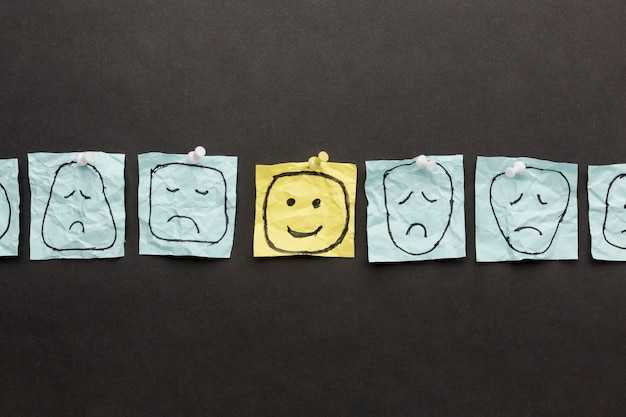 The 6 Basic Emotions – How They Influence Human Behavior">
 Relationship Paranoia – What It Is, Signs & How to Cope Effectively">
 Healthdirect — Free Australian Health Advice You Can Trust">
 How to Navigate Your Own Privilege – Practical Steps to Awareness & Responsible Allyship">
 5 Signs You’re a Perfectionist — How to Find Balance">
 Avoidant Attachment Triggers – Causes, Signs & Healthy Self-Regulation Tips">
 Polyamory vs Polygamy – What’s the Difference?">
 Emotional Exhaustion – How to Recover & Refuel When Drained">
 Tired After Work? Real Reasons & How to Fix It">
 How to Say No to People – Assertive Phrases & Tips">


