

 Greek
Greek  English
  Russian
  French
  German
  Italian
  Spanish
  Polish
  Ukrainian
  Turkish
  Portuguese
  Arabic
  Korean
  Chinese
  Japanese
  Czech
Czech  Abandonment Issues – Signs, Causes, and How to Heal – A Practical Guide">

Use a simple log: date, trigger, immediate reaction, avoidance behavior, object of fear, intensity score. Track frequency over 6 weeks; reduce high-intensity events by 30% as the first goal. This routine allows accurate measurement of progress, highlights patterns that describe how distress manifests through specific cues, plus creates a baseline for therapy decisions.
When behavior manifests as clingy contact, abrupt withdrawal, or hostile distancing, check for an underlying history such as neglect, caregiver abuse, repeated rejection. Document impact on sleep, appetite, work performance; use weekly self-reports to quantify changes in health. For those with prior trauma, recommend immediate referral to a trauma-informed clinician; talk with a licensed therapist at least once weekly, with crisis contacts in place.
Adopt targeted techniques: breathing 4-4-8 for three minutes, five-item gratitude journals three times weekly, graded exposure through short social tasks twice per week, cognitive restructuring using a 3-column thought record after each trigger. Combine psychotherapy with adjunct options when suitable: animal-assisted sessions monthly, peer support groups biweekly. Building secure routines strengthens emotion regulation, reduces avoidance responses, improves relational trust.
Choose a practical style for communication: set clear check-in times, use factual statements about needs, avoid accusatory language. Specific tasks: list three boundary statements, rehearse them aloud, role-play with a coach twice per month. These techniques allow measurable gains; reassess metrics at week 6, adjust the goal if progress stalls, document any ongoing abuse reports to appropriate authorities without delay.
Abandonment Issues: Signs, Causes, and How to Heal in Traumatic Relationships – A Practical Guide

Begin with a specific exposure plan: schedule 5–10 minute predictable separations, use a visible timer, practice breath regulation before reconnection, record responses in a daily log to track progress toward greater tolerance.
Assess interpersonal aspects rooted in early caregiver loss, inconsistent parent responses, trauma stemming from abrupt separation; common presentations include hypervigilance, withdrawal, cling behaviour, social avoidance, mood swings related to perceived loss.
Use short, direct screening questions for clinicians: “Which relationships have been most reliable?”, “Does stress trigger push-pull patterns?”, “Have there been abrupt departures that changed sense of belonging?”; use answers for guiding treatment priorities.
Teach specific regulation tools: 4-4-6 breathing, progressive muscle release, grounding five-senses checklist, self-talk scripts that affirm love and safety, safe-word agreements to prevent sudden withdrawal, exposure tasks graduated by duration.
Prioritise social reconnection work: build small-group sessions that increase feelings of belonging, create peer-support circles supporting recovery, link clients to affordable community resources; London community clinics often offer sliding-scale group work suitable for regular practice.
Choose therapists with features including trauma training, attachment-focused methods, capacity to work directly with families, parent coaching skills; clinical goal should be rebuilding trust, establishing healthy boundaries, strengthening present relationships.
Create a relapse-prevention plan: map most likely triggers, schedule regular booster sessions, identify those contacts providing immediate support, prepare coping scripts for incoming stress, label reminders of past loss so responses become predictable rather than reactive.
Measure progress with concrete metrics: weekly symptom ratings, frequency of avoidant episodes, number of successful separations without panic, percent increase in positive social connections; include partners in recovery tasks when safe.
| Technique | Συχνότητα | Cost | Primary purpose |
|---|---|---|---|
| Brief separations with timer | Ημερησίως | affordable | Build tolerance, reduce urge to run away |
| Breath regulation practice | 3x daily, as needed | δωρεάν | Immediate stress reduction, improved emotional regulation |
| Support contract with partner or parent | Establish once, review weekly | δωρεάν | Clarify expectations, support healthier responses |
| Peer support group | Εβδομαδιαία | sliding-scale, affordable | Increase belonging, strengthen social connections |
Track outcomes directly, use regular measurements to adjust pace, involve those closest where safe, note that recovery timelines have been very variable, however steady practice among supports consistently predicts stronger long-term related functioning.
Identify Concrete Signs of Abandonment in Daily Life
Action: Keep a 14-day contact log – record who initiates messages or calls, response delays, cancellations and who ends meet-ups. If cancellations occur more than three times per week or one person avoids initiating contact for most days, treat that pattern as a measurable mark requiring review.
Track bodily reactions: note episodes of racing heart, shallow breathing, nausea or dissociation when someone prepares to leave a room or ends a conversation. If these reactions occur three or more times weekly and interfere with sleep or work, consider seeking professional input; medically relevant symptoms should prompt contacting healthline or a clinician.
Document behavioural changes: repeated checking of a partner’s phone, inspecting exits, or altering your environment to prevent departures are concrete actions that affect interpersonal trust. Such control attempts are challenging to reverse alone; record frequency and triggers to guide intervention.
Observe relational cycles: patterns where a partner threatens to leave, repeatedly withdraws, or alternates closeness and distance create a predictable cycle that marks relational instability. Both people’s responses matter – these dynamics are known to affect decision-making, attachment and daily functioning.
Monitor cognitive shifts and development of beliefs: statements like “I will be left” or “I don’t deserve steady care” are thoughts that change behaviour. Processing those thoughts effectively depends on targeted therapy or structured support; finding a therapist who tracks progress and therapy goals helps quantify change across aspects of life.
Concrete coping steps: pause and use a 10-minute breathing routine to become calmer before reacting; assert your rights to set boundaries and limit contact when necessary; state needs clearly to your partner or support person; keep a brief weekly log of incidents that disrupt your lives. Anyone noticing repeated patterns should also involve trusted friends, clinicians or crisis resources as part of the process of restoring stability and kindness toward oneself and others.
Map Out Root Causes: Childhood Context, Trauma, and Attachment
Use a structured timeline interview during first assessment; document caregiver presence, separations, hospitalizations, foster placements, moves; allocate 45–75 minutes to collect dates, durations, triggers, observable behaviors.
Score predictability, responsiveness, safety on a 0–3 grid for each developmental period; higher scores indicate more stability, lower scores point to leading risk factors for relational hypervigilance or withdrawal.
Apply standardized instruments: Adult Attachment Interview (AAI) for narrative coherence; Experiences in Close Relationships (ECR) for anxiety/avoidance dimensions; Strange Situation Protocol for infants to classify secure, avoidant, resistant, disorganized patterns.
Screen for trauma exposure using ACEs checklist (0–10); document type, frequency, perpetrator relationship; note that a score ≥4 requires expedited referral to trauma-focused services within available community network.
Map current environment variables: housing stability, caregiver substance use, criminal justice involvement, social isolation; create a visual support network to identify gaps in connections that make help inaccessible.
Assess present-day behaviors: clingy attachment behaviors; excessive reassurance-seeking; avoidance of closeness; repeated relationship ruptures; note physiological signs such as hyperarousal, hypoarousal, sleep disturbance.
When clients report experiencing flashbacks, dissociation, chronic mistrust, take immediate safety steps; establish privacy measures for sessions; set crisis contacts; connect to emergency services if imminent harm appears.
Offer concrete referrals: trauma-focused CBT for adults; Child-Parent Psychotherapy for caregivers with infants; EMDR for targeted traumatic memories; home visiting programs to improve caregiving sensitivity.
Create a short-term plan with measurable milestones: week 1 stabilization; weeks 2–6 emotion regulation skills; month 3 attachment-focused work; review progress monthly to adjust interventions.
Teach daily practices that reduce hyperreactivity: 10-minute paced breathing, grounding techniques, meditation for 5–15 minutes; recommend limiting excessive reassurance behavior by using a graded exposure plan with clinician supervision.
Encourage relational experiments: schedule one predictable check-in per week with a trusted person; rate anxiety 0–10 before and after each contact to measure tolerance improvements over time.
Promote self-directed work in therapy between sessions: journaling about attachment memories; labeling emotions; self-compassion exercises that emphasize radical kindness toward themselves rather than self-blame.
For caregivers of infants, prioritize responsive feeding, consistent routines, skin-to-skin contact when safe; refer to parent-infant programs that offer in-home coaching; highlight that early sensitive care alters neurobiological stress pathways.
Build a resource map that lists services, peer supports, crisis lines; assign responsibility for contacts; ask the client to name anyone they trust enough to call during high distress; rehearse those calls in session.
Use functional formulations to trace the path from early caregiving patterns to current relational strategies; identify reinforcement loops that make avoidance or clingy behavior more likely; plan targeted behavioral experiments to break those loops.
Measure change with repeat assessments at 3-month intervals using the same tools; document reductions in symptom frequency, increases in stable connections, improvements in self-reported safety inside relationships.
Apply Quick Coping Techniques for Acute Triggers
Perform 4-4-6 paced breathing for 90 seconds, repeat twice if heart rate remains elevated; this lowers physiological arousal rapidly, reduces distress markers, reinforces control before escalation.
Grounding: 5-4-3-2-1 sensory check – name 5 things you see, 4 you can touch, 3 you hear, 2 you smell, 1 you taste; speak each item aloud to interrupt rumination, reset focus, reduce intrusive thoughts.
Use a short cognitive swap: label the emotion, state the triggering fact, then trade a catastrophic interpretation for a factual alternative; this process protects self-esteem by preventing belief consolidation.
Immediate outreach plan: call a reserved friend or one of your partners, send a concise message requesting a 15-minute check-in before losing composure; brief companionship often stabilizes affect faster than solitary coping.
Create a personalized micro-script for work situations, social settings, payment interactions; include exact phrasing, time limits, fallback steps to address perceived neglect, especially when response varies across relationships.
Sensory anchors: splash cold water on wrists, hold a textured object, step outside for a 90-second walk; these actions are very fast, low-cost, repeatable; most users report a marked drop in acute distress within one minute.
Practice short rehearsals daily to grow resilience; trade automatic reactions for practiced responses, focus on building coping habits that therapists can adapt into personalized plans; individuals should rehearse by themselves between support contacts to reinforce skills.
This approach emphasizes micro-habits before triggers occur, a measurable record of what works, steps to address setbacks, criteria to decide when to seek longer-term help.
Follow a Practical 8-Week Healing Plan with Milestones
Book an initial 60-minute assessment with licensed therapists within 7 days; record baseline scores for anxiety, trust, sleep on a 0–10 scale.
-
Week 1 – Baseline establishment:
- Complete three self-measures: daily mood log, trigger inventory, sleep tracker; target 7 entries.
- Set privacy rules for technology: limit media exposure to 30 minutes twice daily; mute notifications during evening hours.
- Milestone: baseline session logged; score sheet uploaded to secure folder.
-
Week 2 – Stabilization routines:
- Implement 10 minutes morning mindfulness, 10 minutes evening journaling; use timer, record consistency.
- Arrange one brief family check-in (15–20 minutes) focused on boundaries, caregiving expectations, listening practice.
- Milestone: 5 of 7 days with mindfulness completed; at least one family member aware of privacy limits.
-
Week 3 – Start targeted therapy:
- Begin weekly therapy sessions (CBT, EMDR, ACT depending on history); bring trigger inventory for processing work.
- Homework: three 10-minute grounding exercises during high-intensity moments; note reduction in peak anxiety on 0–10 scale.
- Milestone: attend first therapy appointment; anxiety peaks lowered by at least 1 point in three incidents.
-
Week 4 – Skills for interactions:
- Practice assertive scripts with a trusted one; role-play 2 scenarios for boundary setting, caregiving requests.
- Limit reactive behaviors by using a 5-second pause before responding; track number of paused responses per day.
- Milestone: complete 4 role-plays; reduced stormy exchanges from baseline by 30% per self-report.
-
Week 5 – Deeper processing:
- Add a skills session with therapists focused on persistent hurt, likely links to past abuse or sudden losses; assign exposure hierarchy.
- Start graded exposures to mild triggers for 10–15 minutes twice weekly; log emotional intensity before/after.
- Milestone: one mid-range trigger approached; intensity reduced by 20% versus first exposure.
-
Week 6 – Consolidation of gains:
- Increase mindfulness to 15 minutes daily; include body-scan twice weekly to ease somatic tension.
- Review caregiving load; reassign some tasks to family or community resources; document changes in responsibilities.
- Milestone: consistent sleep 7–8 hours at least 5 nights; persistent self-blame behaviors reported less often.
-
Week 7 – Relapse prevention plan:
- Create a stormy-moment script: three grounding steps, two trusted contacts, one immediate distraction technique; keep on phone home screen.
- Discuss follow-up frequency with therapists; consider biweekly maintenance sessions if symptoms remain above 3/10.
- Milestone: personalized crisis protocol completed; quick-relief steps executed successfully at least once.
-
Week 8 – Review, measurement, next steps:
- Repeat baseline measures; compare changes across anxiety, trust, sleep; aim for ≥30% improvement on core scales.
- Plan ongoing supports: group therapy or peer support for similar experiences, periodic family check-ins, continued privacy rules for media.
- Milestone: documented progress report, list of high-quality resources, scheduled follow-up therapy sessions for maintenance.
Practical additions: use a simple dashboard (spreadsheet, app) to chart daily scores; finding trends today helps predict triggers tomorrow. If sudden crises occur, contact local crisis lines, therapists, trusted family members; acute risk of harm or serious abuse requires emergency services. Progress depends on session consistency, quality of interactions, willingness to practice skills; persistence in small steps leads to measurable change.
- Metrics to track: number of therapy sessions, days with mindfulness, sleep hours per night, frequency of stormy interactions, intensity ratings on 0–10 scale.
- Sample short scripts: “I need privacy for 30 minutes,” “I can listen, not solve,” “That hurt; I will step away to process.”
- Focus areas for therapists: address attachment wounds, processing of sudden losses, repair of trust within family or caregiving networks.
- Expected outcomes after 8 weeks: reduced persistent reactive behaviors, clearer boundaries with ones who hurt previously, greater ease with social interactions, improved sleep; some follow-up likely required.
Use Practical Tools: Journaling Prompts, Boundaries, and Scripts
Begin a 10-minute nightly journal focused on identifying triggers; record the immediate result, note what felt insecure, rate pain on a 0–10 scale, list any early memory that follows the reaction, note context in environment.
Use these prompts: What exactly made me feel insecure today? What bodily sensations accompanied emotional pain? Which early caregiver interactions follow this pattern? What substitute behavior did I choose instead of asking for support? What should I try tomorrow for reducing reactivity?
Set one small boundary per week with a short script: “I can meet for 30 minutes; longer calls do not work for me.” Short scripts are helpful for keeping responses calm. Practice role-playing with a trusted friend or in a community session to rehearse tone, timing, refusal language. Each script should feature an “I” statement, a clear limit, a brief reason, a calm exit line. Use role-playing when preparing for difficult conversations in a private setting.
Daily coping practices: 3-minute breathing, naming one emotion aloud, short movement breaks, creative outlets such as drawing or singing used as substitute for rumination. Track frequency; calculate change in intensity score to quantify reducing of distress over four weeks.
Measure result metrics in a simple table: date, trigger, intensity score, coping used, script applied, interactions outcome, follow-up plan. Track cognitive aspects such as beliefs about worth. Review monthly to identify patterns, lack of progress, or new risk signs that mimic mood disorders; consult specialist if symptoms persist or worsen.
Community practices: join one peer group that practices role-playing scripts in a low-threat environment; use feedback as compass for refining language, pacing, limit enforcement. Note what feedback does change in your behavior; integrate small edits into daily life.
Checklist follows: nightly journal, weekly boundary, twice-weekly role-playing, daily coping practice, monthly review.
 Αυτοπαρακολούθηση και Αναστοχασμός για Αλλαγή Συμπεριφοράς – Βασικές Στρατηγικές">
 Πώς να είστε λιγότερο συναισθηματικά αντιδραστικοί - Πρακτικές Συμβουλές">
 7 πράγματα που πρέπει να πεις όταν κάποιος σε χειραγωγεί - Πρακτικές φράσεις για να σταθείς στα πόδια σου">
 How and Why to Date Yourself – A Practical Guide to Self-Love">
 Πώς να Αντιμετωπίσετε έναν Αρνητικό Σύζυγο – Πρακτικές Συμβουλές για μια Υγιέστερη Σχέση">
 3 Λόγοι Γιατί Λαμβάνετε Τρομερές Αποφάσεις (Και Πώς να Σταματήσετε)">
 21 Ρομαντικές Φράσεις στα Αγγλικά για να Κάνετε Εντύπωση στο Ραντεβού σας – Γρήγορος Οδηγός">
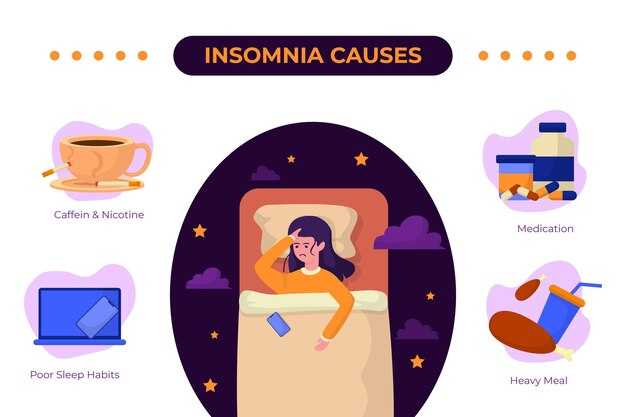 9 Daily Habits Throughout the Day for a Better Night’s Sleep">
 Πώς να Γίνετε πιο Ενδιαφέρον – 10 Πρακτικοί Τρόποι για να Ενισχύσετε το Χάρισμά σας">
 Οι Καλύτερες Ασκήσεις Αναπνοής για Ύπνο – Τεχνικές για Καλύτερη Ανάπαυση">


