

 Greek
Greek  English
  Russian
  French
  German
  Italian
  Spanish
  Polish
  Ukrainian
  Turkish
  Portuguese
  Arabic
  Korean
  Chinese
  Japanese
  Czech
Czech  9 Τύποι Μη Λεκτικής Επικοινωνίας – Ένας Πρακτικός Οδηγός για την Ανάγνωση της Γλώσσας του Σώματος">

Mirror only what the other person does for the first 2–4 seconds; this simple thing increases immediate warmth and makes follow-up requests more likely to be met. If someone leans back, don’t step forward – follow that change by easing your own posture. Mirroring should be light: copy overall angle and pace rather than exact finger placements to avoid mimicry that creates more discomfort.
When listening, watch hands and fingers: fast, repetitive movement often means nervous energy, while open palms suggest openness and trust. Observe how people walk into a room (pace and shoulder set) and how clothing color like white affects perceived approachability. A short anecdote: a clip of kravitz greeting fans demonstrates how a relaxed gait plus soft eye contact signals safe, friendly intent without words.
Practical checklist – use one action at a time and test results: 1) Recognize baseline behavior for 10–20 seconds before you interact; 2) Vary your responses based on their needs and comfort; 3) Let small nods facilitate turn-taking rather than interrupting; 4) When someone moves away, respect their rights to space and step back ~0.5 m. Σημείωση: romantic cues differ from professional ones – proximity and light touch sometimes communicate interest, but always confirm consent and trust before escalating. These steps are based on observable signals and help you better navigate real interactions while reducing misreads.
Key Signals and Their Real-World Readings
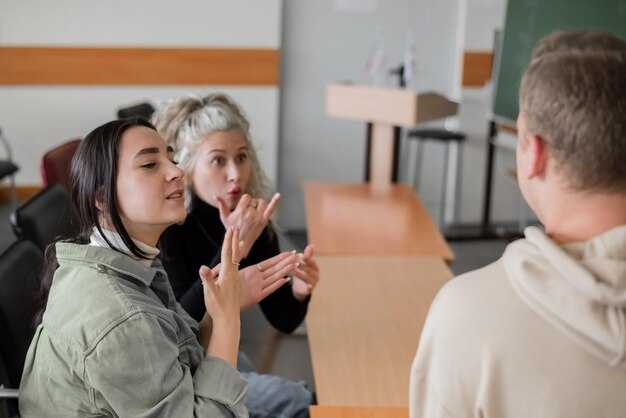
Establish a baseline: observe 60–120 seconds of neutral behavior and record blink rate, shoulder height, and habitual hand positions before interpreting deviations.
Eyes: sustained low contact plus increased blink rate (above ~20 blinks/min) often signals cognitive load or discomfort; pupils will dilate with interest or arousal by roughly 0.3–1.0 mm – a measurable physiological change. A 2014 university study revealed pupil changes correlate with surprise and reward; use a controlled light level and a camera to confirm dilation, because ambient light easily confounds results.
Facial micro-movements: when you review a video, slow playback to 0.25–0.5x; micro-expressions last about 1/25–1/15 s and reflect immediate affect before regulation. If you havent slowed footage, subtle shifts in the brow or mouth that indicate contempt or fleeting joy will be missed. A trained coder says coding multiple frames increases reliability.
Posture and gesture: a forward lean of 5–10° signals engagement in many conversational contexts; sudden arm crossing after an agreeable statement often indicates a change in intent or discomfort. Hands that open and rise toward the other person tend to convey invitation or transparency; clenched fists or fists at the hips typically convey resistance. Note where hands move relative to the torso – hand-to-face gestures often indicate thinking or masking.
Proxemics and touch: human distance norms vary by culture but Hall’s ranges (intimate <0.5 m, personal 0.5–1.2 m, social 1.2–3.5 m) provide a working model. Uninvited touch in the personal zone increases physiological anxiety and shifts gaze patterns; permitted touch in the intimate zone usually signals trust. Contexts like crowded trains or formal meetings change thresholds, so mark context before labeling behavior.
Voice and tempo: rising pitch and increased speech rate frequently accompany anxiety; voice breaks or sudden drops in volume can reveal concealed emotion. A simple acoustic check – compare average pitch and pauses from baseline to current speech – yields actionable data within minutes.
Integration step: combine at least three independent channels (eyes, hands, tone) before drawing a conclusion. The primary rule that works across fields is pattern over single cues: one sign alone is ambiguous, multiple signals in the same direction increase predictive value. This fact is critical for interviews, negotiations, clinical interviews and law enforcement where misreadings create real-world costs.
Practical checklist: first, document baseline; second, record deviations with time stamps; third, test alternate explanations (fatigue, lighting, cultural norms); finally, annotate decisions with source evidence (video frame, timestamp, physiological reading). Use connections across channels and note where signals contradict; contradictions indicate regulation or deception and present the biggest challenges for interpretation elsewhere.
Kinesics: Interpreting Posture and Movement in Conversations
Assess posture on arrival: spend a 60–90 second window noting leaning, arm position, feet orientation and facial micro-expressions, then rate engagement on a 1–5 scale to create a baseline for that session.
Science and observational work from a university publication document measurable differences in perceived warmth and credibility depending on torso angle and proximity; facing a window or angling slightly toward a partner tends to produce effects judged favorably by observers, while rigid backward leaning often sends detachment signals.
Interpret specific cues directly: forward leaning plus relaxed shoulders typically signify interest; direct eye contact with visible palms and uncrossed legs favor approach; a sudden frown or jaw clench can indicate anger or cognitive overload, whereas a tightened smile with eyebrow raise more often aligns with sarcasm than with hostility.
Across several peoples and workplace settings gestures vary; dont assume a single cue equals intent. An employee who frequently touches their face may be tired or processing an inner dilemma instead of lying. Use local norms and context before labeling behavior.
Use short observation sessions to quantify motion: record counts of leaning, mirroring, self-touches and sighs over a 5–10 minute range; if rates fall steadily you can reasonably infer participants begin to lose focus and should adjust pacing or stimuli.
Training recommendation: spend about 30% of practice time on mismatched signals (smile with tight mouth, nod without engagement). Role-play sessions that include leading questions and direct feedback raise accuracy very quickly and sharpen sensitivity to sarcasm and hidden discomfort.
Treat movement as response to stimulus, not proof of motive: require several converging signs before acting, dont rely on a single frown or one self-touch. When uncertain, ask a short, neutral, direct question phrased favorably to reduce tension and invite clarification.
Facial Expressions: Reading Microexpressions and Eye Contact
Focus on the first 40–200 ms of a face to catch microexpressions; practice 10-minute daily drills with 200+ labeled clips to learn to classify expressions correctly and improve real-time judgment.
Map features to feelings: happiness = mouth lift plus crow’s feet; sadness = inner brows raised, lip corners down; anger = brows lowered, nostrils flared, lips pressed; surprise = brows up, eyes wide, jaw drop; fear = brows raised and drawn together, lips stretched; disgust = upper lip raise; contempt = unilateral lip raise. Train identifying single features and combined clusters rather than relying on one cue.
Eye contact norms vary by context: in casual conversations persons typically maintain 30–50% mutual gaze; in presentations leaders who hold 60–70% eye contact are rated better on competence. For mixed groups vary your placement of gaze across the room so audience members feel connected rather than singled out; in small groups they expect longer fixation on each person.
Triage ambiguous signals: if microexpressions and eye contact conflict, weight the involuntary face (microexpression) higher than voluntary gestures. Sarcasm often pairs a quick, negative microexpression with a smile; never assume sarcasm from a smile alone–watch for brief contractions around the eyes and mouth. For daters and interviewers, note baseline behavior first, then judge deviations and reactions.
Practical setup: use anonymous video clips andor live mirror drills; record short presentations and review frame-by-frame at 25–50 ms intervals. Arrange the room so lighting highlights the upper face and avoid backlight near doors that creates silhouettes. Coach Kendra and other authors recommend tagging 100 instances of each emotion to build pattern memory.
Physiological cues: blinking rate typically changes with cognitive load–baseline ~10–20/min but vary with stress and medication–so compare against the person’s usual rate. For rapid assessment, prioritize microexpressions, eye contact duration, and head placement together; combined signals give more reliable insight into what persons are truly expressing. Tools and apps are available to annotate clips and measure timing if manual watching is insufficient.
Gestures and Emblems: Contextual Significance in Conversation

Mirror a single emblematic gesture for three seconds, then ask a short verbal question to confirm intent; if the interlocutor doesn’t respond, create more physical distances and repeat the check once.
Use a twelve-second pause after a prominent movement before adjusting posture; that pause produces clearer observations of micro-movements, reduces misreadings tied to sounds or laughters, and lets you hear hesitation that correlates with boredom or conflict.
In professional settings match attire and presentation to the context: weve found that mismatch increases perceived conflict and can trigger defensive gestures. Apply gesture thrift–fewer, clearer signals–so receivers appreciate the cue rather than feel interrupted. Sometimes a light touch on the forearm signals comfort; in clinical or intimate contexts be aware that identical contact can indicate sexual-arousal, pain, or purely supportive intent.
Combine proxemic rules with verbal markers: state an instruction, then use a single emblem to teach the action and allow a free response window. If multiple signals appear, rank them by intensity and frequency; various repeated gestures often mark emotionally charged topics or unresolved conflicts. When you need to break tension, shift to neutral gestures, lower volume, and invite one-word feedback to confirm understanding.
Proxemics: Space, Distance, and Interaction Comfort
Maintain 1.2 m (4 ft) in formal meetings; move closer to 0.45–0.5 m only after clear identification of trust and explicit consent.
Measured bands: intimate 0–0.45 m (0–18 in) – direct contact likely; personal 0.45–1.2 m (18–47 in) – colleague-level exchange; social 1.2–3.6 m (4–12 ft) – small groups; public 3.6+ m (12+ ft) – presentations. According to cross-cultural data, these bands can shift by ~20–30% per culture or setting; record local baselines before policy changes.
Use haptics deliberately: brief shoulder taps and handshakes are acceptable in the personal band for teams, avoided in social band unless pre-agreed. Stronger or stern approaches (leaning <0.2 m, hands-on-hip) add tension, create a clear signal where others respond with withdrawal, and increase anger risk while lowering compliance.
Monitor nine observable cues to guide movement: sustained eye contact, torso angle, open palms, back tension, fillers, arm crossing, feet direction, facial blanching, micro-movements of muscles. Fillers and micro muscle tightening often precede stepping back; treat them as early warning signals.
When someone steps back or raises a hand, break approach and give a 0.5–1.0 m buffer; provide short updates on intent and available alternatives (seat change, screen share). Basically, asking for permission before closing distance improves trust and reduces perceived threat.
Lower voice volume and slow pacing as proximity increases; use empathy lines and subtle mirroring to help regulation, but keep movements minimal – thrift of gesture prevents sensory overload for anxious members. Mark limits visually to make space feel safe; consistent gaze and calm voice qualities help others perceive intent.
High-status individuals occupy more space; identify high-status cues (expanded posture, slow deliberate movement) and decide whether to match or yield. Although mirroring often raises rapport, excessive copying feels manipulative – opt for subtle alignment and check consent when crossing personal limits.
Operational recommendations: place floor markers at 0.45 m and 1.2 m in meeting rooms, train nine team members on proximity protocols, log incidents where proximity triggered anger or withdrawal, and run monthly updates on adjustments.
| Zone | Distance | Typical context | Haptics | Συνιστώμενη ενέργεια |
|---|---|---|---|---|
| Ενδόμυχη | 0–0.45 m (0–18 in) | Close friends, partners, private coaching | Contact only with explicit consent | Χρησιμοποιήστε μόνο μετά την αναγνώριση της εμπιστοσύνης· παρατηρήστε την ένταση των μυών· απομακρυνθείτε στην πρώτη απόσυρση |
| Προσωπικό | 0,45–1,2 m (18–47 in) | Συναδέλφισσες, ενημερώσεις ομάδας | Χειραψία, συνήθως γίνονται σύντομα χτυπήματα και είναι αποδεκτά | Ρωτήστε πριν σκύψετε· χρησιμοποιήστε δηλώσεις ενσυναίσθησης· αποφύγετε τους γεμιστικούς λόγους που υποδηλώνουν δυσφορία |
| Κοινωνικό | 1.2–3.6 m (4–12 ft) | Δικτύωση, μικρές ομάδες | Απαγορεύεται η επαφή εκτός εάν έχει προγραμματιστεί εκ των προτέρων | Διατηρήστε καθαρή ορατότητα· χρησιμοποιείτε λεκτικές ενημερώσεις· σεβαστείτε τα προσωπικά όρια για να διατηρήσετε τη συμμόρφωση |
| Δημόσιο | 3.6+ m (12+ ft) | Ομιλίες, παρουσιάσεις | Μην αγγίζεις | Δημιουργήστε φωνητικά χαρακτηριστικά που να αποπνέουν ασφάλεια· τοποθετήστε μερικά σημάδια όπου το κοινό μπορεί να κινηθεί αν χρειαστεί. |
Haptics: Ενθάρρυνση μέσω του Κατάλληλου Άγγιγματος και των Ορίων
Χρησιμοποιήστε ένα σύντομο, με ανοιχτή παλάμη χειραψία των 2–3 δευτερολέπτων και, στη συνέχεια, αφήστε την για να σηματοδοτήσετε αυτοπεποίθηση ενώ ελέγχετε την άνεση του άλλου ατόμου.
- Ζώνες και εδάφη: Μεταχειριστείτε τις οικείες, προσωπικές, κοινωνικές και δημόσιες ζώνες ως σαφείς κατηγορίες· περιορίστε την επαφή στους ώμους ή την πλάτη στην κοινωνική ζώνη, εκτός εάν υπάρχει ρητή συγκατάθεση για πιο στενή επαφή.
- Κανόνες τοποθέτησης: οι αγγίγματα στα χέρια, το πήχυ ή μια σύντομη αφή στον ώμο έχουν τον χαμηλότερο κίνδυνο· αποφύγετε τον κορμό, το πρόσωπο και το κεφάλι, εκτός αν σας προσκαλέσουν.
- Εναλλαγή: η επαφή θα πρέπει να ακολουθεί λεκτική άδεια ή ορατή πρόσκληση – περιμένετε μια χειρονομία κλίσης ή μια ανοιχτή παλάμη πριν οδηγήσετε την επαφή.
- Σήματα άνεσης έναντι δυσφορίας: το χαλαρό σκύψιμο, η σταθερή οπτική επαφή και το αργό ανοιγοκλείσιμο των ματιών συχνά υποδεικνύουν αποδοχή· το γρήγορο ανοιγοκλείσιμο των ματιών, το βήμα πίσω, τα σταυρωμένα χέρια ή μια άκαμπτη στάση υποδεικνύουν αίσθημα δυσφορίας.
- Αντιμετωπίζοντας τη μεταμέλεια: αν η αφή προκαλεί δυσφορία, ζητήστε συγγνώμη συνοπτικά, απομακρυνθείτε μια ζώνη και ρωτήστε: «Είναι εντάξει;» – η άμεση αναγνώριση μειώνει την ανησυχία και αποτρέπει την κλιμάκωση.
- Σήματα συμπεριφοράς στα οποία μπορείτε να βασιστείτε: η κίνηση σαν καθρέφτης, η ρέουσα στάση του σώματος και η αμοιβαία αφή υποδηλώνουν αμοιβαία ανοιχτότητα· το μονομερές άρπαγμα ή η επίμονη τοποθέτηση ενός χεριού υποδηλώνει υπέρβαση των ορίων.
- Πλαίσια συγκέντρωσης πλήθους: σε πολυσύχναστα περιβάλλοντα, βασιστείτε στην ορατή συγκατάθεση και ελαχιστοποιήστε την απροσδόκητη επαφή. Εάν η επαφή συμβεί λόγω του πλήθους, δηλώστε την πρόθεσή σας φωναχτά και προσφέρετε χώρο.
- Τάκτικές χειραψίας: μια ουδέτερη λαβή με δύο έως τρεις αντλίες είναι αποτελεσματική· οι λαβές που σφίγγουν ή είναι χαλαρές δημιουργούν αρνητικές οπτικές εντυπώσεις και επηρεάζουν την εμπιστοσύνη.
Οι ερευνητές αναφέρουν ότι η κατάλληλη, σύντομη αφή μπορεί να βελτιώσει την εμπιστοσύνη και να μειώσει το αυτοαναφερόμενο άγχος σε πολλές συναντήσεις· αποφύγετε την υπόθεση συναίνεσης – ρωτήστε ή αναζητήστε μικρο-σήματα πρώτα. Όταν παρατηρήσετε συμπεριφορικά σημάδια δυσφορίας, κάντε παύση και αναφερθείτε στη λεκτική συναίνεση πριν συνεχίσετε.
- Για να ενισχύσετε την ανοιχτότητα: συνδυάστε μια ελαφριά, χρονικά περιορισμένη επαφή με λεκτική ενθάρρυνση, διατηρήστε μια ανοιχτή στάση της παλάμης και αποφύγετε να σκιάζετε το άλλο άτομο.
- Για να ηγηθείτε ηθικά: ξεκινήστε την επαφή μόνο αφού παρατηρήσετε αμοιβαία σήματα (κλίση προς τα εμπρός, χαμόγελο, σταθερή ματιά· εάν αυτά τα σήματα λείπουν, συγκρατήστε την επαφή.
- Για τη μείωση των αρνητικών επιπτώσεων: περιορίστε τη συχνότητα επαφής σε επαγγελματικά περιβάλλοντα, έχετε υπόψη ότι οι περιοχές και οι πολιτισμικές νόρμες αλλάζουν τις προσδοκίες και προσαρμόστε ανάλογα την τοποθέτηση.
Πρακτικά μετρικά για παρακολούθηση στην πράξη: σημειώστε τη συχνότητα των θετικών απαντήσεων έναντι των αποχωρητικών βημάτων, τη συχνότητα των αλλαγών ανοιγμάτων κατά τη διάρκεια της επαφής και οποιαδήποτε ορατή αύξηση του άγχους. Χρησιμοποιήστε αυτές τις παρατηρήσεις για να βελτιώσετε τις μελλοντικές συναντήσεις και να μειώσετε τη λύπη μέσω της συνειδητοποίησης και διόρθωσης μοτίβων.
 5 Πράσινα Σημάδια στις Σχέσεις – Σημάδια μιας Υγιούς Σχέσης">
 7 Συμβουλές για να Βρείτε τον Σκοπό της Ζωής σας">
 Ποιες είναι οι επιπτώσεις των 27 βασικών συναισθημάτων στην σωματική υγεία;">
 Science on a Shoestring – Inspiring Experiments with Everyday Items | Inspire Article">
 Είναι η Απόσπαση μια Προσαρμοστική ή Μη Προσαρμοστική Στρατηγική Ρύθμισης Συναισθημάτων; Μια Προσέγγιση Εστιασμένη στο Άτομο;">
 Λήψη μιας Ανάπαυλας σε μια Σχέση – Όταν Είναι Ωρά να Αναστείλετε, να Αναλογιστείτε και να Αξιολογήσετε Ενώπιον την Συνεργασία σας">
 9 Συμβουλές για να ξεπεράσετε τη μοναξιά την παραμονή της Πρωτοχρονιάς">
 10 Μοναδικοί Τρόποι με τους οποίους η Θεραπεία Βοηθάει στην Ζωή – Ένας Πρακτικός Οδηγός">
 Theories on How People Develop Phobias – Causes, Learning, and Neurobiology">
 ESFJ Τύπος Προσωπικότητας – Ο Συμβουλευτής — Χαρακτηριστικά, Δυνατά Σημεία, Αδυναμίες και Συμβουλές Σχέσεων">


