

 Greek
Greek  English
  Russian
  French
  German
  Italian
  Spanish
  Polish
  Ukrainian
  Turkish
  Portuguese
  Arabic
  Korean
  Chinese
  Japanese
  Czech
Czech 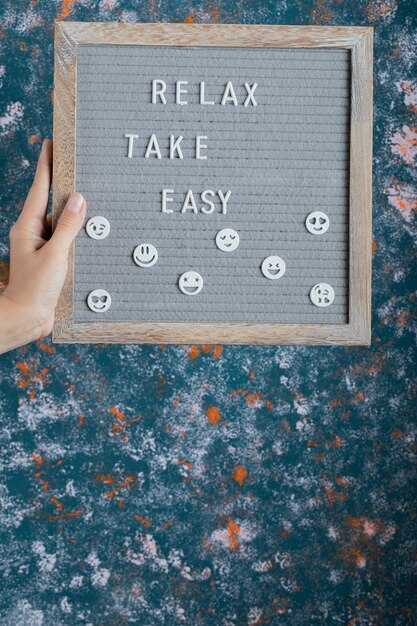 8 πράγματα που μπορείτε να κάνετε αν αισθάνεστε εκνευρισμένοι – Γρήγορες συμβουλές για να ηρεμήσετε">

Immediate action: perform paced breathing for 5 minutes – inhale 4 seconds, hold 2 seconds, exhale 6 seconds – repeat six cycles; this pattern slows heart rhythm, lowers adrenergic tone, and often reduces acute reactivity within minutes. If pulse remains elevated after five minutes, add two further sets and switch to a 1-minute progressive muscle relaxation sequence to interrupt reactive escalation.
Hydration and renal consideration: drink 250–500 ml water and avoid high-sodium snacks; even mild dehydration or salt load can burden the kidney and increase perceived agitation. If on diuretics or reporting kidney disease, contact a medical service before changing fluid or salt intake. Track fluid intake for 48 hours and have results evaluated by a clinician if subjective restlessness persists.
When crowds or overstimulation trigger abrupt mood shifts, shut off all notifications, create a 10-minute low-stimulus zone (dim lights, neutral sounds) and wear noise-reducing ear protection if possible. Many patients confessed that separating from sensory overload for a single short interval prevents escalation into aggressive or reactive behavior.
Discover triggers with a simple log: time, setting, preceding meal, sleep hours, and perceived loss of control. Evaluate entries weekly to spot patterns linked to perimenopausal hormone swings, inflammatory flares, or immune-related fatigue. Use that data when requesting management changes from a clinician rather than relying on memory.
Short-term behavioral changes that produce measurable benefit: brisk 10-minute walk to shift autonomic balance, a 20-minute naps aligned to sleep rhythm when sleep debt exceeds 2 hours, and a protein-based snack to stabilize blood sugar. For medication review or persistent symptoms, seek tailored medical advice rather than trial-and-error adjustments.
Integrate self-care into routines: designate three micro-routines (breathing, movement, grounding object) and practice each once daily to create habit. If stress responses remain predominantly reactive despite these measures, consult behavioral-health services for cognitive strategies and, when appropriate, pharmacological management.
Address contextual contributors such as grief or significant loss with targeted support: therapy, peer groups, or a crisis line. Document any inflammatory symptoms (fever, swollen joints) and immune suppression signs; these can amplify mood instability and should be clinically assessed without delay.
For sustained improvement combine short-term interventions with medical evaluation: have blood pressure, basic metabolic panel, thyroid and inflammatory markers evaluated, review current medications for stimulants, and discuss perimenopausal options if relevant. Practical, data-driven adjustments plus consistent self-care form the most reliable course to reduce irritability and restore functional balance.
Practical Steps for Immediate Relief
Breathe at a 4–6 breaths-per-minute pace for 5 minutes (inhale 4s, exhale 6–8s); silently count each inhale and exhale – this pattern regulates heart rate variability and reduces being wired within 2–5 minutes.
Splash cold water on the face for 20–30 seconds or hold an ice pack at the neck to activate vagal tone, increasing parasympathetic activity and lowering cortisol spikes that often lead rapid escalation of agitation.
Walk briskly for 10–15 minutes across the nearest block; movement shifts blood glucose and catecholamine balance, which studies show can reduce subjective frustration by measurable amounts within 30 minutes.
Play instrumental music at 60–80 BPM for 10–20 minutes; tempo-based tracks regulate breathing and cortical arousal regardless of preference, whether classical, ambient or low-tempo electronic.
Carry a small pocket book to log three data points per episode: time, trigger, and duration; follow this protocol for 72 hours and count incidents across days to identify common triggers and patterns tied to personality or context.
Check basic biology: low blood sugar, sleep debt, thyroid issues or recent antibiotics use can cause unexplained agitation – antibiotics can deplete gut microbiota and lead to mood issues; get any abnormalities identified with blood glucose or thyroid tests and consult a licensed clinician if results are outside normal ranges.
If awake more than 16 continuous hours and wired, take a 15–20 minute nap to restore alertness; cumulative sleep loss of several hours depletes executive control and leads faster reactivity to stressors.
Apply a 2-minute progressive muscle tensing/relaxing cycle (feet→hands→face); this evidence-based micro-practice reduces somatic tension that often leads cognitive escalation and helps avoid actions that could further frustrate others.
Box Breathing: Inhale 4, Hold 4, Exhale 4, for 1–2 Minutes
Practice box breathing: inhale for 4 seconds, hold for 4 seconds, exhale for 4 seconds, repeat continuously for 1–2 minutes to down-regulate arousal and slow respiratory rate.
A common question asked is how to set up the posture: sit upright in a small space with spine neutral, shoulders relaxed and feet grounded; eyes gently shut. Technique includes placing one hand on the chest and one on the belly, inhaling through the nose to a count of four, holding without strain for four, then exhaling through the mouth for four. Keep the pattern easy to follow; acknowledge bodily sensations and acknowledge them without judgment, knowing the counts and being present supports steadier performance. Think of tracing a square with each phase to help timing.
Measured impact: typical respiratory rate moves from high baseline toward ~6–8 breaths per minute during the exercise; short-term increases in heart-rate variability and reductions in sympathetic markers have been reported. Metabolic profiles show transient shifts consistent with increased parasympathetic activity; perceived energy frequently normalizes within a minute. Small randomized or crossover studies supported modest reductions in systolic blood pressure and subjective tension; strongly consider simple HRV or seated blood-pressure test before and after a session to quantify impact if objective data are desired.
Tailored guidance: start with 30 seconds if breathless and build to 1–2 minutes as tolerated. Especially for known cardiac or pulmonary conditions, seek medical advice and consider supervised assessment before regular practice. Additionally, if the 4-4-4 rhythm feels worthless, switch to an alternate cycle (4-6-8 or 3-3-3) or add a brief diaphragm-focus drill. If dizziness, persistent lightheadedness, or chest pain occur, shut the session immediately and seek clinical evaluation.
5-4-3-2-1 Grounding: Name Sights, Sounds, and Touch
Name five visible objects aloud, spending 3–5 seconds per item; state one concrete fact about each (color, distance, material). This focused description increases sensory interest and shifts attention from ruminative loops.
Name four distinct sounds (near and far), three textures that can be touched right now, two scents or smells identifiable in the environment, then one item that offers relief. Combine each verbal label with a deliberate pause to anchor the mind in present-moment mindfulness.
Pair the sequence with a steady breathing rhythm: inhale 4 seconds, exhale 4 seconds, brief 1-second reset between counts to sync breath and speech. Clinical observations and basic autonomic measures show this routine often produces measurable reductions in heart-rate variability within 2–5 minutes for many individuals; log minutes practiced and subjective stress ratings to refine technique using those facts as feedback.
Practice frequency guidance: apply once per acute episode, repeat up to 3 times if needed; daily 2–5 minute rehearsals refine the neural pathway that moves attention away from overwhelm and improves the ability to interrupt a wired or stressed response before escalation.
Limitations and coordination of care: if symptoms are accompanied by swelling, chest tightness, persistent panic or new-onset depression, consult a physician. Psychotherapist rachel notes many clients have been prescribed medicine that produces agitation or sleep disruption; such drugs can interfere with grounding effectiveness. Medication changes should occur only with physician guidance and coordinated input so they do not inadvertently make grounding less useful.
Micro-Move Break: 60 Seconds of Shoulder Rolls and Neck Release
Perform a single 60-second sequence: 30 seconds slow shoulder rolls (15 forward, 15 backward) immediately followed by 30 seconds neck release (15 seconds per side; chin slightly tucked, ear gliding toward shoulder).
- Position: sit upright with feet flat, shoulders relaxed, hands resting on thighs to avoid shoulder hitching.
- Tempo and breathing: inhale 4 seconds through the nose, exhale 6 seconds through the mouth while each roll or glide completes one movement cycle; maintain one roll every 2 seconds for shoulders, one smooth glide per 3–4 seconds for neck.
- Volume: repeat the 60-second sequence every 60–90 minutes during prolonged sitting; typical prescription is 4–6 sequences spread across an 8‑hour workday.
- Intensity: stop short of pain – no pushing to muscle failure; reduce range if energy is depleted or sensations of dizziness occur.
- Immediate physiological effect: slow rhythmic movement produces parasympathetic activation through extended exhalation, which can lower perceived arousal when wired and stressed.
- Symptom modulation: the micro-break often reduces tightness linked to cervico‑thoracic tension and can blunt angry impulses by interrupting the stress signal loop.
- Workplace utility: especially helpful for desk workers and for perimenopausal individuals who report increased neck soreness; this short routine maintains motor control and postural connection during prolonged tasks.
- Limitations: this sequence is not a treatment for infection or acute swelling – it will not kill bacteria; antibiotics remain necessary for bacterial illness and any new or worsening swelling requires consultation with healthcare.
Contraindications and precautions:
- Avoid aggressive neck manipulation after recent cervical injury, surgery, or if visible swelling is present.
- If currently on antibiotics for an active infection or symptoms are worsening, consult healthcare before continuing micro-movements.
- Μην χρησιμοποιείτε την άσκηση μόνη της για επίμονη ή προοδευτική νευρολογική συμπτώματα· το επίμονο μούδιασμα, η αδυναμία ή ο επώδυνος πόνος που ακτινοβολεί θα πρέπει να προκαλέσουν ιατρική εξέταση.
Πρακτικές σημειώσεις και πλαίσιο αποδεικτικών στοιχείων:
- Σύντομες ακολουθίες προκαλούν μετρήσιμες αλλαγές στην αντιληπτή ένταση μέσα σε λίγα λεπτά και συνήθως συνδέονται με βελτιωμένη συγκέντρωση και μειωμένη συμπαθητική διέγερση όταν επαναλαμβάνονται κατά τη διάρκεια της ημέρας.
- Η γνώση του ακριβούς τέμπο και των αναλογιών αναπνοής αυξάνει την αναπαραγωγιμότητα· μάθε το μοτίβο (εισπνοή 4s / εκπνοή 6s) και τον διαχωρισμό 30/30 για αποτελεσματική εφαρμογή.
- Η διαφήμιση συχνά αναδεικνύει μακροχρόνιες ρουτίνες· αυτό το άρθρο και η σχετική έρευνα αποκαλύπτουν ότι τα μικροδιαλείμματα μπορούν να είναι μια αποτελεσματική, βασισμένη σε στοιχεία επιλογή για τη διατήρηση της κινητικότητας του αυχένα-ώμου.
- Διατήρηση ρεαλιστικών προσδοκιών: η σχέση με μειωμένο στρες είναι συνηθισμένη, αλλά χρόνιος πόνος ή μειωμένη ανθεκτικότητα μετά από παρατεταμένο στρες μπορεί να απαιτεί πολύτροπική φροντίδα και όχι αποκλειστική εξάρτηση από μικροκινήσεις.
Ενυδάτωση & Σνακ: Πιείτε Νερό και Φάτε ένα Γρήγορο Υδατάνθρακα

Πιείτε 300–400 ml απλού νερού μέσα σε 5 λεπτά, και στη συνέχεια καταναλώστε 15–20 g ταχύτερων υδατανθράκων (παραδείγματα: μισό μπανάνα, 120–150 ml χυμό φρούτων, 4 ταμπλέτες γλυκόζης ή μια μικρή μπάρα γκρανόλα) για να μειώσετε έναν ταχύ καρδιακό ρυθμό και να βοηθήσετε στη ρύθμιση του σακχάρου στο αίμα. Αναμένετε μετρήσιμες αλλαγές μέσα στα πρώτα 10–20 λεπτά και μια μετρήσιμη βελτίωση στη διάθεση και τη συγκέντρωση μέσα σε 30–60 λεπτά.
Μετρήστε τα γραμμάρια υδατανθράκων αντί για θερμίδες: μία τυπική μερίδα ≈ 15 g υδατανθράκων· σε μια κλίμακα ανάδευσης 0–10, στοχεύστε σε μια πτώση 2–3 μονάδων μετά από μία μόνο μερίδα. Για αυξημένη ανοχή κατά τη διάρκεια μεγάλων βαρδιών, επαναλάβετε τις μερίδες των 15 g κάθε 60–90 λεπτά κατά τη διάρκεια της εργασίας εάν παραλείφθηκαν τα γεύματα. Η αφυδάτωση συμβάλλει επίσης στην ξηρότητα και την δυσφορία του κόλπου, επομένως συμπεριλάβετε νερό με κάθε σνακ για να αντιμετωπίσετε τα βλεννογόνους και γνωστικούς εφέ ταυτόχρονα.
Ένα πάνελ κλινικών και ένα σχόλιο που παρουσιάστηκε από έναν συγγραφέα συνιστούν τα ωράρια διαλειμμάτων να συγχρονίζονται με προβλέψιμες πιέσεις: προγραμματίστε ένα διάλειμμα νερού+υδατανθράκων πριν από συνεχόμενες συναντήσεις ή συνομιλίες υψηλής πίεσης. Εάν έχετε χάσει το μεσημεριανό γεύμα και αισθάνεστε ανήμποροι ή εμμονικοί, ένα στοχευμένο σνακ μειώνει την αντιληπτή αποτυχία και την ευθύνη γύρω από την απόδοση. Παρόλο που είναι μικρές, αυτές οι προγραμματισμένες παρεμβάσεις αλλάζουν τον τρόπο με τον οποίο τα περιβάλλοντα επηρεάζουν τη συγκέντρωση και τις κοινωνικές αλληλεπιδράσεις και βελτιώνουν την εργασιακή εστίαση.
Επαναφορά Περιβάλλοντος: Μετακινηθείτε σε έναν Ήσυχο Χώρο ή Δοκιμάστε Ένα Ψυχρό Σπλαχνισμό

Μετακινηθείτε αμέσως σε ένα χώρο με χαμηλό θόρυβο· ξεκινήστε με έξι βαθιές αναπνοές (εισπνοή 4 δευτερόλεπτα, κράτηση 1–2 δευτερόλεπτα, εκπνοή 8 δευτερόλεπτα) και στη συνέχεια κάντε ένα κρύο ξέπλυμα στο πρόσωπο για 20–30 δευτερόλεπτα στους 10–15°C. Αυτή η εύκολη, δωρεάν ακολουθία μειώνει τις απότομες αλλαγές της μεταβλητότητας της καρδιακής συχνότητας και επιταχύνει την ανάρρωση: επαναλάβετε μία φορά μετά από διάλειμμα 2 λεπτών, αν χρειαστεί.
Συνδυάστε το κρύο ξέσπασμα με την αισθητηριακή εδραίωση: πιέστε τα πόδια στο πάτωμα, παρατηρήστε τρεις υφές, ονομάστε πέντε ορατά αντικείμενα και εστιάστε στη θερμοκρασία πάνω στο δέρμα. Η αργή, σκόπιμη αναπνοή ενώ είστε εδρασμένοι βελτιώνει τον τόνο του πλάνου και δίνει άμεση, μετρήσιμη επίδραση στην αντιληπτή ένταση· άρθρα και αναφορές ειδικών συνδέουν τη σύντομη έκθεση στο κρύο με αύξηση νορεπινεφρίνης και μια μικρή αύξηση του μεταβολισμού, κάτι που μπορεί να φαίνεται χρήσιμο όταν οι αντιδράσεις στρες αυξάνονται.
Λαμβάνοντας υπόψη το ορμονικό πλαίσιο: η αυξημένη ευαισθησία ή η δυσκολία αντιμετώπισης μπορεί να προέρχεται από ορμονικές μεταβολές, όπως χαμηλή προγεστερόνη ή άλλες ορμονικές ανισορροπίες (μοτίβα που σχετίζονται με το Σύνδρομο Πολυκυστικής Ωοθηκικής Δυσλειτουργίας και συνδρομικά ελλείμματα χρήζουν κλινικής αξιολόγησης). Εάν τα συμπτώματα επιμένουν ή η σοβαρότητα αυξάνεται, αναζητήστε αξιολόγηση από ειδικό για στοχευμένη θεραπεία· η κλινική αξιολόγηση συχνά οδηγεί σε καλύτερα αποτελέσματα σε σύγκριση με την αυτοδιαχείριση μόνη της.
 Η Επιστήμη των Ευτυχισμένων Ορμονών – Πώς να Ενισχύσετε την Ψυχική σας Ευεξία">
 10 πράγματα που μπορείτε να κάνετε όταν αισθάνεστε μόνοι – Πρακτικές συμβουλές">
 36 Ερωτήσεις για να Ερωτευτείτε – Μια Κατευθυνόμενη Συζήτηση για τον Έρωτα">
 Αληθινή Ευτυχία – Πώς να Βρείτε Βαθιά Χαρά που Διαρκεί">
 Πώς να Ζείτε στο Παρόν – Απλές Συμβουλές Ενσυνειδητότητας για να Είστε Παρόντες Σήμερα">
 13 Σημάδια Ότι η Σχέση Σας Έχει Έντονη Σωματική Σύνδεση">
 Οικονομική Συμβατότητα – Η Υποτιμημένη Πράσινη Σημαία στις Υγιείς Σχέσεις">
 Αγχος και Συναφείς Διαταραχές – Αίτια, Συμπτώματα και Θεραπείες">
 15 Πρακτικές Συμβουλές για να Είσαι Περισσότερο Υπομονετικός και να Βρεις την Ειρήνη σου">
 7 Λόγοι για τους οποίους Χρειάζεστε Έναν Συνάδελφο για Εργασία – Αυξήστε την Παραγωγικότητα και το ηθικό">


