

 German
  English
  Russian
  French
  Italian
  Spanish
  Polish
  Ukrainian
  Turkish
  Portuguese
  Greek
Greek  Arabic
  Korean
  Chinese
  Japanese
  Czech
Czech  You Might Have Emophilia If You Fall in Love Too Quickly – Signs, Causes, and Coping">

Set a firm rule immediately: require a 72-hour pause after intense attraction before sharing personal history; track interactions in a simple log so patterns become known; deploy deliberate communication strategies with new partners to reduce risky escalation.
Key indicators include frequent statements that express urgent want for connection, repeated confessions within days, mirroring gestures without context; underlying insecurity or a craving for quick trust often masks deeper Schwachstelle; the person really feels attachment deeply, even when situations seem similar to common flirtation.
Der Begriff emophilia appears in some forums as shorthand for rapid devotion; clinicians report this pattern resembles attachment hyperactivation, though no single diagnostic label exists; common roots may be similar across cases; those known to professionals often report repetitive cycles with different partners.
Triggers often sit between early trauma, unmet attachment needs; a breach in trust during childhood or recent loss can potentially push someone toward immediate closeness; repeated exposure to intense cues – seductive words, meaningful gestures, curated profiles – may potentially push escalation every time without conscious intent.
Practical strategies include: schedule therapy sessions focused on attachment work (CBT or EMDR), set explicit boundaries with partners, create a checklist before intimacy that lists three items: emotional stability check, documented motives, third-party feedback; label vulnerability aloud while using neutral phrasing; invite direct communication from partners; use journaling to record how the heart feels after each interaction; an editor recommended pre-sending messages to oneself for tone review; think of progress in weeks rather than hours.
Understanding Emophilia: Signs, Causes, and Coping After Fast Attachments
Set boundaries: limit daily messaging to scheduled check-ins; measure proximity by number of meetups per week to break a loop that accelerates attachment, thats essential when feelings run high.
Watch these flags: constantly seeking reassurance, rapid role reversal where one plays caregiver while the other withdraws, pronounced insecurity leading to frequent conflict; record dates, duration, escalation patterns to detect trends here.
Common origins include childhood instability from parental absence, prior betrayals that develop urgent closeness; research shows most people with this profile report early inconsistent caregiving rather than stable attachment models, many describe feeling unloved.
Practical steps: communicate needs explicitly, practice communicating differently, practice saying limits aloud before meetings; meet in public spaces for objective feedback; step away for 24 hours when tempted to reply constantly; these tactics help reduce the self-reinforcing loop.
Encourage mutual pacing: propose trial rhythms – two texts daily, one video call weekly – thats something measurable that helps most partners feel comfortable rather than overwhelmed; reduces loneliness even when separation comes.
Ignore signals at risk; consequences include repeated leaving, burnout, cycling guilt; therapy targets core schemas, teaches how to develop secure patterns from attachment wounds, shows role of self-soothing in making closeness easy to maintain, which is painful though instructive.
If theyve prior trauma, prioritize stabilizing routines, high-frequency but low-intensity contact that reduces panic; address insecurity directly with factual summaries of interactions, not interpretations, which reduces conflict rather than fueling it.
Checklist: log daily interactions for two weeks; flags for repeated boundary breaches; plan exit steps before saying anything that could escalate; seek mutual agreements; monitor whether something changes; revisit goals every month.
Spotting rapid-attachment patterns in dating
Begin logging early-contact behavior: record first three meetings, note intensity of attraction, frequency of asking for contact, phrases that declare deep attachment, timestamps for each message, reaction after meeting.
Red flags to track: rush toward exclusivity, sudden confessions that seem disproportionate to time spent, keeps messaging despite boundaries, jumps onto future plans without establishing routine, pulls back the moment plans become predictable, statements that reflect loneliness, tendency to idealize partners, fears about abandonment showing as persistent reassurance-seeking.
Use simple measures: a five-question quiz after week one comparing perception to reality, rate empathy, validating responses, grounded behavior, verbal consistency; score on shared pleasure in company, willingness to let other people stay free in life, readiness to take responsibility when called back on hurtful words.
Assess attachment role clinically: label anxious patterns versus avoidant tendencies, note autistic features that affect social reciprocity, observe whether theyre comfortable with limits or reacts by ignoring boundaries, note topics avoided or used as deflection.
Practical interventions: limit personal disclosure during the first month, request small reciprocity tests such as asking about weekend plans then tracking follow-through, validate feelings only when behavior matches words, keep mind grounded with dated notes, solicit candid feedback from trusted people when intensity skews perception.
Differentiating idealization from genuine closeness
Start a four-week evidence log: record contact frequency, conflict responses, supportive actions, reciprocity; require at least three consistent non-physical signals before classifying connection as genuine.
- Idealization signals: feelings that seem driven by limerence, oxytocin surges after brief touch, intense rush then quick rebound; decisions made impulsively into relationship, language that elevates partner without observable reciprocity, attachment that felt like a high rather than steady care.
- Genuine closeness signals: repeated problem-solving over time, clear expressed intentions followed by matching behavior, comfort with silence, ability to set boundaries while staying connected, willingness to listen during low moments, steady availability along daily life routines.
Behavioral test protocol:
- Boundary test: request a small favor that requires effort; measure response time, tone, follow-through, tendency to listen to practical requests.
- Stress test: introduce a minor conflict; observe repair attempts, curiosity about roots of the issue, capacity to stay present rather than escalate into idealized declarations.
- Time metric: prioritize interactions across three separate contexts – public setting, private conversation, problem-solving scenario; genuine closeness should show consistent pattern across contexts.
Case note: Esther, a woman diagnosed with attachment sensitivity, kept a daily chart noting what she felt after meetings, where oxytocin spikes produced a rush that later became regret; therapeutic work should focus on slowing the process, distinguishing highs from steady signals, learning to choose actions based on intentions not impulse.
- Questions to ask when knowing whether bond is real: Does this person listen when problems arise? Does expressed care match long-term behavior? Do boundaries feel safe rather than risky? Do statements about future come with practical steps?
- Action steps that help: set explicit limits on contact during first month, practice saying “okay” when uncomfortable, journal what was felt after conversations, review logs along therapy sessions, bring observations into sessions as data rather than accusations.
- Red flags that persist: repeated rebounds after brief separations, constant talk about perfection, quick escalation into life-changing promises, avoidance of accountability when issues appear.
Final measure: genuine closeness becomes visible when attraction survives ordinary problems, when both parties choose repair over dramatic highs, when knowing grows from repeated evidence rather than rushing toward certainty.
Recognizing emotional burnout after breakups: symptoms and timeline
Start with a two-week no-contact period to limit rebound behavior, monitor sleep quality, appetite, intrusive thoughts, creativity levels; choose safe steps if intensity remains high.
- Immediate (0–2 weeks): high physiological arousal, racing thoughts about rejection, constant checking of messages, bursts of risky impulsivity that leads to risky decisions, sudden changes in appetite or sleep.
- Early (2–8 weeks): pattern of idealizing the ex, limerence-driven rumination beneath conscious intentions, creativity drop or erratic spikes, social withdrawal from activities that once felt fulfilling.
- Intermediate (2–6 months): persistent low mood that feels deeply tiring, repeated attempts at contact or rebound dating despite poor outcomes, consequences appearing at work or in relationships due to reduced focus or emotional reactivity.
- Chronic (6+ months): constant emotional numbness, recurring cycles of hope followed by rejection-related collapse, behavior shifts that create long-term instability in life routines.
Concrete symptom checklist to track daily, with simple metrics:
- Sleep hours: change >20% from baseline, note trend.
- Intrusive thought frequency: count episodes per day; more than 5 suggests escalation.
- Social contact: percent of opportunities met; drop >30% flags isolation.
- Risky acts: any substance use, unsafe sex, impulsive spending; log incidents.
Action thresholds:
- If two checklist items persist beyond 6 weeks, schedule a structured check-in with a licensed clinician; this suggests neurochemical patterns in the brain that mimic anxiety disorders, where formal assessment may be justified.
- If symptoms interfere with work performance, caregiving, safety, seek evaluation immediately; some people are diagnosed with depressive episodes after prolonged emotional overload.
- For intense limerence that causes compulsive behavior, prioritize behavioral interruption: slow contact attempts, install time delays before replying, replace rumination with 10-minute creativity tasks to redirect neural resources.
Practical coping steps to reduce burnout while rebuilding:
- Schedule three low-effort social meet slots per week; meeting safe peers tends to restore empathy pathways more rapidly than isolation.
- Choose one daily physical routine that signals slowing of reactivity: 10-minute breathing, brief walk, consistent sleep/wake times.
- Create structural limits on technology use when tempted to monitor an ex; set app timers, remove notifications, use blocking tools if rebound impulses are constant.
- If feeling deeply overwhelmed, tell a trusted person their current threshold; simple admission that “okay” is not accurate reduces secrecy that leads to escalation.
Clinical notes and risk markers:
- Persistent suicidal ideation, severe anhedonia, or inability to meet basic needs require urgent care.
- A single episode of self-harm or substance binge after rejection suggests a pattern that merits targeted intervention; document frequency to assist clinicians.
- Evolutionary models of attachment suggests the brain’s intensity response aims to preserve pair bonds, which explains why otherwise rational adults act impulsively post-breakup.
Research-backed suggestions for recovery pacing:
- Try graded exposure to social contexts: small steps create tolerance, repeated safe experiences rebuild trust in relationships.
- Monitor for cyclical patterns; if the same sequence repeats across partners, consider therapy focused on attachment style rather than episodic fixes.
- A woman tracked in cohort data who used structured routines reported faster return to fulfilling activities, more stable mood, better decision making when trying purpose-driven goals.
Why burnout follows every breakup: underlying mechanisms

Prioritize immediate sleep consolidation, strict meal timing within 48–72 hours to blunt cortisol spikes; limit social feed exposure to 30 minutes per day.
Acute interpersonal loss activates the HPA axis: measured cortisol often rises 2–3× for 24–72 hours, heart rate variability falls, IL-6/CRP markers can show small but measurable increases; dopamine transmission drops, which explains loss of pleasure, low motivation, high vigilance, sleep fragmentation.
Rumination creates a self-reinforcing loop: intrusive memories produce cognitive fatigue, reduce creativity, impair problem solving; attachment pattern known to predict intensity, persons with anxious profiles reach crisis thresholds faster. Manipulation by a partner prolongs exposure, leaving stressors unresolved produces substantial depletion, reasons for remaining often stem from unclear non-negotiables.
Esther’s report illustrates typical progression: small problems start, escalation starts within weeks, grand gestures reset expectations, conflict recurs, felt helplessness grows, looking for quick fixes causes habit relapse.
Practical protocol: start with three concrete rules. First, set non-negotiables: sleep 7–9 hours nightly, two meals within 60 minutes of waking, 30–45 minutes movement daily. Second, implement strict no-contact for minimum 21 days, create a checklist titled ‘andor’ to specify permitted contact types, choose one trusted person to reach for accountability. Third, schedule daily small high-pleasure activities like walking, short creative tasks to rebuild reward circuits, replace maladaptive habits with simple routines. Track sleep efficiency, mood VAS, step count; expect measurable improvement within 3–6 weeks, only delay major life decisions for 90 days to reduce impulsive choices.
Importance of professional support: brief CBT or targeted coaching reduces rumination by ~30% within 8–12 sessions, referral to therapists with trauma focus recommended for persons with repeated conflict histories; short-term goals focused towards behavioral stabilization.
Reframe needs, rebuild self-worth, and set healthy boundaries
Set three concrete deal-breakers within 14 days; write them as measurable statements, place them at the top of a daily planner, review each evening.
Begin building self-worth through a focused 8-week project: week 1 lists core qualities, week 2 lists meaningful skills, week 3 defines intentions, weeks 4–8 implement short tasks that produce visible outcomes. A recent study by researchers Jones reported a 22% rise in lasting self-efficacy after implementation of a similar protocol; источник: Journal of Behavioral Change, 2019.
When experiencing confusing attractions or high emotional reactivity, apply pacing, down-regulation tools: 4-4-6 breathing, 10-minute cold exposure, journaling thoughts for 15 minutes before contacting anyone. Track frequency of urgent impulses, label them as sensations not facts, note triggers, note contexts of toxic connections versus healthy ones.
Practical takeaways for decision-making: first, list deal-breakers; second, assign a minimum 21-day pacing rule before making commitment; third, treat new connections like a miniature research study–collect data points, compare against stated qualities, adjust intentions towards lasting compatibility. Imagining future scenarios accelerates clarity; becoming clear about limits reduces confusing mixed signals.
| Action | Rationale | Timeline |
|---|---|---|
| Define 3 deal-breakers | Creates firm ceiling for acceptance, prevents drift into toxic patterns | 2 weeks |
| Daily micro-tasks for self-worth | Building small wins raises perceived value, reduces craving for external validation | 8 weeks |
| 21-day pacing rule before major decisions | Allows data gathering, reduces impulsive choices during high arousal | 21 days |
| Log interactions as research project | Transforms emotional responses into analyzable contents, highlights patterns | Ongoing |
When making new contacts, seek something with compatible boundaries, observable kindness, consistent follow-through; avoid high-intensity signals masquerading as depth. Keep a simple metric: frequency of initiated contact, reciprocity score out of 5, evidence of respectful limits. Use this data to inform future decisions, much like protocol notes in a lab notebook.
When to seek professional help: red flags and resources
Seek professional help if intense attachment forms within days, impulsivity produces risky behavior, or overwhelming emotions cause physical symptoms (palpitations, insomnia, appetite loss); contact emergency services or 988 immediately for suicidal ideation or self-harm intent.
Clear red flags: repeated rushes of craving that override daily habits and make someone neglect work or caring responsibilities; intrusive thinking about a person for more than three hours per day; panic attacks occurring more than three times per week; substance use escalation or risky sexual encounters occurring weekly; stalking, harassment, or threats to safety. Seek assessment if functional impairment lasts longer than two weeks or if others raise obvious concerns about behavior.
Assessment should evaluate roots and role of early relationships: symptoms can stem from paternal abandonment, childhood trauma, or insecure attachment patterns. A clinician will map complex emotion patterns and character traits to diagnostic formulations, then propose targeted interventions that address vulnerability and maladaptive versions of self while reinforcing a sense of being worthy and safe.
Practical next steps: an initial intake with a licensed clinical psychologist or psychiatrist within 2–4 weeks, quicker for acute cases; evidence-based options include CBT for cognitive distortions, DBT for impulsivity and emotion regulation, trauma‑informed therapy for attachment wounds, and medication (SSRIs) when clinically indicated. Editor-recommended self-monitoring: daily journaling that logs triggers, intensity (0–10), duration, and consequences – each entry lets clinicians identify patterns and helps prioritize targets for therapy.
Immediate coping: use grounding breathing (4‑4‑6), remove access to means, contact a trusted person, and postpone contact attempts for 72 hours to interrupt impulsive cycles. Resources: PsychologyToday directory, local licensing board, EAPs, community mental health centers, national crisis lines. According to outcome studies, combining psychotherapy with practical safety planning produces faster reductions in impulsivity and overwhelming emotion than waiting for symptoms to resolve naturally.
 Selbstüberwachung und Reflexion für Verhaltensänderung – Schlüsselstrategien">
 Wie man weniger emotional reagiert – Praktische Tipps">
 7 Dinge, die Sie sagen können, wenn jemand Sie gaslightet – Praktische Formulierungen, um Stand zu halten">
 Wie und Warum du dich selbst daten solltest – Ein praktischer Leitfaden zur Selbstliebe">
 How to Deal With a Negative Spouse – Practical Tips for a Healthier Relationship">
 3 Gründe, warum Sie schlechte Entscheidungen treffen (und wie Sie damit aufhören)">
 21 Romantic Phrases in English to Impress Your Date – Quick Guide">
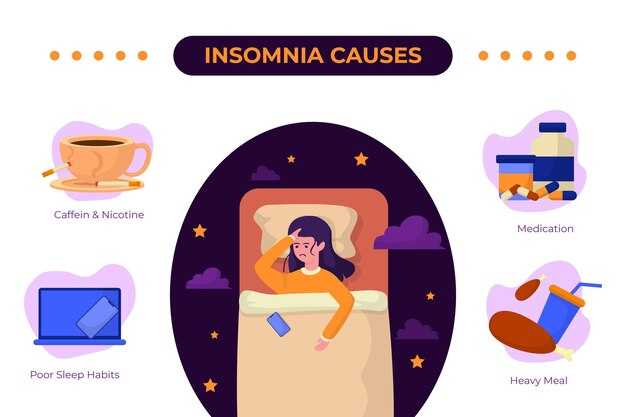 9 tägliche Gewohnheiten über den Tag verteilt für einen besseren Schlaf in der Nacht">
 Wie man interessanter wird – 10 praktische Wege, um Ihre Ausstrahlung zu steigern">
 Die besten Atemübungen für den Schlaf – Techniken für besseren Schlaf">


