

 German
  English
  Russian
  French
  Italian
  Spanish
  Polish
  Ukrainian
  Turkish
  Portuguese
  Greek
Greek  Arabic
  Korean
  Chinese
  Japanese
  Czech
Czech  What Matters to Men on a First Date – Key Qualities & Tips">

While dating, send a compact confirmation 24 hours and again 2 hours before the evening: exact address, arrival window and any parking or transit notes. This reduces the chance someone will be late or worried; once logistics are agreed each person can focus on the exchange instead of logistics and micro-anxieties.
Appearance and practical energy: aim for a fresh look–clean, well-fitting clothes, light grooming and a neutral scent. People are likely to be impressed by neatness and a relaxed posture; choose an outfit that lets you move and work with a natural smile. Avoid outfits that require constant adjustment during a long conversation.
Conversation structure: open with two targeted questions and one observation about the venue to show attention without interrogation. Mirror tone and feelings rather than offering immediate fixes: ask how they feel about a topic, pause to listen, then add a short related anecdote. If someone is already megadating, state availability and boundaries plainly; honesty creates peace and prevents constantly checking motives. Note which topics to avoid on an opening meeting (ex-partners, detailed finances, long medical histories).
Close the evening with a clear signal: if you want another meeting, say so within an hour; if you need time, send a brief message the next morning. Everyone responds better to specific signals than to ambiguity, and this method shortens the follow-up period so interest doesn’t decay or leave you wondering whether it will last long.
Convenience-focused qualities men notice immediately
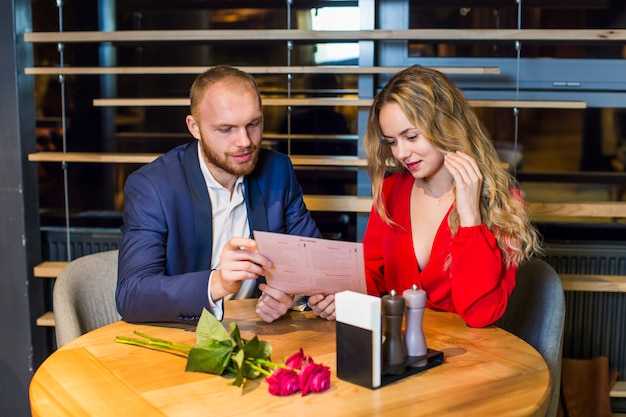
Wear a presentable outfit and arrive 5 minutes early; that amount of punctuality will signal respect and reduce friction in the first 10–15 minutes of conversation.
If youve been tied up or gone over time, message ahead – showing consideration lets the other person adjust their schedule and keeps you from looking careless. Keep your phone silent and out of sight to avoid interrupting flow and making yourself seem distracted.
Lead with neutral interests: mention music or local arts to get the mood in tune and invite easy exchanges. Small talk tends to land better than heavy topics; save politics and core beliefs for after a few dates to avoid derailing connection.
Hold the door, offer a coat when appropriate, and read body language quickly; letting a girl know she’s comfortable will make her more keen to continue. Maintain a relaxed posture and avoid resume-style monologues about work – state relevant facts about yourself, not a career dossier.
Appearance cues that register fast: neat grooming, minimal scent, and a clear smile. Having a clean, put-together look is often more attractive than an elaborate outfit; mens first glance typically registers appearance and posture in under 7 seconds.
Control practical details: limit alcohol amount to one drink in the first hour, decide what logistics you’ll handle (transport, time), and split incidental costs when appropriate so no one has to deal with awkwardness. After the date, send a short message within 12 hours to confirm interest or closure.
| Quality | Action | Time / Amount |
|---|---|---|
| Presentable appearance | Neat grooming, simple outfit | 5–10 minutes prep |
| Punctuality | Arrive early or message if delayed | 5 minutes early / message if gone over 10 |
| Conversation tone | Bring up music or arts, avoid politics | Light topics first; beliefs after 3+ meetings |
Choose a nearby, familiar venue to reduce travel stress

Pick a venue within a 15-minute drive or a single transit transfer so total travel stays under 20 minutes; reserve a specific table and confirm parking or nearest ride-share pickup to keep arrival logistics simple and predictable.
Prefer locations you or the woman have visited before: familiarity reduces unknowns, lowers anxiety without sacrificing novelty, and allows more genuine, deep conversation because cognitive load is lower. Check noise levels (aim for conversational range under ~65 dB), lighting around 2700K–3000K, and table placement near the entrance to avoid long walks that tax the body or require wardrobe changes.
Bring several contingency options: a second nearby backup venue, an indoor-outdoor choice, and menu screenshots to avoid surprises for dietary restrictions. If one person is a client or paying, clarify payment expectations ahead via brief message to prevent an awkward moment at the end; still offer to split if that feels better for both.
From a psychology standpoint, reducing travel time allows authenticity to surface faster and makes it more compelling to stay engaged – people think more about connection and less about logistics. Sometimes a short commute translates into more time together and a higher chance you’ll both feel comfortable enough to show what you love and be myself while keeping things stylish but not overtly sexy.
Practical checklist: confirm transit/parking, reserve a table near entrance, test noise level online or by phone, plan outfit for body comfort, allow a 30-minute buffer for delays, and have an exit plan if either party wants something else sooner; these steps make the outing feel better and worth repeating.
Offer clear meeting time and a visible landmark to avoid confusion
Set an exact clock time (e.g., 19:15) and name one visible landmark within 30–50 m; send a photo and a map pin immediately after confirming.
- Choose the landmark: pick a cafe entrance, plaza statue, or a store window–avoid shallow markers like small signs; female partners find prominent, well-lit spots easier to spot.
- Confirm the minute: state the precise minute and include a 5–10 minute buffer; given transit variability, have a fallback plan and agree on whether to wait inside or outside.
- Payment clarity: if paying was discussed, say “I’ll be paying” or “let’s split” before arrival; if one partner rejects the offer, move on to deeper topics rather than letting payment stall the evening.
- Decide the exact waiting posture: stand by a bench, the entrance, or the bike rack so both know where to look; this small quality decision reduces scanning and awkwardness.
- Send a compelling message copy: one photo, one short sentence, a live map link and the time stamp – youd avoid multiple messages that confuse the meet-up.
- If plans change today, update the pinned message and send a fresh photo; wiping older messages or sending similar blurred images creates confusion through noise.
- Next-best option: agree on a nearby alternate (e.g., “if not here, meet at the taxi stand 40m east”) and confirm that instruction before leaving your location.
- Use small charm, not filler banter: quick hello lines are fine, but aim for meaningful conversation soon after the arrival to move beyond shallow small talk toward deeper connection.
- Manage the moment: if someone’s more than 15 minutes late, ask whether they want to reschedule; theres no gain in waiting indefinitely–admit inconvenience and propose a better time.
- Impress through clarity: act like a director–stage lighting, noise level and exact spot matter; this one thing increases the chance the meeting will feel deep rather than rushed.
- Practical tips: state expectations (on time, paying, waiting place), confirm with a photo, and check in if you’ve been delayed; clear signals mean fewer awkward silences after arrival.
Pick activities with built-in flexibility for early exit or extension
Choose a low-commitment activity type that fits a 45–75 minute window: coffee, a short museum wing, a park walk or a sunday afternoon farmers market; these options sometimes please both people and reduce pressure if chemistry doesn’t develop.
Set a clear time-ahead plan: announce you’ll have an hour free and agree a simple signal for extension. If something happens or you don’t feel safe, use discreet texting to a friend and a prepared excuse (early meeting, visiting family). Prepare brief scripts for requests and rejects so responses stay polite and fast.
Pick venues that can become more or less involved: a coffee spot that turns into a casual bar at night, a park near restaurants, a museum with nearby cafés. Contrast that with long-ticket events like 2+ hour shows where early exit is awkward. Many female contacts prefer scalable plans that let the same meeting shift without pressure; this keeps a balance between flirt and conversation.
Match activity choice to goals: if one person is looking for light conversation, keep it short; if both are interested in depth, plan a longer follow-up ahead. Keep safety practical: choose public locations, share live location with a friend, and avoid home visiting until trust builds. Check local reviews or источник so the spot’s atmosphere makes an exit or extension worth less awkwardness across your social world.
Dress comfortably while matching the venue’s formality
Match your outfit to the venue: casual coffee or daytime bar – dark slim jeans, plain tee or fitted blouse, clean low-top sneakers or loafers; casual-smart restaurant – chinos or skirt, loafers or low heels (≤2.5 in), unstructured blazer; upscale dinner or theatre – tailored suit or sheath dress, polished leather shoes, a single statement accessory. Break in shoes for at least 2–3 hours in advance and avoid brand-new soles on a long outing.
Priorisieren Sie Komfortdetails: Wählen Sie Stoffe mit ≥60% natürlichen Fasern (Baumwolle/Leinen/Wollmischungen), um Überhitzung und Knittern zu reduzieren; bringen Sie eine leichte Schicht für klimatisierte Innenräume mit; achten Sie auf Saumlängen und Ärmelausschnitte, die natürliche Gesten ermöglichen und kein Ziehen verursachen. Packen Sie ein kleines Notfallset (Pflaster, klares doppelseitiges Klebeband, Fleckenentferner) ein, um Sie auf solidem Boden zu halten, falls etwas passiert.
Lass die Kleidung Gespräche und Verbindungen unterstützen: Eine neutrale Farbpalette plus eine Akzentfarbe lenkt die Aufmerksamkeit auf das Gesicht und hält den Smalltalk auf dich gerichtet, nicht auf deine Kleidung. Ein leichter, unaufdringlicher Duft – ein Spray hinter jedes Ohr – spricht die Sinne an, ohne zu überwältigen. Wenn ein Kleidungsstück während eines kurzen Tests nicht bequem war, tausche es aus; Unbehagen lenkt ab und erschwert den entspannten Beginn einer Interaktion, ob es um die Karriere oder Wochenendpläne geht.
Wähle Schuhe passend zum Untergrund: Gras oder Kies – vermeide hohe Absätze, wähle Wedges oder Blockabsätze; Kopfsteinpflaster oder lange Spaziergänge – wähle stützende Flats oder saubere Turnschuhe; Stehgelegenheiten in Bars – minimaler Absatz und gute Fußgewölbestützung. Für einen Plan für einen Ausflug von ein paar Stunden, teste das Outfit in deiner Routine zu Hause (Gehen, Sitzen, Treppen), damit du weißt, was angepasst werden muss.
Kleiden Sie sich nach Ihrem persönlichen Geschmack, während Sie gleichzeitig die gesellschaftlichen Signale des Anlasses beachten. Passen Sie sich natürlich an, wenn das Aussehen der anderen Person formeller oder weniger formell ist - ein schnelles Kompliment kann den Ton neu setzen und leichte, freundliche Gespräche anfangen. Beim Abschied zeigen Komfort: eine selbstbewusste Haltung, fester Stand und ein Outfit, mit dem Sie keine Gründe zur Sorge hatten, hinterlassen einen besseren bleibenden Eindruck als ein zu stylisches Aussehen.
Vereinbaren Sie im Voraus Zahlungs- und Transportpläne, um unangenehme Situationen zu vermeiden.
Erwartungen bezüglich Zahlung und Transport vor dem Treffen abklären: Schlage genaue Betragsspannen für Essen und Transport vor, biete Zahlungsoptionen an (bar, App, Karte) und gib an, wer welchen Anteil bezahlt. Wenn eine Person bereits angeboten hat, dies zu übernehmen, sage dies und bestätige den Erhalt des Angebots, damit die andere Person annehmen oder ablehnen kann.
Bei der Entscheidung zwischen Fahrten sollten konkrete Optionen aufgelistet werden: Treffen in der Nähe öffentlicher Verkehrsmittel, Fahrkosten für ein Taxi teilen oder eine Abholadresse vereinbaren, falls Sie fahren planen. Tauschen Sie Ankunftszeiten aus und machen Sie eine kurze Notiz, wo sich die Toilette am Veranstaltungsort befindet, um Pausen zu vermeiden, die während des Ausflugs unangenehme Stille verursachen.
Verwenden Sie klare Sprache bezüglich der Absichten: Eine Nachricht, die sagt "Ich zahle das Essen, du übernimmst den Transport", reduziert ängstliche Gefühle und verhindert Fehlinterpretationen. Psychologische Studien zeigen, dass explizite Logistik sozialen Stress reduziert und beide Personen wohler fühlen lässt, anstatt zu versuchen, durch Konkurrenz beim Bezahlen zu beeindrucken.
Umgang mit unerwarteten Änderungen pragmatisch: Wenn sich Pläne ändern, kommentiere Alternativen („stattdessen teilen wir die Rechnung“ oder „ich übernehme die Fahrt“) und bestätige, wer die Aktualisierung erhalten hat. Kleine Details wie Frisur oder ein Kompliment zum Essen sind später in Ordnung; bei der Logistik halte dich an die Fakten, um Vermischungen von Signalen über Liebe oder emotionale Absichten zu vermeiden.
Praktische Checkliste: Bestätige Betragsschätzung, wähle Zahlungsmethode, teile Transportmöglichkeit mit, nenne Ausweichplan und sende eine kurze Bestätigungsnachricht – wenn das gut gemacht wird, zeigt es Respekt, reduziert die Unsicherheit darüber, wer was tun muss, und schafft Raum, um sich auf den bevorstehenden Kurs zu freuen.
 Codependenz in Beziehungen – Anzeichen & Erholungstipps">
 Ich liebe meinen Freund, aber ist es an der Zeit, mich zu trennen? 10 Zeichen & wie man sich entscheidet">
 Werden wir denselben Mann daten? Die dunkle Seite von Online-Gruppen">
 Kann ich geliebt werden, wenn ich mich nicht selbst mag? Selbstwertgefühl & Beziehungen">
 Is Texting Cheating? Text Cheating on Facebook Explained">
 3 Effektive Nachrichten, die du einer Frau schickst, die kein Profil auf einer Dating-App hat">
 Warum sich Leute auf Dating-Apps schlecht benommen – Ursachen, Psychologie & Lösungen">
 Warum Männer keine Fragen stellen – Single-Frau-Ratgeber">
 Dialogfenster – UI-Design, Beispiele und Barrierefreiheits-Best Practices">
 Codependenz überwinden – Praktische Tipps, um sich zu befreien">


