German
  English
  Russian
  French
  Italian
  Spanish
  Polish
  Ukrainian
  Turkish
  Portuguese
  Greek
Greek  Arabic
  Korean
  Chinese
  Japanese
  Czech
Czech 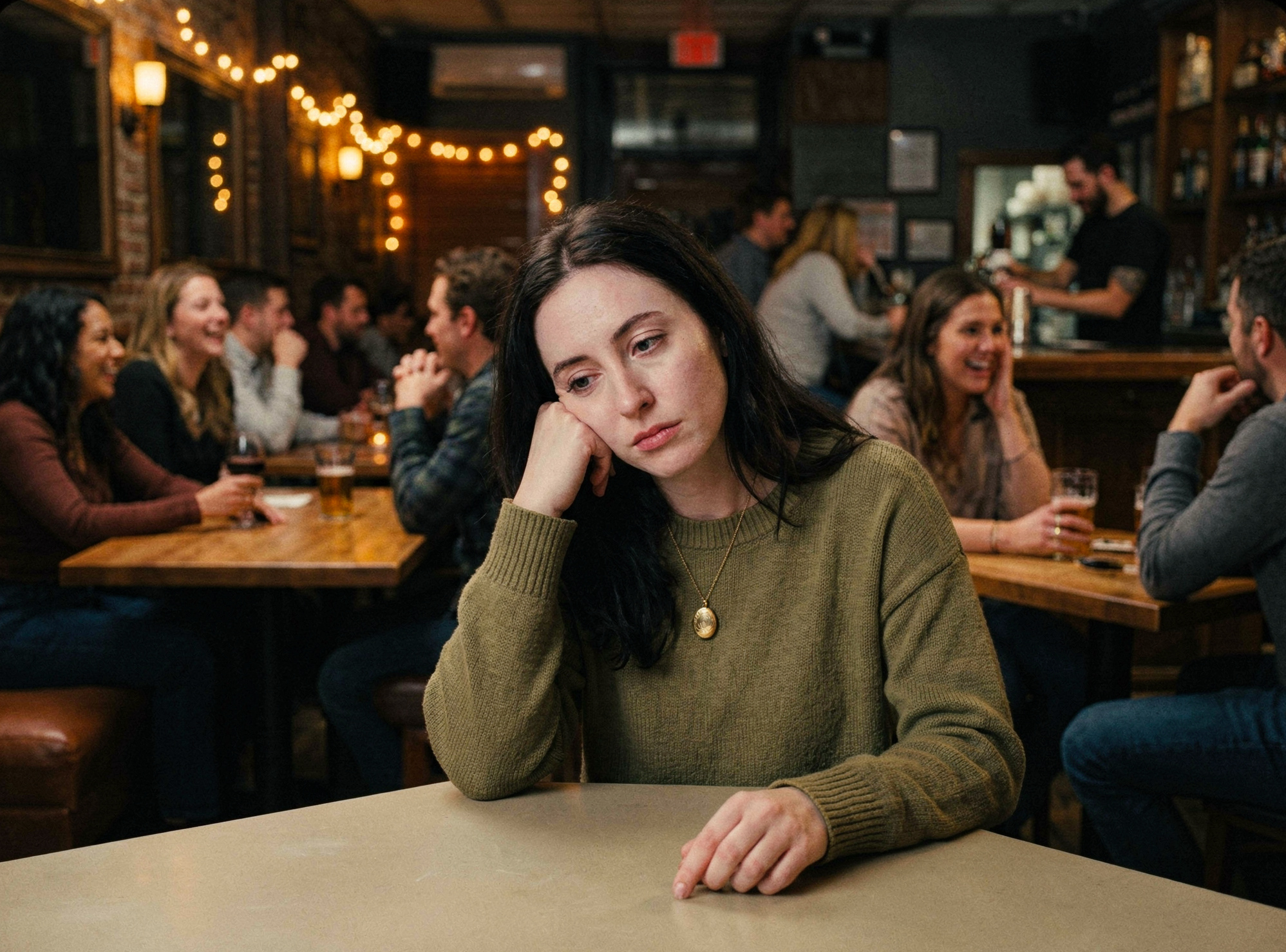

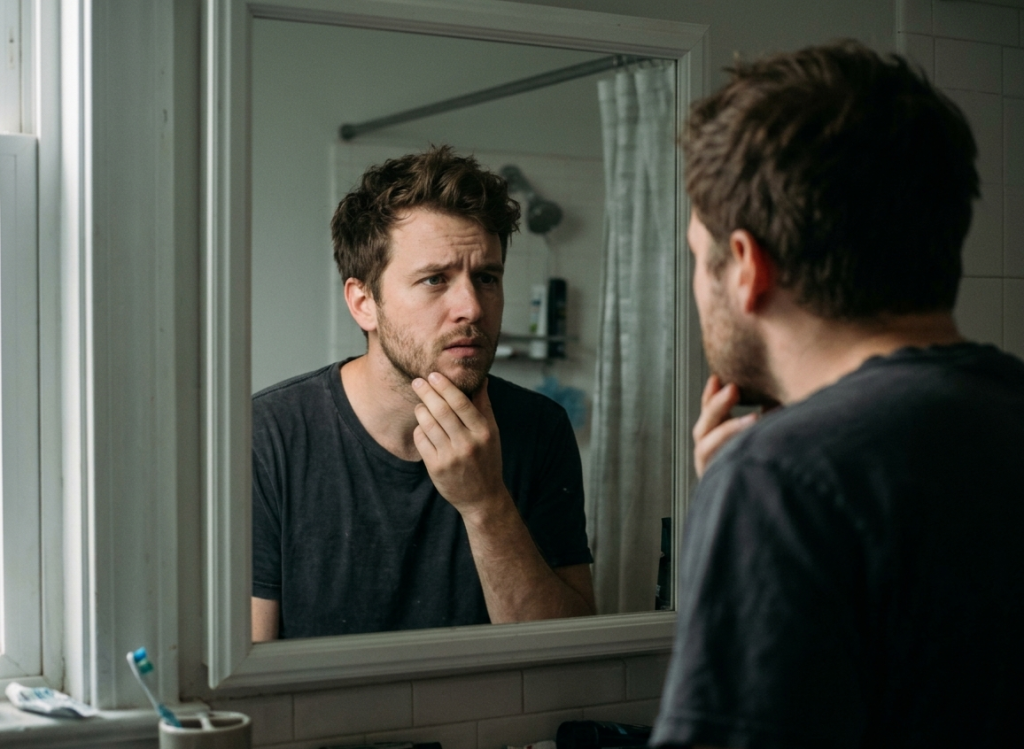
Dating today is vastly different from a decade ago. With the rise of dating apps and the fast pace of modern dating, many singles experience what psychologists and relationship experts call dating fatigue. This form of exhaustion can affect emotional wellbeing, self-esteem, and overall enjoyment of the search for love.
Dating fatigue refers to the emotional and mental strain that arises from prolonged or intense engagement in the dating world. Whether through swiping endlessly on apps or juggling multiple connections, dating can become overwhelming when excitement is replaced by fatigue. Understanding why dating fatigue happens, what contributes to it, and how to cope can help singles navigate the modern dating landscape more positively.
What Is Dating Fatigue?
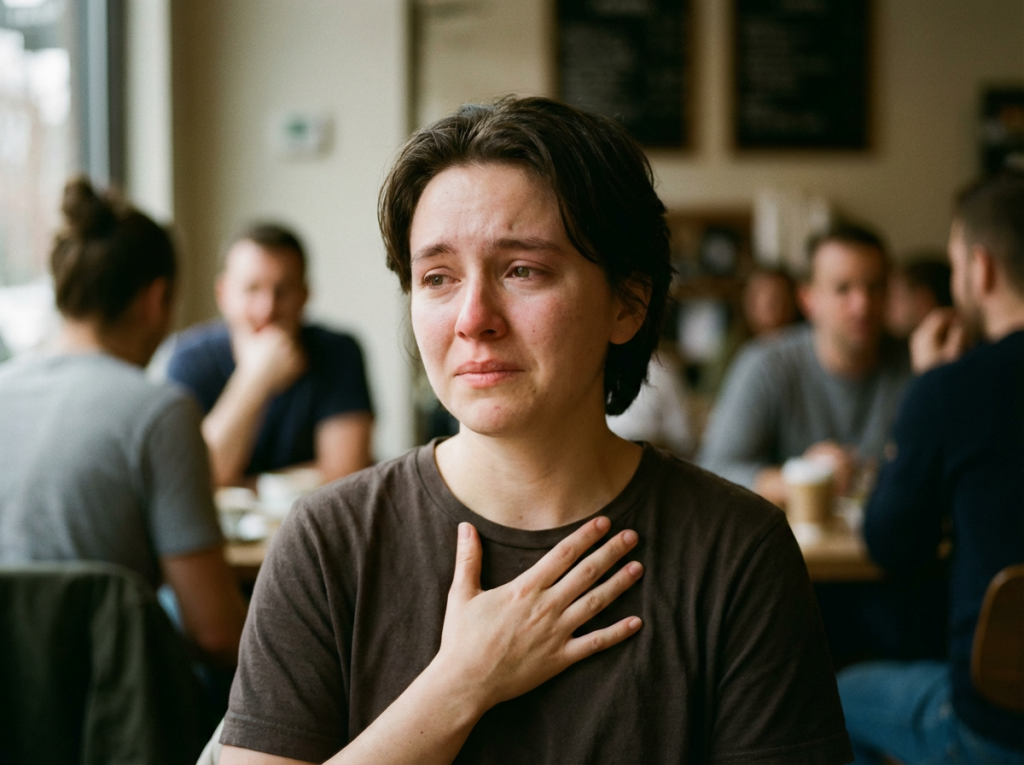
Dating fatigue occurs when the process of looking for love becomes exhausting rather than enjoyable. It can manifest as emotional burnout, frustration, or a lack of motivation to continue dating. Singles experiencing dating fatigue may feel drained after interactions, lose excitement for meeting new people, or struggle to feel safe and comfortable during dates.
This fatigue is not limited to online dating. While dating apps intensify the experience, even traditional dating can lead to exhaustion. Constantly evaluating potential partners, managing social expectations, and coping with rejection all contribute to this mental strain.
Factors Contributing to Dating Fatigue
Several factors play a role in causing dating fatigue. Understanding these contributors can help individuals recognize when they need a break and adopt healthier dating habits.
1. Overwhelming Choice on Dating Apps
Dating apps provide access to thousands of potential partners. While variety may seem exciting, too many options can increase decision fatigue. Singles may feel pressure to swipe constantly, evaluate profiles meticulously, and consider multiple matches at once. This abundance can create mental exhaustion rather than excitement.
2. Superficial Interactions
Many dating apps prioritize photos and short bios, leading to interactions that lack depth. When dating feels superficial, it can reduce emotional satisfaction and increase fatigue. Singles may crave meaningful connection but find themselves trapped in cycles of short, unfulfilling encounters.
3. Rejection and Ghosting
Experiencing rejection or being ghosted repeatedly can take a toll on emotional health. These experiences are common in modern dating culture and can leave individuals feeling discouraged, questioning their worth, and emotionally drained.
4. High Expectations and Pressure
Modern dating often comes with implicit pressures. Singles are expected to be constantly available, responsive, and engaged, both online and offline. Managing these expectations can become tiring, especially when individuals are balancing work, social life, and personal growth.
5. Repetition Without Progress
Repeatedly going on dates without forming meaningful connections can exacerbate fatigue. When efforts do not lead to long-term outcomes or satisfying relationships, singles may feel frustrated or disengaged from the dating process.
Challenges of Modern Dating
The experience of dating fatigue is closely linked to the broader challenges of modern dating. Understanding these challenges helps contextualize why fatigue is so prevalent.
1. Digital Dating Culture
Dating apps have reshaped how people meet and connect. Swiping, messaging, and matching can feel addictive, creating cycles of temporary excitement followed by disappointment. While apps offer convenience, they also amplify pressure and fatigue.
2. Balancing Multiple Connections
Modern dating often involves juggling several conversations or dates at once. While this strategy may increase the chance of finding a compatible partner, it can also be emotionally taxing. Keeping track of multiple connections requires attention, emotional energy, and time.
3. Fear of Commitment or Vulnerability
The abundance of options can encourage commitment avoidance. Singles may hesitate to fully invest in one relationship for fear of missing out on someone else. This hesitancy can create emotional strain and contribute to dating fatigue.
4. Cultural and Social Expectations
Dating is influenced by societal norms about age, appearance, and lifestyle. The pressure to meet these expectations can heighten stress and reduce enjoyment in the search for love. Singles may struggle to feel excited or positive about dating if they constantly worry about judgment.
Signs You Might Be Experiencing Dating Fatigue
Recognizing dating fatigue is the first step toward addressing it. Common signs include:
- Feeling drained or uninterested after interactions
- Losing excitement about meeting new people
- Frequently questioning the value of dating apps or online interactions
- Feeling frustrated or cynical about love
- Avoiding social events or opportunities to meet potential partners
These symptoms indicate that it may be time to take a break and reassess personal needs and expectations.
How to Cope with Dating Fatigue
Coping with dating fatigue requires self-awareness, intentional boundaries, and a focus on personal wellbeing.
1. Take a Break
One of the most effective ways to combat dating fatigue is to step back. Taking a break from dating apps or reducing the frequency of dates allows individuals to recharge emotionally and mentally.
2. Set Realistic Expectations
Adjusting expectations can reduce pressure and disappointment. Singles should remind themselves that not every interaction will lead to love and that meaningful connections take time to develop.
3. Focus on Quality Over Quantity
Instead of swiping endlessly or pursuing multiple connections, prioritize interactions that feel genuine and promising. Focusing on quality can enhance emotional engagement and reduce fatigue.
4. Maintain Emotional Health
Self-care is crucial when navigating dating fatigue. Engaging in hobbies, socializing with friends, or seeking therapy can provide emotional support and restore positivity.
5. Be Mindful During App Use
Mindful engagement with dating apps can prevent exhaustion. Avoid swiping impulsively or responding to every message immediately. Instead, take time to reflect on interactions and focus on matches that align with personal values and needs.
6. Recognize Personal Limits
Everyone has a limit to the emotional energy they can invest. Recognizing these limits and respecting them prevents burnout and preserves the capacity for meaningful connection.
Reframing the Modern Dating Experience
While dating fatigue is common, it is possible to navigate modern dating successfully. By understanding the factors contributing to fatigue and adopting coping strategies, singles can approach dating with renewed energy and perspective.
Reframing the dating experience involves seeing dating as a process rather than a race. Singles can focus on learning about themselves, exploring compatibility, and enjoying social connection. Approaching dating with curiosity rather than pressure reduces stress and creates a more positive experience.
Additionally, balancing digital dating with offline opportunities — such as social events, hobbies, or mutual connections — can provide a more grounded and fulfilling approach. This balance ensures that dating remains exciting, meaningful, and aligned with emotional wellbeing.
Schlussfolgerung
Dating fatigue is an increasingly recognized challenge in the age of dating apps and modern dating culture. Endless swiping, high expectations, superficial interactions, and repeated rejection contribute to emotional and mental exhaustion. Recognizing dating fatigue and implementing strategies to cope — such as taking breaks, focusing on quality, and maintaining emotional health — can help singles navigate the dating landscape more effectively.
Ultimately, the key to overcoming dating fatigue lies in intentional engagement, self-awareness, and realistic expectations. By balancing the convenience of dating apps with mindful practices, singles can preserve energy, enhance their dating experience, and increase the likelihood of forming meaningful, lasting connections.