

 German
  English
  Russian
  French
  Italian
  Spanish
  Polish
  Ukrainian
  Turkish
  Portuguese
  Greek
Greek  Arabic
  Korean
  Chinese
  Japanese
  Czech
Czech  Wie man mit Ablehnung umgeht – Praktische Schritte, um wieder auf die Beine zu kommen">

Do a 10-minute facts audit right after an outcome: list three observable items, one constructive change, and a single next action. This routine does separate emotion from evidence and reduces rumination; perform it within 24 hours and repeat at 72 hours to compare notes.
Schedule four short practices: 10 minutes of brisk movement, 20 minutes to talk with a trusted member or mentor, 15 minutes to scan the relevant contents (messages, feedback, grades) and extract two actionable corrections, and 5 minutes to draft the next attempt. These practices are hilfreich and useful because they transform vague disappointment into a prioritized to-do list that fits into a weekly calendar.
For learning and developing new behaviours, set micro-practices five times per week and log each session. A strong habit loop takes repeated exposure; plan for roughly 30 focused repetitions across six weeks to shift automatic responses. Highlight three recurring patterns across feedback and concentrate one weekly practice on the highest-impact pattern; tracking these over times reveals which adjustments actually benefit outcomes.
If intense reactions last beyond eight weeks or interfere with daily functioning, consult a licensed psychologist for targeted cognitive techniques and exposure drills; six to eight focused sessions typically clarifies underlying beliefs and provides constructive alternatives. Maintain a single progress document with contents, dates and short notes that a coach or support member can review–shared accountability improves adherence and yields measurable improvement in performance metrics.
Press Play for Advice On Dealing With Rejection
Record a 10-minute audio log within 48 hours after being declined: state three objective facts you observed, use naming to label the primary emotion, rate that feeling 0–10, and list two concrete outcomes you want (example: “feedback from hiring manager”; “second interview”).
During the next week run two 15-minute review sessions: play the recording, pause after each statement, and ask a trusted colleague or mentor in your social circle or city to annotate specific behavior changes that could improve results. If someone told you a reason, transcribe the exact quote and note what might be true versus what is belief-based; label factual inputs separately from interpretations.
Use a simple spreadsheet to orient actions based on observable data: columns for date, source, skills tested, outcome, and next action. For career moves, aim for measurable volume (for example, 10 targeted applications per month) and identify one skills gap to fix with a 4-week class. Track outcomes weekly and adjust approaches that show no measurable improvements after three iterations.
If feeling mortified or ashamed, apply two quick cognitive tools: 1) pausing to name the emotion aloud for 10 seconds, which shifts brains activity away from reactive circuits; 2) a 60-second facts checklist that separates “what happened” from “what I believe about myself.” Be mindful of negative beliefs about worth; write one factual counterexample about yourself for each belief you identify.
Practical micro-habits: ask for one short piece of feedback after every refusal, practice one new skill for 30 minutes three times a week, and return to the spreadsheet to compare outcomes after 30 days. These actions create trusted data you can use to assess whether a strategy is working, reduce mortified rumination, and rebuild confidence in yourself.
Name Your Emotions in 60 Seconds and Let Them Move
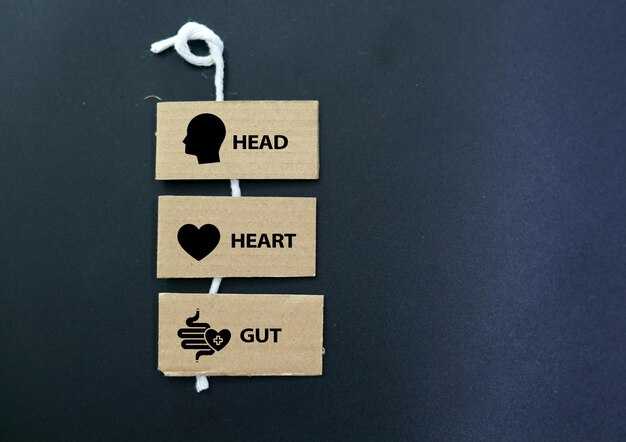
Name the feeling aloud within 60 seconds: set a phone timer, scan from head to sternum to gut, choose one precise label (anger, shame, sadness, dysphoria) and say “I’m feeling X” twice. Labeling calms quick limbic spikes and helps youre nervous system settle; research on affect labeling shows measurable amygdala reduction, so this step works effectively to reduce the initial sting from the event.
Follow a timed micro-routine: 0–60s label; 1–5 minutes track breath and three bodily sensations (head, chest, belly) using a 6/6 breath pattern; 10–30 minutes shift with movement or a short task to discharge charge. Use neff-inspired wording after labeling: “this is suffering; I’m not alone; may I be kind to myself” – this guidance strengthens quick self-soothing and improves short-term coping. Additionally, capture one sentence in a note linking the feeling to specific areas of thought and any childhood echoes to prevent rumination and reduce worry.
If youre leary of sharing, tell trusted others you’re looking for brief support or send the single-sentence log; if support is denied, perform a 5-minute sensory reset (cold water on wrists, 90–120 steps, or textured object) and move between sensations and actions so the sting doesn’t compound. Do not downplay what you feel; minimizing extends how long you suffer and slows recover, whereas naming interrupts fusion with identity and lets emotion move on.
Use two check-ins: rate intensity 0–10 at 24 hours and again at 7 days, then compare the above notes to identify what reduced intensity. Prioritize routines that lowered scores–sleep, short social contact, or micro-breathing–and apply that guidance across similar areas; small acts of kindness toward yourself will make you feel well and help everyone around you notice you are more resilient after being denied or criticized.
Reframe Rejection as Feedback, Not Personal Defeat

Ask for one specific reason within 48 hours: request two concrete examples of the behavior or deliverable that led to the decision, confirm their answer by summarizing it back to them, and log the response; asking directly turns an unpleasant interaction into actionable data and takes less than 15 minutes, which prevents unhealthy rumination.
Consider psychological framing: map each item to a core skill or process, assign one measurable metric and a 30/60/90 schedule of small actions, then track outcomes weekly; when feedback turns into defined targets you can measure, two improved outcomes within eight weeks is a realistic signal that your plan is sound. If the source wont provide specifics, treat the lack of detail as information about their process rather than a personal verdict.
Use three steps for emotional recovery: a 10‑minute journal entry to externalize thoughts, a breathing protocol to reduce physiological reactivity, and one short conversation with a trusted peer for candid perspective. Combine rejection-coping tactics with kindness toward yourself; avoid replaying scenarios that fuel unhealthy patterns, and consider seeking psychological support for deeper healing. Remember a single refusal does not cancel a relationship or erase competence – actually many people in a city job market have multiple no’s before an offer, and every case is personal, so measure what changes and let that evidence guide them.
Create a 24-Hour Recovery Plan for Immediate Next Steps
Begin a 24-hour recovery plan now: block the next 30 minutes for grounding (5 minutes box breathing – inhale 4s, hold 4s, exhale 4s, hold 4s), a 10-minute evidence check, and one 2-minute outreach to a trusted contact you can reach by call or text.
| Zeit | Action | Concrete targets & measures |
|---|---|---|
| 0–30 minutes | Ground, assess, contact | 5 min breathing; 10-item evidence list (3 supporting, 3 contradicting); 1 short call to a trusted person; rate distress 0–10 (grades) |
| 30–120 Minuten | Reframing & short activity | 15 min reframing exercise (write 3 alternative explanations); 20 min brisk walk (60–80 steps/min); 20 g protein snack; limit social media viewing to 10 min |
| 2–6 hours | Introspection, plan practical next moves | 30 min structured introspection: identify 3 behaviours you can change; list 2 tasks you can complete today; set one 24-hour goal; pause if intense emotion occurs and use 4-4-4 breathing |
| 6–12 hours | Regulate and recover physically | Eat balanced meal with 25–35 g protein, 30–40 g fibre; 20–30 min light exercise or stretching; check a trusted website for practical resources (limit 20 min) |
| 12–24 hours | Reflection and next-day plan | Write a 10-line compassionate note to yourself; assign grades to intensity, clarity, and control; set bedtime to allow 7–9 hours sleep; identify one person to reach if distress persists |
Use the following quick cognitive sequence every time a strong thought occurs: identify the thought, ask for evidence that supports it, list evidence that contradicts it, and reframe into a balanced statement you can say aloud in 20 seconds. This reframing should highlight facts, not interpretations, and include at least one alternative explanation you consider valid.
For social contact, define the role of each person in your support map: one trusted friend for emotional validation, one mentor for perspective on performance or grades, and one professional or helpline if safety concerns occur. Always ask for a specific response (example: “Can you listen for 5 minutes?”) to avoid open-ended requests that increase uncertainty.
During introspection use three concrete prompts: 1) What exactly happened (observable facts)? 2) What behaviours followed and what value did they serve? 3) What small, measurable action will make me feel healthier or more in control in the next 24 hours? Record answers in under 15 minutes.
Limit unhelpful viewing: set a 20-minute total for news, social feeds, and website resources combined during the first 6 hours; document the URL you used and one actionable insight you gained. If rumination continues beyond 60 minutes cumulatively, switch to an activity that taxes working memory (puzzle, timed coding task, or a focused household chore) to reduce repetitive negative thought loops.
Be compassionate but decisive: give yourself patience for unpleasant emotion while committing to at least three concrete, observable actions before sleep. If distress does not ease or safety concerns arise, reach emergency services or a crisis line immediately and follow their directions; this response is valid and appropriate beyond self-help measures.
Set a Micro-Goal to Rebuild Momentum Within 48 Hours
Select one measurable micro-goal and complete it within 48 hours: set a date + start time, allocate 30–60 minutes, and record outcome immediately.
- Options (pick one): write a 200‑word reflection, send one follow-up message to a contact who have not responded, submit one application, or schedule a 20‑minute call with family for perspective.
- If the source of the setback was a narcissist, make a boundary micro-goal: draft a neutral 3‑sentence reply, then archive the thread.
- For social or work rejections, send a single clarifying question – measure whether the person responded within 48 hours.
Nutzen Sie diesen personalisierten Plan, um Fortschritte zu messen:
- Definieren Sie das Mikroziel in einer Zeile (was, warum, Erfolgsmetrik).
- Legen Sie das Datum und die Startzeit innerhalb der nächsten 48 Stunden fest und blockieren Sie den Slot in Ihrem Kalender.
- Bewerten Sie vor Beginn die wahrgenommene Stärke und Stimmung auf einer Skala von 1 bis 10.
- Erledigen Sie die Aufgabe; bewerten Sie dann erneut die wahrgenommene Stärke und notieren Sie die dafür benötigte Zeit.
- Halten Sie für jeden Versuch einen Lernpunkt fest und passen Sie das nächste Mikroziel entsprechend an.
- Zu verfolgende Metriken: Verbrachte Minuten, Ergebnis (gesendet/eingereicht/erledigt), ob der Befragte geantwortet hat, wahrgenommene Stärkungsveränderung und eine Zeile des Gelernten.
- Wenn die Ergebnisse geringer sind als erwartet, wiederhole ein angepasstes Mikroziel innerhalb von 24 Stunden anstatt länger zu warten – kleine Iterationen verbessern den Schwung effektiver.
- Behalten Sie Einträge für drei Versuche bei; verbesserte Ergebnisse über drei Versuche hinweg deuten auf einen nachhaltigen Vertrauensgewinn hin.
Hinweise zur Unterstützung: Bitten Sie ein vertrautes Familienmitglied oder einen Psychologen, Ihren Plan zu überprüfen; eine 10-minütige externe Perspektive verschafft oft schneller Klarheit als das alleinige Grübeln. Hier sind schnelle Anregungen, die sie als Leitfaden verwenden können: Was war kontrollierbar, was haben Sie gut gemacht, was als Nächstes zu tun ist.
Praktische Hinweise: Definieren Sie Ziele spezifisch (eine E-Mail senden), messbar (eine Antwort oder keine) und zeitlich begrenzt (30–60 Minuten). Die Entwicklung dieser Routine macht es weniger anstrengend, Rückschläge zu bewältigen, und erschwert die persönliche Betroffenheit; der Prozess verwandelt kleine Erfolge in kumulative Stärke, was die Erholung unterstützt und die Fähigkeit, mit Ablehnung umzugehen, im Laufe der Zeit verbessert.
Entwerfen Sie eine Support-Nachricht und suchen Sie nach Perspektiven.
Senden Sie innerhalb von 24–48 Stunden eine prägnante Support-Nachricht, die das Ereignis benennt, ein klares Gefühl ausdrückt, ein Beweismittel beifügt und um einen einzigen, zeitlich begrenzten Gefallen bittet (10–15 Minuten per Anruf oder eine kurze Antwort).
- Nachrichten-Blueprint:
- Geöffnet: „Ich habe [was] am [Datum] erlebt.“
- Objekt: Nennen Sie das Ziel in einer Zeile – z. B. „Ich brauche Ihre schnelle Einschätzung.“
- Nachweis: Fügen Sie ein konkretes Beispiel oder einen Auszug (E-Mail-Zeile, Zeitstempel, Metrik) ein.
- Anfordern: eine bestimmte Aktion anfragen – einen Anruf, einen Verbesserungsvorschlag oder eine Ja/Nein-Bestätigung.
- Länge und Timing:
- 2–3 Sätze, 40–80 Wörter; Anrufe sind auf 15 Minuten begrenzt.
- Bieten Sie zwei Termine/Zeiten an und bestätigen Sie 24 Stunden im Voraus; machen Sie die Nachverfolgung einfach (zusammenfassende Einzelantwort).
- Empfänger und Kanal:
- Wählen Sie 1–3 vertrauenswürdige Kontakte aus, die Ihren Lebenskontext und Ihre Karrierehistorie kennen; stellen Sie jedem Kontakt eine fokussierte Frage.
- Bevorzuge Sprache, wenn Nuancen wichtig sind, und Text für eine schnelle Perspektive – vermeide Gruppendreads.
- Angesichts begrenzter Zeit, priorisieren Sie Personen, deren frühere Reaktionen mit messbaren Ergebnissen übereinstimmten.
- Beispiel kurzer Text: „Ich fühlte mich abgewiesen nach X am [Datum]. Können Sie 10 Minuten Zeit nehmen, um zu hören, was passiert ist, und Ihre Reaktion mitzuteilen?“
- Beispielhafte E-Mail-Objektzeile: „Bitte um Einschätzung – Beweismittel im Anhang.“ Text: „Ich möchte herausfinden, was ich verbessern kann und feststellen, ob dies ein Einzelfall ist oder Teil eines Musters.“
- Wenn Feedback von einem Fremden oder Personalvermittler eingeht, protokollieren Sie deren Kommentare als Daten; es ist verständlich, sich darüber verärgert zu fühlen, aber nutzen Sie die aufgezeichneten Beweise, um die nächsten Schritte zu entscheiden.
- Anfälligkeit zeigen: Ein Gefühl und eine Tatsache preisgeben – Anfälligkeit hilft, wenn sie mit einer konkreten Bitte einhergeht.
- Nutzen Sie ihre Beispiele, um Muster zu erkennen: Vergleichen Sie Reaktionen über Kontakte hinweg und notieren Sie Unterschiede im Ton und Rat.
- Wandeln Sie Antworten in ein kleines Experiment um: Wählen Sie einen Vorschlag aus, führen Sie ihn zwei Wochen lang aus und messen Sie die Ergebnisse, um herauszufinden, ob er Sie vorwärts bewegt.
- Akzeptieren Sie, dass Sie ein klares, respektvolles Feedback verdienen; wenn ein Responder keine konstruktive Perspektive anbieten kann, gehen Sie weg und suchen Sie gesündere Input.
- Erfassen Sie Ergebnisse in einem einfachen Protokoll (Absender, Datum, Kanal, wichtigste Erkenntnis), um Trends zu erkennen und zukünftige Reichweite zu verbessern.
Halten Sie den Prozess einfach zu wiederholen: eine kurze Vorlage, ein vertrauter Leser und eine Metrik, um zu beurteilen, ob die Perspektive Ihren Selbstvertrauen, Entscheidungen oder Karrierewegen geholfen hat.
 How to Become More Mindful in Your Everyday Life – Simple Daily Practices">
 Sexless Marriage – Causes, Signs, and When to Walk Away">
 35 Very Good Responses for When You’re Not Actually OK | Speak Up and Seek Support">
 12 Beziehungsmuster, die für Sie gelten">
 Konfliktmanagementstile – Ein praktischer Leitfaden für eine effektive Lösung">
 Personality vs Character – Key Differences, Traits, and Why They Matter">
 9 Geheimnisse zum Dating eines Introvertierten – Was wirklich funktioniert">
 Sleep Divorce – Can Sleeping Apart Improve Sleep Without Hurting Your Relationship?">
 12 Praktische Tipps, um ein gesundes Gleichgewicht zwischen Beruf und Privatleben zu erreichen">
 Top 10 schnelle Fakten über Sozialpsychologie">


