

 German
  English
  Russian
  French
  Italian
  Spanish
  Polish
  Ukrainian
  Turkish
  Portuguese
  Greek
Greek  Arabic
  Korean
  Chinese
  Japanese
  Czech
Czech  Common Mistakes in Conversations and How to Avoid Them for Better Communication">

One-line goal: say what you want, name the outcome, give a time frame. This single move reduces derailment in any conversation, increases communication clarity, lowers emotional escalation; set a timer when appropriate. Aim to listen about 70% of the time, speak 30%.
Use short, neutral descriptions of behavior instead of labels; in a casual setting state the place, set expectations, then pause. When boomerasking about details think about timing; have a concrete example ready. Use a three-second silence after someone finishes a sentence; that pause uncovers facts people skip when rushed.
Admit specific past errors; label your mental state, name your feelings with brief phrases: “I felt ignored,” “I was anxious.” If youve regretted a message sent too soon, step away briefly; return with a real clarification rather than a defensive justification. This makes their response more open; trying to defend earlier choices reduces trust.
Measure clarity with two quick checks: ask for a one-sentence summary, request one concrete next step. Schedule a follow-up sooner than later to review progress. Small consistent promises kept build trust naturally, improve mutual accuracy, prevent repeated clashes.
Practical fixes to keep conversations balanced and inclusive
Set a visible speaker timer immediately: assign 45–90 seconds per turn; facilitator enforces limits to save time, reduce domination, allow every participant to speak. If a slot remains empty, let a volunteer fill extra seconds with one concrete example. Use a simple countdown app visible to all, record actual speaking times as percentages so future sessions adjust to quieter voices.
Use direct invitations that lower pressure: ask precise questions such as “Can you answer this in 30 seconds?” or “Share one fact from your work.” Phrase scripts to communicate expectations respectfully; trainers should model “I felt unsure earlier, couldnt finish, may I reply later?” That reduces embarrassment, signals thats acceptable to pass, to return, to contribute via text.
Enable silent options during live meetings: open a chat channel reserved for short notes while others speak; mark that channel as read aloud at breaks so chatting does not get lost. Offer a private reaction emoji set people can use without speaking; track chat entries fully, tag authors when summarizing, avoid editing content without consent. Many people feel more excited to write first, then speak once free of immediate pressure.
Follow up with targeted, respectful checks: after sessions ask two questions by email: “What felt fair within this meeting?” “What could help you speak next time?” Use those replies as data points; if someone couldnt contribute, invite a short written answer later, quote their examples only with permission. Keep a running log from past meetings to compare who spoke, how long, which topics filled time, so moderators can try rotating roles, adjust formal agendas, ensure every voice is truly heard.
Pause vor der Antwort
Pause three seconds before replying; count silently to three to reduce misinterpretation, gather facts, set tone.
Use such pauses while chatting or at a party; this reduces awkward reactions, makes replies easier to follow, lowers embarrassment risk, especially when emotions rise.
If a question requires specifics youre missing, state: “Unavailable to answer fully right now; I will take time to collect facts.” The author of this article says telling others you need time will fill silence with intent, not rambling.
Stop using filler ones like um or uh; practice with an alter-ego voice to role-play concise replies, rehearse boundaries so pauses feel natural. If a discussion has started fast, stop; slow cadence resets expectations. A brief pause isnt a weakness; it solves many problems, yields good responses that are fully understood, improves communication, makes exchanges easier.
Ask Open-Ended Questions to Explore
Ask open-ended prompts: “What happened next?”, “Tell the story from your viewpoint”, “What did you feel during that moment?”; use six open questions per ten minutes; speak about 30% of the time; let the other person speak 70%.
- Use the following script: “Tell me what led to that decision”, “What did you notice first?”, “What changed afterward?”; avoid yes/no stems; dont stack multiple probes at once.
- Benchmark: in a 60-minute session target 36 open queries; that produces roughly 12 extra minutes of narrative compared to closed-only approach according to meeting files review.
- When theres silence, pause 15 seconds before a gentle prompt; silence often helps getting deeper into the story; this signals intelligence in listening; it signals respect boundaries.
- mark emotional peaks with brief reflective labels; ask one focused question about that feeling; allow the person to describe themselves free of interruption.
- If problems block progress, ask: “What outcome would you accept?”, “What keeps you away from that outcome?”; follow with clarifying questions about timing, resources, prior attempts.
- Case study: marcum asked “What did you try next?”; the person gives longer stories; teams reported increased understanding. Whereas chandler used checklist prompts; answers shortened; issues remained unresolved.
- Dont interrupt; limit your own turns to single prompts; if youve spoken more than twice within a minute, stop; offer a short reflective summary that gives a precise mark of what youve listened to.
- Train elite interviewers with 10-minute drills: one person tells a personal story; listener asks only open questions; rotate roles weekly.
- Use expert review: record sessions only with consent; sample three files per month; measure open question frequency; aim to increase that ratio by 30% within three sessions.
- Some follow-ups should be clarifying only; dont convert an exploration into an interrogation; theres value in leaving space free so the person can continue without pressure.
Paraphrase and Validate What You Heard
Paraphrase immediately: within three seconds after the speaker pauses, restate the main point in one clear sentence, name the apparent intent, then invite a quick yes/no confirmation.
- Measure response time: aim for 0–3 seconds after a pause; longer delays reduce trust, shorter replies seem scripted.
- Keep paraphrase length: 8–15 words that capture facts; avoid adding new claims that change the meaning.
- State intent explicitly: label what the person seems to want (example: “Youre asking for extra time, not more resources”).
- Use neutral tone: adopt a flat pitch; choose neutral verbs such as “seem”, “state”, “report”.
- Validate with a closed query: ask a yes/no; if negative, request one short correction.
- Practical script: “If I heard you right, you mean X. Is that correct?” – only replace X with 8–12 words from their statement.
- When messages are long: paraphrase the single actionable item, then summarize secondary points in bullet form.
- Newcomer tip: practice with roleplay twice weekly; track success rate by noting whether the partner corrects you within one turn.
- When emotions rise: keep posture open, speak slower, show palms briefly; this reduces visible tension around a person by measurable signs (breathing rate, voice pitch).
Handle perceived disrespectful remarks by isolating content from tone: say “I heard you say X; I want to know whether X was your intent” before offering judgment. This keeps the exchange direct, small in scope, safe to continue.
If youre the author of a complex point, preface with a short map: list three items in order; after the second item pause and ask whether the partner listened. That small process avoids rework later.
Avoid guessing motive: replace “You meant” with “It means to me that” when reflecting thinking aloud. This shows humility, preserves trust, limits escalation when theres visible tension.
When asking for clarification, use “something” to invite expansion: “You mentioned something about X; could you expand?” This phrase reduces pressure for immediate precise answers.
Practice the skill in casual chatting: two minutes daily, paraphrase one sentence from a friend; measure improvement by whether the friend says “yes, thats it” within one correction. Track progress over four weeks to make the method natural.
Share Your Story Sparingly
Limit personal stories to 60–90 seconds: one sentence of context, one sentence that shows action, one sentence with the lesson. Actually time it once with a phone stopwatch; trim anything that pushes past 90 seconds in group conversations.
Ask permission before expanding: a polite prompt such as “May I share a brief example?” prevents you from filling silence when a listener is unavailable or distracted. If the person replies “later,” prepare a one-sentence summary to send later rather than repeating the full anecdote.
Use anecdotes to present solutions, not to rehash problems. Describe how specific persons behave, what they did, and what others can take as advice; avoid naming or blaming someone–someones perceived fault can make the story seem like an attack. Watch nonverbal cues to catch whether people are reacting; if eyes glaze or responses stall, stop and ask a question.
Adjust length by audience: women and friends sometimes prefer conversational pacing; workplace advocates and elite panels expect tighter delivery. Over the past years successful sharers cut anecdotes by 30–50% and structured them around a measurable outcome. To communicate better in meetings and future one-on-ones, keep stories actionable, nice in tone, and focused on solutions rather than on cataloguing problems.
Redirect When Others Dominate the Conversation

Use a brief redirect: greet the speaker; say, “Pause–I’d like to hear two quick responses from the group.”
Use neutral body language; stay at eye level; keep tone even, real, respectful. Offer a one‑sentence script that signals boundaries without shaming: “That was helpful; can we get one short reply from someone else?”
When a participant cant stop, intervene with time limits. Establish a visible clock or timer in meetings, set a two‑minute cap per turn during problem solving, rotate turns around the table so many get airtime. Signal limit with a subtle hand raise; become silent once request issued to let the pause do the work.
Use conversational prompts to include quieter members: ask, “Who else can add one data point?” Pause five seconds after the question; silence increases chance someone speaks. If someone looks uncomfortable, invite them respectfully to pass; honour theirs choice.
Developing simple ground rules before sessions reduces takeover. A short agenda, explicit turn order, named facilitator, visible signals increase compliance. In social settings prep a host to intervene; in clinical or specialist meetings assign a moderator. Caspersen, Monica psyd says structured turns reduce monopolies; her articles document reduced interruption rates in team tests.
Practice scripts until they become automatic: greet, redirect, assign a timer, stay neutral; repeat when needed. Keep language real, concise, low‑judgment. Track instances over a month; log past interruptions, note who dominates, then apply targeted strategies to rebalance talk time.
| Skript | Settings | Erwarteter Ausgang |
|---|---|---|
| “Greet briefly; pause–two quick takes, please.” | Team meeting, workshop, small group | More balanced turns; many speak; quieter members become comfortable |
| “I want one short idea from someone who hasn’t spoken.” | Brainstorm session, planning | Fewer repeats; development of new perspectives around the topic |
| “Thanks; let’s save longer points until the end.” | Social gathering, check‑ins | Conversation flows; monopolizer senses boundaries; others get space |
 Selbstüberwachung und Reflexion für Verhaltensänderung – Schlüsselstrategien">
 Wie man weniger emotional reagiert – Praktische Tipps">
 7 Dinge, die Sie sagen können, wenn jemand Sie gaslightet – Praktische Formulierungen, um Stand zu halten">
 Wie und Warum du dich selbst daten solltest – Ein praktischer Leitfaden zur Selbstliebe">
 How to Deal With a Negative Spouse – Practical Tips for a Healthier Relationship">
 3 Gründe, warum Sie schlechte Entscheidungen treffen (und wie Sie damit aufhören)">
 21 Romantic Phrases in English to Impress Your Date – Quick Guide">
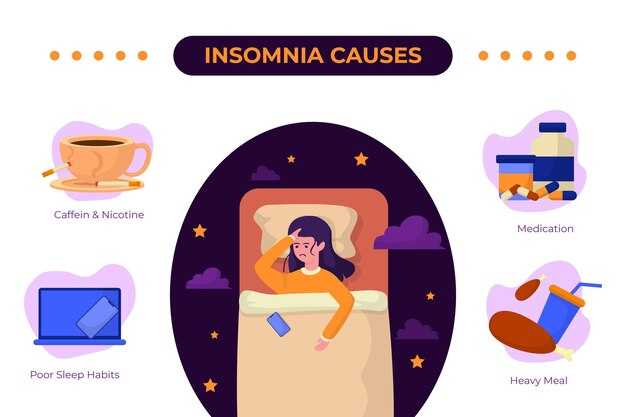 9 tägliche Gewohnheiten über den Tag verteilt für einen besseren Schlaf in der Nacht">
 Wie man interessanter wird – 10 praktische Wege, um Ihre Ausstrahlung zu steigern">
 Die besten Atemübungen für den Schlaf – Techniken für besseren Schlaf">


