Czech
Czech  English
  Russian
  French
  German
  Italian
  Spanish
  Polish
  Ukrainian
  Turkish
  Portuguese
  Greek
Greek  Arabic
  Korean
  Chinese
  Japanese

Relationships can be a source of immense joy, emotional support, and personal growth. Yet, for some individuals, the intimacy of a romantic connection can come at a cost — the sense of losing yourself. Balancing personal identity with partnership is one of the key challenges in modern relationships. Knowing when you are losing yourself versus growing together with your partner is crucial for emotional wellbeing and long-term happiness.
Losing yourself in a relationship occurs when your priorities, values, or sense of self are compromised to accommodate another person. Conversely, growing together involves maintaining your true selves while nurturing shared goals, dreams, and emotional bonds. Understanding the signs of losing yourself and learning strategies to preserve your identity can make relationships both fulfilling and sustainable.
What It Means to Lose Yourself in a Relationship
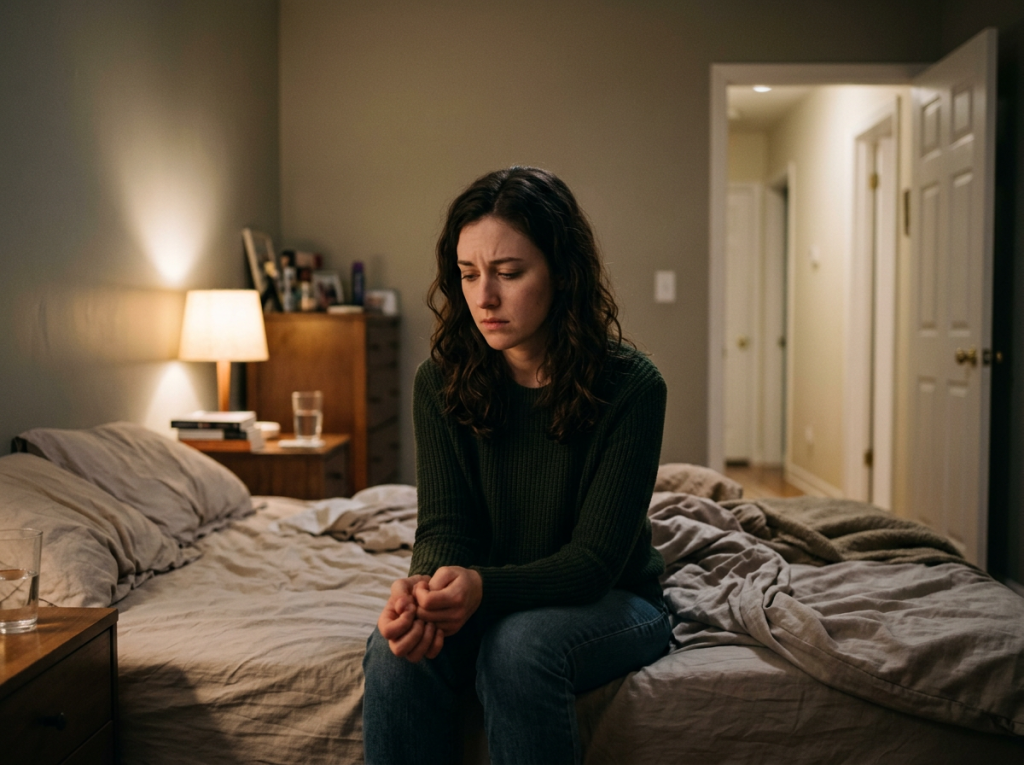
Losing yourself in a relationship does not happen overnight. It often begins subtly, with small compromises that accumulate over time. When individuals prioritize their partner’s desires, feelings, or expectations over their own consistently, they may start to feel disconnected from their core self.
This loss can affect various aspects of life, from personal hobbies and social connections to emotional expression and career goals. A person may feel that their opinions are less important, or that their identity has become secondary to maintaining the relationship. Over time, this can lead to feelings of unhappiness, confusion, and even resentment.
At its core, losing yourself is a sign that the balance between individuality and partnership has tilted too far. Relationships are meant to support personal growth, not diminish it. Recognizing the difference is the first step in regaining a sense of self.
Signs You Are Losing Yourself
Identifying when you are losing yourself is not always easy. Emotional attachment, love, and the desire to make a relationship work can cloud self-awareness. Here are some common signs that indicate a person might be losing themselves in a partnership:
1. Constantly Compromising Core Values
If you find yourself regularly compromising your values or beliefs to avoid conflict or keep your partner happy, it may be a sign of losing yourself. Healthy compromise is natural, but sacrificing your core principles repeatedly is not.
2. Feeling Anxious About Being Authentic
A key indicator of losing yourself is a fear of expressing your true thoughts and feelings. When you avoid sharing opinions, desires, or dreams because of potential judgment, you disconnect from your authentic self.
3. Neglecting Personal Interests and Dreams
Relationships should support your growth, including your personal dreams and hobbies. If you notice that your passions or priorities are consistently sidelined, you may be lost in the relationship.
4. Over-Dependence on Partner Approval
Relying on your partner’s validation for self-worth is a warning sign. While support is healthy, constant dependence on approval can erode confidence and autonomy.
5. Feeling Unhappy or Unfulfilled
Persistent feelings of unhappiness, even in moments of intimacy or affection, may indicate that you are losing yourself. If you frequently feel exhausted, anxious, or disconnected, your personal identity could be overshadowed.
6. Losing Sense of Boundaries
Boundaries are essential to maintaining individuality in a relationship. If you find it difficult to say no or prioritize your needs, you may be sacrificing self-respect for the sake of harmony.
The Difference Between Losing Yourself and Growing Together
While losing yourself is about compromise at the expense of personal identity, growing together involves mutual support, respect, and emotional expansion. In a healthy relationship, partners nurture each other while maintaining their true selves.
1. Mutual Respect for Identity
Growing together means both partners honor each other’s individuality. Each person feels valued for who they are, not just as an extension of the other.
2. Shared Goals Without Sacrificing Self
Partners can pursue shared dreams and goals without abandoning personal aspirations. Healthy relationships encourage collaboration while respecting individual priorities.
3. Emotional Support and Reciprocity
In growth-oriented relationships, emotional support flows both ways. Both partners feel safe expressing feelings, concerns, and desires without fear of judgment or rejection.
4. Strengthening Rather Than Diminishing
Rather than diminishing personal identity, growing together strengthens emotional resilience, self-awareness, and life satisfaction. Partners enhance each other’s lives while maintaining autonomy.
Why Losing Yourself Happens
Understanding the reasons behind losing yourself can help prevent it. Several factors contribute to this dynamic in relationships:
1. Fear of Conflict or Rejection
Some individuals prioritize harmony over authenticity to avoid confrontation. This behavior may stem from past experiences or fear of losing love.
2. Low Self-Esteem
People with low self-esteem may seek validation through their partner, resulting in diminished self-expression. This reliance can blur boundaries and compromise individuality.
3. Over-Identification with the Relationship
When a person defines themselves primarily through their relationship, they risk losing their identity. Their world revolves around the partner, leaving little room for personal growth.
4. Cultural or Societal Pressure
External expectations about relationships, roles, and partnership can encourage individuals to suppress personal needs to conform, contributing to a loss of self.
5. Emotional Overinvestment
Excessive emotional investment in a partner, especially in early stages of love, can lead to neglect of personal priorities and internal needs.
How to Reconnect With Yourself
Regaining a sense of self requires awareness, intentional action, and self-compassion. The following strategies can help individuals restore balance in a relationship or personal life:
1. Reflect on Core Values
Take time to identify what truly matters to you—your principles, dreams, and priorities. Understanding your core self provides a foundation for asserting boundaries and making choices aligned with your values.
2. Communicate Needs Clearly
Open dialogue is crucial. Express your feelings, desires, and limits to your partner honestly. Clear communication fosters understanding and reduces the likelihood of feeling lost.
3. Reestablish Personal Boundaries
Boundaries protect individuality. Reclaim your time, space, and emotional energy. Saying no when necessary does not harm the relationship; it strengthens it by promoting mutual respect.
4. Pursue Personal Interests
Engaging in hobbies, passions, or social activities outside the relationship reinforces autonomy. Pursuing personal goals helps maintain a sense of fulfillment independent of the partner.
5. Seek Support
Therapy, coaching, or trusted friends can provide guidance and validation. External support helps individuals navigate emotional challenges and regain clarity about themselves.
6. Practice Self-Compassion
Forgive yourself for compromises or losses in the past. Recognize that regaining self-awareness is a process that requires patience and understanding.
Growing Together: The Healthy Alternative
Relationships can be powerful catalysts for personal growth when both partners prioritize mutual respect and emotional development. Growing together involves:
- Encouraging each other’s dreams and individuality
- Sharing responsibilities and decision-making equally
- Celebrating differences rather than expecting conformity
- Providing consistent emotional support and understanding
This approach ensures that both partners feel fulfilled, valued, and happy, cultivating a relationship that enhances rather than diminishes personal identity.
Challenges in Maintaining Identity While in Love
Even in healthy relationships, maintaining individuality requires effort. Emotional intimacy can blur boundaries, and daily routines may inadvertently encourage dependency. The key is continuous self-awareness and reflection.
Partners should recognize the importance of personal growth, supporting each other through challenges while encouraging independent pursuits. When both individuals prioritize balance, relationships become spaces for empowerment rather than loss.
Signs You Are Growing Together
It is as important to recognize positive dynamics as it is to spot red flags. Signs of growing together include:
- Feeling energized and supported by the relationship
- Retaining personal hobbies and friendships
- Expressing thoughts and feelings freely without fear
- Making decisions collaboratively without compromising values
- Experiencing joy and fulfillment in shared and individual pursuits
When these signs are present, the relationship acts as a platform for growth rather than a source of loss.
Conclusion: Balancing Love and Self
Love should never come at the cost of identity. Losing yourself in a relationship can erode confidence, happiness, and life satisfaction. Conversely, growing together allows both partners to nurture individuality while building a shared life.
Recognizing the signs of losing yourself, reflecting on core values, and setting boundaries are essential steps to reclaim self-identity. Couples who communicate openly, respect differences, and support each other’s personal growth create strong, resilient relationships.
Ultimately, the balance between intimacy and individuality is the foundation of a healthy relationship. By valuing both personal identity and shared experiences, individuals can build connections that enhance their lives while preserving their true selves. Love, after all, is not about losing oneself — it is about growing together.