

 Czech
Czech  English
  Russian
  French
  German
  Italian
  Spanish
  Polish
  Ukrainian
  Turkish
  Portuguese
  Greek
Greek  Arabic
  Korean
  Chinese
  Japanese
  How to Tell if Your Date Likes You – Read Their Body Language">

Focus on proximity: sustained closeness under 1.2 m plus repeated eyebrow lifts and posture mirroring are the single most crucial immediate signals; in a full 10–15 minute window, four or more eyebrow raises or directed gaze exceeding ~60% of the time strongly suggests a spark.
Measure movement speed and micro‑behaviors: slower, smoother gestures and minimal hand‑shaking correlate with comfort, while rapid speed, visible shaking, or obvious nerves often indicate anxiety rather than disinterest. A university observational protocol recommends logging frequencies (counts per 10 minutes) rather than interpreting one isolated moment.
Look at attention and posture adjustments: where people are looking, how shoulders orient, and whether hinges at the torso point inward are actionable markers. Do not miss repeating patterns – repeated phone checks, frequent glances, or a subtle suit adjustment can spell intent even when verbal content is neutral.
If this pattern happens, match distance and tempo by about 20–30% and offer low‑risk prompts; someone who might be shy will show subtle cues such as small smiles, prolonged orientation, and increased listening. An artist or introvert may express interest through different nuances; great signs include reciprocal disclosure and shared laughter, while awesome chemistry typically accumulates across multiple micro‑indicators. Meanwhile, combine several signals over time for a reliable assessment.
Live checklist: concrete signs to observe during a date
Focus on sustained eye contact: hold for 3–5 seconds and note repeats – repeated returns to gaze show the person across is engaged.
Check microexpressions: catalogue smiles under 0.5s, eyebrow flashes, and brief tightening around the mouth; mark what provokes each tiny reaction with a timestamp.
Monitor breathing: count breaths for 30 seconds; slower, deeper cycles within the first five minutes usually indicate comfort, rapid shallow breathing suggests arousal or anxiety.
Observe proximity: movement to come close (6–12 inches) during conversation signals comfort and likely intent; consistent stepping back is a clear boundary cue.
Track touch patterns: light, casual touches on the arm or shoulder repeated over time mean rapport; absence of touch means nothing without context – combine with other signals.
Note vocal changes: lower pitch, steady pace, and deliberate pauses correlate with engagement; sudden quickening of words often pairs with nervous excitement.
Compare verbal topics and nonverbal signals: meanwhile, if words express disinterest but posture, microexpressions, and breathing show openness, weigh nonverbal evidence higher.
Account for gender and different cultural norms: a female may avoid direct gaze for politeness; classify signals by kinds and avoid single-cue conclusions.
Watch for grooming gestures: repeated hair adjustments, face touching, or licking lips can indicate attraction or nervousness; evaluate frequency and context before assigning meaning.
If names come up, log emotional shifts: if they say traci or mention home or exes, note changes in breathing and tone – repeated emotional spikes around specific interests predict importance.
Use short, objective notes within a phone app after the meeting: record timestamps, the cue, and the presumed meaning; patterns over multiple meetings are more reliable than isolated moments.
In case of mixed signals, ask one clear question about comfort and preferences; silence or avoidance should not be interpreted as affirmation – consent matters.
If interpretation remains unclear, consult a counselor or trusted third party for perspective; do not invent a witch spell of assumptions, since misreading cues can greatly mislead.
What does sustained eye contact mean – how long indicates interest and when to act
Recommendation: If sustained eye contact holds 2–4 seconds, smile and lean in or ask a light question; if it lingers 4–8 seconds, mirror subtly and offer a gentle opener; beyond ~8 seconds, step back and respect boundaries immediately.
Durations mapped to likely intent: under 1 second usually registers as passing acknowledgement; 1–2 seconds is neutral attention; 2–4 seconds commonly indicates interest or attraction across many social situations; 4–8 seconds signals stronger engagement or testing of rapport; sustained gaze beyond 8–10 seconds often creates discomfort and may indicate dominance rather than warmth. Experts and lmhc clinicians cite these degrees as practical guidelines, while noting cultural and personality nuances that can change interpretation.
Context cues matter more than raw seconds. Look at face orientation, head direction, whether the torso is turned toward the person, hand movements, if someone is adjusting clothing or hair, and where they sit–sitting across a table with a door behind them reads differently than side-by-side on a couch. Small changes–a smile that builds, a head tilt, a hand that reaches out then withdraws–can indicate attraction more reliably than a lone lingering stare. Images or captions from getty can illustrate these micro-signals but real interaction requires attending to nuances in real time.
Practical steps: match comfortable degrees of eye contact for 1–2 cycles of interaction, then escalate only if other cues align; please check micro-signals and ask a simple check-in if unsure (“Are you comfortable?”). Trust instincts but verify with open, brief verbal permission before any physical approach. Noticed discomfort requires immediate adjusting of proximity and gaze; consistent positive cues allow you to build toward a clearer connection while respecting boundaries that reflect individual personality and timing.
How to tell a genuine smile vs a polite smile and what to do when you see one
Look for eye crinkles (orbicularis oculi), symmetric mouth lift and a smooth onset of 0.3–1 second with a 1–5 second plateau – those three objective markers most reliably indicate a genuine smile.
heres a practical checklist: genuine smiles involve the eyes (crow’s feet), teeth show naturally, onset is gradual and speed becomes slower at fade, expression is whole-face and deeply anchored; polite smiles are quick, limited to the mouth, often asymmetric, and disappear without lingering. In case someone gets stressed after a long conversation their smile can shift between both types; a quick polite smile can be social padding, nothing malicious, but if the same smile repeats while the voice stays flat or phrases feel scripted, treat it as surface-level. Practically every genuine smile also produces small changes in breathing and voice timbre and may make the shoulder relax – watch for that.
Action steps when a genuine smile appears: mirror warmth subtly (matching eye contact and a similar smile), lower speaking speed and voice to deepen rapport, ask one focused open question and listen; offer a simple gesture – pass a napkin, suggest a short break together, or make a light compliment like “That was cute” or “Great point.” If a smile seems meant to manipulate, set a boundary, keep distance, and perform quick internal reviews before committing; either way, respond to signals, adjust posture and phrasing, and let the interaction become reciprocal rather than forced.
How to interpret light touches: testing, escalation cues, and safe reciprocation

Start by treating a light touch as a low-stakes social test: if it’s quick (under 1 second) and followed by smiles, eye contact and a relaxed face, mirror that brief contact once and watch for escalation cues before matching again.
- Duration guidelines:
- Under 1 second – usually incidental or a quick social cue.
- 1–3 seconds – typical testing touch; not necessarily sexual, often called a probe.
- Over 3 seconds – lingering touch that signals stronger intent; treat as escalation and check verbal/nonverbal consent.
- Frequency and timing:
- Single, isolated touches are tests; repeated touches within a short span (3–20 seconds) increase the amount of intent.
- Context matters: touches during relaxed conversation at home or late-night settings carry a different message than the same touch in a crowded cafe.
- Location and side cues:
- Hand/forearm/upper arm = low to moderate intimacy; touching lower back or thigh = higher escalation.
- Touch on the side of the body (side of forearm, rib) usually signals closeness; hand-to-hand contact is more explicit than a tap on the shoulder.
- Accompanying nonverbal signs that indicate comfort:
- Natural smiles, leaning in, stable eye contact, feet or foot turned toward you, open palms.
- Adjusting posture toward you, minimal fidgeting, a relaxed face, and a consistent flirty or warm tone when they talk.
- Research finds that touch paired with positive cues increases perceived closeness by a measurable amount; interestingly, small touches can shift impressions more than words alone.
- Red flags and signals of discomfort:
- Quick withdrawal, tense shoulders, adjusting clothing suddenly, turning the face away, a darker or guarded expression, or stepping back – these are clear signs to stop.
- If they appear stressed or start misinterpreting signals (laughing nervously while avoiding eye contact), treat it as nonconsent and give space.
- Safe reciprocation protocol (simple, stepwise):
- Match duration and location once (mirror). If they smile and maintain proximity, you can repeat the same contact.
- Pokud se signály stupňují (prodlévající dotek, bližší úhel těla, chodidlo namířené na vás), zkuste o něco delší opětování nebo jemné držení ruky.
- Okay?.
- Nikdy nezvyšuj tempo rychleji než druhá osoba; je bezpečnější postupovat pomaleji, než očekávají, než vynutit obrat do nepříjemného teritoria.
- Praktické scénáře a následná péče:
- Krátká zpráva po rande pro upevnění vztahu: neutrální text odkazující na sdílené momenty může potvrdit vzájemný zájem bez nátlaku.
- Pokud dojde k mylnému pochopení doteku, stručně se omluvte, objasněte svůj záměr a přejděte k jinému typu blízkosti (rozhovor, společná aktivita) pro obnovení rovnováhy.
- Poznámky k interpretaci:
- Lidé vysílají smíšené signály; interpretujete směs neverbálních podnětů, kontextu a předchozích vzorců interakce, spíše než jedno gesto.
- Chybné vyhodnocení přátelského dotyku jako romantického je v začátcích randění běžné – upřednostňujte souhlas a jasnou zpětnou vazbu před domněnkami.
Jak číst otevřené vs. uzavřené držení těla a drobné úpravy, které zvou k bližšímu kontaktu

Recommendation: Nakloňte trup o 15–35 stupňů směrem k druhé osobě, mějte dlaně viditelné, uvolněte ramena a přibližte se o 10–20 cm, když konverzace sdílí vzájemný zájem; tato malá změna signalizuje připravenost k větší fyzické blízkosti.
Otevřené držení těla, příklady, které fungují: trup natočený k partnerovi s odhalenou hrudí a zkříženýma rukama, chodidla směřující dovnitř a mírný náklon hlavy. Uzavřené držení těla, příklady: zkřížené ruce, trup odvrácený o více než 30 stupňů, zvednutá ramena a skryté ruce – to působí defenzivně a snižuje vnímanou intimitu.
Mikroúpravy, které skutečně vybízejí k oslovení: snížení hlasu o 3–6 dB, zkrácení mezery o 6–12 cm při sezení, natočení kolen směrem k osobě a zrcadlení sklonu ramen o 5–15 stupňů. Nahraďte zkřížené ruce gestem dlaně na stole po dobu 2–5 sekund; tato malá viditelná otevřenost vyjadřuje dostupnost bez silného dotyku.
Oči: přímý, ale jemný kontakt vypadá zaujatě; vyhýbejte se zírání déle než 3–4 sekundy. Zornice se v šeru rozšiřují a rozšiřují se i při přitažlivosti–očekávejte změny v řádu několika desetin milimetru, když je osvětlení řízené. Krátké pohledy na rty následované očním kontaktem vyjadřují zájem; neustálé, upřené zírání má tendenci lidi spíše odpuzovat.
Klid a pohyb: krátké pauzy a pomalé naklánění dopředu (4–10 stupňů) mají větší účinek než rychlý pohyb. Lidé, kteří nenápadně zrcadlí – kopírují postoj, tempo gest a dýchání – signalizují soulad; pokud vás zrcadlí během 2–5 sekund, je to silný neverbální signál.
Poznámka o genderu: Signály mužů a žen se překrývají, ale mohou se lišit v míře. Muži mohou projevovat zájem zvětšením postoje nebo přímým postavením; jiní se mohou naklánět a zmenšovat osobní vzdálenost. Je třeba poznamenat, že individuální variace je velká, ačkoli důsledné shlukování znaků je významné pro výběr partnera.
Praktický kontrolní seznam pro vyzkoušení v konverzaci: (1) otevřené dlaně na stole po dobu 3–6 sekund, (2) natočte trup o 15–25 stupňů směrem k nim, (3) skloňte bradu o 5 stupňů, (4) odstraňte bariéru (taška nebo telefon) a přesuňte se o 10 cm blíže. Pokud druhá osoba na tyto pohyby reaguje stejně nebo odpoví podobnou blízkostí, vše ukazuje na vzájemný zájem.
Čeho se vyvarovat: nahrazování slovních otázek neustálým dotýkáním příliš brzy, zírání bez zmírnění pohledu nebo udržování strnulého postoje. Pokud se opakovaně stahují, kříží ruce nebo odvracejí nohy, je to jasné neverbální odmítnutí. Pokud se nakloní, lehce se dotkněte předloktí na méně než 2 sekundy a neodtáhnou se, postupujte pomalu – malé, přirozené úpravy obvykle fungují mnohem lépe než odvážné skoky.
Jak změny hlasu (výška, tempo, smích) signalizují přitažlivost a jak je napodobovat
Snižte výšku tónu zhruba o 1–2 půltóny a zpomalte rychlost o 10–15 %, přizpůsobte umístění a délku smíchu během dvou konverzačních kol – konkrétní změny vyjadřují zájem rychleji než komplimenty.
Zjistěte si výchozí hodnotu: nahrajte 30sekundový vzorek nebo spočítejte slabiky za minutu (typická rychlost řeči je 120–160 SPM). Uvažujte v půltónech a procentuálních změnách – ideální posun je malý, aby se zdálo, že přirozeně odpovídá jejich řeči.
Praktické kroky zrcadlení: na straně posluchače kopírujte střed tónu, pak tempo, pak mikro-pauzy. Zrcadlení závisí na načasování – zrcadlete rychlost s odchylkou ±10 % a tónový střed s odchylkou 1–2 půltóny, jemně upravte hlasitost a dech, aby to působilo jako konverzace, nikoli jako napodobování.
Řiďte se druhem smíchu: krátkému chichotání odpovídejte krátkými reakcemi, zasněným úsměvům jemnějším smíchem, hlasitý otevřený smích lze zrcadlit s trochu sníženou amplitudou. Spíše než přesnou intenzitu přizpůsobujte umístění (na konci fráze, uprostřed věty); díky tomu působí zrcadlení bezpečněji a upřímněji.
Kontext je důležitý: pohlaví a kultura určují odlišné výchozí hodnoty výšky hlasu a prozódie; vystresovaní mluvčí zvyšují výšku hlasu a mluví rychleji, proto zpomalte směrem ke klidu, místo abyste kopírovali napětí. Přemýšlejte jako poradce vnímavý k afektu – naladění fungovalo, když zvyšovalo vnímanou blízkost bez zjevné imitace.
Pravidla použití: nejlepší první krok – přizpůsobit rychlost; dále přizpůsobit střední tón hlasu; pak zrcadlit styl smíchu. Jednoduché pravidlo: počkat jednu výměnu, zrcadlit do 2–3 sekund, pak pozastavit a sledovat reakci. Spojte vokální zrcadlení s malým gestem a otevřeným postojem ve stejném prostoru pro posílení signálu.
Čemu se vyhnout: Přílišné napodobování působí, že interakce je nacvičená nebo zesměšňující. Pokud se zrcadlení zdá nucené, stáhněte se o 20 % zpět do vašeho přirozeného rejstříku; rovnováha závisí na jemnosti. Autor píšící o behaviorálních vědách doporučuje vyzkoušet zrcadlení na prvním rande v krátkých intervalech, abyste zjistili, zda to funguje pro obě strany.
 Má mě ráda? Jak poznat, jestli má zájem — 12 zřetelných znamení">
 Příliž přiž na randěĉní? Pročěo, žeby to nemůla nut nút nut nút nut nut nut nut nut nut - jak si vůút čás na lásku.">
 Kdy jste ke svému partnerovi nejvíce přitahováni — Trvalá láska">
 Can’t Stop Thinking About Your Partner’s Ex? You’re Not Alone">
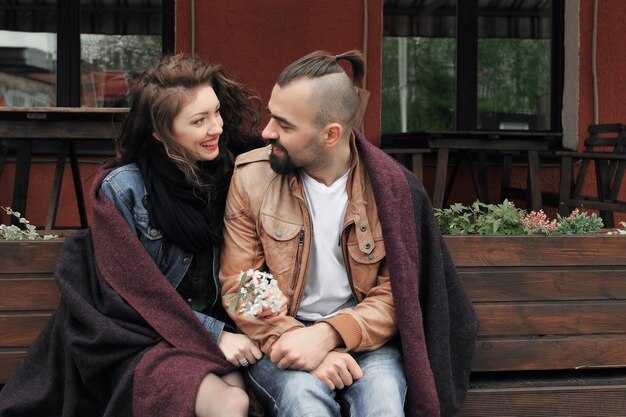 Krátcí králové – Seznamte se se ženami, které rády randí s krátkými muži">
 You’ll Never Be Happy in Your Relationship — The Big Clue & What to Do">
 Most Attractive Hobbies to the Opposite Sex – Top Hobbies That Attract">
 No Perfect Match – Science-Backed Tips for Realistic Online Dating">
 Self-Esteem & Love – How Confidence Shapes Your Romantic Life">
 4 Steps to Building Strong Work Relationships with Peers, Bosses & Direct Reports">


