

 Czech
Czech  English
  Russian
  French
  German
  Italian
  Spanish
  Polish
  Ukrainian
  Turkish
  Portuguese
  Greek
Greek  Arabic
  Korean
  Chinese
  Japanese
 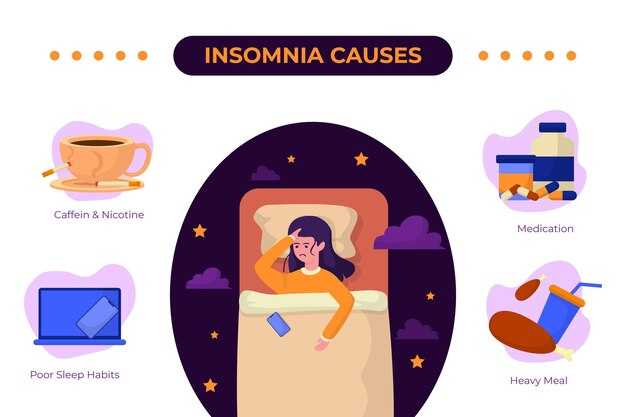 9 Daily Habits Throughout the Day for a Better Night’s Sleep">

Meta-analyses show blue-light exposure delays melatonin by approximately 90 minutes; keeping screens on within 30 minutes before night reduces overnight rest efficiency by up to 15%. Set devices to airplane mode or Do Not Disturb, move chargers out of room, and disable advertising notifications to prevent micro-awakenings.
První scheduling tip: concentrate exercise earlier – aim for 150 minutes moderate aerobic activity per week, finished about 3 hours before night. Short yoga or light stretching sessions of 10–20 minutes close to bedtime lower tension and calm mind; avoid heavy lifting within 90 minutes of going to bed. Gentle doing of breathwork for 5 minutes after stretching helps heart-rate drop and speeds relaxation.
Nutrition: avoid heavy lunches late in afternoon; stop caffeine approximately 6 hours before night, and finish large meals at least 3 hours before night. Alcohol isnt a shortcut: one or two drinks may shorten onset latency but fragment overnight recovery; for chronic issues, try 14-day abstinence and track changes with a simple diary. One small thing: limit spicy meals close to bed and avoid late snacks that raise core temperature.
Practical routines: keep room cool (16–19°C), dark under ~10 lux, and quiet; use earplugs or low-volume white-noise when external sounds interrupt rest. For instance, scheduling a 30-minute wind-down about 45 minutes before night works: dim lights, jot down coming tasks to clear mind, practice 6–4–6 breathing, then do gentle stretching or try a faasm-guided relaxation clip. Avoid checking email or advertising feeds during wind-down; keeping a consistent wake time is one of few simple things that measurably improves overnight recovery.
Daytime routines that prime restorative sleep
Expose eyes to 10–20 minutes of bright sunlight within 30 minutes after waking; randomized trials show advanced melatonin onset by ~30 minutes and up to 20% improvement in afternoon cognitive performance.
Schedule lunch between 12:00–13:30 and a 20–30 minute post-meal walk; this lowers cortisol and improves mood, reducing built-up stress that can keep your mind active later.
Put screens away at least 90 minutes before planned rest and avoid bright screens after 20:00; blue light can affect melatonin secretion and shift rest–wake cycle.
Add morning stretching and short midday mindfulness sets (5–10 minutes) to lower cortisol spikes; neurologist reviews link this to better REM consolidation and clearer dream recall in evening.
Turn routine chores into signals: quick laundry, a clean bedside surface, and a 10-minute tidy session tell your brain that wind-down begins; establish consistent theme around timing and schedule choices so large tasks aren’t built-up near planned rest.
When work intensity fluctuates, split tasks through time-blocking so cognitive peaks happen earlier; a couple of hourly breaks with reading or light flow activities keeps cycle steady across work week and weekends.
If problems persist beyond a couple weeks, know to tell a neurologist; they can guide testing to deal with underlying issues and advise how to handle medication, mood disorders, or circadian misalignment.
Get outdoor light within 30 minutes of waking to set your internal clock
Go outside within 30 minutes after waking: get 10–30 minutes of bright natural light (2,000–10,000 lux) to anchor circadian rhythm and improve sleeping onset.
Daily morning exposure shifts melatonin phase; typical shift ranges 30–90 minutes after 1–3 weeks, often increasing consolidated sleep hours and helping people feel more alert during mid-morning. Pick a consistent wake time, aim exposure within first 30 minutes, and log duration in calendar.
If weather or work prevents outdoor time, use a 10,000-lux light box at eye level while eating breakfast, keeping 30–60 cm distance and limiting direct stare. Keep phones out of immediate space until after exposure, set calendar reminders, coordinate with family routines, and take a quick walk before daycare drop-off or commute to boost impact.
miller trials and reviews cited by verywell report measurable impact on sleep latency and circadian timing; benefits appear even when chronic insomnia exists, though severe cases need clinician contact. This guide simply recommends morning light as baseline strategy – it doesnt require celebrity gadgets or advertising hype; ignore faasm claims and choose clinically tested lamps. Pick a favorite route, favorite jacket, or a short playlist to make adherence easy; small choices will build lasting habits, being consistent increases chance of coming across peaceful, restorative mornings and clearer dream recall.
Incorporate three 5‑minute movement breaks after meals to boost sleep readiness
Start three 5-minute movement breaks after each main meal: walk briskly (80–100 steps/min) for 5 minutes at ~10, 30, 60 minutes after eating; total 15 minutes per meal has been shown to lower postprandial glucose by ~10–20% in pooled analyses and to reduce evening restlessness.
Choose back‑friendly options if mobility is limited: seated marching, heel raises, gentle hip hinge, shoulder rolls, or a wobble board for balance. This routine doesnt require gym access or special equipment; many people use a hallway, kitchen island, or favorite chair. If pain occurs contact someone on your care team before continuing.
Physiology: short post-meal movement speeds gastric emptying modestly, reduces glucose variability, and helps align peripheral metabolism with circadian rhythm. Some trials report reduced sleep onset time by 5–15 minutes and improved perceived sleep quality across multiple nights when short activity follows meals.
Practical plan: set three timers on phone or wearable profiles; pick simple sequences you enjoy so youll stick with choices. Avoid watching screens and bright lights during final 30–60 minutes before bed; limit alcohol within 3 hours of lights‑out. Dont worry about intensity early on – do something that makes you feel slightly breathy but able to hold contact with normal speech.
Behavior tweaks: if living with someone tell them your schedule for privacy and mutual respect; post a note on household board as reminder. Track progress for 2 weeks, then adjust soon if experience is flat. Heres a sample week: after breakfast walk 5 min, after lunch do seated circuit 5 min, after dinner walk 5 min; finally spend 10 minutes stretching in cool room to relax and feel happy with results.
Limit caffeine and stop intake by early afternoon to avoid night disturbances
Stop caffeine intake by 2pm; aim to keep total caffeine below 200 mg after 12pm to reduce night disturbances.
healthcare studies report caffeine half-life averages 5 hrs (range three–seven hrs); practical example: 200 mg at noon → ~100 mg at 5pm → ~50 mg at 10pm, so morning espresso can still affect night rest.
| Beverage | Typical caffeine (mg) | Recommended last intake |
|---|---|---|
| Brewed coffee (8 oz) | 95 | by 2pm |
| Espresso shot | 63 | by 1pm |
| Black tea (8 oz) | 47 | by 3pm |
| Energy drink (12 oz) | 80–160 | avoid after 12pm |
| Dark chocolate (1 oz) | 5–20 | keep to morning servings |
Turn off phone push notifications and advertising from coffee apps; many phones send quick order prompts during a busy afternoon, which makes it easy to fall into extra cups and mess up late hours.
If cravings hit while getting through tasks, try quick swaps: decaf espresso, herbal steeped tea, water with citrus, or stretching breaks; apps such as faasm and lakhan let users log intake and set personalised cutoffs, their alerts prevent impulse top-ups.
Plan kitchen rituals to remove decision friction: designate one mug, clear machine area to avoid mess, prep a protein-rich breakfast so hunger doesnt drive caffeine seeking, and keep a water bottle within access to reduce desire for another coffee.
One brief guide explains common interactions: some medications extend caffeine half-life, older adults may metabolise caffeine slower, pregnant people should limit total intake; discuss specifics with a healthcare provider to get personalised targets.
Small practical deals: batch-brew decaf for afternoons, mute advertising during key hours, block coffee-order apps while commuting, set a seven-day log to spot patterns, and finally adopt a short stretching routine mid-afternoon to arrive at mornings stress-free and with a better sense of control.
Choose balanced meals and avoid heavy late snacks that disrupt digestion
Eat dinner at least 2–3 hours before lights-out; target 350–600 kcal with 30–40 g protein, 20–50 g low-GI carbs and under 15 g saturated fat.
- Quick plate template: palm-size protein (100–120 g), fist-size vegetables (1–2 cups), cupped-hand starch (½ cup cooked), drizzle 1 tbsp healthy fat – this load keeps gastric emptying steady.
- Příklady jídel s kaloriemi a makroživinami: 300 kcal – 100 g grilovaného lososa (22 g bílkovin), ½ šálku quinoy (20 g sacharidů), 1 šálek dušené zeleniny; 420 kcal – čočková polévka (18 g bílkovin), míchaný salát s 1 lžící olivového oleje (12 g tuku), malý batát.
- Strategie proti pozdnímu hladu, když se blíží spánek < 90 min před spaním: volte svačiny bohaté na bílkoviny (řecký jogurt 100 g, 10 g syrovátky nebo 1 vejce natvrdo) s ≤150 kcal, abyste omezili reflux a probouzení v noci.
Specifická pravidla a časování:
- Nejprve naplánujte hlavní jídlo 2–3 hodiny před zhasnutím světel; v případě potřeby povolena lehká svačina 60–90 minut před spánkem.
- Po jídle s vysokým obsahem tuku se vyhýbejte mezi 20:00 a 21:00, pokud jdete spát do 3 hodin; vysoký obsah tuku zpomaluje vyprazdňování žaludku o ~2–4 hodiny a zvyšuje riziko refluxu.
- Omezte příjem alkoholu na 0–1 standardní drink večer; alkohol fragmentuje REM spánek a uvolňuje dolní jícnový svěrač.
- Pokud užíváte léky, které zpomalují vyprazdňování žaludku (opioidy, anticholinergika, agonisté GLP-1), poraďte se s lékařem ohledně načasování jídla a úpravy dávky.
Praktická příprava, která funguje v rušném životě:
- Plánujte týdenní menu včetně 3 hotových jídel a 2 rychlých možností k ohřátí; sepište nákupní seznam s velikostí porcí, aby příprava talíře trvala 10–20 minut.
- Tipy pro přípravu jídla: hromadně uvařte libové bílkoviny a pečenou zeleninu v neděli, skladujte v čistých vzduchotěsných nádobách, ohřívejte opatrně, aby si jídlo zachovalo texturu.
- Udržujte bezstresovou zónu pro jídlo se soukromím a minimem rozptylování; žvýkejte pomalu (20–30 žvýknutí na sousto) pro zlepšení trávení a snížení zátěže na střeva.
Behaviorální detaily, které ovlivňují výsledky:
- Po večeři se vyhýbejte obrazovkám 30–60 minut, abyste omezili vliv modrého světla na cirkadiánní rytmy a zabránili uspěchanému jezení.
- Při bydlení ve sdílených prostorech sdílejte plán jídel se spolubydlícími, aby byl zajištěn plynulý přístup do kuchyně a soukromí během večeře zůstalo nedotčené.
- Pokud rušné večery vedou k pozdnímu mlsání, stanovte si jednoduché pravidlo: žádné jídlo o >400 kcal 90 minut před zhasnutím; snížíte tak výskyt refluxu a zlepšíte noční odpočinek.
Malé doplňky, které přinášejí měřitelný přínos:
- Zařaďte fermentované potraviny (jogurt, kefír, kysané zelí) dvakrát týdně pro podporu trávení; vyhýbejte se kořeněným a smaženým jídlům pozdě večer.
- Dbejte na to, aby byl příjem tekutin u večerních jídel mírný; velké množství tekutin těsně před spaním může zvýšit noční probouzení.
- Plán pro pozdní noční hlad: 1) vyberte proteinovou svačinu ≤150 kcal, 2) posaďte se a jezte pomalu, 3) poté se vyhýbejte obrazovkám a alkoholu.
Poznámky k personalizaci:
- Co bude fungovat, se bude lišit člověk od člověka; sledujte 7 nocí načasování jídla a kvalitu spánku, poté upravte velikost porce nebo načasování v krocích po 15–30 %.
- Pokud se vyskytne reflux nebo přetrvávající nadýmání, řešte příznaky společně s lékařem; malé změny v obsahu tuku nebo koření často výskyt sníží.
- Nápady na dochucení: přidejte bylinky jako strother nebo bazalku, zkuste kořenící směs ozlo střídmě, popř. vyměňte obiloviny pro snížení GI odezvy.
Změny dělejte jednoduše: plánujte, připravujte, udržujte kuchyň čistou, chraňte soukromí během večeře, dopřejte si klidnou rutinu a snižte o stálém, obnovujícím odpočinku.
Zaveďte 60minutovou večerní fázi zklidnění: tlumená světla, čas bez obrazovek a klidné aktivity
Začněte s 60minutovým zklidněním přesně 60 minut před spaním: ztlumte světla na přibližně 30–50 luxů, brzy ukončete používání obrazovek a zvolte klidné aktivity s nízkým vzrušením, které snižují srdeční frekvenci a dýchání.
- Osvětlení: nastavte lampičky v ložnici na ~30 luxů; jantarové nebo červené žárovky snižují potlačení melatoninu. Noční lampičky Ozlo a žárovky s nízkým příkonem fungují v mnoha pokojích. Jasná stropní svítidla vedou k opožděnému usínání; výzkum ukázal, že snížení světla zlepšuje rychlost usínání.
- Obrazovky: ukončete veškerý přístup k obrazovkám přibližně 60 minut před spaním. Miller doporučuje vypnout push notifikace, dříve začít používat noční režimy a umístit zařízení mimo dosah, abyste se vyhnuli pokušení pozdě se spojit s prací nebo sociálními sítěmi.
- Activity mix: include quiet reading, gentle stretching, progressive muscle relaxation, or low‑volume ambient music. A 10–15 minute guided meditation plus 10 minutes of light stretching often lowers tension and perceived stress.
- Thought management: if racing thoughts keep you back, jot them on paper and place that note outside bedroom space; this simple cue reduces bedtime rumination and makes mornings easier. Cognitive offloading has been shown to reduce nocturnal worry.
- Breathing practice: if youre lying awake, use a 4‑4‑4 breathing cycle (inhale 4s, hold 4s, exhale 4s) for 5–10 minutes to slow heart rate and ease tension. Short paced breathing routines lead to measurable drops in heart rate variability linked to calm.
- Contact limits: limit late email and messaging access; set an auto‑reply stating limited response until morning. Reduced evening contact cuts stress that would otherwise impair next‑day performance.
- Environment: keep bedroom temperature cool, bedding comfortable, and light sources limited. Create a small sleep‑only space by removing work items and charging stations to help your mind associate room with peaceful rest.
- Timing details: plan wind‑down to end roughly 10–15 minutes before bedtime so youre not rushing into bed awake. Approximately 60 minutes gives enough time to shift from high arousal to calm without making routine feel long or tough to maintain.
- Practical rule: many people find consistent wind‑down leads to quicker sleep onset, fewer night awakenings, and better morning alertness. Research shown across age groups links consistent pre‑bed routines with improved next‑day cognitive performance.
Keep adjustments limited and track outcomes across seven mornings: note sleep latency, number of awakenings, morning mood, and daytime performance. Small changes here often lead to sizable gains in sleep quality without major lifestyle overhaul.
Don’t Bring Stress to Bed: 8 quick do‑nots to keep calm before sleep

Do not bring work devices into bedroom; leave phone in another room 30 minutes before bed to cut blue light and notifications – youll wake more easily if device stays away.
Do not handle emails or editorial contact within 60 minutes of bed; they trigger rumination. People have measured heart‑rate increases after such contact; for instance average HR rises 5–7 bpm.
Do not eat heavy meals within 2 hours of bed; reflux risk may increase threefold and digestion can disturb REM cycles. If possible choose light protein snack under 250 kcal. Many people experience heartburn; pick portion sizes that are right for you.
Do not do high‑intensity running or weight sets within 90 minutes of bed; while intense training raises core temp and arousal. A couple of gentle stretches or breathing cycles works better; you should focus on 4‑4‑8 breathing.
Do not lie awake replaying tasks; spend 10 minutes on a personalised worry list and assign one action per item. One thing: measure worry intensity 1–10; this provides cognitive closure and meaning, so youll be able to wind into rest.
Do not consume caffeine after mid‑afternoon; they can remain active up to 8 hours, so people report less alertness and less happy mornings when timing is wrong.
Do not carry unresolved arguments into bed; have a calm debrief for a couple minutes away from bed to handle immediate tension. Although this will not fix every issue, it reduces cortisol spikes.
Do not let bedroom temperature swing widely; keep thermostat at 16–19°C and measure with simple thermometer. Right thermal range provides faster onset by average 12–15 minutes; where possible use lightweight bedding that keeps you comfortable. Important: pick breathable fibres and avoid heavy duvets when room temp rises.
 25 Otázek k Sebereflexi – Proč je Introspekce Důležitá">
 9 Common Relationship Stereotypes We Normalize—and Why They’re Not Okay">
 10 Practical Ways to Cope with Feeling Left Out">
 50 Pozitivních Otázek "Co když..." Abychom Zastavili Roztočení Mysli">
 25 upřímných citátů o lásce, které vyjádří vaše nejhlubší emoce">
 Odhalení biologie sezónní afektivní poruchy">
 Finanční nevěra – Jak skryté peníze podněcují úzkost a nedůvěru – škodlivější než nevěra">
 Odpouštění a zotavení z duševních problémů – cesty k uzdravení a odolnosti">
 Friday Fix – 7 Science-Backed Ways to Unleash the Power of Your Mind to Benefit Your Body">
 Proč oslavování malých vítězství má smysl – Zvýšení motivace a hybnosti">


