

 Czech
Czech  English
  Russian
  French
  German
  Italian
  Spanish
  Polish
  Ukrainian
  Turkish
  Portuguese
  Greek
Greek  Arabic
  Korean
  Chinese
  Japanese
  75 Okamžitých způsobů, jak zlepšit náladu právě teď">

Do this immediately: inhale three slow diaphragmatic breaths while applying a 1% eucalyptus essential-oil dilution to the inner wrists and the back of the neck; repeat the cycle twice and assess change after 7–10 minutes – many find the aroma reduces tension and sharpens breathing patterns enough to alter physical state.
If you are solo and need a swift reset, stand, change into something bright or wear a textured layer, and hold a 20–30 second posture drill: shoulders back, chin level, hands on hips (leadership stance) – this posture practice briefly improves perceived self-esteem and attentional focus, which helps redirect rumination.
Use a sensory recipe: play a 6–8 minute playlist of short videos with nature clips and two uplifting scenes; between clips, water 3 small plants or trim a stem for 2–3 minutes – contact with plants has measurable therapeutic effects and pairs well with visual stimulation.
Practical recommendations for social lift: call one trusted friend and share one specific win for 90 seconds to strengthen the bond; if calling isn’t possible, record a 30–60 second voice note to ourselves celebrating one small success, then replay it once.
Combine cognitive and physical micro-tasks: list three concrete accomplishments, name three items you can touch nearby, and perform a 45-second brisk walk up and down stairs – these simple ways interrupt negative loops and re-engage working memory while providing mild cardio benefits.
Micro-recipe for body regulation: sip 200 ml warm lemon water with a teaspoon honey over three minutes, then place a cold compress on the back of the neck for 60 seconds; alternate sensory cues like taste and temperature to create a rapid shift in internal state.
If you prefer guided input, follow short, targeted videos from a licensed professional or curated channels that focus on grounding techniques; choose content under 10 minutes and follow the speaker’s exact prompts for maximal effect.
Carry a small toolkit: a scented handkerchief with eucalyptus, a tactile object to squeeze, and a one-line affirmation written on a card – these personal items are easy to access and make it possible to do something concrete within a minute when needed.
Step Outside for 60 Seconds: Soak in Sunlight and Fresh Air

Step outside and expose face and forearms for 60 seconds, aiming for direct sunny exposure in the morning (about 8–10 AM) or within 30 minutes after sunrise; for skin type I–III a 60–120 second burst provides strong retinal stimulation, while type IV–VI typically needs 3–5 minutes to achieve comparable natural signaling.
Stand with feet hip-width, lean lightly against a wall or railing, remove sunglasses and take three controlled breaths (6s inhale / 6s exhale); this combination raises alertness, triggers endorphins, pulls the shoulders back, and reduces perceived stresses – if it feels cold, keep your coat but keep face uncovered.
If the sky is gray, go out anyway or at least open a window; research shows even diffuse light shifts circadian cues. If you went back inside because it wasnt sunny, schedule two 60-second exposures that day and take quick photos of the sky to compare small improvements in energy and sleep that follow repeated practice.
Use the minute as concrete self-care: set a timer, name one personal need aloud, then step away from screens – youre marking a boundary between tasks and home lives. Repeat this at times when demands spike (mid-afternoon, after long calls) to reset concentration.
In the evening, step onto a balcony or porch for one minute wrapped in blankets with a loved person or alone; gretchen-style habit prompts or a short note can help you keep it. A psychiatrist often shows that tiny outdoor breaks really lower acute anxiety for many people – if you think one minute wasnt enough, try two; many who went back to this practice report small, measurable improvements over weeks.
Hydrate and Snack: Drink 8 Oz Water and Have a Quick Bite
Drink 8 oz (240 ml) of water immediately and eat a 150–200 kcal snack containing 7–12 g protein within 10–15 minutes to rehydrate, raise blood glucose gently and reduce mid-task fatigue.
Snack examples with precise portions
Greek yogurt 100 g + 1 tbsp honey ≈150 kcal, 10–12 g protein; apple (medium, 95 kcal) + 1 oz almonds (163 kcal) ≈258 kcal – reduce nuts to 0.6 oz for 150–180 kcal; hummus 3 tbsp (70 kcal) + 6 baby carrots (30 kcal) ≈100 kcal, add a whole-grain cracker (50–60 kcal) for balance; hard-boiled egg (78 kcal) + 2 whole-grain crackers (110 kcal) ≈188 kcal. For someone diagnosed with diabetes, measure carbs and prefer protein-focused snacks (egg, 30 g cheese) and consult a clinician.
Practical ritual and timing
Place a filled glass by the door or next to houseplants as a visual cue; pair drinking with a five-minute movement or stretching activity to engage muscles and circulation. A simple sequence: drink 8 oz, eat the snack, then walk 3–5 minutes; repeating every hour during prolonged tasks prevents large glucose swings and keeps attention focused.
Coupled hydration and a small protein/carbohydrate bite reduce strong cravings, ease difficult concentration episodes and modulate emotions linked to low blood sugar. For an evening activity choose lighter snacks (100–150 kcal) and avoid caffeine; a relaxing short walk or light yoga before bed supports sleep quality.
Use sensory anchors: close your eyes, breathe through the nose, notice the smell of citrus or coffee grounds for 30 seconds to reset the senses and shift perspective. Creating a 60–minute micro-ritual around drinking and snacking supports creativity and leadership under stress – gretchen, a project lead, keeps a mason jar by her laptop to cue the practice.
If access to food is limited, pick options that are shelf-stable and nutrient-dense (tuna packet, nut butter single-serve). Keep supplies free of added sugars and prioritize whole foods for good metabolic response. When emotions run high, this small routine helps deal with physiological triggers and restores the ability to make close, calm decisions rather than reactive ones.
Move It Now: 60-Second Burst of Easy Exercise (e.g., wall pushups or stair climb)
Do a single continuous 60‑second set: 30 seconds of wall pushups (aim for 15–20 controlled reps at a 2s lowering / 1s press tempo) followed immediately by 30 seconds of stair climbs (steady one-step-per-second pace, or 20–30 steps if you use a short flight).
Intensity targets: expect a 10–25 bpm heart rate rise, perceived exertion ~3–5/10, and an energy cost of roughly 5–12 kcal for the minute depending on body weight. If you wear a wrist monitor or can run a quick HR scan, keep peak <85% of your age‑predicted max for safety during brief bursts.
If you have been diagnosed with cardiac issues, are under a psychiatrist for medication that affects heart rhythm, or someone advised medical caution, consult that clinician before increasing intensity. Designate a flat wall and a sturdy flight of steps, avoid slippery surfaces, and stop if you feel chest pain, dizziness or unusual shortness of breath.
Use breathing to control effort: inhale for 2 counts on the easier phase, exhale for 2 counts through the effort; finish with a 10‑second breath scan or micro‑meditation (focus on 3 deep diaphragmatic breaths) to make the shift from exertion to relaxing. That brief pause brings clearer thoughts and strengthens mind‑body connections.
Practical micro‑routine: designate three moments per day (wake, midafternoon, pre‑dinner) to perform 1–3 rounds. Doing a solo set when you feel stuck is motivating; even someone with 60 seconds can reset self‑esteem, lift emotional state and leave you feeling happy and more spirited.
Small rituals make adherence easier: place plants near your chosen spot, keep a water bottle for quick drinking afterward (150–250 ml is deliciously refreshing), and save a 10‑second gratitude or “what matters now” cue. Creators like Mario or mcbroome post short clips that model form; watching one example can clarify execution in less time than reading cues.
Repetition schedule and outcome: three 60‑second microbursts spread across the day yields ~15–30 additional active minutes weekly and measurable increases in alertness for 10–30 minutes after each set. Many who try it wonder at the effect–the practice brings small but cumulative changes that matter to how one lives and thinks about movement.
Soundtrack Reset: Dance to a 90-Second Upbeat Song
Press play on a 90‑second upbeat track and move continuously for the full duration: aim for 60–80% of your maximum heart rate (target HR = (220 − age) × 0.6–0.8) to get measurable circulation and a quick physiological shift. Choose a major-key pop, funk or salsa cut in the 90–105 BPM range; pick three options in advance so you can grab another immediately when one ends. If you’re alone, place the speaker somewhere visible, stand tall, and use exaggerated arm swings and step-taps – these specific moves increase respiratory depth and produce a clearer change in posture than light pacing. When pain or stiffness is present, reduce intensity: march in place with higher knees and keep tempo but lower impact; that modification still creates a neurochemical response without strain. For a personal routine, create a 3‑track playlist labeled “final reset” and set repeat to on so the transition can happen again without searching. At weekend gatherings or short breaks at work, invite some colleagues or workers to join for one track; social involvement multiplies the effect and makes performance feel less awkward for them and for ourselves. If someone objects against participating, respect boundaries and offer an alternative: chair‑based rhythm or clapping patterns. Practical metrics: count 20 exaggerated arm swings and 30 step-taps in 90 s, or aim for 12–15 breaths per minute averaged over the track. After the song, pause 30–60 s for recovery, note how the chest feels and whether spirit and facial expression feel happier than before; log which songs produce more energy and donate two favorites to a shared playlist so others can try them. These small, repeatable actions help create short resets that make some minutes of the day feel stronger and more connected, and they increase the chance that something positive will happen when we need it most.
Reach Out: Send a Quick, Uplifting Text to a Friend
Send a 20–30-word message that names the person, includes a specific recall of a shared moment, and ends with a single, easy question to prompt a reply.
- Example for laurie: “Heard that song from our trip – recall the sunset by the lake? Want coffee Saturday?”
- mario sample: “saw a mural in the area and thought of you – meet outside for a 10-minute walk?”
- mcbroome style: “Heard your favorite playlist; can I send something that made me laugh?”
- Short video: send a 6–12s video of nature outside or a quick pet clip – this feels personal and often increases replies.
Concrete tips:
- Length: 20–30 words; one line plus one question. Fact: shorter messages receive more replies than paragraphs.
- Timing: aim for low-stress times (late morning or early evening). If they’re in difficult times, give space and avoid offering solutions in the first message.
- Tone: use the friend’s name, a sensory detail to stimulate positive emotions, and one emoji maximum. Too many symbols reduce sincerity.
- Follow-up: if no reply after 48 hours, then send a light nudge – lose guilt, keep it neutral and brief.
- Stress-reducing small gift: include a 1-line recipe that reduces tension, e.g. “Chamomile tea – 1 cup hot water, 1 bag, steep 4 min.” Many people find that beneficial.
- Attachment guidance: if attaching a selfie, smile with the eyes (soft expression) to convey warmth without over-editing.
- Avoid: heavy problem-solving, long venting blocks, or asking too many questions at once; these make replies difficult.
- Usefulness: keep messages specific and memorable – recall a detail, mention a place or a shared joke, offer something simple like a short walk.
Practice for yourself: write three variants (friendly, curious, playful), test which gets more replies over several times, then use the strongest pattern. Little changes–name first, sensory recall, single question–give great return in connection.
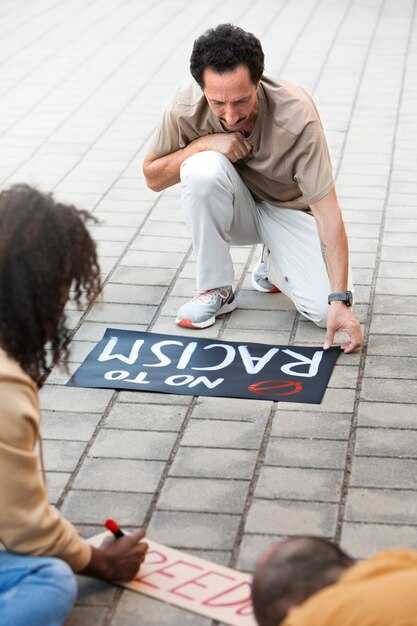 How to Be More Outgoing – 15 Practical Tips to Boost Your Social Confidence">
 DTR rozhovor – Jak definovat vztah a kdy ho vést">
 Healthdirect – Free Australian Health Advice You Can Count On">
 Giving Thanks Can Make You Happier – The Science of Gratitude and Everyday Happiness">
 Top 10 Reasons to Major in Psychology">
 4 Počasná znamení donucovací kontroly – Jak rozpoznat zneužívání a zůstat v bezpečí">
 Echoism – Narcistická reakce, o které jste ještě neslyšeli">
 7 Esenciálních Pravidel pro Emoční Zdraví – Praktická Příručka">
 Proč závidím svému dítěti? Průvodce rodičovskou závistí a strategiemi zvládání">
 9 Praktických tipů, jak říct ne a trvat na tom – Stanovte si hranice s jistotou">


